What Is a Water Main Stop Tap and Why Should Every Homeowner Know About It?
There is one small valve in your home that has more power than almost any other component in your plumbing system. It can stop a flood mid-track, save thousands of dollars in water damage, and give you full control over your home’s water supply in a matter of seconds. That valve is the water main stop tap, and the surprising truth is that most homeowners have never actually located theirs. If a pipe burst right now, would you know where to go? This article breaks down everything you need to know about the water main stop tap, how it works, why it matters, and what role it plays in protecting your home long-term.
Defining the Water Main Stop Tap
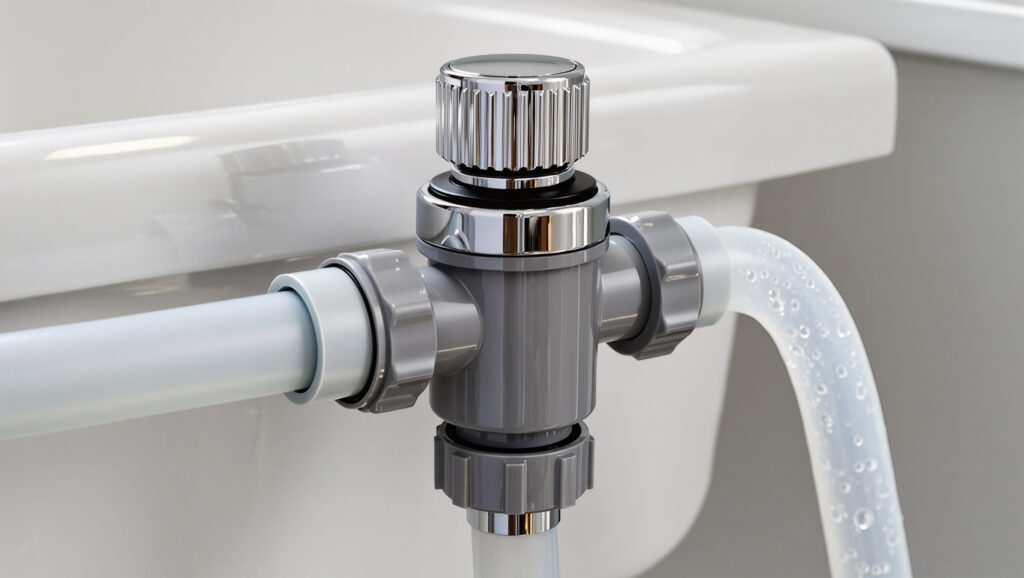
The water main stop tap, sometimes called a stopcock or main shutoff valve, is a valve that controls the flow of water entering your home from the municipal supply line. Think of it as the master off switch for your entire home’s water system. When it is open, water flows freely throughout your plumbing. When it is closed, water stops completely. That simple function is what makes it such a critical component. It is not complicated technology by any stretch, but its role in emergency response, routine maintenance, and long-term plumbing health is genuinely significant. Every home has one, though the location varies quite a bit depending on the property type, age, and local building codes.
Where to Find the Water Main Stop Tap in Your Home
This is where things get a little inconsistent from one property to the next, which is honestly part of why so many homeowners do not know where theirs is. In most homes, the main stop tap is located where the water supply line enters the building. Common locations include under the kitchen sink, in a utility room, near the water heater, in a basement or crawl space, or in a built-in access panel along an interior wall. In older homes, it may be in less obvious spots. There is also typically an external stop tap located outside the property, usually at or near the property boundary, which is generally managed by the water utility company. The internal stop tap is the one homeowners are responsible for and the one that matters most in an emergency.
How the Water Main Stop Tap Works
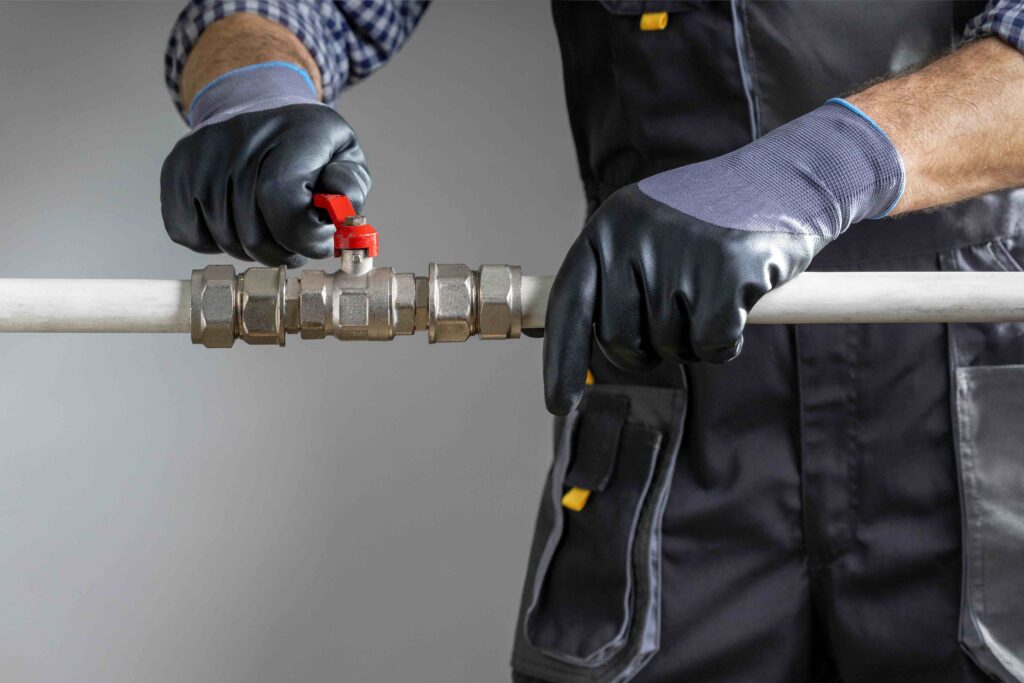
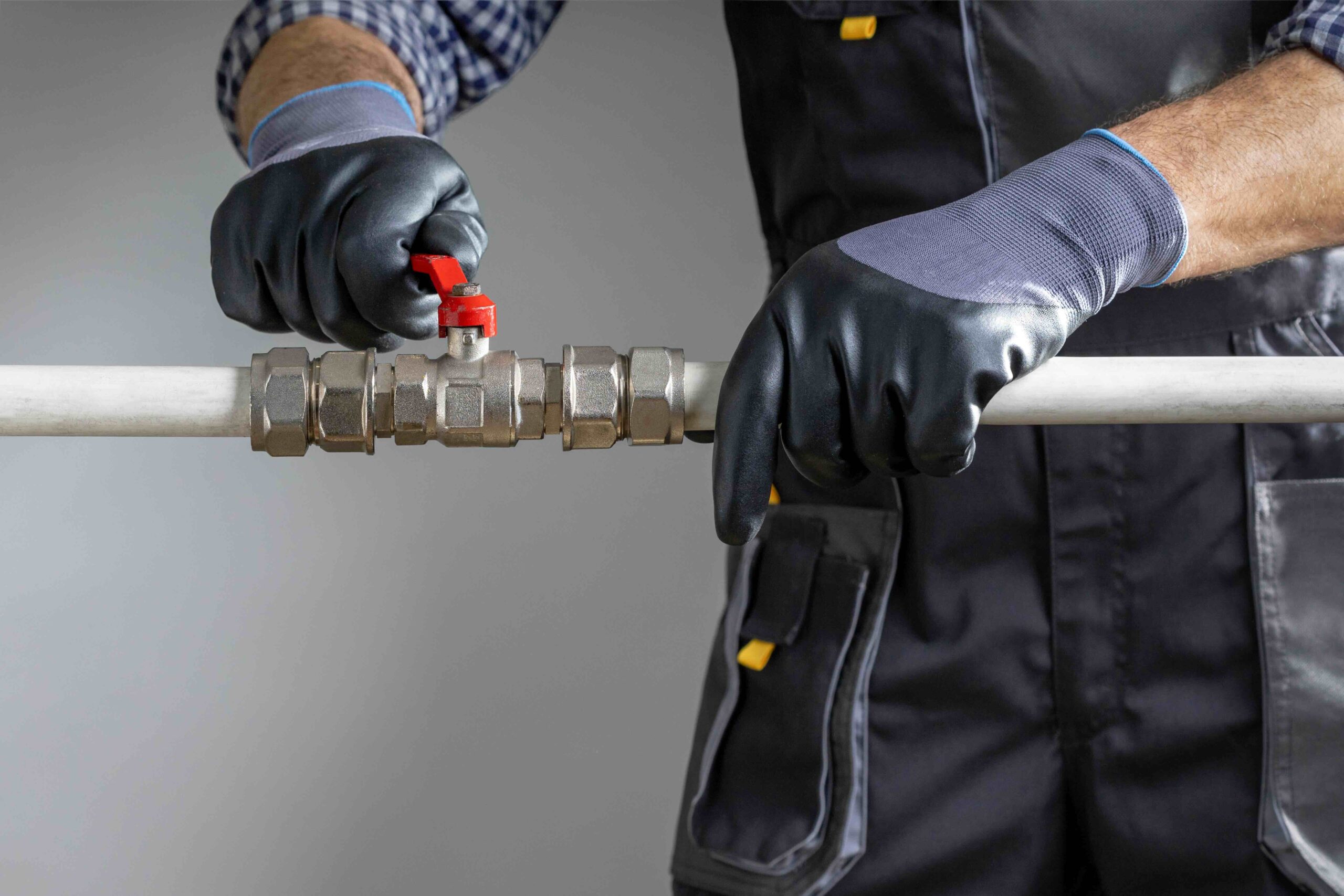
The mechanics here are refreshingly simple. Most stop taps are either a gate valve or a ball valve. A gate valve uses a rotating handle, typically requiring multiple full turns to open or close completely. A ball valve uses a lever handle that rotates ninety degrees between fully open and fully closed. Ball valves are faster to operate and generally considered more reliable for emergency use. When you turn the valve to the closed position, a physical barrier inside the valve cuts off the water supply, stopping flow from entering your home’s plumbing network entirely. That is it. No electricity, no electronics, no complicated mechanism. Just a valve doing what valves do.
The Key Advantages of Understanding Your Stop Tap
Knowing where your stop tap is and how to use it comes with real, practical benefits that extend well beyond emergency situations. Here is why this knowledge pays off for homeowners.
- Emergency flood prevention: In the event of a burst pipe, a leaking appliance connection, or a plumbing failure, shutting off the stop tap immediately limits water damage dramatically.
- Safe plumbing repairs: Before any plumbing work is done in the home, shutting off the main supply is the first step. It protects both the homeowner and any contractor from unexpected water flow mid-repair.
- Appliance installation and replacement: Whether replacing a dishwasher, a washing machine, or a water heater, the main stop tap gives you full control over water access during the job.
- Leak detection: Turning off the stop tap and checking the water meter for movement can help identify whether a hidden leak exists in the system.
- Winterization: Before leaving a property for an extended period during cold months, shutting off the water supply and draining the pipes reduces the risk of frozen pipe damage significantly.
Common Drawbacks and Challenges with Stop Taps
As reliable as stop taps are in concept, they do come with a few practical limitations worth knowing about. The most common issue is a stop tap that has not been operated in years and becomes stiff or completely seized. This is more common than most people realize, particularly in older homes. When a valve sits untouched for a long time, corrosion and mineral buildup can make it nearly impossible to turn without causing damage. Forcing a seized valve too hard can crack it or cause a leak, which is the last thing you want in an emergency. Another issue is valves that do not fully close, leaving a slow trickle of water flowing even in the off position. In these cases, replacement by a licensed plumber is the appropriate solution rather than repeated attempts to force it shut.
How to Test and Maintain Your Water Main Stop Tap
Maintenance on a stop tap is minimal, but consistency matters. Most plumbing professionals recommend operating your stop tap at least once a year, simply turning it fully off and then back on again. This prevents the valve from seizing, keeps it responsive, and gives you confidence that it will work when you actually need it. If you notice any resistance, stiffness, or leaking around the valve body during this test, that is a cue to have a plumber take a look. It is also a good idea to label the valve clearly if it is not already obvious, especially in homes with multiple valves in the utility area. A small tag or piece of colored tape goes a long way when someone else in the household needs to act quickly.
What Happens When the Stop Tap Fails
A failing stop tap is not just an inconvenience. It is a genuine liability. When the valve that is supposed to stop a flood no longer functions properly, even a small plumbing incident can escalate quickly. Water damage from a burst pipe or broken appliance connection can affect flooring, subfloor structures, drywall, insulation, and personal property within minutes. Restoration costs after water damage events are consistently among the highest category of home repair expenses. This is where having a home warranty that covers your plumbing system becomes a meaningful financial safety net. A broken or non-functional stop tap falls under the kind of plumbing system failures that a solid home warranty plan is designed to address.
How Home Warranties Connect to Your Plumbing System Coverage
A home warranty plan does not replace homeowner’s insurance, but it fills a gap that insurance typically does not cover, which is the mechanical breakdown and wear-related failure of your home’s systems and appliances. Plumbing system coverage under a home warranty often includes interior supply lines, valves, and related components. That means when a stop tap or shutoff valve fails due to normal wear and use, you may be covered for the repair or replacement cost rather than absorbing that expense out of pocket. Given how essential the water main stop tap is to your home’s safety infrastructure, having a plan that covers the plumbing systems supporting it just makes sense.
Why Armadillo Is the Right Choice for Plumbing System Protection
When it comes to protecting your home’s plumbing from the unexpected costs of system failures and worn-out components, Armadillo brings a straightforward, homeowner-first approach that is genuinely refreshing in the warranty space. Armadillo’s plans are built around transparency, clear coverage terms, and real support when things go wrong. If your stop tap seizes, your supply lines fail, or any number of your home’s systems call it quits, Armadillo has the kind of coverage that steps in without unnecessary complications. As a trusted home warranty provider for comprehensive plumbing system protection, Armadillo is designed for homeowners who want dependable coverage without the fine print surprises. If this article has prompted you to take a closer look at your home’s plumbing infrastructure and what it would cost to repair or replace key components, the smart next step is to get a free home warranty quote for plumbing and system coverage today and see exactly what your home qualifies for.
Frequently Asked Questions About the Water Main Stop Tap
These are the most common questions homeowners ask about water main stop taps, how they work, and how to manage them effectively.
What is a water main stop tap?
A water main stop tap is a valve that controls the flow of water entering your home from the municipal supply. Turning it off stops water from flowing to any fixture or appliance in the home.
Where is the water main stop tap usually located?
It is most commonly found under the kitchen sink, near the water meter, in a basement or crawl space, or in a utility room. Location varies by home age and construction type.
How do I turn off the water main stop tap?
For a gate valve, turn the handle clockwise until it stops. For a ball valve, rotate the lever ninety degrees so it sits perpendicular to the pipe. Both actions cut off water flow to the home.
Why won’t my stop tap turn?
A stiff or immovable stop tap is typically the result of corrosion, mineral buildup, or long-term disuse. A licensed plumber should inspect and replace it rather than forcing it, which can cause damage.
How often should I test my water main stop tap?
It is recommended to operate your stop tap at least once a year by turning it off and back on. This prevents seizing and confirms that it will function properly in an emergency.
Is there a stop tap outside my home as well?
Yes, there is typically an external stop tap near the property boundary or at the street level. That valve is usually the responsibility of the water utility company, not the homeowner.
Can a faulty stop tap be covered by a home warranty?
Many home warranty plans that include plumbing system coverage will cover the repair or replacement of interior valves and supply line components that fail due to normal wear and use, including stop taps.
What type of stop tap is best for emergency use?
A ball valve is generally preferred for emergency situations because it can be fully shut off with a single quarter-turn of the lever, making it faster and more reliable than a gate valve in a crisis.
How do I find my stop tap if I have never located it before?
Start by checking under the kitchen sink, along the front wall of the basement, or near the water heater. Your home inspection report, if available, should also document its location.
What should I do if my stop tap is leaking?
A leaking stop tap should be addressed by a licensed plumber promptly. In the meantime, if there is an external shutoff available, that can be used to cut supply while repairs are arranged. Do not attempt to force a leaking valve tighter, as this can worsen the damage.