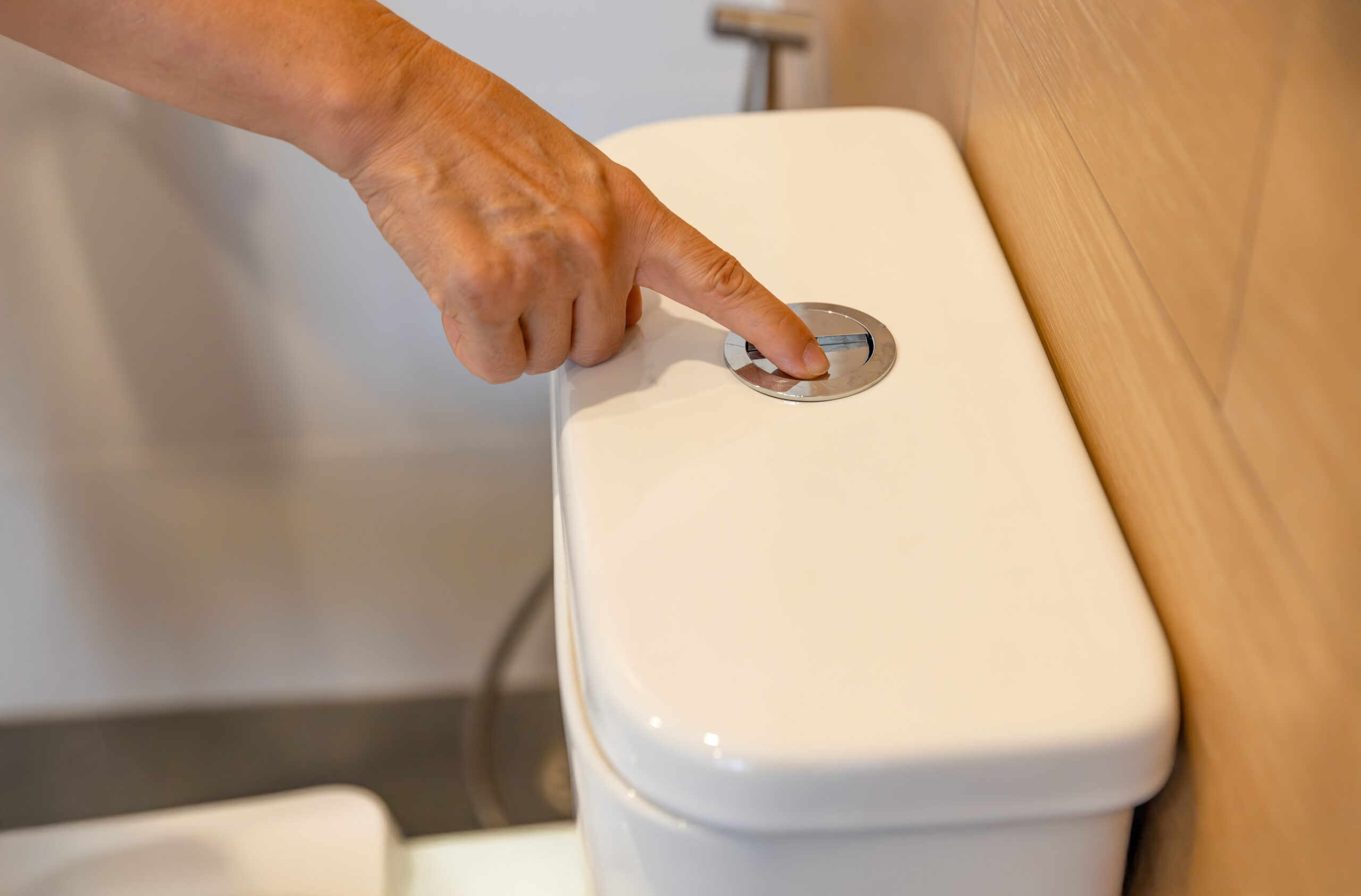
What Is a Water-Saving Toilet and Why Should Homeowners Pay Attention
Water bills have a way of quietly climbing, and the toilet is often one of the last places homeowners think to look. Yet the average household toilet accounts for nearly 30 percent of all indoor water use. That is a significant number, especially when you consider that older models can use anywhere from 3.5 to 7 gallons per flush. Water-saving toilets, sometimes called high-efficiency toilets or low-flow toilets, were designed specifically to address that. They use dramatically less water per flush without sacrificing performance, and they have become one of the most practical home upgrades available today. If you have never given your toilet a second thought, this might be the moment to start.
How Water-Saving Toilets Actually Work
The mechanics are surprisingly straightforward, which makes them easy to appreciate even if plumbing is not your area. Traditional toilets rely on a large volume of water to create the flushing force needed to clear the bowl. Water-saving toilets achieve the same result through improved bowl design, more efficient trap passageways, and in some cases, pressurized air assist technology. Federal standards established through the Energy Policy Act of 1992 set a maximum of 1.6 gallons per flush for all toilets sold in the United States. High-efficiency models go further, using 1.28 gallons per flush or less. Dual-flush toilets take it a step further by offering two flush options, typically around 0.8 gallons for liquid waste and 1.28 gallons for solid waste, giving homeowners direct control over consumption.
The Different Types of Water-Saving Toilets Available
Walking into a showroom or browsing online, you will quickly realize there are several distinct categories to consider. Each one comes with its own set of characteristics that suit different household needs and bathroom configurations.
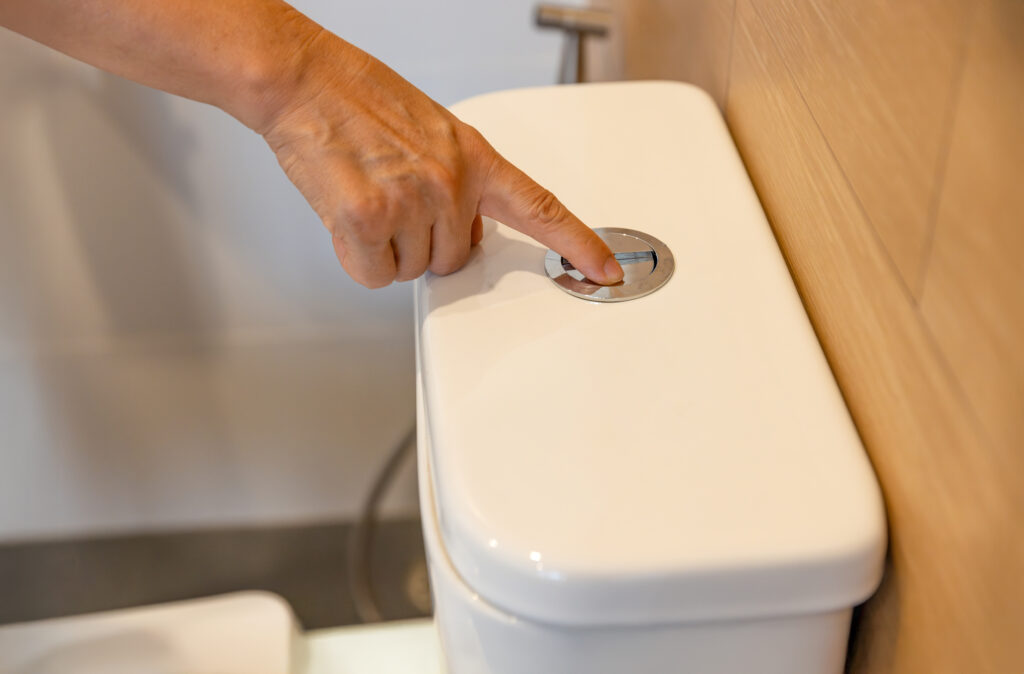
- Dual-flush toilets: Two buttons or levers allow the user to select the appropriate flush volume based on waste type.
- Pressure-assist toilets: Use compressed air to create a powerful flush while still consuming minimal water, often preferred in high-traffic bathrooms.
- Gravity-feed low-flow toilets: The most common residential type, relying on a redesigned trapway and bowl to move waste with less water.
- Composting toilets: A more niche option that uses little to no water at all, typically found in off-grid or environmentally focused installations.
- WaterSense certified toilets: A label backed by the EPA that certifies a toilet meets strict water efficiency and performance standards.
Key Advantages of Upgrading to a Water-Saving Toilet
The benefits here go beyond just feeling good about conservation. There are real, measurable gains that affect your household budget and your home’s overall functionality. The average family can save more than 13,000 gallons of water annually by switching from an older toilet to a WaterSense certified model. That translates to real savings on your water bill, often enough to offset the cost of the toilet within a few years. In some states and municipalities, rebates are available to incentivize homeowners to make the switch, which accelerates that payback period. Beyond cost, reduced water usage puts less stress on your home’s plumbing system over time and contributes to lower demand on municipal water infrastructure, which is something that matters increasingly in drought-prone regions. It is also worth noting that newer toilet designs have significantly improved, so modern low-flow toilets perform just as well as their water-hungry predecessors.

Common Drawbacks Homeowners Should Know Before Buying
No home upgrade is without its trade-offs, and water-saving toilets are no exception. Early low-flow models from the 1990s developed a reputation for poor performance, requiring multiple flushes to clear the bowl, which actually negated the water savings. Modern designs have largely corrected that issue, but it remains a legitimate concern when purchasing lower-quality or older inventory. Pressure-assist models tend to be noisier than gravity-feed options, which can be a drawback in bathrooms adjacent to bedrooms. Installation costs vary depending on whether your existing plumbing connections are compatible, and some high-efficiency models carry a higher upfront price tag. Maintenance can also differ slightly from traditional models, particularly with dual-flush mechanisms that have more components and may require occasional adjustment over time.
Installation Considerations Every Homeowner Should Review
Installing a water-saving toilet is generally a manageable project, but there are a few things worth evaluating before you commit. Rough-in measurement, which is the distance from the wall to the center of the drain, is typically 12 inches in most homes but can be 10 or 14 inches in older construction. Getting this measurement right before purchasing is essential. Homeowners comfortable with basic plumbing can often handle installation themselves, but hiring a licensed plumber ensures the connection is watertight and up to code. If your home has older, corroded supply lines, this is also a good opportunity to replace them. Some jurisdictions require permits for toilet replacement, though this is uncommon for a straightforward swap. Always check local codes to avoid complications during a future home inspection or warranty claim.
How Water-Saving Toilets Fit Into a Broader Home Efficiency Strategy
Replacing an outdated toilet does not exist in a vacuum. It is one piece of a larger home efficiency picture that also includes water heaters, dishwashers, washing machines, and irrigation systems. When you start layering these improvements together, the cumulative impact on your utility bills and environmental footprint becomes meaningful. Pairing a water-saving toilet with low-flow showerheads and faucet aerators, for example, can reduce indoor water consumption by 30 to 50 percent compared to a home running entirely on older fixtures. Smart home integration is also emerging in this space, with some advanced toilet systems offering usage tracking and leak detection features that alert homeowners to problems before they become expensive repairs. Thinking about water efficiency as a system-wide initiative rather than a single product decision tends to produce better long-term results.
What Home Warranties Cover When It Comes to Plumbing and Toilets
This is where things get genuinely useful for homeowners who want to protect their investment. A home warranty is a service contract that covers the repair or replacement of major home systems and appliances when they fail due to normal wear and tear. Plumbing systems are commonly included in standard home warranty plans, which can cover components like interior supply lines, drain lines, and in many cases, toilet mechanisms such as the fill valve, flush valve, and flapper. However, coverage details vary widely between providers, so reviewing the specifics of what is and is not included in any given plan is essential. It is also important to distinguish between damage caused by normal wear, which is typically covered, and damage resulting from misuse, improper installation, or pre-existing conditions, which generally is not. Knowing this before a problem arises helps avoid surprises when you need coverage most.
Why Armadillo Is the Smart Choice for Homeowners Protecting Their Plumbing Investment
Upgrading to a water-saving toilet is a sound decision, and protecting the plumbing system it connects to is equally important. That is exactly where Armadillo’s home warranty coverage for plumbing systems and water-efficient home upgrades delivers real value. Armadillo offers straightforward plans built for how homeowners actually live, with clear coverage terms, no confusing fine print, and a claims process that does not feel like a part-time job. When a toilet mechanism fails, a supply line starts leaking, or something deeper in your plumbing goes wrong, having a home warranty in place means you are not navigating repair costs alone. If you are ready to protect the systems that keep your home running, you can get a free home warranty quote for water-saving plumbing and home systems coverage in just a few minutes. Coverage that keeps pace with smarter home choices is not a luxury anymore. It is just good planning.

Frequently Asked Questions About Water-Saving Toilets
Real questions from real homeowners, answered directly so you can move forward with confidence.
How much water does a water-saving toilet actually save compared to an older model?
A household switching from a 3.5-gallon-per-flush toilet to a WaterSense certified 1.28-gallon model can save more than 13,000 gallons of water per year, which typically results in noticeable reductions on annual water bills.
Do low-flow toilets require multiple flushes, making them no more efficient?
Early models from the 1990s had this problem, but modern high-efficiency toilets are engineered with improved bowl geometry and trapway designs that eliminate the need for double flushing in most cases.
What does WaterSense certified mean when shopping for a toilet?
WaterSense is an EPA-backed label that certifies a toilet uses 20 percent less water than the federal standard while still meeting rigorous performance testing for flush effectiveness.
Are there rebates available for installing a water-saving toilet?
Many water utilities and local governments offer rebates ranging from 25 to 100 dollars or more per unit for installing WaterSense certified toilets. Availability varies by location, so checking with your local water authority is recommended.
Can I install a water-saving toilet myself or do I need a plumber?
A straightforward toilet replacement is within reach for a homeowner with basic DIY skills, but hiring a licensed plumber is advisable if your supply lines are old, the rough-in measurement is non-standard, or you are unsure about local code requirements.
Does a home warranty cover toilet repairs and replacements?
Most standard home warranty plans cover internal toilet components such as fill valves, flush valves, and flappers under plumbing system coverage. The toilet bowl and tank themselves are generally not covered unless specified in the plan.
What is the difference between a dual-flush and a pressure-assist toilet?
A dual-flush toilet offers two flush volume options controlled by the user, while a pressure-assist toilet uses compressed air stored in the tank to generate a forceful single flush using minimal water. Each suits different household preferences and usage patterns.
How long does a water-saving toilet typically last?
The porcelain body of a toilet can last 50 years or more with proper care. Internal components such as the fill valve and flapper typically need replacement every five to ten years depending on water quality and usage frequency.
Will a water-saving toilet work well in a home with low water pressure?
Gravity-feed low-flow toilets can sometimes underperform in homes with very low water pressure. Pressure-assist models are designed to compensate for this and are often a better fit in homes where pressure is a consistent concern.
What should I look for when choosing a water-saving toilet for a high-use bathroom?
For high-traffic bathrooms, prioritize a WaterSense certified model with a MaP score of 500 grams or higher, which indicates strong flush performance, and consider a pressure-assist design if bowl-clearing consistency is a priority.