Does Your Dryer Actually Shrink Clothes — Or Is Something Else Going On?
You pull a favorite shirt out of the dryer and it fits like it belongs to someone a size smaller. It happens to almost everyone, and the instinct is to blame the dryer itself. That instinct is mostly right, but the full picture is a bit more nuanced. Understanding what actually causes clothes to shrink in the dryer — and how your dryer works in the first place — can save your wardrobe, your wallet, and a surprising amount of frustration. And while we are at it, there is a larger conversation worth having about protecting the appliances that handle the work your household depends on every single day.
How a Clothes Dryer Actually Works
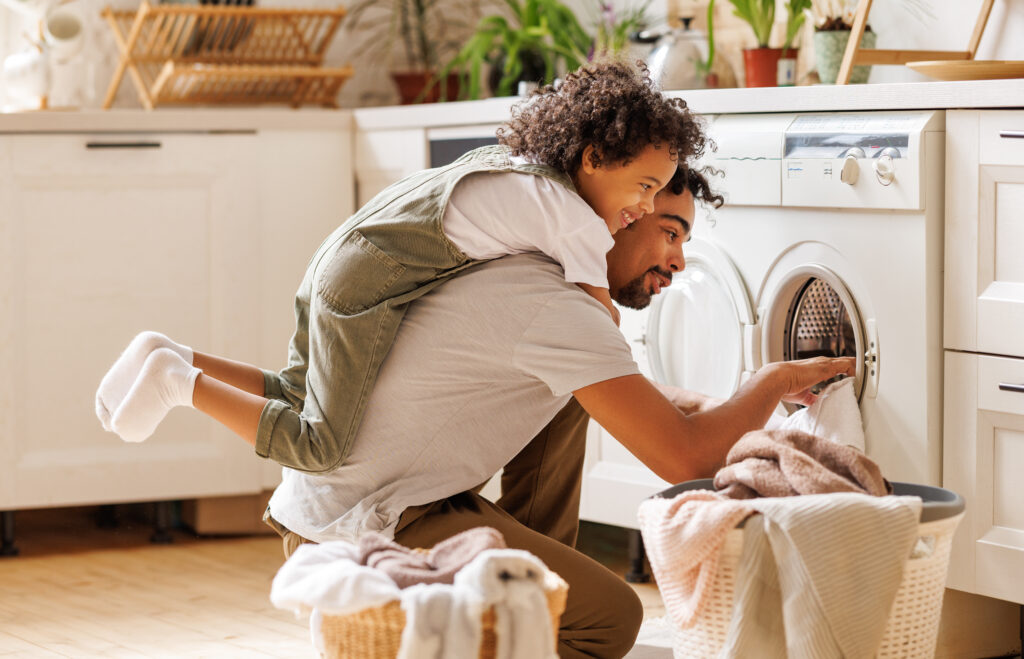
A residential dryer operates on a straightforward principle: it tumbles your clothes through a rotating drum while simultaneously pushing heated air through that drum to evaporate moisture from the fabric. Most standard dryers are powered either by electricity or natural gas, and both types use a heating element or burner to raise the air temperature. That warm air circulates through the drum, picks up moisture from the wet clothes, and exits through a vent that leads outside the home. A motor drives the drum’s rotation, a blower moves the air, and a thermostat regulates temperature to keep things within a set range. Simple enough in concept — but the details of that heat are exactly what causes fabric damage over time.
What Fabrics Shrink Most in the Dryer
Not all fabrics respond to heat and agitation the same way. Some materials are far more vulnerable than others, and knowing the difference is genuinely useful. Natural fibers like cotton, wool, and linen are the most susceptible to shrinkage. These fibers have a tendency to contract when exposed to heat and moisture simultaneously, which is essentially what a dryer cycle delivers in concentrated form. Wool is especially sensitive and can felt or shrink dramatically even on low heat. Synthetic fibers like polyester and nylon are more heat-resistant, but they are not entirely immune — high dryer temperatures can cause them to warp or lose shape. Blended fabrics sit somewhere in the middle depending on the ratio of natural to synthetic content.
Why Heat and Agitation Are the Real Culprits
Here is what is actually happening at the fiber level. Natural textile fibers are twisted or coiled during manufacturing, and that tension is what gives fabric its structure. When heat and moisture are introduced together, those fibers relax and then contract into a tighter, shorter configuration. The tumbling action of the drum adds mechanical stress on top of the thermal stress, which accelerates the process. High dryer temperatures essentially cook the fibers into a new, smaller shape. This is why air-drying or using low-heat settings can significantly reduce shrinkage — it gives the fibers less thermal energy to react to. The longer clothes stay in high heat, the more the effect compounds.

Dryer Settings That Help Protect Your Clothes
Modern dryers give homeowners more control than many people realize. Using the right settings for each load makes a measurable difference in how your clothes hold up over time. A few practical approaches worth building into your laundry routine include the following:
- Use the lowest heat setting appropriate for the fabric type, especially for cotton and wool items
- Select a moisture-sensor drying cycle rather than a timed cycle so the dryer stops when clothes are actually dry rather than continuing to apply heat unnecessarily
- Remove clothes while they are still slightly damp and allow them to finish air-drying on a rack
- Check care labels before drying — many items that seem dryer-safe are actually labeled for air-dry only
- Avoid overcrowding the drum, which causes uneven drying and extended cycle times
Common Dryer Problems That Make Shrinkage Worse
A dryer that is not functioning correctly can make fabric damage significantly worse. A faulty thermostat, for example, can cause the appliance to run hotter than its intended temperature range without any visible warning to the user. A clogged lint trap or blocked exhaust vent reduces airflow and causes heat to build up inside the drum, which effectively turns every cycle into a high-heat setting regardless of what you selected. A worn heating element that cycles on and off irregularly creates unpredictable temperature spikes. These are not just inconveniences — they actively shorten the lifespan of your clothing and put additional mechanical stress on the dryer itself. Regular maintenance matters more than most homeowners account for.
Dryer Maintenance Tips Every Homeowner Should Follow
Keeping a dryer running efficiently is not complicated, but it does require some consistency. There are a handful of maintenance habits that protect both the appliance and the clothes inside it:
- Clean the lint trap before or after every single load without exception
- Inspect and clean the dryer exhaust vent at least once a year, and more frequently in high-use households
- Check the exterior vent cap to make sure it opens properly and is not obstructed by debris or nesting
- Listen for unusual sounds during operation — squealing, thumping, or rattling often indicate worn drum bearings, belts, or rollers
- Verify that the dryer is level, since an unbalanced appliance causes unnecessary vibration and mechanical wear
When a Dryer Repair Becomes a Bigger Issue
Dryers are workhorses, and like any appliance that runs frequently, they eventually need repairs. Some of the most common issues include burned-out heating elements, failed thermostats, broken drive belts, and motor failures. Heating element replacement on an electric dryer can run anywhere from one hundred fifty to three hundred dollars in parts and labor. A motor replacement can push five hundred dollars or more depending on the brand and service market. These are not trivial costs, and they tend to arrive without much warning. A dryer that was running perfectly on a Tuesday can stop heating entirely by Thursday. That unpredictability is exactly why homeowners with appliance coverage are better positioned to handle these moments without the financial sting.
The Link Between Appliance Performance and Home Warranty Coverage
A home warranty plan exists specifically to cushion the blow when covered appliances and systems break down due to normal wear and tear. Your dryer qualifies as a protected appliance under most home warranty plans, which means when a covered mechanical failure occurs, the cost of diagnosis, repair, or replacement falls on the warranty provider rather than on you. This is not the same as homeowners insurance, which covers damage from sudden events like fires or flooding. A home warranty is designed for the slow, inevitable deterioration that happens when machines are used regularly over time. For an appliance like a dryer — one that runs multiple cycles per week, generates consistent heat, and handles significant mechanical load — that kind of protection carries real value.
Why Armadillo Is the Right Partner for Protecting Your Home Appliances
When your dryer starts acting up — running too hot, refusing to heat at all, or making sounds that were never part of its original repertoire — the last thing you want is uncertainty about what it will cost to fix. That is where Armadillo home appliance and systems warranty coverage makes a genuine difference. Armadillo offers straightforward, transparent plans that cover the appliances your household depends on most, including dryers, without the fine print surprises that tend to define older warranty providers. If you want to understand your coverage options before something breaks down, you can get a personalized home warranty quote for dryer and appliance protection in just a few minutes. Protecting an appliance that you rely on several times a week is not an overcaution — it is practical homeownership.

Frequently Asked Questions About Clothes Shrinking in the Dryer
These are the questions homeowners ask most often about dryer-related fabric shrinkage, appliance performance, and what it all means for how you manage laundry at home.
Why do clothes shrink in the dryer but not when washed?
Washing machines use water and agitation, but dryers combine heat, moisture, and mechanical tumbling in a sustained way that causes natural fibers to contract more significantly. The continuous application of heat over the full drying cycle is what drives most shrinkage.
Can you unshrink clothes that have already shrunk in the dryer?
In some cases, soaking the garment in lukewarm water mixed with a small amount of hair conditioner and gently stretching it back to shape while wet can partially restore size. Results vary depending on the fabric type and how severely it has shrunk.
What dryer temperature is safest for cotton?
A low to medium heat setting is generally the safest range for cotton. High heat causes cotton fibers to contract quickly, so reducing the temperature and removing items while still slightly damp reduces shrinkage considerably.
Does every dryer cycle shrink clothes a little bit?
Yes, repeated exposure to heat and agitation causes incremental shrinkage over time, even when items do not noticeably shrink after a single cycle. Consistent use of lower heat settings slows this cumulative effect.
How do I know if my dryer is running too hot?
If clothes consistently come out extremely hot to the touch, if fabrics are shrinking faster than expected, or if drying cycles are completing unusually quickly, the dryer may be overheating. A clogged vent or a faulty thermostat are the most common causes.
Is a dryer covered under a standard home warranty plan?
Most home warranty plans do cover dryers as part of their appliance coverage. Coverage typically applies to mechanical and electrical failures resulting from normal use, including issues with heating elements, motors, thermostats, and drum components.
How often should I clean my dryer vent?
The exhaust vent should be professionally cleaned or thoroughly inspected at least once per year. Households doing five or more loads of laundry per week may benefit from cleaning it every six months to maintain proper airflow and reduce fire risk.
What is the most common dryer repair?
A failed heating element is one of the most frequently reported dryer repairs. When the heating element burns out, the dryer will tumble but produce no heat, leaving clothes wet at the end of the cycle. This is a covered repair under most home warranty appliance plans.
Does air-drying completely eliminate shrinkage?
Air-drying on a flat surface or a drying rack removes the heat component entirely, which significantly reduces shrinkage risk for most fabrics. It is the safest option for wool, linen, and delicate cotton items.
How long do residential dryers typically last?
The average residential dryer lasts between ten and thirteen years with regular maintenance. Neglected lint traps, blocked vents, and deferred repairs can shorten that lifespan, while consistent maintenance and covered repairs through a home warranty can help extend it.