What Can You Actually Put Down a Garbage Disposal? A Homeowner’s Complete Guide
The garbage disposal is one of those kitchen appliances that feels completely intuitive until the moment it stops working. You flip the switch, hear a hum, a grind, or nothing at all, and suddenly you are standing over the sink wondering what went wrong. The truth is, most disposal problems come down to one simple issue: putting the wrong things down it. Understanding what your garbage disposal can and cannot handle is the difference between a unit that lasts a decade and one that needs a service call every other year. So here is everything you need to know, organized clearly so you can actually use it.
How a Garbage Disposal Actually Works
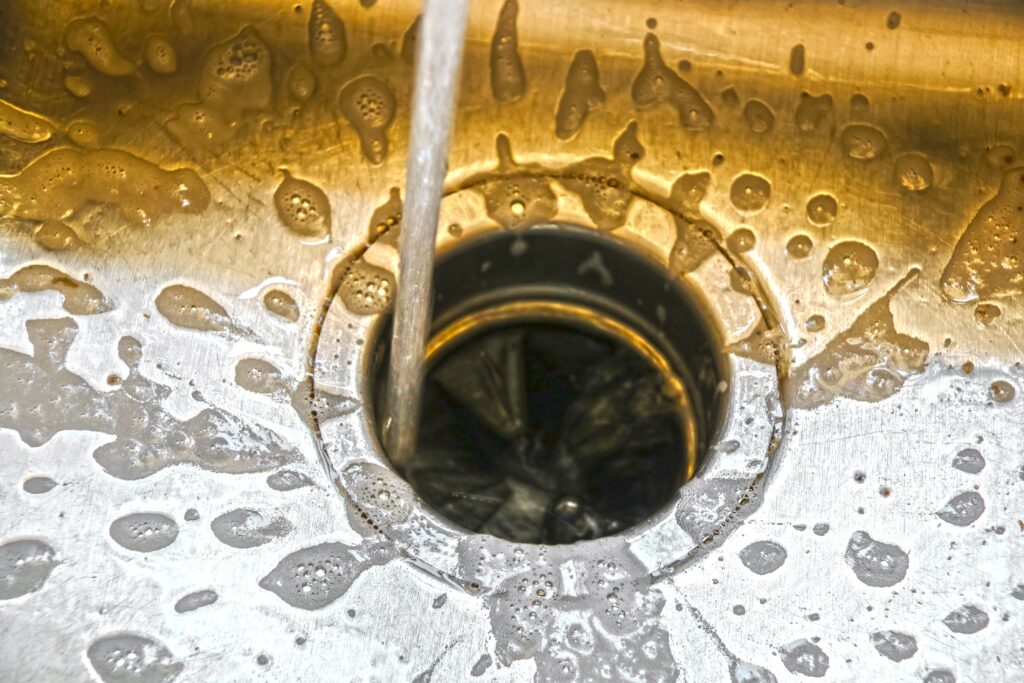
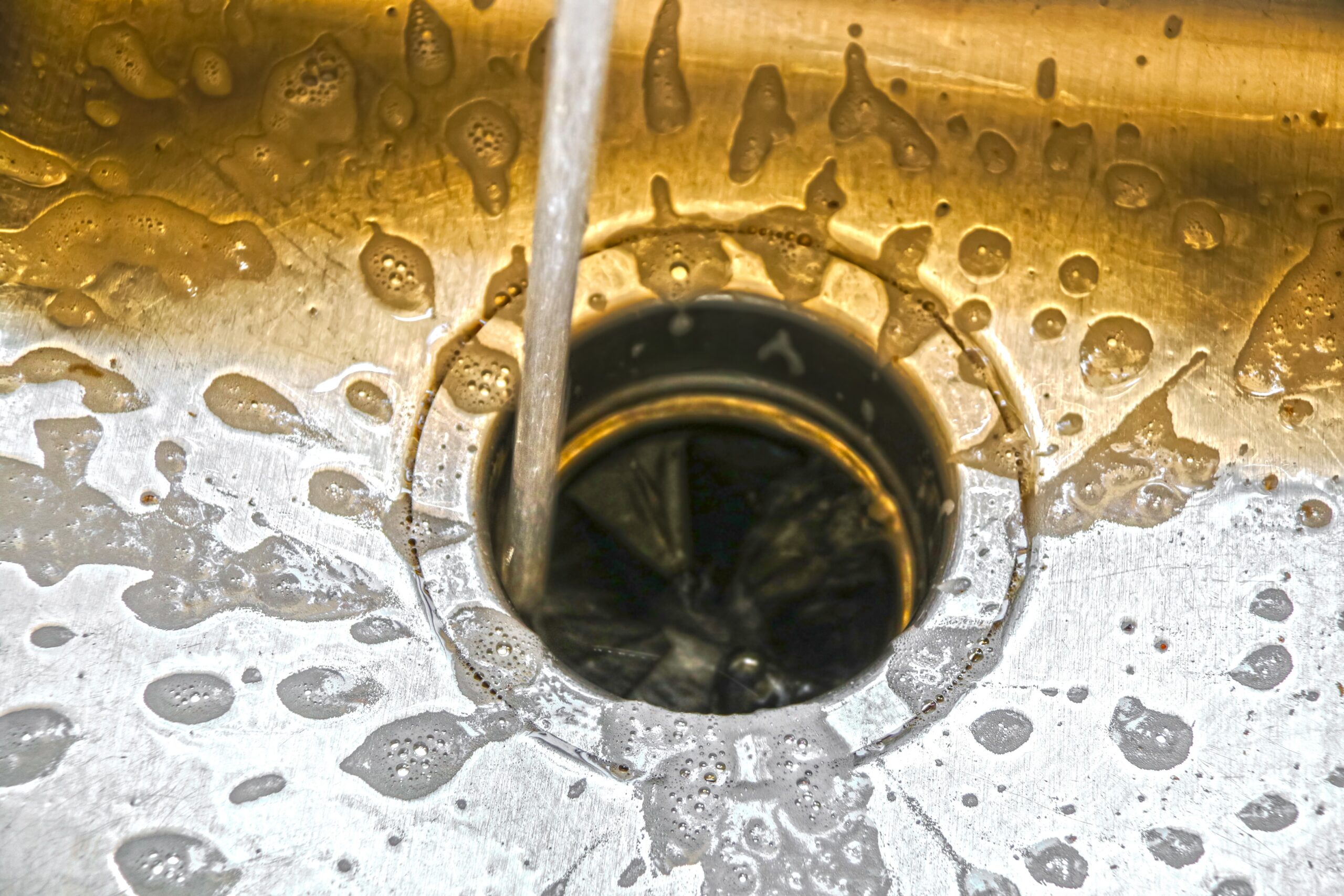
Before diving into the do’s and don’ts, it helps to understand the mechanics. A garbage disposal is essentially a motorized grinding chamber installed beneath your kitchen sink, between the drain and the drainpipe. When you run it, an electric motor spins a plate called the impeller, which drives food waste against a stationary grind ring. The food gets broken down into small particles, then flushed through your plumbing with water. It is not a blender and it is not indestructible. The motor, the impeller, and the seals all have limits, and exceeding those limits is how you end up with a broken unit at the worst possible time.
What You Can Safely Put Down a Garbage Disposal
Most soft to moderately firm food scraps are fair game. The disposal is designed for everyday kitchen waste, and when used appropriately, it handles that job exceptionally well. Here is what belongs in the disposal without concern:
- Soft fruit scraps such as banana peels cut into small pieces, berries, and citrus rinds in limited quantities
- Cooked meat scraps that are small and boneless
- Vegetable scraps that are soft or cut small, like lettuce, peas, and cooked carrots
- Small amounts of leftover cooked pasta or rice, though moderation is key
- Ice cubes, which actually help clean the grinding components
- Dish soap and cold running water used during and after operation
- Small fish bones, which many mid-grade and higher disposals can manage without issue
The general rule is to run cold water before, during, and for a full thirty seconds after using the disposal. Cold water keeps fats solidified so they grind and flush out rather than coating the interior of your pipes.
What You Should Never Put Down a Garbage Disposal
This is where most homeowners run into trouble. There is a surprisingly long list of common kitchen items that seem harmless but cause real damage over time. Some items are too hard and will jam or dull the grind ring. Others expand, congeal, or form blockages deep in your plumbing where a disposal flush cannot reach them.
- Grease, oils, and fats of any kind, which solidify in pipes and cause significant blockages
- Fibrous vegetables like celery, artichokes, asparagus, and corn husks, which wrap around the impeller
- Starchy foods in large quantities, including potato peels, which turn into a paste-like sludge
- Coffee grounds, which accumulate into a dense, sediment-heavy mass inside your drain
- Eggshells, which are a long-debated item but generally not recommended due to the membrane lining
- Fruit pits from cherries, peaches, avocados, or similar hard seeds
- Large bones from chicken, beef, or pork
- Non-food items of any kind, including twist ties, glass, paper, or small utensils
- Onion skins, which pass through the grinder intact and can catch debris further down the pipe
Grease deserves special emphasis here. Even when grease is poured in a liquid state, it cools and solidifies inside your pipes, building up layer by layer until water can barely pass through. It is one of the leading causes of kitchen drain backups and is entirely avoidable.
Common Signs Your Disposal Is Struggling
Sometimes the damage is already underway and your disposal is trying to tell you something. A unit that hums but does not spin has likely tripped its internal reset or has a jammed impeller. Slow drainage combined with a foul odor usually points to buildup inside the grinding chamber or the drainpipe. Leaks beneath the sink near the disposal unit may indicate a worn seal or a loose connection, both of which tend to worsen over time without attention. If your disposal trips the reset button repeatedly, it is either jammed, overloaded, or the motor is beginning to fail. None of these issues should be ignored, and many of them trace directly back to what was fed into the unit over its lifetime.
How to Keep Your Garbage Disposal Running Longer
Routine maintenance does not have to be complicated. Running cold water for at least thirty seconds after each use is the single most effective habit you can build. Periodically grinding ice cubes helps clean the grinding components, and dropping a few citrus peels inside after that keeps odors from developing. Avoid letting food sit in the chamber without running the unit, as standing debris breaks down and creates odor and buildup. Once a month, pouring a small amount of dish soap into the running disposal while water flows through will help clear residue from the interior walls. These are small habits that translate directly into a longer operational lifespan for your unit.

The Cost of Ignoring Disposal Problems
A garbage disposal that is neglected or consistently misused will eventually fail, and the timing is rarely convenient. Replacement units range from roughly one hundred fifty dollars on the low end to over four hundred dollars for higher-capacity models, and that is before labor. A licensed plumber typically charges between one hundred and two hundred dollars or more to install a new unit depending on your location and the complexity of the installation. If the disposal failure leads to a drain backup or pipe damage, the repair costs climb considerably. For an appliance that is used almost every day, it is worth treating it with the same respect you would give any other major kitchen system.
Garbage Disposal Myths That Need Correcting
There are a few persistent myths about garbage disposals that keep circulating and lead homeowners into habits that cause real problems. The most common one is that hot water is better to use when running the disposal because it helps break down grease. In reality, hot water does the opposite. It liquefies grease temporarily but allows it to re-solidify further down your drain line where you cannot reach it. Another myth is that eggshells sharpen the blades. Disposals do not have blades in the traditional sense, and eggshell membranes can actually create issues rather than solve them. Finally, the idea that a more powerful motor means you can put anything in the disposal is simply not accurate. Power affects grinding efficiency, not material compatibility.
When Garbage Disposal Repairs and Replacements Intersect With Your Home Warranty
This is where things get interesting for homeowners who carry a home warranty. Garbage disposals are commonly included in home warranty coverage, which means that when the motor fails, the impeller seizes, or the unit stops functioning due to normal wear and use, a covered repair or replacement may cost you nothing more than a service fee. The key phrase is normal wear and use. Home warranty providers, including the most reputable ones in the industry, draw a clear distinction between mechanical failure and damage caused by misuse. Putting grease, bones, or fibrous materials down the disposal repeatedly and then filing a claim for the resulting damage is the kind of situation that leads to a denied claim. Understanding your warranty terms and pairing that knowledge with proper usage habits is how you get full value from your coverage.
Why Armadillo Is the Right Home Warranty Partner for Appliance Coverage
When something in your home breaks down, the last thing you want is a complicated claims process or a policy full of exclusions you did not know existed. Armadillo home warranty coverage for kitchen appliances and home systems is built around transparency, straightforward terms, and real protection for the appliances you rely on every day, including your garbage disposal. Armadillo covers mechanical failures that result from normal use, which means when your disposal motor burns out after years of appropriate use, you are covered. No surprises, no fine-print runaround. If you have been thinking about adding a layer of financial protection to your home, now is a good time to get a free home warranty quote that covers your garbage disposal and more. Coverage that makes sense, priced fairly, backed by a team that actually shows up when you need them.

Frequently Asked Questions About Garbage Disposals
These are the questions homeowners ask most often about garbage disposal use, maintenance, and coverage. Each answer is direct and designed to help you make confident decisions about your kitchen appliance.
Can you put coffee grounds down a garbage disposal?
It is not recommended. Coffee grounds accumulate into a dense, wet sediment that settles in your drain trap and pipes, contributing to slow drainage and blockages over time. Dispose of them in the trash or compost instead.
Is it safe to put eggshells in a garbage disposal?
This is widely debated, but most plumbers advise against it. The thin membrane inside eggshells can wrap around the grinding components, and the crushed shell itself can contribute to buildup further down the drain line.
Why does my garbage disposal smell bad even after I run it?
Persistent odors usually indicate food buildup inside the grinding chamber or along the interior walls of the unit. Grinding ice cubes followed by citrus peels, then flushing with dish soap and cold water, helps eliminate most odors effectively.
Can a garbage disposal cause drain problems in other parts of the house?
Yes. If grease, starchy foods, or fibrous waste are regularly flushed through the disposal, they can create blockages in the shared drain line that affects other fixtures connected to the same system.
Does a home warranty cover garbage disposal replacement?
Most home warranty plans cover garbage disposal failure resulting from normal wear and mechanical breakdown. Coverage typically does not extend to damage caused by misuse, foreign objects, or improper installation, so reviewing your specific plan terms matters.
How long does a garbage disposal typically last?
A well-maintained garbage disposal generally lasts between eight and fifteen years depending on the quality of the unit, how frequently it is used, and whether it has been used appropriately throughout its lifespan.
Should you use hot or cold water when running the garbage disposal?
Always use cold water. Cold water keeps fats and grease in a solid state so they can be ground up and flushed out. Hot water liquefies grease temporarily but allows it to re-solidify further down the drain where it causes blockages.
What do you do if your garbage disposal is humming but not spinning?
A humming disposal that will not spin usually indicates a jammed impeller. Turn off the unit immediately to protect the motor, then use a hex key in the port at the bottom of the unit to manually free the jam. If that does not work, press the reset button and try again. Persistent issues warrant a professional inspection.
Can you run a garbage disposal without water?
Running a disposal without water is not advisable. Water is essential for flushing ground waste through the drain and for keeping the motor and grinding components from overheating. Always run cold water before, during, and after operation.
What is the best way to clean a garbage disposal?
Grinding a cup of ice cubes helps dislodge residue from the grinding components. Following that with citrus peels reduces odor. Adding a small amount of dish soap while cold water runs through finishes the cleaning process. This routine, done monthly, keeps most disposals in good working condition.