What Clothes Shrink in the Dryer? A Homeowner’s Guide to Laundry Best Practices
Maintaining a household is more than patching roof leaks or replacing HVAC filters. Everyday systems—like your laundry appliances—play a significant role in preserving the quality and value of your home. One surprisingly common issue homeowners face in their routine? Clothes shrinking in the dryer. While it may seem minor, repeated shrinkage damages your wardrobe and shortens the life of garments. In this article, we’ll examine why clothes shrink in the dryer, which fabrics are most susceptible, how dryers work, the benefits of these machines, and tips to prevent unwanted shrinkage. All of it is grounded in practical guidance for homeowners who want to make smart decisions about their appliances and home systems.
Understanding How a Clothes Dryer Works
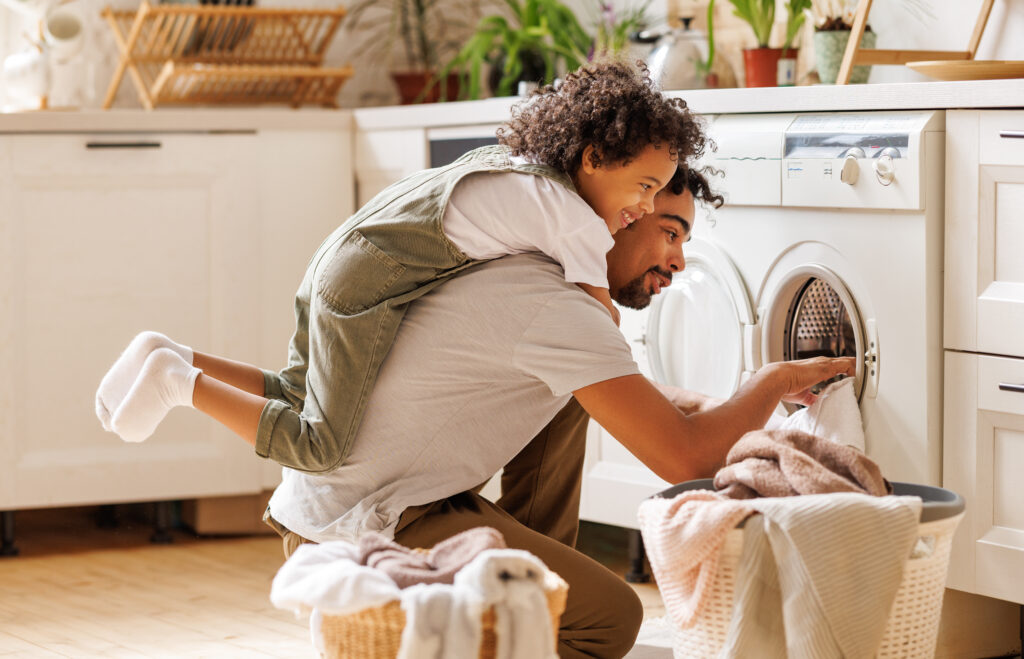
Your clothes dryer is a simple yet powerful machine. At its core, it uses heat and motion to remove moisture from clothing. After a wash cycle saturates fabric with water, the dryer pulls air through a heating coil or gas burner, pushes that heated air into the drum, and tumbles the clothes in rotation to ensure even drying. A moisture sensor—if your dryer has one—regulates how long the drying cycle continues. In theory, it’s a straightforward process. But dryers don’t discriminate by fabric or fit. Intense heat, prolonged exposure, or overloaded drums can lead to one frustrating result: shrinkage.
Why Shrinkage Happens in Fabric
Shrinkage is more than just an annoying inconvenience. From a materials science perspective, it’s a response to how textile fibers react to heat, moisture, and agitation. Natural fibers like cotton, wool, and linen are susceptible to tension during manufacturing. When washed and dried, those fibers relax and revert to their original, smaller shape—a process often accelerated by dryer heat. Synthetics, including polyester or nylon, are less reactive thanks to heat-tolerant chemical structures. However, even they can distort in extreme heat. Inconsistent spinning or high-heat drying cycles can further stress these textiles, weakening their weave over time.
The Common Culprits: Fabrics That Frequently Shrink
Certain types of clothing almost always shrink under improper drying conditions. Cotton tops the list. T-shirts, underwear, and socks often emerge from the dryer smaller than when they went in. Wool, particularly in sweaters and outerwear, is also extremely vulnerable; wool can felt or bunch when exposed to heat and agitation. Linen clothes, prized for their breathability, are naturally rigid and will warp or shrink quickly if over-dried. Rayon, though semi-synthetic, typically shrinks like a natural fiber because of how it is produced from wood pulp. Denim shrinks slightly, especially the first few washes, but often resettles with wear. Each of these fabrics requires specific care guidelines, and disregarding them can result in shortened lifespans for your clothes—and higher wardrobe replacement costs over time.
Advantages of Using a Dryer at Home
Despite the risk of shrinkage, dryers remain indispensable. Their primary advantage is efficiency. A standard dryer can finish a load in about 30 to 50 minutes, depending on the model and cycle settings. For families managing multiple loads weekly, the time saved is significant. Dryers also remove lint, help reduce wrinkles, and kill common allergens such as dust mites—all valuable features for households with allergies or pets. With modern Energy Star-certified models, homeowners can achieve lower operating costs and energy conservation. Moreover, pairing your dryer with a smart home warranty can mitigate long-term repair expenses, making it an asset rather than a liability.
Potential Drawbacks of Dryers You Should Know
No appliance is flawless. Dryers, especially older or improperly maintained units, can become energy hogs. Using the wrong cycle for the wrong fabrics reduces efficiency and increases wear. Not cleaning the lint filter regularly creates a fire hazard. And when dryers break down, repair costs can be steep—averaging between $100 to $400 depending on the component. Besides technical issues, dryers can contribute to clothing degradation. Repeated tumbling hastens seam wear, color fading, and yes—shrinkage. Homeowners without routine appliance education often reuse default cycle settings without reexamining what each load needs, a simple mistake with costly consequences over time.
Best Practices to Prevent Clothes Shrinking
Prevention lies in understanding fabric care and dryer settings. First, always check garment labels for drying instructions. If a tag specifies “lay flat to dry” or “hang to dry,” take it seriously. Use the low heat or delicate cycle for thin or natural fiber garments. If your dryer has moisture sensors, engage them; they stop the machine once optimal dryness is achieved. Avoid overloading the dryer, as it prevents even circulation and forces longer drying times. And if you’re in doubt, air drying is always safest. Small adjustments in how you sort, fold, and dry can preserve fabric integrity and soften long-term energy costs and clothing replacements.
When to Repair, Replace or Protect with a Warranty
Dryers don’t last forever. On average, the lifespan of a well-maintained dryer ranges from 10 to 13 years. Common signs of wear include unexplainably longer drying times, loud tumbles, damp clothes after a full cycle, or a complete system failure. When these issues occur, homeowners face a choice: repair, replace, or warranty-cover the damage. Repairs—such as fixing a faulty heating element or motor—can be moderately expensive. Replacing the entire unit is often the next step if repair costs approach 50 percent of the original price. Protecting this appliance with a home warranty is a preventative financial decision. A warranty efficiently absorbs the repair costs of covered systems, removes guesswork, and facilitates access to trusted technicians—ultimately giving homeowners control, not surprises.
Protect Your Dryer and Home Systems with Armadillo
Clothing shrinkage may begin in your laundry room, but its root cause often involves misused or misunderstood appliances. A dryer that operates irregularly or fails entirely can lead to lost time, inconveniences, and unnecessary expenses. That’s where a dependable home warranty comes into play. Armadillo helps homeowners get ahead of costly dryer repairs and protect the rest of their home systems. With customizable plans, transparent pricing, and trusted service providers, Armadillo ensures your home’s core appliances—including your dryer—remain functional without financial strain. Start by learning more at www.armadillo.one, or customize your protection plan today at this link. Smart fabric care starts with smart home protection.