What Does It Actually Cost to Replace a Central Air Conditioning Unit?
If your air conditioner just gave out in the middle of July, the last thing you want to hear is a number that makes your stomach drop. But here is the reality — replacing a central AC unit is one of the more expensive home repairs a homeowner can face, and going in without context makes it worse. The average cost to replace a central air conditioning unit falls somewhere between $3,800 and $7,500, though that number can climb past $10,000 depending on system size, home layout, and the equipment you choose. Understanding what drives that number — and how to protect yourself from absorbing it all at once — is genuinely worth your time.
How a Central Air Conditioning System Actually Works
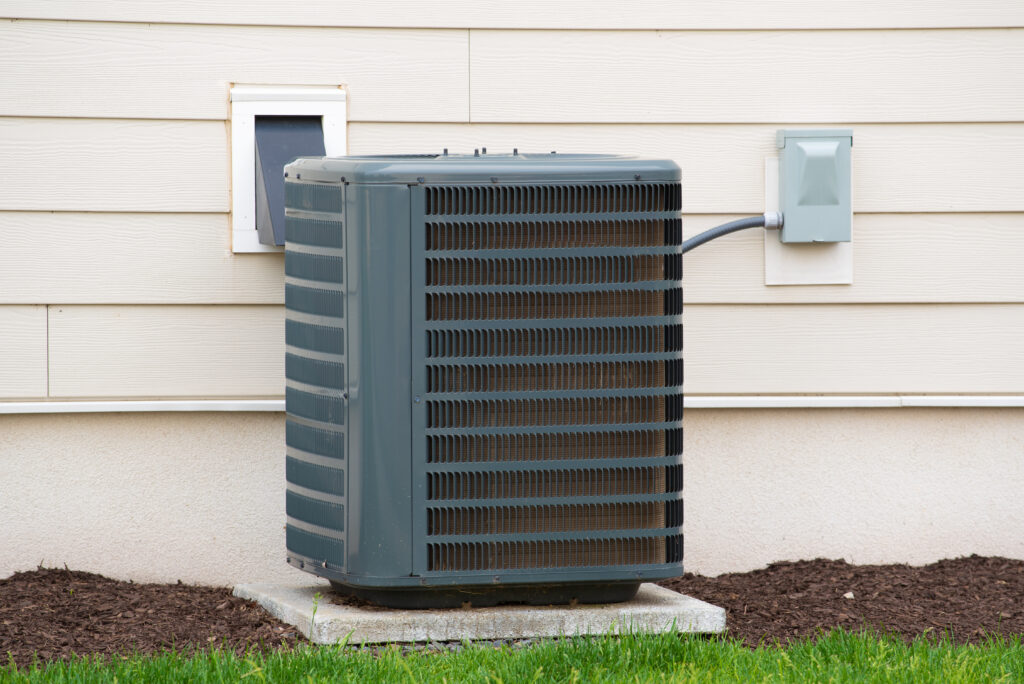
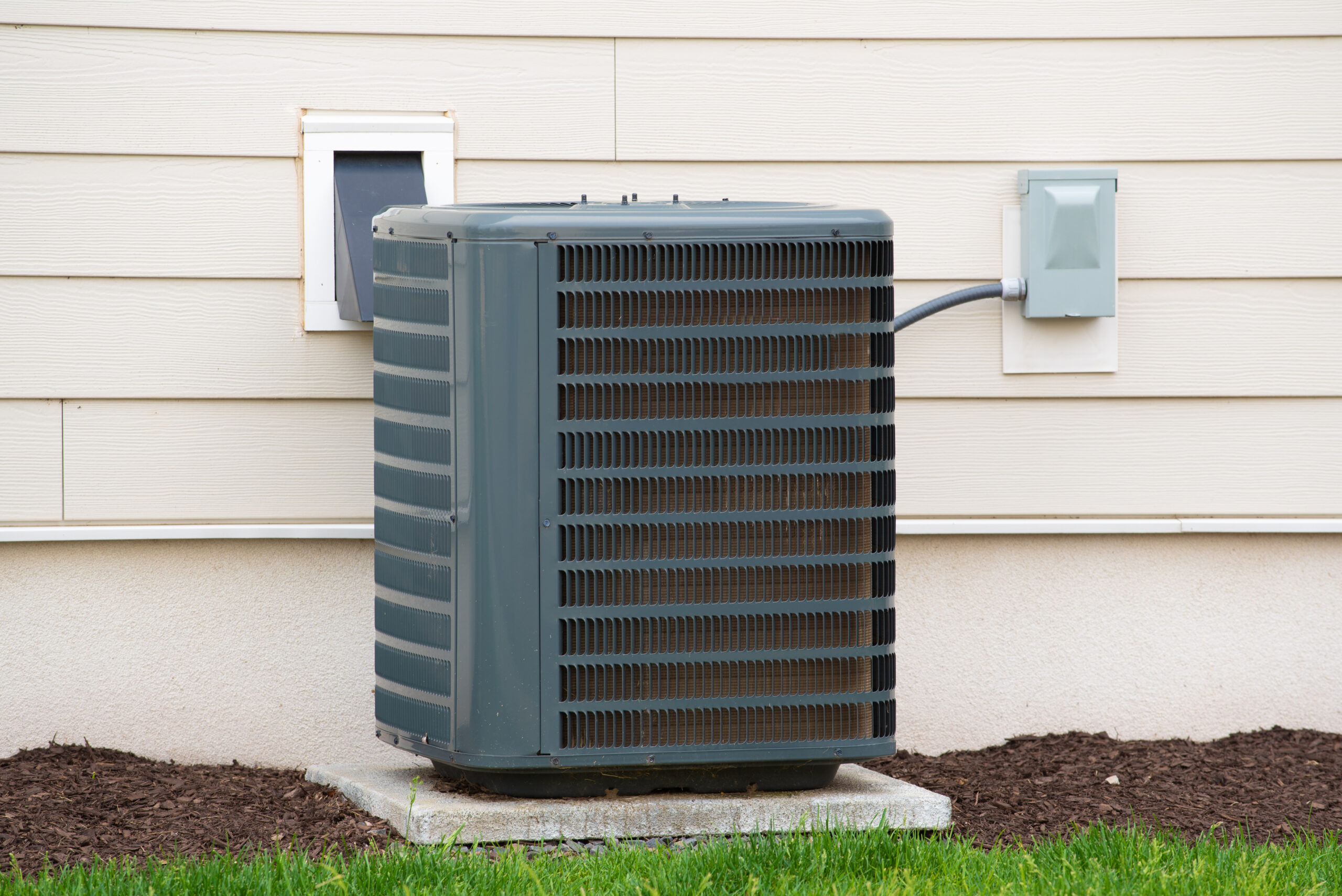
Before diving into replacement costs, it helps to understand what you are actually paying for. A central AC system works by pulling warm air from inside your home, running it across a refrigerant-filled evaporator coil to remove heat and humidity, and then cycling the cooled air back through your ductwork. The heat that gets absorbed is transferred outside through a condenser unit — that boxy thing sitting next to your house. There is also a compressor involved, which is essentially the heart of the whole operation. When people say they need to replace their AC unit, they might mean just the outdoor condenser, just the indoor air handler, or the entire system. That distinction matters a lot when it comes to what you will spend.
Breaking Down the Cost to Replace a C Unit
The term “C unit” is shorthand in the HVAC industry for the condensing unit — the outdoor component of a split air conditioning system. Replacing just the condenser unit typically runs between $1,500 and $4,000 for the equipment alone. Add labor, refrigerant, and any necessary electrical work, and you are looking at $2,000 to $5,500 total in most markets. If the entire system needs replacement — both indoor and outdoor components — that range expands considerably. Here is a quick snapshot of what drives the final number:
- System size (measured in tons): A 2-ton unit costs less than a 5-ton unit
- SEER2 efficiency rating: Higher efficiency equipment costs more upfront but saves on energy bills
- Brand and warranty tier: Premium manufacturers carry a price premium
- Labor rates in your region: HVAC labor in urban markets runs higher than rural areas
- Existing ductwork condition: Damaged or undersized ducts can add significant cost
- Permits and inspections: Often required and frequently overlooked in initial estimates

Key Advantages of Replacing Your AC Unit When the Time Comes
Nobody loves writing a large check for home repairs, but a full AC replacement does come with real advantages that a repair simply cannot deliver. Newer systems operate at significantly higher efficiency levels. The current minimum SEER2 standard is 13.4 in most regions, and many modern units hit 18 to 22 SEER2, which translates to meaningful monthly savings on your energy bill. Newer equipment also tends to run quieter, use environmentally preferable refrigerants like R-410A or R-32, and come with manufacturer warranties of five to ten years on parts. If your current system is more than fifteen years old, replacement is almost always the financially smarter move over continued repairs.
Common Drawbacks and Hidden Costs to Watch For
Replacing an AC unit is not without its complications. One of the most common issues homeowners encounter is a mismatched system — when only one component is replaced, the new and old equipment may not be compatible, which reduces efficiency and can void warranties. Another overlooked cost is refrigerant. Older systems using R-22 refrigerant are expensive to service because R-22 is being phased out and is increasingly scarce. If your old system used R-22, full replacement is often the only realistic path. Installation quality also varies significantly between contractors. A poorly sized or incorrectly installed system will underperform regardless of how much you spent on the equipment. Getting multiple quotes and verifying contractor credentials is not optional — it is essential.
How to Know If You Need a Repair or a Full Replacement
There is a practical formula that HVAC professionals often use: multiply the age of the unit by the estimated repair cost. If that number exceeds $5,000, replacement is generally the better investment. Outside of that formula, there are clear signals that replacement makes sense. Frequent breakdowns over the past two years, refrigerant leaks in the coil, a compressor failure in a system older than ten years, or rising energy bills without explanation — these all point toward replacement rather than repair. A trusted HVAC technician can run a full diagnostic, but it pays to walk into that conversation already knowing what questions to ask.
What to Expect During the Replacement Process
A standard central AC replacement takes one full day for a seasoned crew. The process involves removing the old outdoor condensing unit and, if applicable, the indoor air handler or evaporator coil. New refrigerant lines may need to be installed, the electrical disconnect and breaker may need upgrading, and the system will need to be charged with refrigerant and tested thoroughly before the technician leaves. Some installations require a permit and follow-up inspection from your local municipality. Do not skip the permit process — it protects you at resale and ensures the work was done to code. A good contractor will pull the permit on your behalf as part of the job.
Tips for Reducing the Cost of AC Unit Replacement
There are legitimate ways to reduce what you spend without cutting corners on quality. Replacing your system in the off-season — typically fall or early spring — often results in better pricing and more scheduling flexibility from contractors. Federal tax credits are currently available for certain high-efficiency HVAC equipment under the Inflation Reduction Act, which can offset several hundred dollars of the total cost. Utility companies in many regions also offer rebates for qualifying systems. Getting at least three written quotes from licensed contractors is non-negotiable. And if your ductwork is in reasonable condition, communicate clearly that you are not looking to replace it unless diagnostics confirm otherwise.
Why Home Warranty Coverage for Your AC Unit Is Worth Considering
This is where a lot of homeowners wish they had planned ahead. A central AC failure is not a question of if — it is a question of when. The average lifespan of a central AC system is fifteen to twenty years, and most homeowners are not setting aside thousands of dollars in anticipation of that eventual failure. That is exactly the gap a home warranty is designed to fill. A quality home warranty plan covers the repair or replacement of major home systems, including your central air conditioning, when they fail due to normal wear and tear. The cost of an annual plan is a fraction of a single AC replacement, and the peace of mind it provides during peak summer heat is genuinely worth pricing out.
Why Armadillo Should Be on Your Radar for AC and Home System Protection
When it comes to protecting a system as costly as your central air conditioner, the home warranty provider you choose matters as much as the coverage itself. Armadillo was built to deliver straightforward, honest home warranty protection without the fine print maze that makes so many homeowners feel burned after a claim. If you have been thinking about what it would actually mean to have coverage in place before your next AC failure, explore Armadillo’s home warranty plans for central air conditioning coverage and see how the coverage is structured before you commit to anything. The process is transparent, the pricing is clear, and the plans are built around what homeowners actually need. When you are ready to stop leaving a five-figure repair bill to chance, you can get a free home warranty quote for AC system protection in just a few minutes. No pressure, no obligation — just real numbers that help you make a smarter decision for your home.

Frequently Asked Questions About AC Unit Replacement Costs
What is the average cost to replace a central AC unit?
The average cost to replace a central AC unit ranges from $3,800 to $7,500 for most homes, including equipment and labor. Larger homes, premium equipment, or complex installations can push costs above $10,000.
How much does it cost to replace just the outdoor condensing unit?
Replacing only the outdoor condensing unit typically costs between $2,000 and $5,500 installed, depending on the unit size, refrigerant type, and local labor rates.
How long does a central AC unit last before needing replacement?
Most central air conditioning systems last between fifteen and twenty years with proper maintenance. Units older than fifteen years that require significant repairs are generally better candidates for replacement than continued service.
Is it worth repairing an AC unit or should I replace it?
A commonly used guideline is to multiply the unit’s age by the repair cost. If that number exceeds $5,000, replacement is typically the smarter financial decision. Compressor failures and refrigerant coil leaks in older systems almost always warrant full replacement.
Does homeowner’s insurance cover AC unit replacement?
Standard homeowner’s insurance does not cover AC replacement due to normal wear and tear or mechanical failure. Insurance typically covers damage caused by specific perils like fire or severe weather. A home warranty is designed to cover the mechanical breakdown that insurance excludes.
What size AC unit does my home need?
AC systems are sized in tons, with one ton of cooling capacity covering roughly 400 to 600 square feet depending on your climate, insulation, and home layout. A licensed HVAC technician should perform a load calculation — known as a Manual J — to determine the correct size for your specific home.
What SEER rating should I look for in a new AC unit?
The current federal minimum is 13.4 SEER2 in most regions, but units rated 16 SEER2 or higher offer meaningfully better efficiency. If you live in a hot climate and run your AC heavily, investing in a higher-efficiency unit delivers a faster return through lower monthly energy costs.
Can I replace just the outdoor AC unit and keep the old indoor unit?
Technically possible, but often not recommended. Mixing old and new components can reduce system efficiency, create compatibility problems, and void equipment warranties. Most HVAC professionals recommend replacing matched systems together for optimal performance.
Are there tax credits available for AC unit replacement?
Yes. Under the Inflation Reduction Act, homeowners may qualify for a federal tax credit of up to $600 for qualifying high-efficiency central air conditioning equipment. Eligibility depends on the system’s efficiency rating and installation details, so consult a tax professional for specifics.
Does a home warranty cover AC unit replacement?
Many home warranty plans cover the repair or replacement of central air conditioning systems that fail due to normal wear and tear. Coverage terms vary by provider, so it is important to review what components are included, whether there are payout caps, and how claims are processed before selecting a plan.