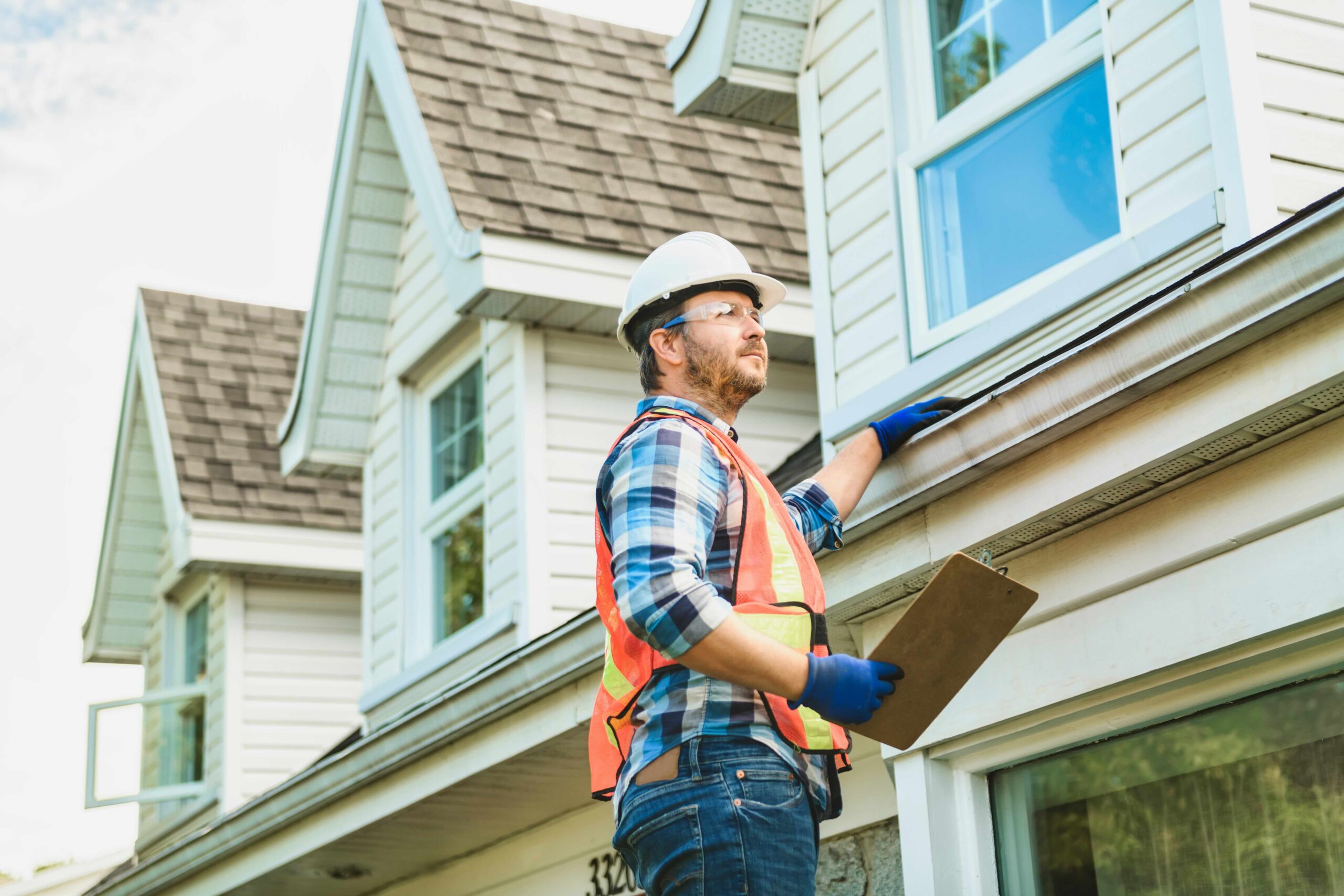
What Does It Really Cost to Winterize a Home — and Is It Worth It?
Every fall, the same question comes up for homeowners across the country: do I actually need to winterize, or is it one of those things people say but never really do? The short answer is that winterizing is absolutely worth doing, and the cost is far more manageable than most people expect. The longer answer involves understanding what winterization covers, what you will realistically spend, and how to protect yourself from the kinds of repair bills that can show up when temperatures drop and pipes freeze without warning. This article breaks all of that down in a way that actually makes sense.
What Winterizing a Home Actually Means
Winterizing a home is the process of preparing your property’s systems, appliances, and structure for cold weather conditions. It covers a wide range of tasks depending on where you live, how old your home is, and which systems are most vulnerable. In colder climates, this might mean insulating pipes, draining outdoor water lines, servicing your heating system, sealing gaps around windows and doors, and checking your roof for weak spots before the first snow hits. In milder climates, the scope is smaller but the work still matters. The goal is simple: prevent cold weather from damaging your home’s core systems before the damage becomes expensive.
The Average Cost to Winterize a Home
Here is where things get interesting, because the numbers vary quite a bit. On the lower end, a homeowner who handles most tasks themselves might spend between $100 and $300 on materials. If you hire professionals to do the work, total winterization costs typically fall somewhere between $200 and $600 for a standard single-family home. That said, certain tasks carry their own price tags. Heating system tune-ups generally run between $80 and $150. Pipe insulation can cost $50 to $200 depending on the scope. Weatherstripping and window sealing might add another $50 to $150. Roof inspections typically start around $150 to $300. When you look at the full picture, most homeowners are looking at somewhere in the $300 to $700 range when hiring out a combination of services. That investment is modest compared to what a single burst pipe repair can cost, which often runs $1,000 or more.
Breaking Down the Key Winterization Tasks
Not all winterization work is created equal. Some tasks are purely preventive, while others are more urgently tied to avoiding catastrophic damage. The most commonly recommended steps include the following areas of focus:
- Heating system inspection and tune-up to ensure your furnace or heat pump is operating efficiently before it gets put to work daily
- Pipe insulation in unheated spaces like crawl spaces, garages, and basements to reduce freeze risk
- Outdoor faucet and irrigation system draining to prevent standing water from expanding and cracking lines
- Weatherstripping and caulking around doors and windows to cut drafts and reduce heating costs
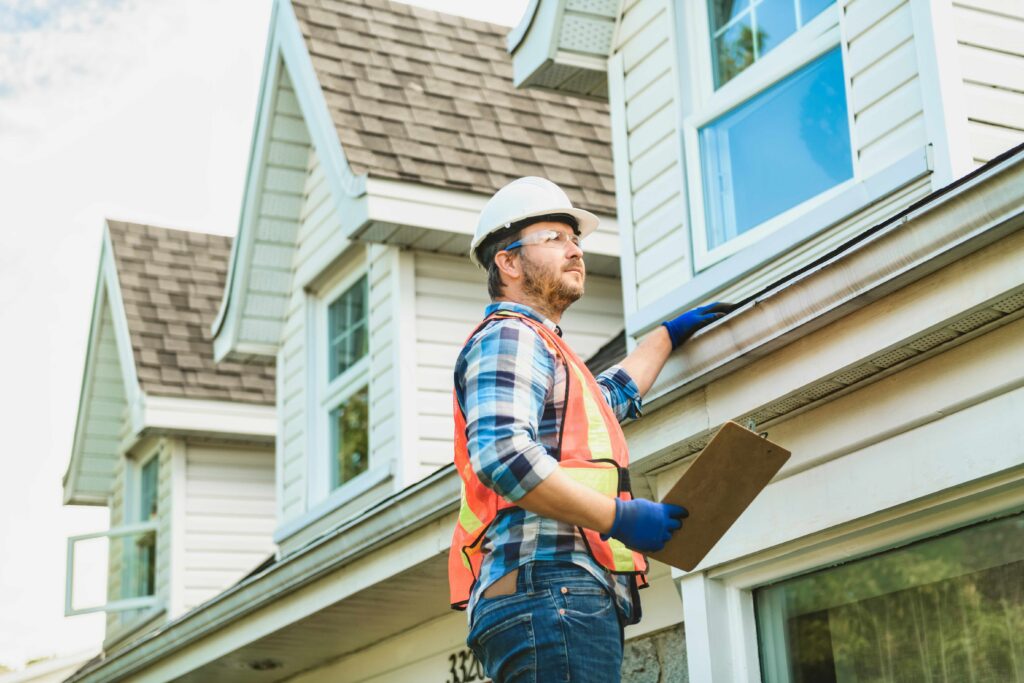
- Gutter cleaning and roof inspection to manage ice dam risk and water intrusion from snow melt
- Attic insulation check to keep warm air inside where it belongs
- Water heater inspection to confirm efficiency before demand increases in winter months
Each of these tasks addresses a specific vulnerability. Skipping even one of them can create a gap that winter is more than happy to exploit.
The Advantages of Winterizing Early and Consistently
Winterizing your home is one of those maintenance habits that pays compound interest. When you do it consistently, year after year, you accumulate knowledge about your home’s weak spots. You also catch developing issues before they become emergencies. A water heater that is starting to show sediment buildup in October is a much easier and cheaper fix than a flooded utility closet in January. There is also a real energy efficiency benefit here. Sealing drafts and insulating properly can reduce heating costs meaningfully over the course of a winter, with some estimates suggesting savings of 10 to 20 percent on monthly utility bills. That alone can offset the cost of the winterization work itself within the same season.

Common Drawbacks and Limitations to Know
Winterization is not a guarantee against repair costs, and it is worth being honest about that. Even a well-prepared home can experience problems when temperatures drop faster or lower than expected. Older homes with outdated plumbing or insulation can be harder to fully protect without more significant investment. There is also the matter of timing. If you wait too long into the fall season, some services become harder to schedule as contractors get backed up. And for homeowners who manage vacation properties or seasonal rentals, winterization needs are more complex and often more expensive because those homes sit unoccupied for long stretches. The work still matters, but the scope and cost can scale up considerably.
DIY Winterization Versus Hiring a Professional
Many winterization tasks are completely manageable as DIY projects. Caulking windows, insulating accessible pipes, cleaning gutters, and replacing weatherstripping are all within reach for a homeowner with basic tools and a few hours. The cost savings from doing these yourself are real. On the other hand, heating system maintenance, roof inspections, and anything involving gas lines or major electrical components should stay in professional hands. The risk of a DIY mistake in those areas dramatically outweighs the cost of hiring someone qualified. A good approach is to handle the straightforward weatherproofing tasks yourself and budget for professional inspections on the systems that matter most, specifically your HVAC, your roof, and your water heater.
What Happens When You Skip Winterization
This part is uncomfortable but worth understanding. Homeowners who skip winterization consistently are not just rolling the dice on a single season. They are allowing deferred vulnerabilities to compound. A small crack in pipe insulation might not cause a problem in a mild winter. That same crack, left unaddressed, becomes a burst pipe during the first hard freeze of the following year. Roof damage from ice dams can take seasons to show up as visible interior water damage. By then, the underlying structural issue is significantly worse than it would have been with a simple fall inspection. The pattern is consistent: the cost of prevention is almost always a fraction of the cost of repair.
How a Home Warranty Connects to Winterization
This is a connection that a lot of homeowners miss. Winterization addresses the physical preparation of your home, but it does not eliminate the possibility of covered systems or appliances breaking down during winter. Your furnace can be freshly serviced in October and still develop a mechanical failure in February. Your water heater can pass inspection and still need to be replaced before spring. This is exactly where a home warranty steps in. A home warranty covers the repair or replacement of major systems and appliances when they fail due to normal wear and tear, which is something winterization simply cannot prevent. The two work best together: winterization reduces your risk, and a home warranty manages the financial exposure that remains.
Why Armadillo Belongs in Your Winter Home Protection Plan
When winter arrives and something breaks down, the last thing you want is to be navigating repair costs without a plan. Armadillo’s home warranty coverage for heating systems, appliances, and major home systems is built for exactly those moments. Armadillo keeps things straightforward: honest coverage, clear terms, and a claims process that does not make you feel like you need a legal degree to understand. Whether your furnace decides to stop working on the coldest night of the year or your water heater finally gives out after a hard winter, having the right coverage in place makes a measurable difference. If you are serious about protecting your home this season, take a few minutes to get a free home warranty quote tailored to your home’s systems and location. It costs nothing to find out what coverage looks like for your specific situation, and it could save you significantly when something goes wrong.

Frequently Asked Questions About Winterizing a Home
Real answers to the questions homeowners actually ask when preparing their homes for cold weather.
How much does it cost to winterize a house on average?
Most homeowners spend between $200 and $700 to winterize a home when hiring professionals for key tasks. DIY approaches can bring that cost down to $100 to $300 in materials, depending on the scope of work needed.
When should I start winterizing my home?
The ideal window is early to mid-fall, typically September through October in most climates. Starting early gives you time to schedule professional services before contractors get fully booked and before temperatures drop unexpectedly.
Does winterizing a home actually save money?
Yes. Proper insulation and air sealing can reduce heating costs by 10 to 20 percent in a single season, and preventing a single burst pipe or HVAC failure can save thousands in repair costs that far exceed what winterization costs.
What is the most important part of winterizing a home?
Heating system maintenance is generally considered the highest priority. A furnace or heat pump failure in the middle of winter is both uncomfortable and expensive. Annual servicing before cold weather hits is the single most impactful step most homeowners can take.
Can I winterize my home myself?
Yes, for many tasks. Caulking, weatherstripping, pipe insulation, and gutter cleaning are all manageable as DIY projects. Heating system servicing, roof inspections, and anything involving gas lines should be handled by qualified professionals.
What happens if I do not winterize my home?
Skipping winterization increases the risk of frozen pipes, heating system failures, roof damage from ice dams, drafts that drive up energy costs, and water intrusion from inadequately sealed entry points. These repairs consistently cost far more than preventive maintenance.
Does a home warranty cover winterization costs?
No. Home warranties cover the repair or replacement of covered systems and appliances when they fail due to normal wear and tear. Winterization is considered routine maintenance and falls outside the scope of most home warranty policies.
Does a home warranty cover my furnace if it breaks in winter?
In most cases, yes, as long as the failure is due to normal wear and tear rather than neglect or pre-existing conditions excluded from the policy. This is one of the most valuable aspects of having a home warranty heading into cold weather months.
How much does it cost to insulate pipes for winter?
Pipe insulation materials are relatively inexpensive, typically ranging from $50 to $200 depending on how many linear feet need coverage. Professional installation adds to that cost but is often worth it for hard-to-reach areas like crawl spaces.
Is winterizing a vacation home different from a primary residence?
Yes, significantly. Vacation homes that sit unoccupied during winter require more thorough preparation, including draining the entire plumbing system in some cases, setting thermostat minimums, and securing the property against weather-related damage without regular human oversight to catch issues early.