What Is Rekeying? A Homeowner’s Guide to This Smart Security Move
You just bought a house. You’re excited, you’re exhausted, and somewhere in the back of your mind there’s a quiet but persistent thought — how many people have keys to this place? The previous owners, their relatives, the neighbor who fed the cat, the contractor who never returned their copy. That’s where rekeying comes in. It’s one of the most practical and often overlooked things a homeowner can do, and it matters more than most people realize when they’re moving in or reassessing their home’s security.
What Does Rekeying Mean, Exactly?
Rekeying a lock means changing the internal configuration of an existing lock cylinder so that the old key no longer works and a new key is required to operate it. The lock hardware itself stays in place — the deadbolt, the handle, the faceplate — none of that gets replaced. What changes are the tiny spring-loaded pins inside the cylinder. A locksmith adjusts the pin configuration to match a new key cut, effectively making every previous key useless. It’s a targeted fix, not a full overhaul. That distinction is important because it means rekeying is almost always faster and less expensive than a full lock replacement.
How Does the Rekeying Process Actually Work?
Here’s a simplified version of what happens during a rekeying service. A locksmith removes the lock cylinder from the door hardware. Then, using a specialized tool called a follower, they extract the cylinder plug — that’s the rotating part where you insert the key. Inside the plug are a series of driver pins and key pins of varying heights. The locksmith removes these pins and replaces them with a new set calibrated to a different key cut. When the new key is inserted, it pushes those pins to the correct height to allow the cylinder to rotate. The old key? It pushes the pins to the wrong heights, so it does nothing. The whole process typically takes 15 to 30 minutes per lock and requires no major tools or door modifications.
Key Advantages of Rekeying Your Home Locks
There are several compelling reasons homeowners turn to rekeying rather than replacing their locks entirely. Understanding these benefits helps frame why this option is worth serious consideration.
- Cost efficiency: Rekeying is significantly less expensive than replacing locks, often costing a fraction of the price since the hardware remains unchanged.
- Speed: Most rekeying jobs are completed quickly, sometimes in under an hour for an entire home.
- Key control: After rekeying, you know with certainty who holds a working key to your home.
- Convenience: A locksmith can rekey multiple locks to work on a single key, reducing the number of keys you carry.
- Security restoration: If keys have been lost, stolen, or distributed without your knowledge, rekeying immediately restores your control.
Common Situations That Call for Rekeying
Rekeying is not just a move-in step, though it should absolutely happen when you buy a home. There are other moments in a homeowner’s life when rekeying becomes genuinely necessary. If you’ve ended a relationship with someone who had access to your home, rekeying eliminates the need for an awkward key retrieval conversation. If a contractor or house sitter had a copy of your key, rekeying closes that access permanently. If you’ve lost a key and cannot confirm it has not been found, rekeying is the responsible response. Even routine transitions like property management changes or tenant turnovers for those who rent out space in their home make rekeying a logical step.

Rekeying Versus Replacing Locks: Understanding the Difference
This is where homeowners often get stuck. Rekeying is the right move when your existing lock hardware is in good working condition and you simply want to control who has access. Lock replacement is the better option when the lock mechanism itself is damaged, worn out, or when you want to upgrade to a higher-security lock grade. If your deadbolt is a basic builder-grade lock and you want a Grade 1 commercial-level deadbolt for improved kick-in resistance, that’s a replacement scenario. But if your hardware is solid and your only concern is key accountability, rekeying is the smarter, more economical path. The two options are not in competition — they solve different problems.
Can Homeowners Rekey Locks Themselves?
Technically, yes. DIY rekeying kits exist and are sold for common lock brands like Kwikset and Schlage. These kits include replacement pins, a follower tool, and instructions. That said, the process is fiddly. Pins are small, springs are easily lost, and one mis-sized pin means the lock will not function correctly. Unless you’re comfortable with detail-oriented mechanical tasks and have some patience for the learning curve, hiring a licensed locksmith is the more reliable route. A professional also brings the advantage of having the right pin kits on hand for a wide variety of lock brands and can rekey multiple locks in a single visit, often at a combined rate.
What Rekeying Does Not Cover
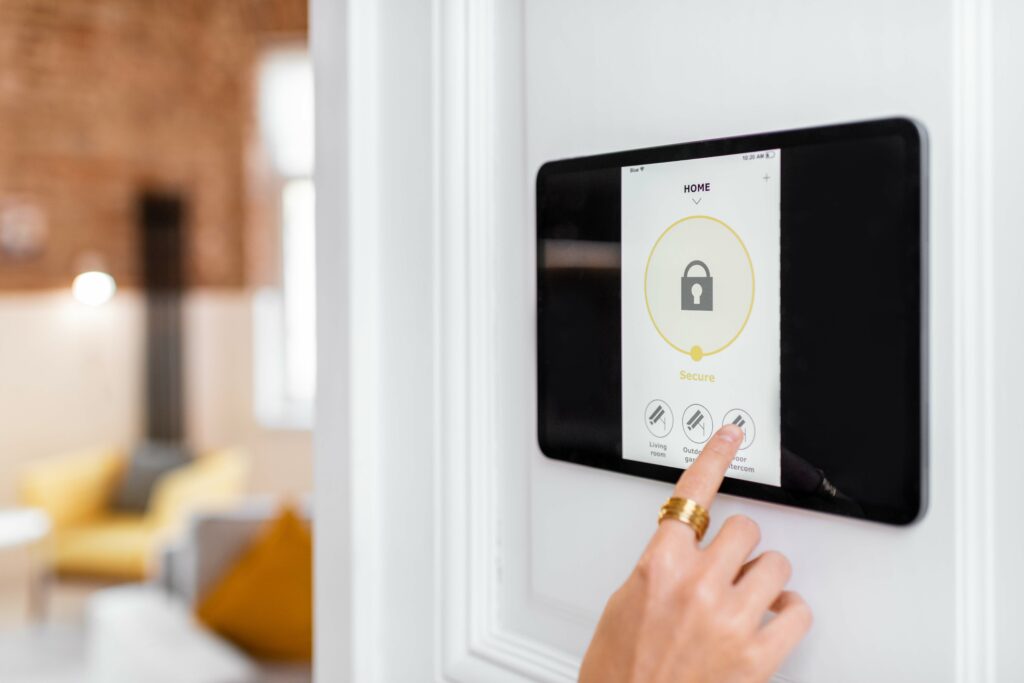
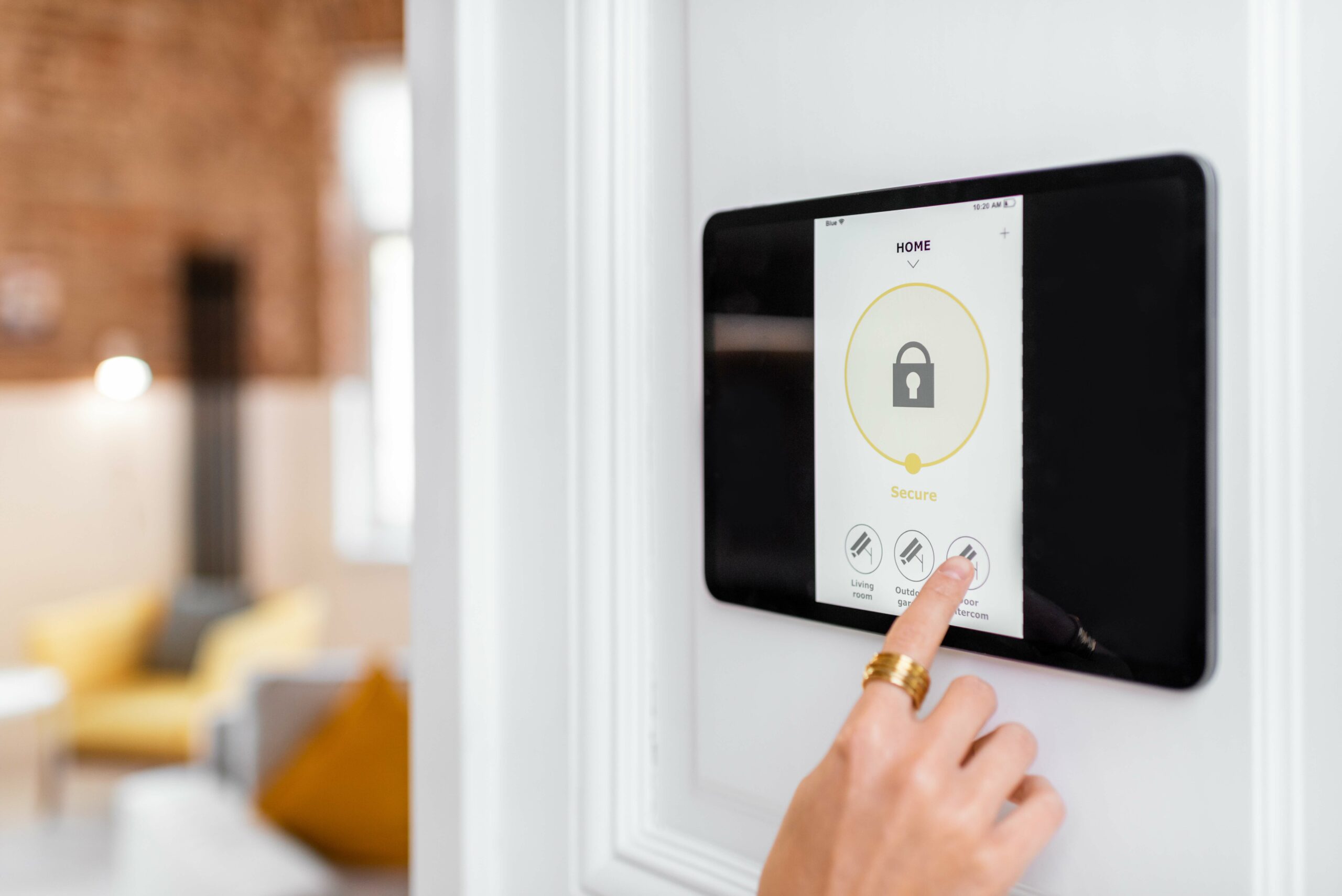
It is worth being direct about the limitations here. Rekeying changes who can use a key to access your home. It does not reinforce the door frame against forced entry. It does not upgrade the lock grade or improve resistance to picking, bumping, or drilling. And it does nothing for smart locks, garage doors, or any access point that doesn’t use a traditional keyed cylinder. If your home security goals go beyond key accountability — and they probably should — rekeying is one layer of a broader strategy that might also include door frame reinforcement, deadbolt upgrades, and monitored security systems.
How Rekeying Fits Into Your Overall Home Maintenance Picture
Home maintenance is often thought of in terms of systems — HVAC, plumbing, electrical, roofing. Security tends to get siloed as something separate, but it is very much part of the larger picture of maintaining a safe, functional home. Rekeying sits comfortably alongside tasks like changing smoke detector batteries, testing GFCI outlets, and flushing water heaters. It is a low-cost, high-impact maintenance task that homeowners should revisit any time there is a meaningful change in who has had access to their property. Treating it as a routine consideration rather than a reaction to a crisis is a mature approach to home ownership.
How Armadillo Supports Homeowners Who Take Their Home Seriously
Rekeying is the kind of decision that reflects a broader mindset — one where homeowners take proactive control of their property instead of waiting for problems to find them. That same mindset is exactly why Armadillo’s home warranty plans for proactive homeowners are worth a close look. A home warranty covers the systems and appliances that keep your home running — things like your HVAC, plumbing, electrical systems, and major appliances — so that when something breaks down unexpectedly, you are not scrambling for repair funds. Just as rekeying gives you control over who accesses your home, a home warranty gives you control over how you respond to the inevitable wear and tear that comes with ownership. If you are ready to put that same proactive energy into protecting your home systems, get a free home warranty quote and find a plan that fits your home in just a few minutes. Home protection is not one-size-fits-all, and Armadillo is built around that understanding.

Frequently Asked Questions About Rekeying
These are the questions homeowners ask most often when they start looking into rekeying, answered clearly and without the runaround.
How much does it cost to rekey a lock?
The cost typically ranges from $15 to $25 per lock when done by a locksmith, plus a service call fee that usually runs between $50 and $100. Rekeying an entire home with four to six locks generally costs between $100 and $200 total, which is considerably less than replacing all the hardware.
How long does it take to rekey a house?
A trained locksmith can rekey a typical home in 30 minutes to an hour depending on the number of locks and how accessible they are. Individual locks take roughly 10 to 15 minutes each once the locksmith is on site.
Does rekeying make a lock more secure?
Rekeying restores key control and eliminates the risk of unauthorized access through copied or unreturned keys. It does not inherently improve the physical security rating of the lock itself. For enhanced security, rekeying should be paired with high-grade deadbolts and reinforced door frames.
Can all locks be rekeyed?
Most traditional pin tumbler locks can be rekeyed. Some specialized or very low-quality locks may not support rekeying. Smart locks, keypad locks, and certain high-security locks may require different procedures or professional assessment.
Should I rekey or replace locks when buying a new home?
Rekeying is the recommended first step when purchasing a home, as it is cost-effective and immediately eliminates access for anyone who previously held a key. Lock replacement is warranted if the existing hardware is damaged, outdated, or does not meet your security standards.
Can I rekey my locks to all use the same key?
Yes. This is called keying alike or master keying, and a locksmith can configure multiple locks throughout your home to operate on a single key. It is a popular convenience upgrade for homeowners who manage multiple entry points.
Is rekeying covered by a home warranty?
Standard home warranty plans typically do not cover locksmith services or rekeying, as these fall outside the scope of mechanical system and appliance breakdowns. However, some plans may offer security-related add-ons, so it is worth reviewing the specific terms of your plan.
How often should I rekey my home locks?
There is no universal schedule. Rekeying should happen whenever there is a meaningful change in who has access to your home — moving in, ending a relationship, losing a key, or changing service providers. Treating it as a response to access changes rather than a time-based routine makes the most sense.
Can a locksmith rekey a lock without the original key?
Yes. A skilled locksmith can pick or bypass the existing lock to access the cylinder and rekey it without the original key. This may add a small amount of time and cost to the service, but it is a standard capability for licensed professionals.
What is the difference between rekeying and master keying?
Rekeying simply changes which key operates a given lock. Master keying creates a system where individual locks can each be opened by their own unique key while also being operable by a single master key. Master keying is more complex and is commonly used in multi-unit properties or homes with multiple outbuildings.