What Happens When a Plumbing Vent Gets Blocked — And Why It Matters More Than You Think
Most homeowners spend a fair amount of time thinking about their drains, their water heater, maybe even their sewer line. But the plumbing vent? That one tends to fly under the radar — right up until something goes wrong. A blocked plumbing vent is one of those problems that starts quietly and then suddenly becomes very loud, very smelly, and very expensive if ignored long enough. Understanding how this system works, what can go wrong, and what it means for your home warranty coverage is genuinely useful knowledge for any homeowner.
What Is a Plumbing Vent and How Does It Work
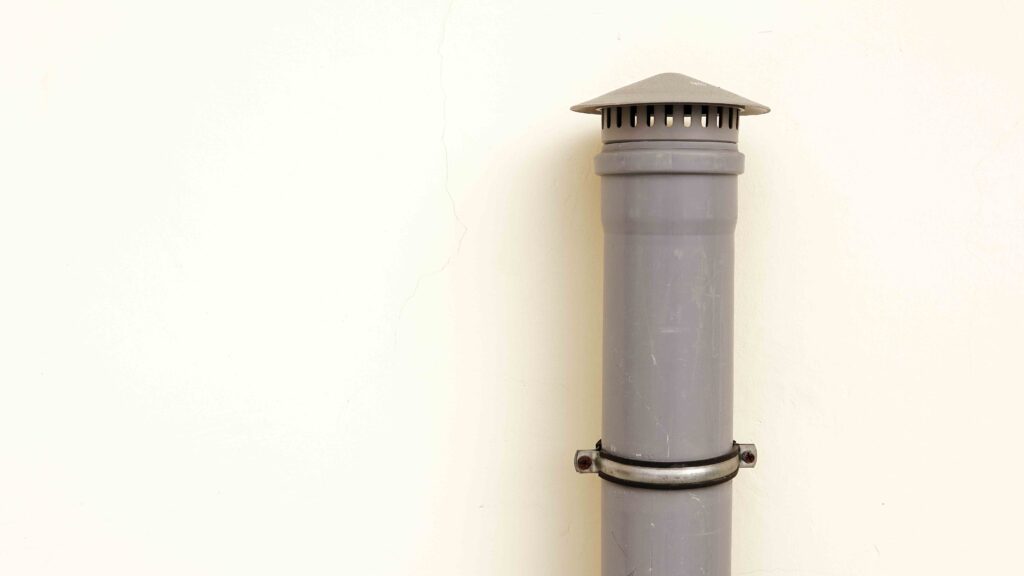
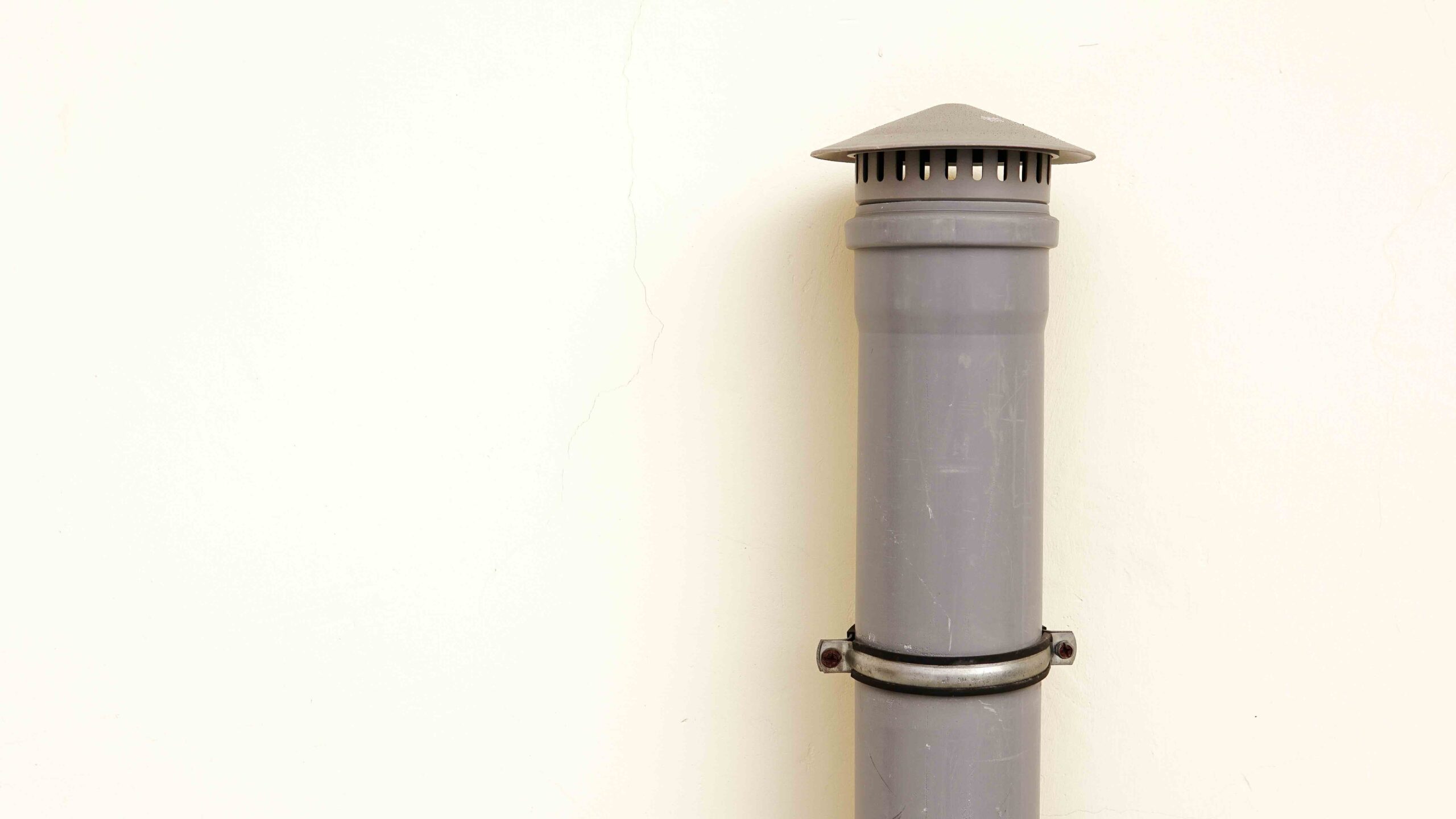
A plumbing vent — sometimes called a drain-waste-vent system or a plumbing stack — is a pipe that runs from your drain system up through the roof of your home. Its job is to regulate air pressure in the plumbing pipes and allow sewer gases to safely exit the home rather than build up inside. Every time water drains from a sink or toilet, it creates a pressure differential. Without proper venting, that pressure has nowhere to go, and the results are both unpleasant and damaging. The vent pipe is essentially the breathing mechanism of your entire plumbing system. It works silently when it is functioning correctly, which is probably why so few people know it exists until it stops doing its job.
Common Causes of a Blocked Plumbing Vent
Blockages in plumbing vents happen more often than most people realize, and the causes are pretty varied. Leaves, twigs, and debris are frequent culprits, especially in areas with mature trees close to the roofline. Bird nests are surprisingly common — the opening of a vent pipe is an attractive spot for nesting. In colder climates, ice can form at the vent opening during winter and seal it off entirely. There are also cases where improper installation leaves the vent susceptible to blockages over time. Regardless of the cause, the result is the same: a system that cannot breathe and a home that will start showing symptoms fairly quickly.
Signs Your Plumbing Vent May Be Blocked
This is where things get interesting — and a little gross. A blocked plumbing vent tends to announce itself in a few very specific ways that are worth knowing about.
- Slow drains throughout the home, not just in one fixture
- Gurgling sounds coming from toilets or drains, especially after flushing
- Sewer gas odors inside the home, often described as rotten egg smell
- Toilets that bubble or seem to lose water in the bowl over time
- Drains that seem to drain fine alone but back up when multiple fixtures run simultaneously
If one fixture is slow, it is likely a localized clog. If multiple fixtures are acting up at the same time and you are catching whiffs of something unpleasant, the vent is a strong suspect. That combination is a reliable signal that something upstream — or in this case, up on the roof — needs attention.
Why Blocked Plumbing Vents Are a Health and Safety Issue
It is easy to dismiss gurgling drains as a nuisance, but a blocked plumbing vent has real health implications. Sewer gases contain hydrogen sulfide, methane, ammonia, and other compounds that are harmful when inhaled in significant concentrations. Prolonged exposure, even at lower levels, can cause headaches, nausea, and respiratory irritation. In extreme cases, methane buildup creates a fire or explosion risk. Beyond the health angle, the pressure imbalances caused by a blocked vent can actually siphon water out of your P-traps — those curved pipe sections under sinks and toilets that act as a barrier between your home and the sewer system. Once that water seal is gone, there is nothing stopping sewer gases from flowing freely into your living space.

How Plumbing Vents Are Cleared and Repaired
Clearing a blocked plumbing vent is not always a DIY-friendly job, and that is worth saying plainly. Access typically requires getting onto the roof, which comes with its own set of safety considerations. A plumber will usually start by inspecting the vent opening for visible debris or blockage, then use a plumbing snake or high-pressure water jetting to clear whatever is causing the obstruction. In some cases, a camera inspection is warranted to assess the full extent of the problem, particularly if the blockage is deeper in the pipe. Repairs can be straightforward and relatively affordable, or they can escalate if the vent pipe itself is cracked, corroded, or improperly routed — a situation that sometimes reveals itself only after the initial blockage is addressed.
What Grounded Means in Plumbing Vent Context
In the home warranty and plumbing repair industry, the term grounded — sometimes called a grounded vent or grounded pipe — refers to a vent pipe that is obstructed at or near its base, or one that has collapsed, shifted, or become sealed off due to structural issues rather than a simple debris blockage. A grounded vent often indicates a more systemic problem with the venting configuration itself. This is a meaningful distinction because it affects both the repair approach and how a home warranty provider might categorize the claim. Grounded vent issues are generally more involved than a leaf or bird nest at the roof opening and may require partial pipe replacement or rerouting rather than a quick clearing.
Plumbing Vent Blockages and Home Warranty Coverage
Here is where homeowners often hit a wall — sometimes literally. Home warranty coverage for plumbing systems varies significantly between providers, and the specifics of how a plumbing vent blockage is classified can affect whether a claim is approved, partially covered, or denied. Most standard home warranty plans cover interior plumbing including drain lines and stoppages, but coverage for roof vents or the vent stack itself may be treated differently depending on whether the issue is considered a maintenance failure, a pre-existing condition, or a covered mechanical failure. Reading the fine print on your plan documents is essential. Knowing in advance what your plan does and does not cover for plumbing vent issues can save a significant amount of frustration when something goes wrong.
Preventive Steps Every Homeowner Should Take
Prevention is genuinely the better play here. A few simple habits can reduce the likelihood of a blocked plumbing vent considerably.
- Have your plumbing system inspected annually, including the vent stack
- Keep tree branches trimmed back from the roofline to reduce debris accumulation
- Ask your roofer to check the vent opening during any scheduled roof maintenance
- Consider installing a vent cover or screen designed to keep animals and large debris out while still allowing airflow
- Pay attention to early warning signs like slow drains or occasional gurgling before they escalate
None of these steps are particularly time-consuming or expensive, and each one reduces the risk of a blockage developing into a larger, more costly problem. The plumbing vent is easy to forget about, but a small amount of attention goes a long way.
Why Armadillo Is Worth Considering for Plumbing Protection
When plumbing issues surface — whether it is a blocked vent, a grounded stack, or the cascade of problems that follow — having solid home warranty coverage in your corner changes the experience entirely. Armadillo is built around the idea that homeowners deserve straightforward, honest protection without the runaround. If you have been reading about plumbing vent failures and thinking about what a repair bill could look like, this is a good moment to explore home warranty plans that cover plumbing systems and drain line failures. Armadillo offers real coverage backed by transparent terms, which matters when you are filing a claim at an inconvenient hour and need an answer quickly. The process of getting covered is straightforward — you can get a personalized home warranty quote for plumbing and whole-home coverage in just a few minutes. For something as unpredictable as a blocked plumbing vent, having the right plan before the problem shows up is exactly the kind of decision that pays off.

Frequently Asked Questions About Blocked Plumbing Vents
Answers to the most common questions homeowners have about plumbing vent blockages, symptoms, repairs, and home warranty coverage.
What are the most obvious signs of a blocked plumbing vent?
The most common signs include gurgling sounds from drains and toilets, slow drainage across multiple fixtures at once, sewer gas odors inside the home, and toilets that bubble after flushing. If these symptoms appear together, a blocked vent is a likely cause.
Can a blocked plumbing vent cause sewage backup?
Yes. A severely blocked vent disrupts air pressure throughout the drain system, which can contribute to slow drains escalating into partial or full sewage backups, particularly when multiple fixtures are used simultaneously.
Is it safe to use my plumbing if the vent is blocked?
Limited use is generally possible, but it is not advisable to continue normal usage for an extended period. Sewer gas exposure is a health concern, and the pressure imbalance can cause further damage to P-traps and drain lines over time.
How much does it typically cost to clear a blocked plumbing vent?
Costs vary by location and severity, but clearing a simple debris blockage can range from roughly one hundred to three hundred dollars. More complex issues involving pipe damage or rerouting can cost significantly more.
What does grounded mean when a plumber refers to a plumbing vent?
A grounded vent refers to a vent pipe that is obstructed, collapsed, or sealed near its base due to structural issues rather than surface debris. It typically requires more involved repair than a standard roof-level blockage.
Will a home warranty cover a blocked or grounded plumbing vent?
Coverage depends entirely on the specific plan. Many home warranties cover interior plumbing and drain stoppages, but vent stack issues may be treated differently. Reviewing your plan documents and asking your provider directly is the most reliable approach.
Can I clear a blocked plumbing vent myself?
Homeowners with roof access experience and appropriate safety equipment can sometimes clear surface debris from the vent opening. However, deeper blockages or suspected structural issues should be handled by a licensed plumber.
How often should plumbing vents be inspected?
An annual inspection is a reasonable standard for most homes. Homes surrounded by mature trees or located in areas with heavy snowfall may benefit from more frequent checks given the higher risk of debris and ice blockages.
Can sewer gases from a blocked vent cause a fire or explosion?
In theory, yes. Methane is a flammable gas, and in concentrated amounts it poses a combustion risk. While this scenario is uncommon in residential settings, it is one of several reasons why a blocked vent should be addressed promptly rather than monitored indefinitely.
Does a blocked plumbing vent affect all drains in the house or just some?
A main stack blockage typically affects multiple fixtures throughout the home. Blockages in branch vents serving specific areas of the house may produce symptoms limited to nearby fixtures. The pattern of which drains are affected can help a plumber identify where the problem is located.