What Is a Condensate Line and Why Should Every Homeowner Know About It?
Most homeowners know their HVAC system cools and heats the air, but very few think about what happens to the moisture that gets pulled out of the air during that process. That moisture has to go somewhere, and that is exactly where the condensate line comes in. It is one of those quiet, unglamorous parts of your home that does important work every single day, and when it stops working, it tends to make its presence known in the most inconvenient ways possible. A little water here, a ceiling stain there, or worse, a system shutdown you did not see coming. Understanding what this line does and how to keep it healthy is genuinely useful knowledge for any homeowner.
How the Condensate Line Actually Works
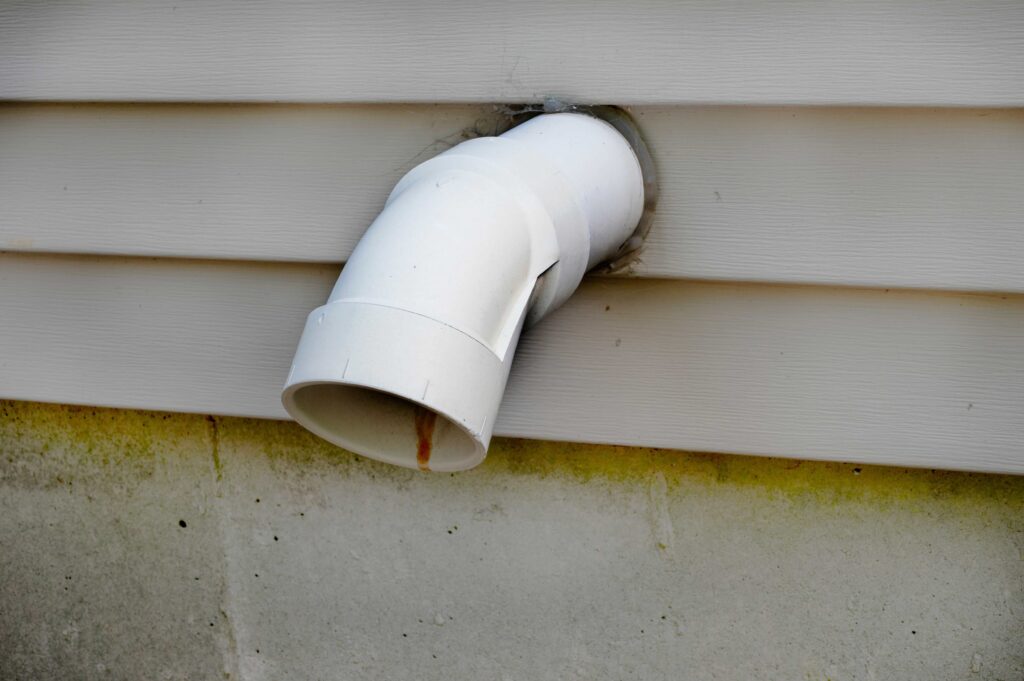
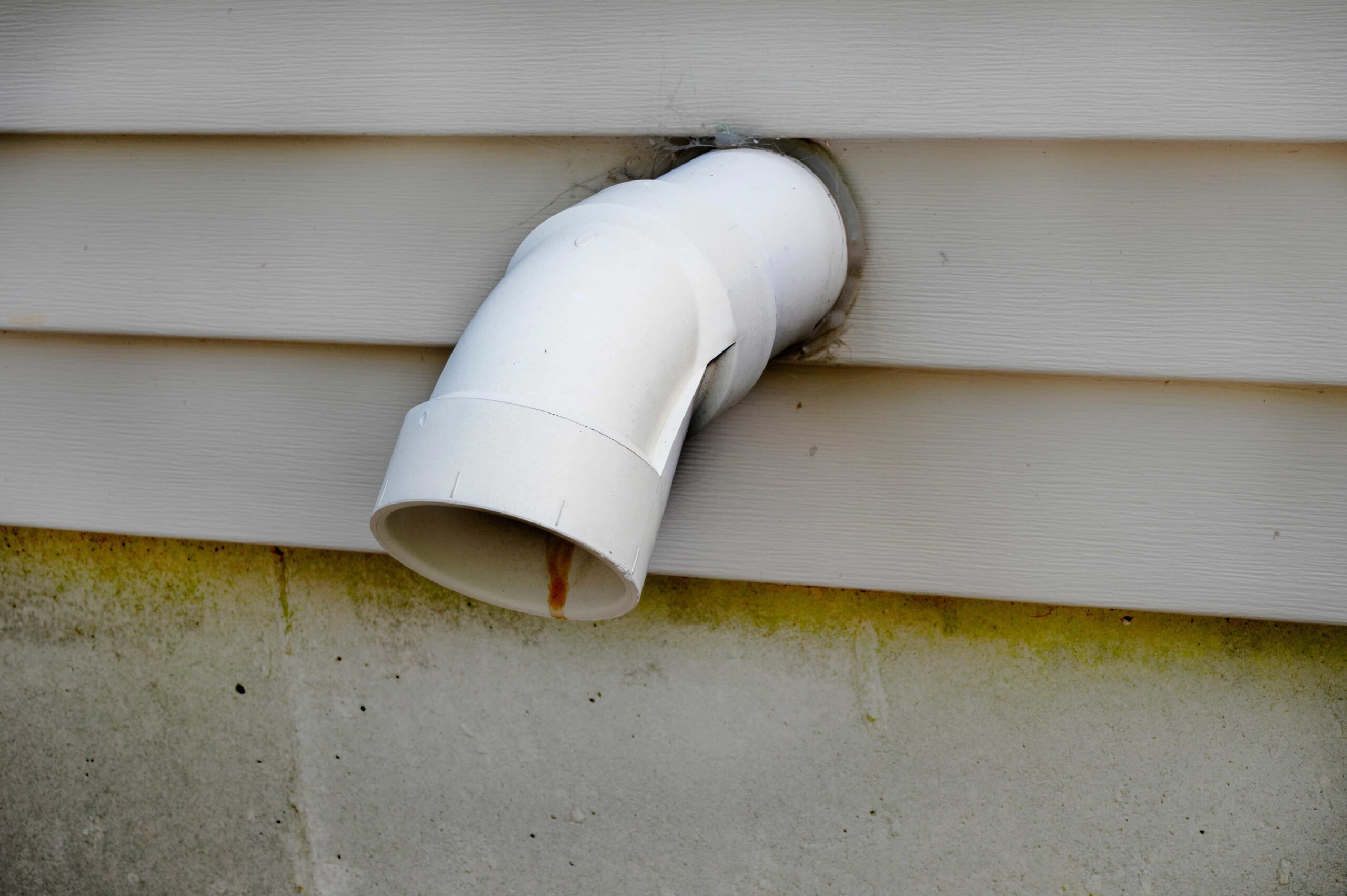
When your air conditioning system runs, it pulls warm, humid air from inside your home across the evaporator coil. That coil is cold, so moisture in the air condenses on it, much like water droplets forming on a cold glass of water on a summer afternoon. That condensation drips down into a drain pan positioned beneath the coil. From there, a pipe called the condensate drain line carries the collected water out of the unit and directs it to a safe drainage point, typically a floor drain, a utility sink, or outdoors near the foundation. The whole process runs continuously while your system is operating, and during peak cooling season, a standard central air system can produce anywhere from five to twenty gallons of condensate water per day. That is a significant volume moving through a relatively small pipe, which is part of why maintenance matters so much.
Common Condensate Line Problems Homeowners Face
The condensate line is simple by design, but simple does not mean immune to problems. The most frequent issue is a clog. Because the drain line operates in a consistently damp environment, algae, mold, mildew, and debris can build up inside the pipe over time and eventually create a blockage. When that happens, water backs up into the drain pan. Most modern systems have a float switch in the drain pan that will shut the unit down automatically once the water reaches a certain level, which is actually a protective feature. But if your system does not have that switch, or the switch fails, water can overflow the pan and cause real damage to ceilings, walls, insulation, and flooring. Beyond clogs, condensate lines can also develop cracks or disconnections at joints, especially in older systems or in areas where the pipe was not properly secured during installation.
Signs Your Condensate Line May Be Clogged or Failing
- Your air conditioner shuts off unexpectedly and will not restart, often triggered by a float switch detecting an overflowing drain pan
- You notice water pooling near your air handler or furnace, particularly around the base of the unit
- There is a musty or mildew smell coming from your vents, which can indicate standing water or biological growth in the drain pan or line
- Water stains appear on ceilings or walls near the indoor unit, suggesting overflow has already occurred
- Your home feels more humid than usual despite the air conditioner running, which may indicate reduced system efficiency tied to drainage issues
How to Maintain Your Condensate Drain Line
Routine maintenance on the condensate line is one of those genuinely easy tasks that homeowners can manage without professional help. The most widely recommended approach is flushing the line periodically with a diluted solution of distilled white vinegar or a small amount of bleach mixed with water. Pouring about a cup of this solution into the drain line access port, typically a capped pipe near the air handler, can help dissolve minor buildup and inhibit algae growth. Doing this once every one to three months during cooling season is a reasonable schedule. If you suspect a more significant clog, a wet-dry vacuum applied to the exterior end of the drain line can pull blockages out effectively. For homeowners who are less comfortable with DIY maintenance, scheduling this task as part of an annual HVAC tune-up is a perfectly practical alternative and ensures a technician also inspects the drain pan, float switch, and surrounding components.

The Cost of Ignoring Condensate Line Maintenance
It is easy to overlook something you never see, but the financial consequences of a neglected condensate line can escalate quickly. A basic drain line cleaning by an HVAC technician typically costs between seventy-five and two hundred dollars, which is completely manageable. But water damage from an overflowing drain pan is a different story. Drywall replacement, ceiling repairs, mold remediation, and potential damage to flooring or personal belongings can push repair costs into the thousands, and in many cases, homeowners insurance will not cover water damage attributed to poor maintenance. Beyond property damage, a backed-up condensate system can force your air conditioning unit to shut down entirely during the hottest stretch of summer, turning a minor maintenance task into an urgent and expensive service call.
Condensate Lines in Different HVAC Configurations
It is worth knowing that not every HVAC system handles condensate in exactly the same way. In systems where the air handler is located in a basement or on the ground floor, gravity typically does the work of moving water through the drain line to its exit point. However, when the air handler is installed in an attic or in a location where gravity drainage is not possible, a condensate pump is added to the system. This small device collects the water and pumps it upward or laterally to reach a drain point. Condensate pumps have their own maintenance considerations and can fail independently of the drain line itself. If your system uses one, it should be inspected and tested regularly just like the drain line, and its reservoir should be kept clean to prevent overflow and pump motor wear.
Secondary Drain Pans and What They Tell You
Many air conditioning systems, particularly those installed in attics, include a secondary drain pan positioned beneath the primary pan as a backup measure. This secondary pan is connected to a separate drain line, often one that terminates visibly outdoors or over a window, so that if you ever see water dripping from that location, you know immediately that your primary drainage system has failed or is overflowing. It is a smart design feature and functions as an early warning system. If you see water coming from the secondary drain line, that is not a normal operating condition. It means your primary condensate line is blocked or compromised and needs attention right away. Knowing where your secondary drain line exits your home is a simple piece of knowledge that can help you catch a developing problem before it turns into a repair bill.
Does a Home Warranty Cover the Condensate Line?
This is a question worth asking directly. Home warranty coverage for HVAC systems varies by provider and plan, but many comprehensive home warranty plans do include coverage for components of the central air conditioning system, which can encompass the condensate drain line and related components like the drain pan and condensate pump. The key is understanding what your plan specifically covers and whether failures resulting from lack of maintenance are excluded, as most warranty contracts draw a distinction between mechanical failure and maintenance-related neglect. Keeping up with basic condensate line maintenance not only protects your home but also supports your warranty eligibility when you need to file a claim for a covered system failure.
Why Armadillo Is the Right Home Warranty Partner for HVAC Protection
When something like a condensate line backup triggers a system shutdown, the last thing you want to be doing is hunting for a contractor, negotiating prices, and wondering whether you can afford the repair. That is precisely the kind of situation a well-structured home warranty is designed to handle. Armadillo home warranty plans built around HVAC system protection give homeowners a straightforward path to getting covered repairs done without the financial uncertainty that often comes with unexpected equipment failures. Armadillo brings together transparent coverage, responsive service, and an approach that actually makes sense for real homeowners managing real homes. If you want to stop dreading the moment your air conditioner stops working in the middle of August, now is a good time to take a closer look at your options. You can get a free home warranty quote that covers your air conditioning and drainage components in just a few minutes and find out exactly what protection is available for your home.

Frequently Asked Questions About Condensate Lines
These are the questions homeowners ask most often about condensate drain lines, answered directly and practically.
What is a condensate line on an air conditioner?
A condensate line is a drain pipe that carries water produced during the cooling process away from your air conditioning system. When warm air passes over the cold evaporator coil, moisture condenses and collects in a drain pan, which the condensate line then drains to a safe exit point.
How often should I clean my condensate drain line?
Most HVAC professionals recommend flushing the condensate drain line every one to three months during the cooling season. A simple flush with diluted white vinegar or a bleach-water solution is usually sufficient to prevent algae and mold buildup.
What happens if the condensate line gets clogged?
A clogged condensate line causes water to back up into the drain pan. If the pan overflows, it can damage ceilings, walls, insulation, and flooring. Many modern systems have a float switch that shuts the unit off when the pan fills up, preventing overflow but also leaving you without cooling until the clog is resolved.
Why is my AC leaking water inside the house?
Water leaking inside near the air handler is most commonly caused by a clogged condensate drain line, a cracked or overflowing drain pan, or a disconnected drain line joint. It can also be caused by a frozen evaporator coil that melts faster than the drain system can handle.
Can I unclog a condensate drain line myself?
Yes, in most cases. Using a wet-dry vacuum on the exterior end of the drain line is an effective method for pulling out clogs. Flushing the line with diluted vinegar through the access port near the air handler can also clear minor blockages. For persistent clogs, a professional technician is recommended.
What is a condensate pump and do I need one?
A condensate pump is a small device that moves collected drain water upward or horizontally when gravity drainage is not possible. Systems installed in attics or rooms without nearby floor drains typically require one. It should be inspected and cleaned regularly as part of routine HVAC maintenance.
Does homeowners insurance cover condensate line damage?
Generally, homeowners insurance covers sudden and accidental water damage but often excludes damage resulting from lack of maintenance. A clogged condensate line that overflows due to neglect may not be covered, which is one reason proactive maintenance and a home warranty plan are both valuable layers of protection.
Is the condensate line part of HVAC coverage in a home warranty?
It depends on the provider and plan. Many home warranty plans that cover central air conditioning systems include components like the condensate drain line, drain pan, and condensate pump. Reviewing the specific terms of your coverage and keeping up with maintenance helps ensure claims are not denied for maintenance-related reasons.
How do I know if my condensate line is draining properly?
You can check by observing the exterior exit point of the drain line during system operation. A small but steady trickle of water indicates the system is draining normally. No water flow on a hot, humid day when the unit has been running for a while could indicate a clog or disconnected line.
What is the secondary drain line and why is it important?
The secondary drain line is connected to a backup drain pan installed beneath the primary pan, typically in attic-mounted systems. If the primary drain line clogs and the primary pan overflows, the secondary pan catches the overflow and drains it through the secondary line. Seeing water from this secondary line is a warning that your primary drainage system needs immediate attention.