What Is a Dishwasher and Why Does Every Kitchen Deserve One
There is a moment in every homeowner’s day that quietly drains more time than it should — standing at the sink, scrubbing through a pile of dishes after an already long evening. The dishwasher exists to solve exactly that problem, and yet a surprising number of people either underutilize theirs or do not fully understand what they actually own. Whether you are considering your first built-in unit, evaluating a replacement, or just trying to get more out of the appliance humming under your counter, this guide breaks it all down in plain language. No jargon, no fluff — just what you need to know.
How a Dishwasher Actually Works
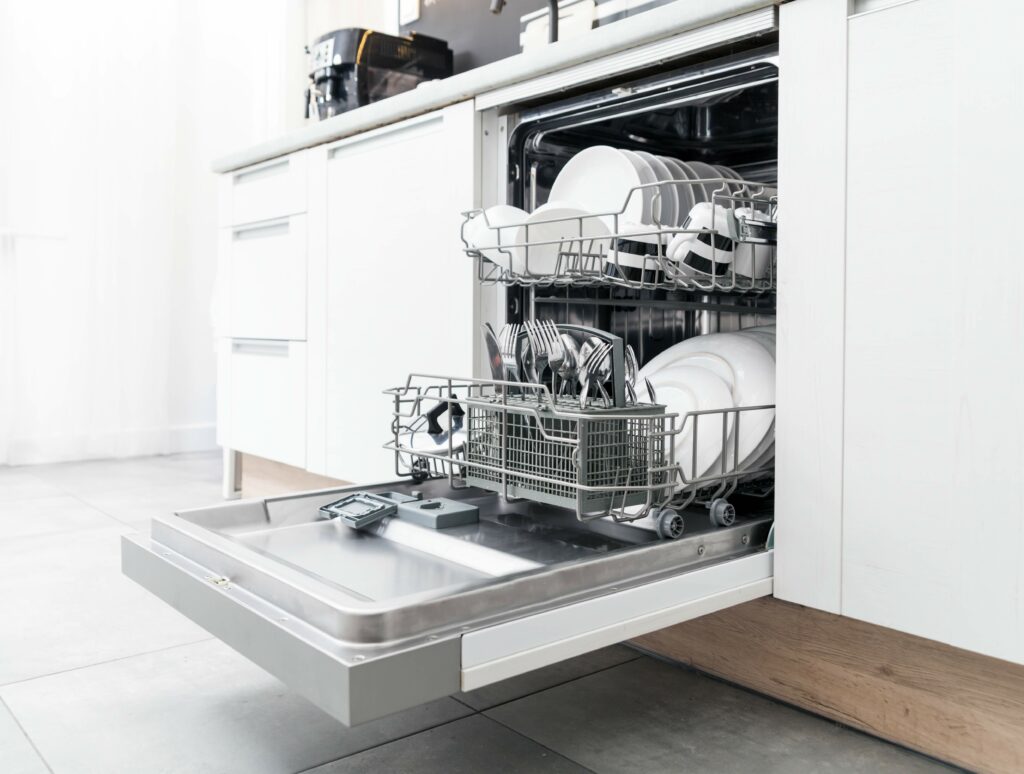
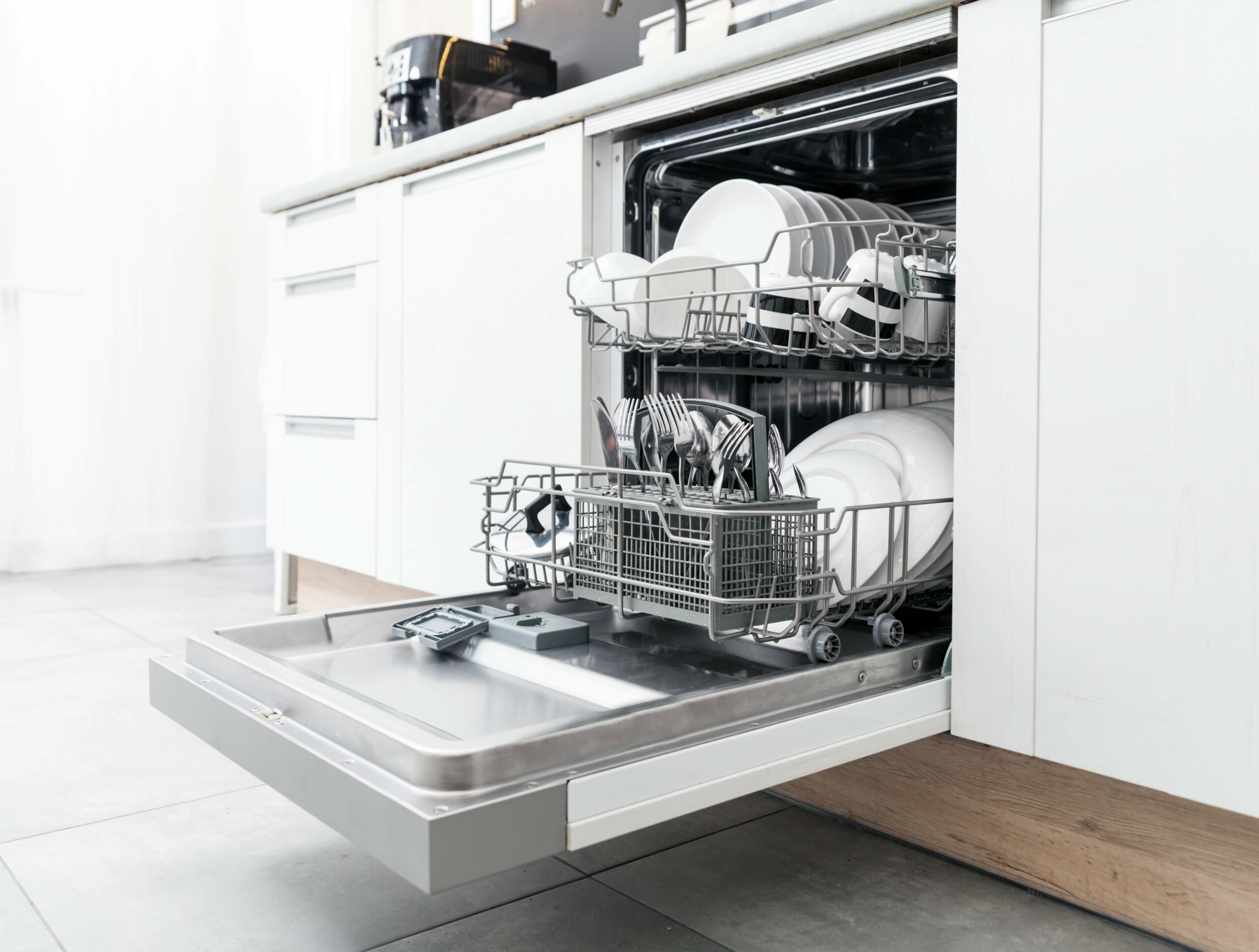
At its core, a dishwasher is a sealed appliance that uses a combination of hot water, detergent, and mechanical spray action to clean dishes without requiring manual scrubbing. When a cycle begins, the unit draws water from your home’s hot water supply line and heats it further using an internal heating element, typically reaching temperatures between 120 and 160 degrees Fahrenheit. A pump then forces that water through rotating spray arms positioned at the bottom and sometimes the top of the interior. Those arms distribute pressurized streams across every surface in the loaded racks. After the wash phase, the machine drains, refills for a rinse cycle, then either air-dries or uses the heating element again to speed up drying. The whole process takes anywhere from 30 minutes on an express setting to two or more hours on a heavy-duty or sanitizing cycle. It is a tightly coordinated sequence, and when every component functions correctly, the results speak for themselves.
Types of Dishwashers You Will Encounter
The appliance market offers more variety here than most homeowners realize. Understanding the options helps clarify what might work best for your space and household size.
- Built-in dishwashers are the most common type, installed permanently beneath a kitchen counter and connected directly to the plumbing and electrical systems.
- Portable dishwashers sit on wheels, connect to the kitchen faucet when needed, and roll away for storage — a practical solution for renters or smaller kitchens without the cabinetry space.
- Drawer dishwashers feature one or two pull-out drawer compartments and offer flexibility, allowing you to run a half load without wasting water or energy.
- Countertop dishwashers are compact units designed for small households, typically holding four to six place settings and connecting to a standard faucet.

The Real Advantages of Owning a Dishwasher
Beyond the obvious convenience factor, dishwashers carry a set of practical advantages that often go unmentioned. First, they consistently use less water than hand washing when operated with a full load — the average Energy Star certified dishwasher uses roughly three to four gallons per cycle, while hand washing the same load can consume upward of 20 gallons. That gap has a measurable impact on water bills over time. Second, the high-heat sanitation capability of most modern dishwashers eliminates bacteria more effectively than standard handwashing, which matters in homes with young children or immunocompromised individuals. Third, the detergent formulations designed for dishwashers are engineered to break down grease and food residue in ways that regular dish soap simply cannot replicate. And on a purely practical level, the time savings accumulate fast — most households reclaim hours each week that were previously spent at the sink.
Common Drawbacks Worth Knowing Before You Commit
No appliance is without its limitations, and the dishwasher is no exception. The most frequently cited frustration is that not everything belongs inside one. Cast iron cookware, certain non-stick pans, wooden cutting boards, delicate crystal, and hand-painted ceramics can all suffer damage from the heat and aggressive detergent. Beyond what you put in it, the machine itself requires maintenance that many homeowners overlook — filters need monthly cleaning, spray arm holes can clog with mineral deposits, and door gaskets eventually degrade. There is also the noise factor. Older models can be genuinely disruptive during operation, though modern units have improved dramatically, with many premium dishwashers running at 44 decibels or below, quieter than a normal conversation. Installation costs for built-in units can be significant if your kitchen was not pre-plumbed for one, and repair costs for internal components like control boards or wash pumps are not trivial.
Energy Efficiency and What the Labels Mean
Shopping for a dishwasher today means navigating a landscape of efficiency ratings, and it is worth understanding what those labels actually indicate. The Energy Star certification is the clearest signal — appliances carrying that label have been independently verified to meet efficiency standards set by the Environmental Protection Agency, typically using at least 12 percent less energy and 30 percent less water than non-certified models. The yellow EnergyGuide label found on most appliances provides an estimated annual operating cost based on average usage, giving you a direct comparison point between models. Higher-efficiency machines tend to carry a higher purchase price, but the long-term savings on utility bills frequently offset that difference within a few years of regular use.
Practical Tips for Getting the Most Out of Your Dishwasher
Ownership is one thing. Optimizing daily use is another. A few habits consistently make a meaningful difference in performance and longevity.
- Scrape food scraps off plates before loading but skip pre-rinsing — modern detergents are designed to work with some food residue present, and pre-rinsing can actually reduce cleaning effectiveness.
- Load dishes so that water can reach all surfaces; avoid nesting bowls or overlapping plates, which block spray coverage.
- Run the dishwasher only when it is full to maximize water and energy efficiency per item cleaned.
- Clean the filter monthly by removing it from the bottom of the interior and rinsing it under warm water.
- Run a cleaning cycle with a dishwasher-safe cleaning tablet or a cup of white vinegar placed on the top rack every one to two months to remove mineral buildup and odor.
When to Repair Versus Replace Your Dishwasher
The average dishwasher lifespan lands somewhere between nine and twelve years, depending on the brand, usage frequency, and how well the unit has been maintained. The decision between repairing and replacing depends heavily on the age of the machine and the nature of the problem. A failing door latch or a worn-out spray arm is a straightforward, low-cost fix. A burned-out control board or a failed wash motor on a unit that is already eight or more years old is a different calculation entirely. A commonly cited rule in the appliance industry is to avoid spending more than 50 percent of the cost of a new unit on repairs for an older machine. That guideline is not perfect, but it gives you a useful starting framework before calling a technician.
Why a Home Warranty Makes Sense for Dishwasher Owners
Here is the part that tends to catch homeowners off guard: dishwashers fail without warning. The control panel stops responding. The drain pump burns out mid-cycle. The heating element gives up quietly one day. Standard homeowners insurance does not cover mechanical breakdowns — it covers damage, not wear and tear. That gap is exactly where a home warranty steps in. A quality home warranty plan covers the repair or replacement of major appliances, including your dishwasher, when they break down due to normal use. If you want to protect your kitchen investment and avoid absorbing the full cost of an unexpected repair, trusted home warranty coverage for kitchen appliances and home systems is a smart layer of financial protection. Getting started does not take long either — you can get a personalized home warranty quote that covers your dishwasher and more in just a few minutes. Armadillo keeps the process transparent, the coverage real, and the service reliable — exactly what a homeowner deserves when something goes wrong.

Frequently Asked Questions About Dishwashers
These are the questions homeowners ask most often about dishwashers, answered directly and clearly.
How much does it cost to run a dishwasher per cycle?
The average cost to run a standard dishwasher cycle is between 12 and 50 cents, depending on your local electricity and water rates and the efficiency of your machine. Energy Star certified models fall toward the lower end of that range.
Is it more water-efficient to hand wash or use a dishwasher?
Using a dishwasher with a full load is significantly more water-efficient than hand washing. A certified dishwasher uses approximately three to four gallons per cycle, while hand washing the equivalent amount can use 15 to 27 gallons.
How often should I clean my dishwasher filter?
You should clean your dishwasher filter at least once a month. If you run the machine daily or frequently wash heavily soiled dishes, cleaning it every two weeks is a better practice.
Why are my dishes still wet after the cycle finishes?
Wet dishes after a completed cycle usually indicate a failing heating element, a rinse aid dispenser that is empty, or improper loading that traps water in concave surfaces. Refilling rinse aid is the first and simplest fix to try.
Can a dishwasher be covered under a home warranty?
Yes. Many home warranty plans include dishwashers as covered appliances. Coverage typically applies to mechanical and electrical failures resulting from normal use, excluding cosmetic damage or misuse.
What is the average lifespan of a dishwasher?
Most dishwashers last between nine and twelve years. Regular maintenance, including filter cleaning and periodic deep cleaning cycles, can extend that lifespan toward the upper end of the range.
Should I run my dishwasher every day or wait until it is full?
Waiting until the dishwasher is full before running it is the most efficient approach. Running a partial load wastes water and energy without saving meaningful time, and frequent partial loads add unnecessary cycles to the machine’s total workload.
What items should never go in the dishwasher?
Cast iron cookware, wooden utensils, cutting boards, non-stick pans with delicate coatings, hand-painted ceramics, crystal glassware, and items with paper labels should all be kept out of the dishwasher to prevent damage.
Why does my dishwasher smell bad even after a cycle?
Unpleasant odors typically come from food debris trapped in the filter, buildup along the door gasket, or stagnant water in the drain. Cleaning the filter, wiping down the gasket, and running a cleaning cycle with a specialized dishwasher cleaner resolves the issue in most cases.
How do I know if my dishwasher needs professional repair?
Signs that professional repair is warranted include water pooling at the bottom after a cycle, visible leaking from the door or underneath the unit, error codes on the display panel, dishes consistently coming out dirty, and unusual grinding or humming sounds during operation.