What Is a Diverter and Why Does It Matter in Your Home?
If you have ever switched the water flow from your bathtub faucet to the showerhead, you have already used a diverter without necessarily knowing that is what it was called. A diverter is a valve or mechanism within your plumbing system that redirects water from one outlet to another. It sounds simple, and in concept it really is, but the role it plays in your daily routine is surprisingly significant. Understanding how a diverter works, what can go wrong with it, and whether it is covered under a home warranty plan can save you time, frustration, and money down the road.
How a Diverter Actually Works
A diverter operates by physically blocking or redirecting water flow through a secondary path. In the most common residential scenario, a bathtub has a spout with a small pull tab or lever at the top. When you lift that tab, it triggers a diverter valve inside the pipe that stops water from flowing out of the tub spout and pushes it upward through a riser pipe to the showerhead. Release the tab, and gravity plus water pressure returns flow to the spout. There are also diverters found in kitchen faucets with spray attachments, in multi-function shower systems, and in outdoor irrigation setups. The mechanics differ slightly across applications, but the core principle stays the same: one source of water, directed intentionally to where it is needed.
Types of Diverters Found in Residential Plumbing
Not all diverters are the same, and the type installed in your home depends largely on your fixtures and plumbing configuration. Here is a quick breakdown of the most common types homeowners encounter:
- Tee diverters: Found in older single-handle faucets, these are simple and affordable but tend to wear out faster over time.
- Two-valve diverters: Common in setups with separate hot and cold handles, these control flow between the tub and shower.
- Three-valve diverters: Typically used when there are multiple showerheads or body spray systems that need independent control.
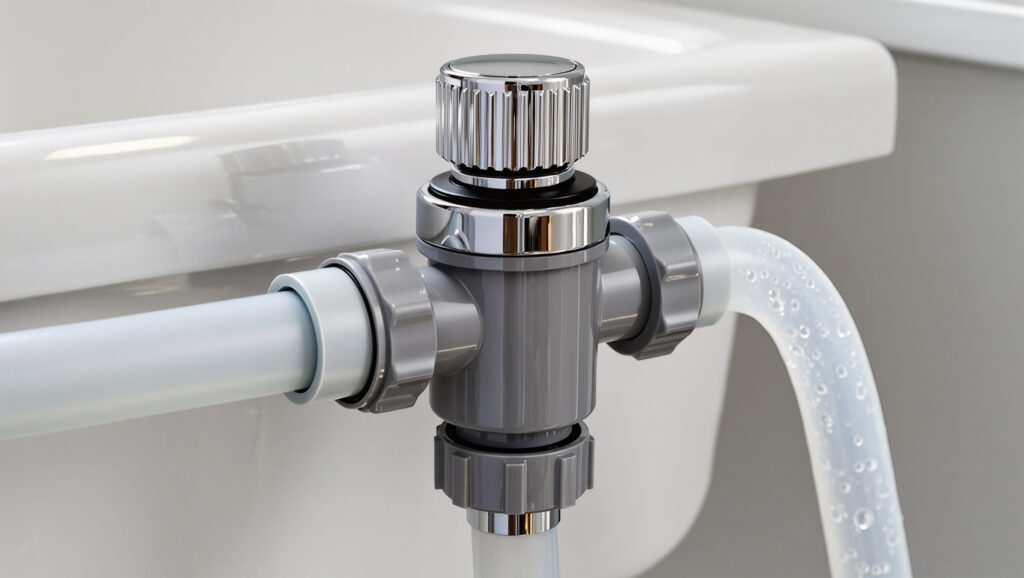
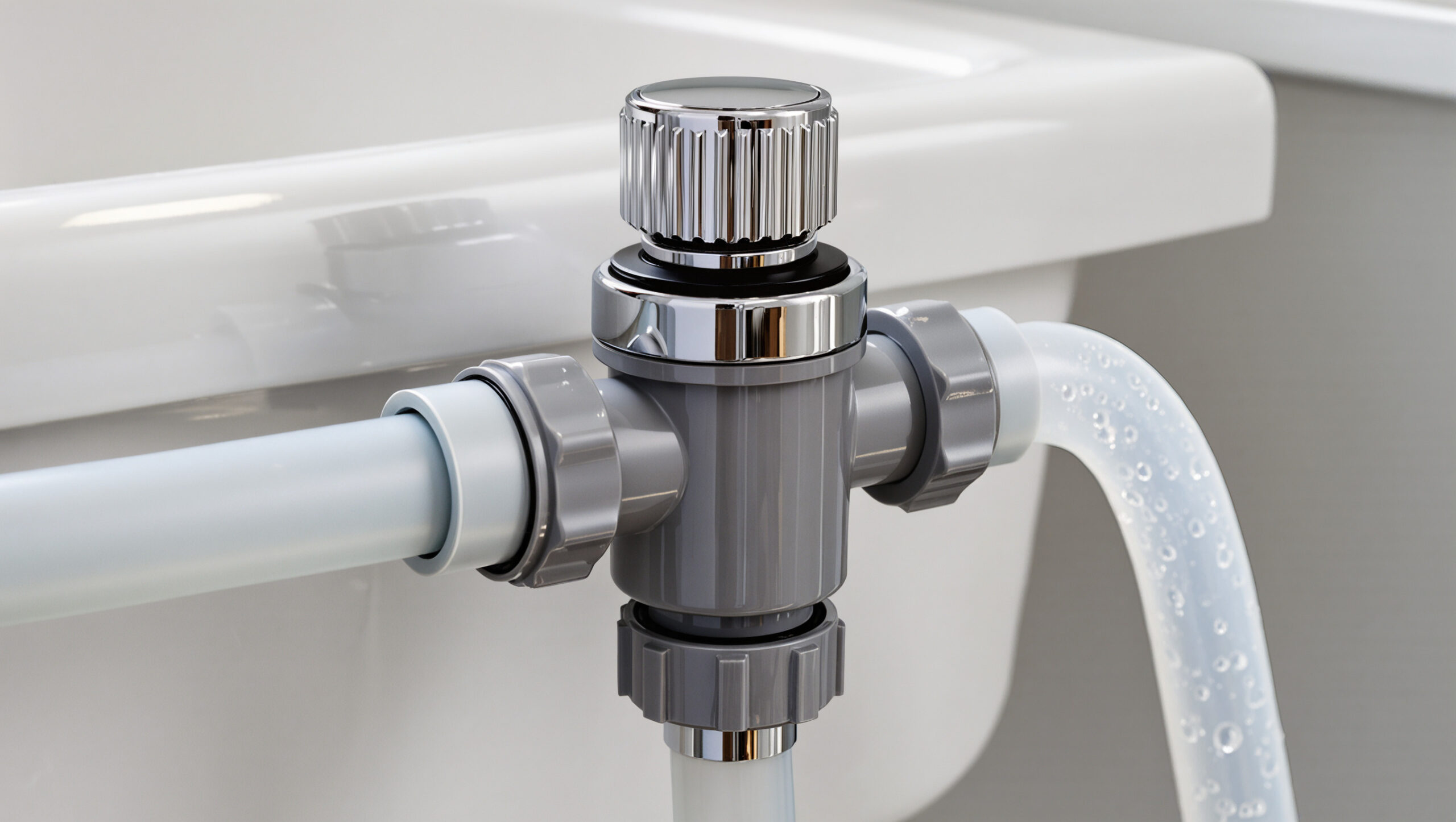
- Push-button or knob diverters: Often found in more modern shower systems, these redirect water to different zones or fixtures with a simple press or turn.
Knowing your diverter type matters because repair approaches, replacement parts, and labor costs vary across each category. When something goes wrong, a plumber will need to identify the type before diagnosing the issue.
Signs That Your Diverter May Be Failing
Diverters are not components most homeowners think about until something feels off. The most telltale sign is water still trickling from the tub spout even when you have switched to shower mode. If that trickle becomes a real stream, the diverter is likely worn or damaged and losing its ability to fully redirect flow. You might also notice reduced water pressure from the showerhead, which can indicate the diverter is only partially diverting. In kitchen faucets with spray attachments, a failing diverter often causes the spray function to work sluggishly or not at all. These are not emergencies, but they are signals worth acting on before the problem compounds.

Key Advantages of a Properly Functioning Diverter
It is easy to overlook just how much convenience a diverter provides when it is working properly. Beyond the obvious comfort of choosing between a bath and a shower, a functional diverter contributes to water efficiency. When water flows exactly where it should without leaking or misdirecting, you are not wasting heated water or running the system longer than necessary. In multi-outlet shower systems, diverters give homeowners precise control over water distribution, which can make a meaningful difference in both the shower experience and monthly utility costs. For homes with complex plumbing configurations, a well-maintained diverter is essentially the traffic director of the entire system.
Common Drawbacks and Limitations to Know
Diverters are relatively simple components, but they are not without their vulnerabilities. Mineral buildup from hard water is one of the most common culprits behind diverter failure. Over time, calcium and lime deposits accumulate inside the valve, interfering with its ability to seal properly or move freely. Rubber seals and O-rings within the diverter degrade with age and regular use, leading to the slow leaks and pressure issues described earlier. In older homes, a diverter that has never been replaced may be well past its functional lifespan. Additionally, improper installation of a replacement diverter can create new problems, including cross-flow between outlets or complete loss of diversion capability. It is one of those repairs where quality parts and proper technique genuinely matter.
Can You Repair or Replace a Diverter Yourself?
In some cases, a homeowner with basic plumbing comfort can address a diverter issue without professional help. Tub spout diverters, for instance, can sometimes be replaced by simply unscrewing the old spout and installing a compatible new one. More complex diverter valves built into the wall, however, typically require shutting off the water supply, removing trim hardware, and working with components inside the wall cavity. That level of work carries more risk of error, and a mistake can mean water damage or the need for a much larger repair. If there is any uncertainty, calling a licensed plumber is the right call. The cost of a professional diverter repair generally ranges from a modest service visit fee to a few hundred dollars depending on the valve type and accessibility.
How Diverters Fit Into the Bigger Plumbing Picture
Thinking about diverters as isolated parts misses the broader context. They are components within a larger plumbing system, and the health of that system as a whole affects how well any single part performs. Hard water conditions that damage a diverter are likely affecting other valves, fixtures, and supply lines too. Aging pipes that reduce water pressure compound any existing diverter issues. This is exactly why home system health is best thought of holistically. A single leak or malfunction is rarely the whole story, and maintaining awareness of how each component interacts with others helps homeowners stay ahead of cascading problems.
What to Expect From a Home Warranty When a Diverter Fails
Home warranties vary significantly in what they cover within plumbing systems, and the diverter falls into an important gray area worth understanding. Many comprehensive home warranty plans cover the internal components of plumbing systems, including valves and their mechanisms. Whether a diverter is explicitly listed or falls under a broader plumbing coverage category depends on the specific plan language. Homeowners should review their contract for terms like plumbing valves, faucet components, or shower systems to understand where diverter coverage may exist. Filing a claim for a diverter issue typically follows the standard process: contacting the warranty provider, having a technician assess the problem, and receiving repair or replacement based on coverage terms.
Why Armadillo Is Worth Considering for Plumbing Protection
When a diverter fails at an inconvenient time, and these things have a way of happening at inconvenient times, having a reliable home warranty behind you changes the experience entirely. Armadillo home warranty plans built for real plumbing coverage are designed with homeowners in mind, offering straightforward terms and responsive service when it counts most. There is no navigating confusing exclusions or wondering if that failed valve qualifies. Armadillo keeps things transparent and accessible, which is exactly what you want when you are standing in your bathroom with a showerhead that is not cooperating. If you are ready to protect your home’s plumbing system before the next unexpected repair, you can get a free home warranty quote for plumbing and fixture protection in just a few minutes. The peace of mind alone is worth it.

Frequently Asked Questions About Diverters and Home Warranty Coverage
Here are answers to the questions homeowners most commonly ask about diverters, how they work, and how home warranty plans factor in.
What exactly does a diverter do in a bathtub or shower?
A diverter redirects water flow from the tub spout to the showerhead when activated, typically by pulling a tab or turning a knob on the tub faucet.
How long does a typical diverter last?
Most diverters last anywhere from five to fifteen years, depending on water quality, usage frequency, and the quality of the valve itself.
Is a leaking diverter considered a plumbing emergency?
A leaking diverter is generally not an emergency, but it should be repaired promptly to avoid water waste and potential pressure loss throughout the fixture.
Does hard water affect diverters?
Yes. Mineral deposits from hard water are one of the leading causes of diverter failure, as buildup restricts valve movement and prevents proper sealing.
Can a faulty diverter cause low water pressure?
A partially functioning diverter can reduce water pressure to the showerhead by failing to fully block flow through the tub spout, splitting pressure between two outlets.
Are diverters covered under a standard home warranty plan?
Coverage depends on the plan. Many home warranty contracts include plumbing valves and internal fixture components, which can encompass diverters, but reviewing your specific policy terms is always recommended.
Can I replace a diverter without calling a plumber?
Tub spout diverters can sometimes be swapped out with basic tools, but diverter valves built into the wall typically require a licensed plumber for safe and proper replacement.
How much does it cost to replace a diverter?
Costs range from around fifty dollars for a simple spout replacement to several hundred dollars for an in-wall valve replacement, factoring in parts and labor.
Where else in my home might I find a diverter?
Beyond the bathtub and shower, diverters are commonly found in kitchen faucets with pull-out spray heads, multi-function shower systems, and outdoor irrigation or hose bib setups.
What is the best way to extend the life of a diverter?
Reducing hard water mineral buildup through a whole-home water softener, avoiding excessive force when operating the valve, and scheduling periodic plumbing maintenance are the most effective strategies.