What Is a GFCI Outlet and Why Does Your Home Need One?
If you have ever noticed an outlet in your bathroom or kitchen with two small buttons labeled “Test” and “Reset,” you have already seen a GFCI outlet up close. Most homeowners walk past them every day without giving them a second thought. But these outlets are doing something genuinely important behind the scenes, and understanding what they do — and why they exist — can help you make smarter decisions about your home’s electrical safety and maintenance. So let’s break it down in plain terms.
The Basics: What GFCI Actually Stands For
GFCI stands for Ground Fault Circuit Interrupter. That sounds technical, but the concept is surprisingly straightforward. A ground fault happens when electricity strays from its intended path — say, through water, a damaged cord, or a person — and the GFCI outlet is designed to detect that deviation almost instantly and cut the power before serious injury can occur. We are talking about a response time measured in milliseconds. The outlet is essentially a tiny, fast-acting circuit breaker built right into the receptacle itself. It monitors the flow of electricity coming in versus going out, and the moment those numbers do not match, it shuts things down.
Where GFCI Outlets Are Required in Your Home
Building codes in the United States, specifically those governed by the National Electrical Code, have expanded GFCI requirements over the decades. Today, GFCI protection is required in any area where water and electricity are likely to coexist. That includes:
- Bathrooms, including all receptacles within the space
- Kitchens, particularly outlets within six feet of a sink
- Garages, both attached and detached
- Outdoor receptacles exposed to weather
- Crawl spaces, unfinished basements, and utility areas
- Boathouses and areas near pools or hot tubs
If your home was built before the mid-1970s, there is a reasonable chance some of these areas were never upgraded. That is worth knowing, because code compliance at the time of construction does not always equal safety by today’s standards.
How a GFCI Outlet Actually Works
Inside the outlet, there is a sensor that continuously compares the amount of current flowing out through the hot wire and the amount returning through the neutral wire. Under normal conditions, those values are equal. The instant the outlet detects an imbalance — even one as small as four to five milliamps — the internal mechanism trips and interrupts the circuit. To put that in perspective, a current of around 10 milliamps is enough to cause muscle paralysis, and 100 milliamps can be fatal. The GFCI trips well before you reach those thresholds. That is the whole point. It is not just a convenience feature — it is a life safety device.

Key Advantages of GFCI Outlets
Beyond the obvious safety benefit, GFCI outlets offer a few practical advantages that homeowners often overlook. First, they protect the entire downstream circuit. One GFCI outlet wired correctly can protect every outlet connected after it on the same circuit, which means you do not necessarily need a GFCI device in every single receptacle. Second, they are relatively inexpensive. A single GFCI outlet typically costs between ten and thirty dollars depending on the amperage rating and brand. Professional installation adds to that, but compared to the potential cost of an electrical fire or medical emergency, the math is not complicated. Third, they serve as an early warning system. If a GFCI trips frequently, that is a signal that something is genuinely wrong — a faulty appliance, a damaged cord, or a wiring issue that deserves attention.
Common Drawbacks and Limitations to Know
GFCI outlets are not without their quirks. The most common complaint is nuisance tripping, which happens when the outlet shuts off even though no actual danger exists. Older or low-quality appliances, long circuit runs, and even humidity can sometimes trigger a false trip. This can be frustrating, especially on a circuit running a refrigerator or sump pump where unexpected shutdowns cause real problems. Additionally, GFCI outlets do have a lifespan. Most manufacturers rate them for around ten years, though some fail sooner — sometimes without warning. A GFCI that has failed in the open position will not trip when it should, which means it provides no protection at all. Testing them monthly using the built-in Test and Reset buttons is a simple habit that takes about thirty seconds and could genuinely matter.
GFCI Outlets vs. GFCI Breakers: What Is the Difference?
There is another way to achieve ground fault protection: a GFCI circuit breaker installed in your electrical panel. This device protects the entire circuit from the panel level rather than at individual outlets. GFCI breakers tend to cost more than individual outlets, but they offer whole-circuit protection without requiring you to locate a GFCI outlet midway through the run. The choice between outlets and breakers often comes down to the layout of your home, the age of your electrical panel, and whether you are doing a targeted repair or a broader upgrade. Either method delivers legitimate protection — the approach just differs.
Practical Tips for Testing and Maintaining Your GFCI Outlets
Maintaining GFCI outlets is genuinely simple, and yet most homeowners never think about it until something goes wrong. Here are a few practical habits worth adopting:
- Press the “Test” button monthly to confirm the outlet trips as expected, then press “Reset” to restore power
- If an outlet does not trip when tested, replace it immediately — it is no longer functioning as a safety device
- Check GFCI outlets after major storms or power surges, as these events can sometimes damage the internal mechanism
- If a GFCI trips repeatedly without an obvious cause, have a licensed electrician inspect the circuit
- Replace any GFCI outlet that is more than ten years old, especially in high-moisture areas
When to Call a Professional Electrician
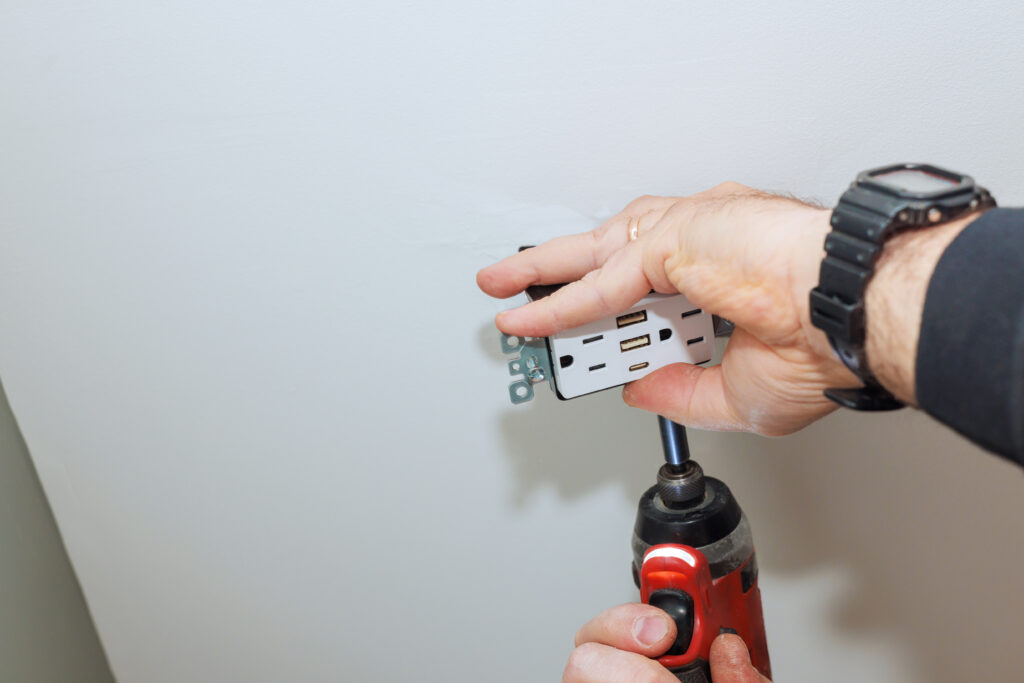
Installing a GFCI outlet is a task that many experienced DIYers handle themselves, but it is worth being honest about the limits of a do-it-yourself approach. If you are unfamiliar with electrical work, uncomfortable working near a live panel, or unsure how your home’s wiring is configured, hiring a licensed electrician is the right call. Wiring errors — like miswiring the line and load terminals — can result in an outlet that appears functional but provides zero protection. A professional can also assess whether your home has older wiring types, such as aluminum or knob-and-tube, that require special handling. Electrical work done incorrectly is not just inconvenient. It can be genuinely dangerous.
How Armadillo Home Warranty Has You Covered When Electrical Issues Arise
GFCI outlets are a critical part of your home’s electrical system, and like every other system in your house, electrical components can and do fail. When they do, the cost of diagnosis and repair adds up quickly — especially if the issue goes beyond a single outlet and involves wiring, circuits, or the panel itself. That is exactly the kind of situation where having the right home warranty makes a measurable difference. Armadillo home warranty plans that cover electrical systems and home appliances are built for real homeowners dealing with real problems, not buried in fine print designed to find a reason to say no. If your electrical system develops a covered fault — whether it is a failed GFCI outlet or something deeper in the wiring — Armadillo connects you with qualified service professionals and handles the cost according to your plan. Instead of scrambling for a contractor and dreading the invoice, you make one call and let the coverage do its job. If you want to see what that kind of protection looks like for your specific home, you can get a personalized home warranty quote that includes electrical system coverage in just a few minutes. Peace of mind for your home’s electrical health is more accessible than most people realize.

Frequently Asked Questions About GFCI Outlets
Here are answers to the questions homeowners ask most often about GFCI outlets, how they work, and when to take action.
What does it mean when a GFCI outlet keeps tripping?
Frequent tripping usually indicates a ground fault on the circuit, a faulty appliance plugged into the outlet, moisture inside the outlet box, or a wiring issue. If the problem persists after removing all plugged-in devices, have a licensed electrician inspect the circuit.
Can one GFCI outlet protect multiple outlets?
Yes. When wired correctly using the load terminals, a single GFCI outlet can provide protection to all other outlets connected downstream on the same circuit. This is a common and code-compliant installation method.
How do I know if my GFCI outlet has failed?
Press the Test button. If the outlet does not cut power, or if pressing Reset does not restore power, the GFCI mechanism has failed and the outlet should be replaced. A failed GFCI provides no protection.
Are GFCI outlets required in older homes?
Building codes apply at the time of construction, so older homes are not automatically required to retrofit GFCI outlets. However, upgrading wet areas to GFCI protection is strongly recommended for safety, regardless of when the home was built.
What is the difference between a GFCI outlet and a surge protector?
A GFCI outlet protects against ground faults and electric shock by detecting current imbalances. A surge protector guards against voltage spikes that can damage electronics. They serve different purposes and are not interchangeable.
Can GFCI outlets get wet?
Outdoor GFCI outlets should be covered by a weatherproof cover rated for wet or damp locations. Standard GFCI outlets are not waterproof on their own. Exposure to water can damage the internal mechanism over time.
How long do GFCI outlets last?
Most GFCI outlets are rated for approximately ten years of reliable operation. High-use outlets in humid environments may wear out sooner. Regular testing and proactive replacement help ensure continued protection.
Is it safe to install a GFCI outlet myself?
Homeowners with basic electrical knowledge can install GFCI outlets safely by turning off the circuit breaker, following wiring diagrams carefully, and verifying correct function after installation. If you are unsure, hiring a licensed electrician is always the safer choice.
Why does my GFCI outlet have no power even after pressing Reset?
If the outlet does not restore power after pressing Reset, the upstream GFCI on the circuit may have tripped, the circuit breaker may be off, or the outlet itself may have failed. Check other GFCI outlets on the circuit and the panel before assuming the outlet needs replacement.
Does a home warranty cover GFCI outlets?
Coverage depends on the specific plan. Many home warranty plans that include electrical system coverage will address wiring, outlets, and related components. Reviewing your plan’s terms or speaking with your warranty provider will clarify exactly what is included.