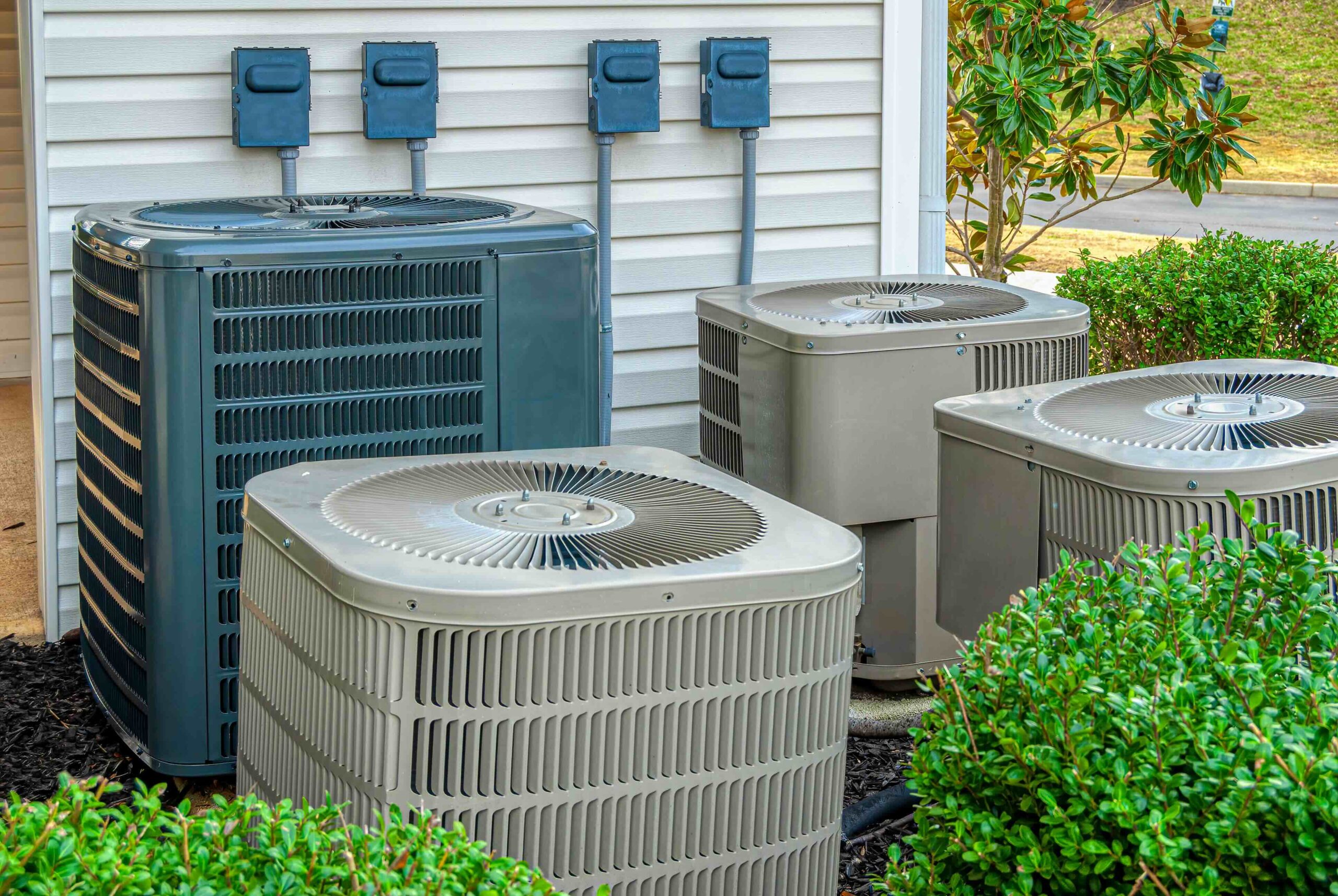
What Is a Home Air Handler and Why Does It Matter More Than You Think
Most homeowners spend a lot of time thinking about their thermostat, their outdoor AC unit, maybe even their air filters. The air handler, though? It tends to fly under the radar — quietly doing its job until something goes wrong. And when something does go wrong, it usually makes itself known fast. The air handler is one of the most essential components of your home’s HVAC system, and understanding how it works can save you money, improve your indoor comfort, and help you make smarter decisions about maintenance and coverage.
What Exactly Is an Air Handler
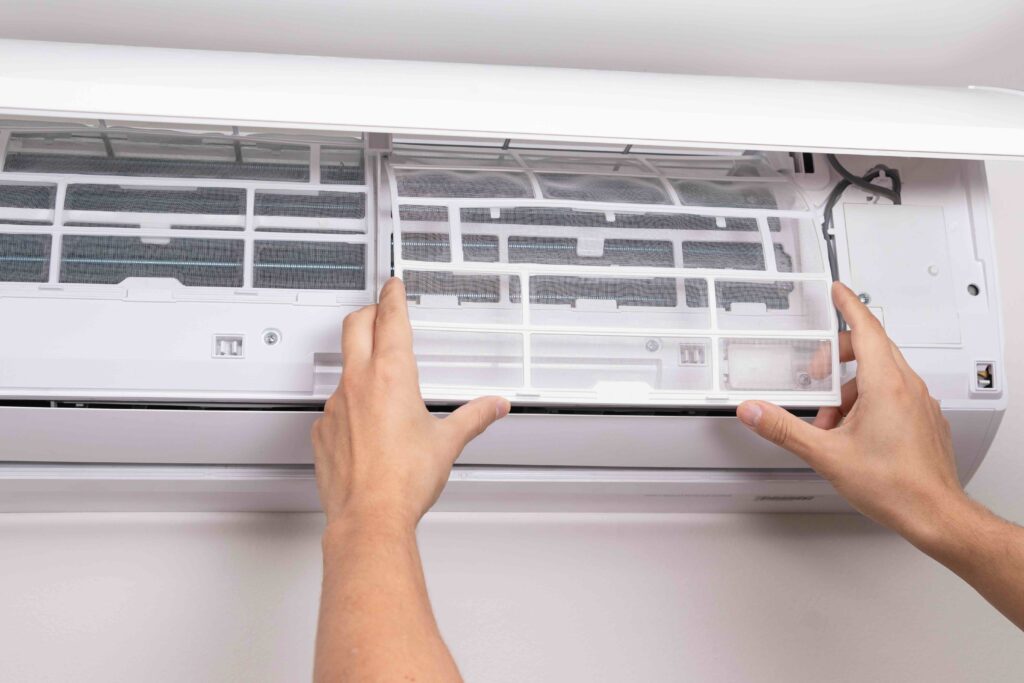
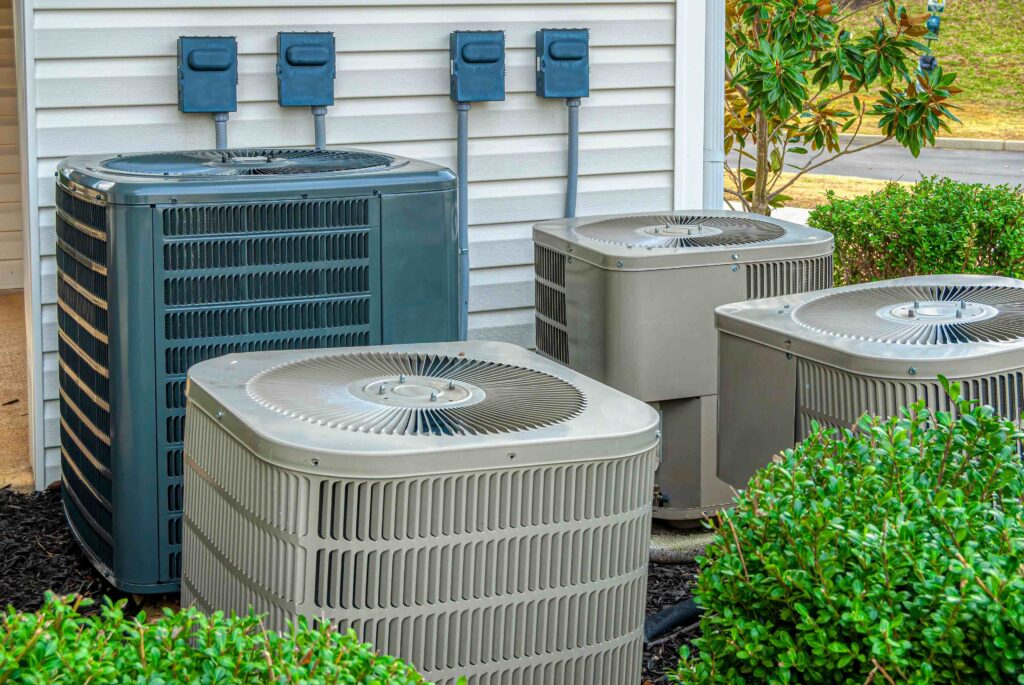
An air handler is the indoor portion of a split HVAC system. Think of your HVAC setup as a two-part team: the outdoor unit handles heat exchange with the outside air, and the air handler manages the distribution of conditioned air throughout your home. It works in tandem with either a central air conditioner, a heat pump, or both. Inside the unit, you will find a blower motor, an evaporator coil, an air filter, and sometimes heating elements or connections to a furnace. All of these components work together to pull air from your living space, condition it, and push it back through your ductwork. It is a fairly straightforward concept once you see the full picture.
How an Air Handler Actually Works
Here is the general flow: warm air from inside your home gets drawn into the air handler through a return duct. That air passes over the evaporator coil, which is cold due to refrigerant running through it. The heat in the air transfers to the refrigerant, leaving the air cooler and often drier. The blower motor then pushes that now-conditioned air through your supply ducts and out through the vents in each room. In heating mode, if your system uses a heat pump, the process essentially reverses. The refrigerant cycle delivers warmth instead of pulling it away. The air handler stays involved throughout both processes, which is why it is such a central piece of the puzzle.
Key Components Inside an Air Handler
- Blower Motor: Circulates air through your ductwork and is one of the most mechanically active parts of the system
- Evaporator Coil: Absorbs heat from the indoor air during cooling cycles and works closely with the outdoor refrigerant cycle
- Air Filter: Captures dust, debris, and allergens before air enters the system — a basic but critical component
- Expansion Valve: Regulates refrigerant flow into the evaporator coil to maintain efficiency
- Drain Pan and Condensate Line: Collects and removes moisture that forms on the coil during cooling
- Heating Elements: Present in some air handlers, these provide electric heat as a backup or primary heat source
The Advantages of Understanding Your Air Handler
Knowing what your air handler does and how it operates puts you in a much better position as a homeowner. For starters, you can identify warning signs earlier. A strange noise from inside the unit, reduced airflow from your vents, or a sudden spike in your energy bill can all point back to the air handler. Beyond diagnostics, understanding the system helps you maintain it properly. Changing your air filter on schedule — typically every one to three months depending on your household — keeps the blower motor from working overtime and extends the life of your evaporator coil. Keeping the condensate drain line clear prevents water damage to the unit and surrounding areas. These are small habits that add up to significant long-term savings.

Common Air Handler Problems Homeowners Encounter
Even with good maintenance habits, air handlers do run into problems. The blower motor is one of the most common failure points — it runs every time your system cycles on, which means it logs serious hours over the years. When the motor starts to fail, you might hear a humming or grinding noise, or notice that air is barely moving through your vents. Refrigerant leaks at the evaporator coil are another issue, often signaling themselves through reduced cooling performance or ice forming on the coil. Clogged condensate lines can cause the drain pan to overflow, sometimes leading to water damage or mold growth inside the unit. Electrical issues, including failed capacitors or control board problems, also appear more frequently as systems age past the ten-year mark.
Air Handler Efficiency and Energy Costs
Your air handler has a direct influence on how efficiently your HVAC system runs. Variable-speed blower motors, which are common in newer systems, are a significant upgrade over older single-speed motors. They adjust their output based on demand rather than simply running at full blast every time. This results in quieter operation, better humidity control, and lower energy usage over time. If your air handler is more than fifteen years old and has a single-speed motor, replacing it with a variable-speed model could noticeably reduce your monthly utility bills while improving overall indoor comfort. It is worth having a conversation with a qualified HVAC technician about what your current system supports.
Air Handler Maintenance Tips Every Homeowner Should Follow
- Replace your air filter every one to three months, or more frequently if you have pets or allergy concerns
- Schedule annual professional HVAC inspections to catch coil buildup and motor wear early
- Flush your condensate drain line at least once per year using a diluted bleach solution to prevent clogs
- Keep the area around your air handler clear of stored items to allow proper airflow and easy access for service
- Listen for changes in sound during operation — grinding, clicking, or rattling often indicate early mechanical issues
When to Repair Versus Replace Your Air Handler
This is one of the trickier decisions homeowners face, and the answer usually comes down to age, repair cost, and system compatibility. A general rule in the HVAC industry is that if a repair costs more than half the price of a replacement unit and your system is over ten years old, replacement starts to make more financial sense. There is also the compatibility issue to consider. Your air handler and outdoor unit are designed to work together. If you replace the outdoor unit without replacing the air handler, or vice versa, you may end up with a mismatched system that underperforms and carries a shorter lifespan than it should. Your technician can run a compatibility check and help you weigh the numbers realistically.
How Armadillo Helps Protect Your Air System Investment
Air handler repairs are not cheap, and replacements even less so. A blower motor repair can run anywhere from a few hundred to over a thousand dollars depending on the system. A full air handler replacement can push into the multi-thousand-dollar range when labor is factored in. That kind of unexpected expense is exactly what a home warranty is designed to address. Armadillo home warranty plans built around protecting your HVAC air system give homeowners a reliable financial safety net when essential components fail through normal wear and tear. Rather than absorbing a surprise repair bill on your own, you pay a predictable plan cost and let Armadillo coordinate the rest. If you want to see what coverage looks like for your specific home and location, you can get a personalized home warranty quote for air handler coverage in seconds. Peace of mind for your air system is more affordable than most homeowners expect.

Frequently Asked Questions About Home Air Handlers
These are the questions homeowners ask most often about air handlers, answered directly and without the jargon.
What is the difference between an air handler and a furnace?
A furnace generates heat through combustion and is a standalone heating unit, while an air handler distributes conditioned air produced by an air conditioner or heat pump. Some systems use both, while others rely on an air handler with electric heating elements instead of a separate furnace.
How long does an air handler typically last?
Most air handlers have a functional lifespan of fifteen to twenty years with proper maintenance. Neglected units or those paired with mismatched equipment may fail sooner, sometimes within ten to twelve years.
Can I run my air conditioner if the air handler is not working?
No. The air handler and outdoor unit operate as a connected system. If the air handler fails, the outdoor unit cannot effectively cool or circulate air through your home, and running it in that condition can cause additional damage.
Why is my air handler leaking water?
Water leaking from an air handler is typically caused by a clogged condensate drain line, a frozen evaporator coil that has thawed, or a cracked drain pan. Each of these issues should be addressed promptly to prevent water damage or mold growth.
How often should my air handler be professionally serviced?
Annual professional maintenance is the standard recommendation. A technician will inspect the coil, test the blower motor, check refrigerant levels, clear the condensate drain, and verify electrical connections during a routine service visit.
Is an air handler covered by a home warranty?
Many home warranty plans include air handler coverage as part of their HVAC or air system protection. Coverage specifics vary by provider and plan tier, so it is important to review what components are included before purchasing a policy.
What does a variable-speed air handler mean for my home comfort?
A variable-speed air handler adjusts its blower speed continuously based on demand rather than switching between fully on and fully off. This results in more consistent temperatures, quieter operation, and improved humidity control compared to single-speed systems.
What causes an air handler blower motor to fail?
Blower motor failures are usually caused by age-related wear, overheating from restricted airflow due to dirty filters, electrical issues, or bearing deterioration over time. Keeping filters clean is one of the simplest ways to extend motor life.
Should my air handler and outdoor unit be replaced at the same time?
In most cases, yes. Replacing both units simultaneously ensures compatibility, maximizes efficiency ratings, and prevents premature failure that can occur when new and aging components are paired together in the same system.
How do I know if my air handler evaporator coil is dirty?
Signs of a dirty evaporator coil include reduced cooling performance, longer run cycles, higher energy bills, and in some cases ice forming on the coil itself. A professional cleaning during annual maintenance can restore efficiency and prevent more serious issues.