What Is a Home HVAC System and Why Does It Matter More Than You Think
Most homeowners think about their HVAC system exactly twice a year: once when summer arrives and the house feels like a sauna, and again in winter when the cold creeps in through the walls. That is about as often as anyone wants to think about it, honestly. But here is the thing — your heating, ventilation, and air conditioning system is one of the hardest-working, most expensive, and most misunderstood systems in your entire home. Understanding how it works, what can go wrong, and how to protect it is genuinely useful information. Not the kind of thing you can skip over and figure out later. So let us walk through it properly.
Breaking Down What HVAC Actually Stands For
HVAC stands for Heating, Ventilation, and Air Conditioning. It sounds straightforward enough, but the system itself is a layered network of components that work together to regulate temperature, control humidity, and circulate air throughout your home. The heating portion typically involves a furnace or heat pump. The air conditioning side uses a compressor, condenser coil, and refrigerant to remove heat from indoor air. Ventilation, the often-overlooked middle letter, handles air exchange — pulling stale air out and bringing fresh air in while filtering contaminants. Each part is doing something specific, and when one element starts to fail, the whole system feels it.
How a Central HVAC System Actually Works
The process begins when your thermostat detects that indoor temperature has drifted from your set point. It sends a signal to your air handler or furnace, which activates the system. Air from inside your home is pulled through return vents, passed through an air filter, then either heated or cooled depending on the season. That treated air is pushed back through supply ducts and out into your living spaces. For cooling, refrigerant cycles through the evaporator coil, absorbs heat from your indoor air, carries it outside to the condenser unit, and releases it. For heating, a gas furnace ignites a burner and warms air through a heat exchanger before it is circulated. The cycle repeats until your thermostat is satisfied. It sounds mechanical and a little repetitive — because it is, and that repetition is exactly what wears components down over time.

The Key Components Every Homeowner Should Know
You do not need an HVAC certification to understand the major parts of your system. Here is a practical overview of the components that matter most when something goes wrong:
- Thermostat: The brain of the system. It reads indoor temperature and triggers heating or cooling cycles accordingly.
- Furnace or Air Handler: The central unit that moves air through your home and houses the heat source or coil.
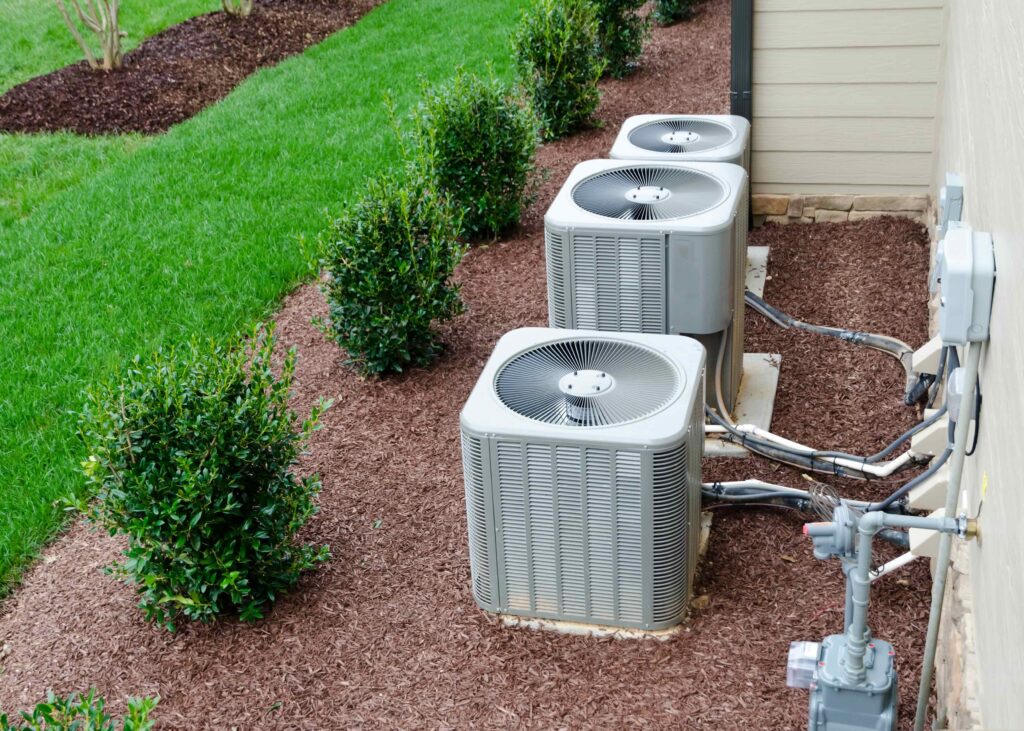
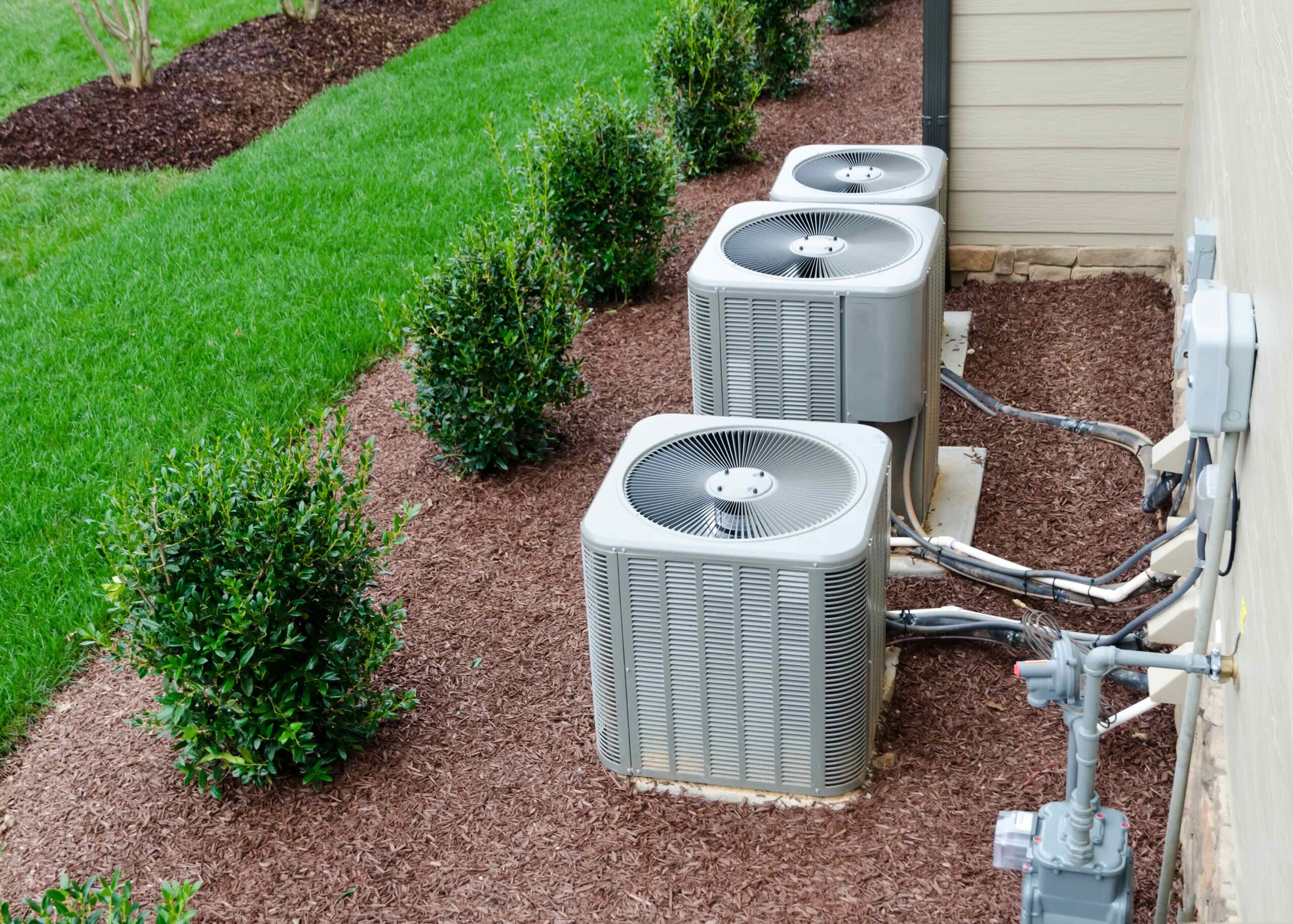
- Condenser Unit: Sits outside your home and releases heat extracted from indoor air during the cooling process.
- Evaporator Coil: Located inside the air handler, it absorbs heat from air passing over it during air conditioning.
- Air Filter: Traps dust, debris, and allergens before they can circulate through your ductwork and system components.
- Ductwork: The network of channels that distribute conditioned air throughout every room in your house.
- Refrigerant Lines: Insulated copper lines that carry refrigerant between the indoor and outdoor units.
The Real Advantages of a Well-Maintained HVAC System
A properly functioning HVAC system does more than keep you comfortable. It significantly improves indoor air quality by filtering out particulates, mold spores, and airborne allergens. It also plays a direct role in energy efficiency — a well-tuned system uses less power to achieve the same results, which shows up clearly on your monthly utility bill. Modern systems with high SEER ratings (Seasonal Energy Efficiency Ratio) can cut cooling costs substantially compared to older equipment. There is also the structural benefit: controlling humidity levels prevents moisture damage, wood warping, and the conditions that encourage mold growth. Basically, your HVAC system is doing quiet, important work in the background every single day.
Common HVAC Problems Homeowners Run Into
Even with regular maintenance, HVAC systems develop issues. Some are minor and easy to address. Others are expensive and frustrating. The most commonly reported problems include refrigerant leaks, which impair cooling performance and can damage the compressor if left unaddressed. Dirty or clogged air filters restrict airflow and cause the system to work harder than necessary, shortening the lifespan of key components. Capacitor failures are surprisingly common and can prevent the system from starting up at all. Thermostat malfunctions lead to erratic temperature control. Blower motor failures affect airflow distribution. And ductwork leaks — which many homeowners never even discover — can waste a significant portion of the conditioned air your system produces before it ever reaches a room.
HVAC Maintenance Tips That Actually Make a Difference
Consistent maintenance is the single most effective way to extend the life of your HVAC system and avoid costly repairs. The basics are not complicated, but they require follow-through. Replace your air filter every one to three months depending on your household conditions — homes with pets or allergy sufferers should lean toward the shorter interval. Schedule a professional tune-up twice a year, ideally in spring before cooling season and in fall before heating season. Keep the area around your outdoor condenser unit clear of debris, vegetation, and obstructions. Check your thermostat settings and consider upgrading to a programmable or smart thermostat if you have not already. Inspect your ductwork periodically for visible leaks or disconnected sections. These are not glamorous tasks, but they pay off in reduced repair bills and longer equipment lifespan.
How Long Does an HVAC System Last — and When Should You Replace It
The typical lifespan of a central air conditioning unit is between 15 and 20 years. Furnaces tend to last slightly longer, often 20 to 30 years with proper maintenance. Heat pumps typically fall in the 15-year range. When your system starts approaching those thresholds, it is worth thinking proactively rather than reactively. Signs that replacement may be on the horizon include rising energy bills without a clear cause, inconsistent heating or cooling across rooms, unusually frequent repair needs, and refrigerant containing older chemical compounds that are being phased out. Replacing an aging system before it fails completely gives you time to research options, compare quotes, and budget appropriately — rather than making a rushed decision in the middle of a heat wave.
Why Armadillo Is the Right Partner for Your HVAC Coverage
When your HVAC system breaks down, the last thing you want to be doing is scrambling to find a reputable contractor, negotiating repair costs, or wondering whether you have enough in savings to cover the bill. That is exactly why homeowners who are serious about protecting their most important systems turn to trusted home warranty coverage for HVAC systems and major appliances. Armadillo offers straightforward, transparent protection plans built specifically for the way modern homeowners live. The coverage is real, the service is responsive, and there are no labyrinths of fine print designed to find a reason to deny your claim. If you want to stop guessing what a major repair might cost you and start feeling genuinely prepared, now is a good time to get a personalized home warranty quote that covers your heating and cooling system. Your HVAC system works hard every day. It deserves a safety net that actually holds.
Frequently Asked Questions About Home HVAC Systems
These are the questions homeowners ask most often when trying to understand, maintain, or repair their heating and cooling systems.
What does HVAC stand for?
HVAC stands for Heating, Ventilation, and Air Conditioning. It refers to the system responsible for regulating temperature, humidity, and air quality throughout a home.
How often should I service my HVAC system?
You should schedule professional HVAC maintenance twice a year — once in the spring before air conditioning season and once in the fall before heating season. This helps catch issues early and keeps the system running efficiently.
How long does a home HVAC system last?
Central air conditioners typically last 15 to 20 years. Furnaces can last 20 to 30 years. Heat pumps generally have a lifespan of around 15 years. Regular maintenance extends these ranges considerably.
What causes an HVAC system to stop working?
Common causes include a failed capacitor, a clogged air filter restricting airflow, refrigerant leaks, thermostat malfunctions, blower motor failure, and electrical issues in the control board.
How can I tell if my HVAC system is low on refrigerant?
Signs of low refrigerant include warm air blowing from vents during cooling mode, ice forming on the evaporator coil or refrigerant lines, and a noticeable decline in cooling performance despite the system running constantly.
Is it worth repairing an old HVAC system or should I replace it?
A general rule is to replace the system if the repair cost exceeds 50 percent of the cost of a new unit and the system is more than ten years old. Frequent breakdowns and rising energy bills are also strong indicators that replacement is the smarter investment.
How often should I replace my HVAC air filter?
Most filters should be replaced every one to three months. Homes with pets, smokers, or allergy sufferers should replace filters more frequently — closer to monthly — to maintain air quality and system efficiency.
Can a home warranty cover HVAC repairs?
Yes. Many home warranty plans include coverage for HVAC systems, including mechanical failures in the furnace, air conditioning unit, and related components. Coverage terms vary by provider, so reviewing what is and is not included before purchasing a plan is important.
What is SEER rating and why does it matter?
SEER stands for Seasonal Energy Efficiency Ratio. It measures how efficiently an air conditioner uses electricity over a cooling season. Higher SEER ratings indicate greater efficiency, which translates to lower operating costs over time.
Why is one room in my house hotter or colder than the others?
Uneven temperatures are often caused by ductwork leaks, blocked vents, poor insulation, or an HVAC system that is improperly sized for the home. A professional diagnostic inspection can identify the specific cause and recommend targeted solutions.