Your AC’s Outdoor Unit: What It Is, How It Works, and Why It Matters for Your Home Warranty
Most homeowners know their air conditioner has two main parts — something inside the house and something sitting outside in the yard. But when it comes to understanding how those components actually function, or what gets covered under a home warranty, things tend to get a little murky. The outdoor unit of a central air conditioning system is one of the most important, most expensive, and most commonly misunderstood parts of your home’s cooling setup. If you want to make smart decisions about maintenance, repairs, and protection, knowing what that box outside actually does is a solid place to start.
What Is the Outdoor AC Unit?
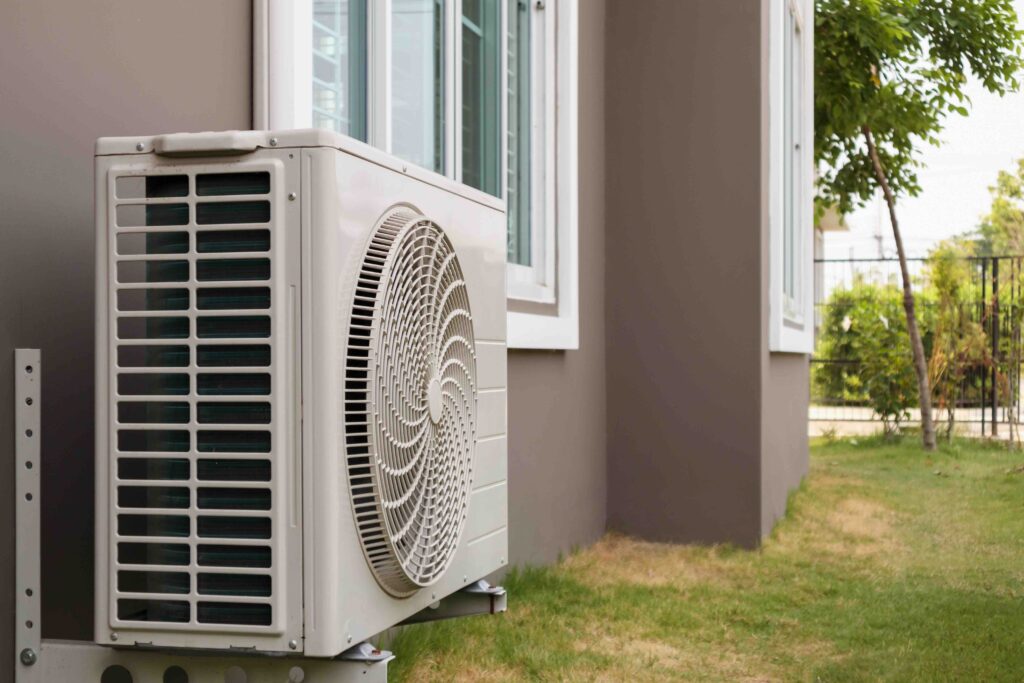
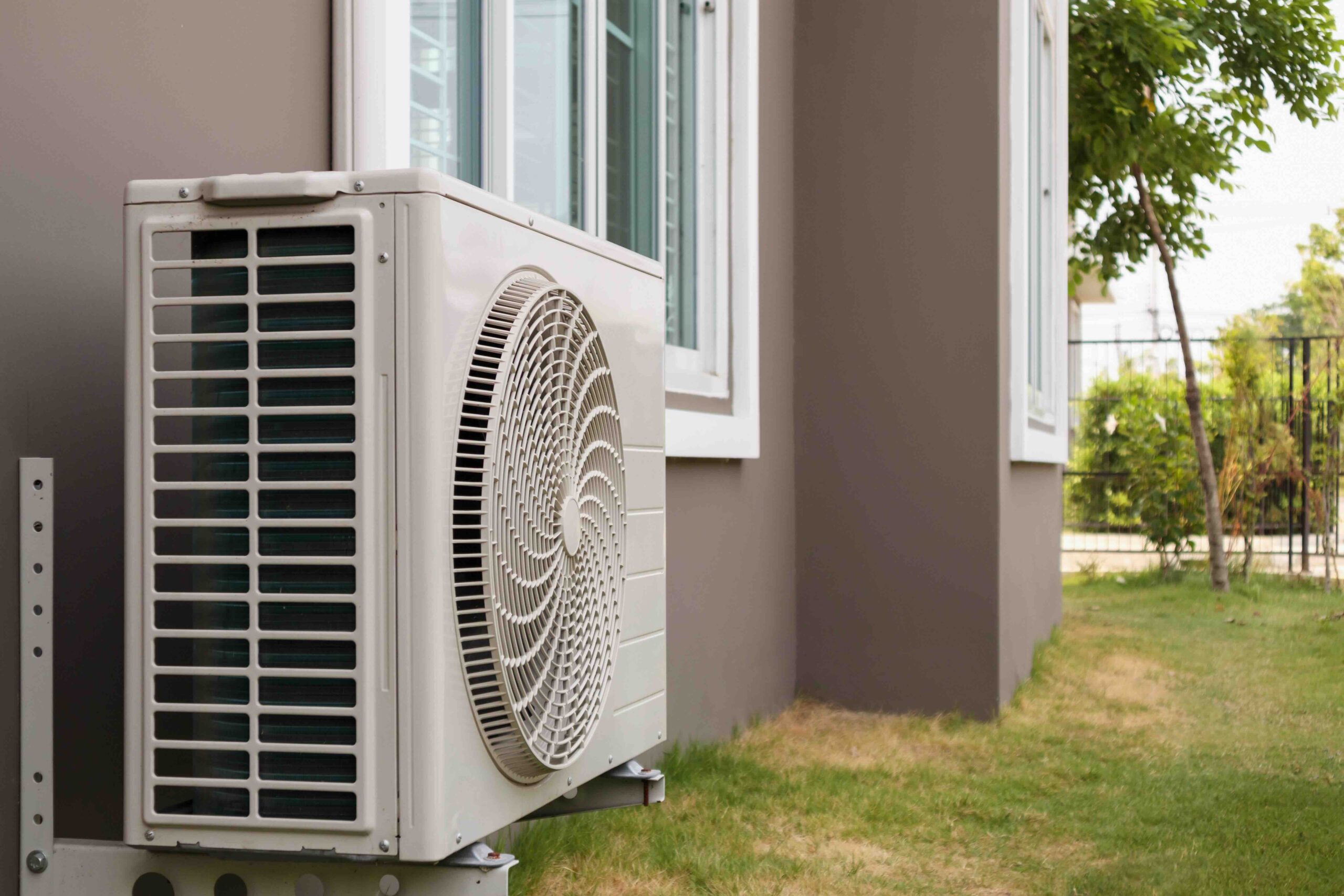
The outdoor unit — often called the condenser unit — is the large metal cabinet you typically see installed on a concrete pad beside your house, or sometimes mounted on a rooftop or wall bracket depending on your home’s layout. It houses several critical components: the compressor, the condenser coil, a large fan, and an assortment of electrical components including capacitors and contactors. Together, these parts work to release heat that has been absorbed from inside your home, completing the refrigeration cycle that makes cooling possible. It is loud when it runs, it is exposed to the elements year-round, and it is almost always grounded as part of your home’s electrical system — which is something that becomes important when we talk about home warranty coverage.
How the Outdoor Unit Actually Works
Here is the short version without the engineering degree: your air conditioner does not actually create cold air. What it does is remove heat from the air inside your home and move it outside. Refrigerant absorbs heat indoors at the evaporator coil (located inside your home), travels as a hot gas to the outdoor unit, gets compressed by the compressor to intensify that heat, and then releases it through the condenser coil while the fan blows air across it. The refrigerant then cools down, cycles back inside, and the whole process starts over. The outdoor unit is specifically responsible for the heat rejection side of that cycle — it is where your home’s heat literally exits the building.
The Role of Grounding in Your Outdoor AC Unit
Because the outdoor unit is a high-voltage electrical appliance — typically running on 240 volts — it must be properly grounded according to most local electrical codes. Grounding means the unit is connected to the earth through your home’s electrical grounding system, which helps protect against electrical surges, equipment damage, and safety hazards. A properly grounded condenser unit has a grounding wire running from the unit’s electrical disconnect box back to your home’s main electrical panel and ultimately to a grounding electrode in the earth. This is not optional — it is a code requirement in virtually every jurisdiction, and it directly affects both the safety and the insurability of the unit. From a home warranty perspective, the fact that the outdoor unit is both outside and electrically grounded to the home matters because it means the unit is considered part of the home’s permanently installed systems.
Why the Outdoor Location Creates Unique Challenges
Sitting outside all year is genuinely hard on equipment. The condenser unit faces sun, rain, wind, hail, freezing temperatures, falling leaves, lawn debris, and occasionally curious animals. The fan motor and compressor are the two components most likely to wear down over time, and both are expensive to replace. Coil damage from physical impact or corrosion is another common issue. Homeowners in coastal areas deal with salt air corrosion. Homeowners in storm-prone areas deal with debris damage. Even routine grass clippings blown against the unit during mowing can restrict airflow and cause the system to run inefficiently. The outdoor placement is necessary for function, but it creates wear patterns that are fairly predictable — and fairly costly when ignored.

Key Components Inside the Outdoor Unit and What Can Go Wrong
Understanding what is inside the condenser cabinet helps you recognize problems early. Here are the main components and their common failure points:
- Compressor: The heart of the system. Compressor failure is one of the most expensive AC repairs a homeowner can face, often running into the thousands of dollars for replacement.
- Condenser Coil: Responsible for releasing heat. Coils can develop refrigerant leaks or suffer physical damage, reducing system efficiency significantly.
- Fan Motor and Blades: Moves air across the coil. Fan motors burn out due to age, debris, or lack of lubrication and are a fairly common repair item.
- Capacitors: Small cylindrical components that help start and run the fan motor and compressor. They fail regularly and are among the more affordable repairs in the unit.
- Contactor: An electrical switch that controls power to the compressor and fan. Contactors wear out and are a relatively inexpensive but impactful repair.
Maintenance Tips to Keep Your Outdoor Unit Running Well
Routine care goes a long way with condenser units. Most of the maintenance involved is simple enough for homeowners to handle themselves, though an annual professional tune-up is worth scheduling. Keep at least two feet of clear space around the unit at all times, and make sure the area is free of weeds, shrubs, and stored items. Gently rinse the exterior coil fins with a garden hose once or twice a season to remove dust and debris. Check that the unit is sitting level on its pad — settling over time can cause vibration issues. Keep the electrical disconnect box nearby accessible and make sure the disconnect is intact. Replace your indoor air filter regularly, because a clogged filter forces the entire system to work harder, including the outdoor unit.
What Home Warranties Typically Cover in the Outdoor Unit
This is where it gets interesting for homeowners evaluating coverage options. Because the outdoor condenser unit is permanently installed, grounded to the home’s electrical system, and part of the central HVAC system, it is generally included in home warranty coverage for air conditioning. Most home warranty plans that cover central air will cover components like the compressor, fan motor, capacitors, and the contactor when they fail due to normal wear and tear. What typically falls outside of coverage includes damage caused by lack of maintenance, physical damage from storms or accidents, refrigerant recharging in some cases, and secondary damage caused by a failed component. Reading the specific terms of any plan carefully is essential — coverage language varies considerably between providers.
Red Flags That Your Outdoor Unit Needs Attention
Your condenser unit will usually give you warning signs before it fails completely. Pay attention to these indicators:
- The unit is running but the house is not cooling down to the set temperature.
- You hear unusual noises such as grinding, rattling, or high-pitched squealing coming from the unit.
- The unit turns on and off rapidly in short cycles rather than running a full cooling cycle.
- Ice is forming on the unit or on the refrigerant lines running into your home.
- Your energy bills have increased significantly without a change in usage habits.
- The unit is not turning on at all despite the thermostat calling for cooling.
Why Armadillo Is the Right Home Warranty for Your Central AC System
When your outdoor condenser unit fails on the hottest day of the year — and statistics suggest it will not pick a convenient moment — the last thing you want is to navigate repair costs alone. That is where having the right coverage in place makes an immediate, tangible difference. Armadillo home warranty plans designed to protect your central air conditioning system are built with real homeowners in mind, offering straightforward terms, transparent coverage language, and a claims process that does not feel like a part-time job to complete. When it comes to protecting high-cost items like your compressor or fan motor, Armadillo’s approach cuts through the fine print so you actually know what you have. If you are ready to stop guessing and start feeling covered, get a free home warranty quote that includes outdoor AC unit coverage and see exactly what protection looks like for your home. Your condenser unit works hard all season — your warranty should work just as hard for you.

Frequently Asked Questions About the Outdoor AC Unit and Home Warranty Coverage
Below are answers to the questions homeowners most commonly ask about their outdoor condenser unit and how home warranty coverage applies to it.
Is the outdoor AC unit covered under a standard home warranty plan?
In most cases, yes. Central air conditioning coverage in a home warranty plan typically includes the outdoor condenser unit and its main components, such as the compressor, fan motor, capacitors, and contactor, when failure is due to normal mechanical wear and tear.
Why does grounding matter for home warranty coverage of the outdoor unit?
Grounding establishes the outdoor unit as a permanently installed component of the home’s electrical and HVAC system. This classification is part of what makes it eligible for home warranty coverage rather than falling into a category of portable or detached equipment.
Does a home warranty cover the compressor in the outdoor unit?
Compressor coverage is included in many home warranty plans that cover central air conditioning, though coverage limits and exclusions vary. It is one of the most important components to verify when comparing warranty options, given how expensive compressor replacement can be.
What outdoor AC unit issues are typically not covered by a home warranty?
Common exclusions include damage from storms, hail, flooding, or other external events; failures caused by poor or absent maintenance; refrigerant recharging in some plans; and pre-existing conditions present before the warranty took effect.
How often should the outdoor condenser unit be serviced?
A professional inspection and tune-up once per year, ideally in the spring before cooling season begins, is the general recommendation. Regular maintenance also helps ensure you remain in compliance with home warranty requirements that mandate reasonable upkeep of covered systems.
Can a home warranty claim be denied because I did not maintain my outdoor unit?
Yes, it can. Most home warranty providers include clauses that allow claim denial if a failure can be attributed to neglect or lack of maintenance. Keeping basic maintenance records and following manufacturer guidelines is a reasonable protective step.
What is the average lifespan of an outdoor AC condenser unit?
Most condenser units last between 15 and 20 years with proper maintenance. Units in harsh climates or those that have experienced deferred maintenance may fail earlier, while well-maintained units in moderate climates sometimes exceed that range.
Is refrigerant covered under a home warranty for the outdoor unit?
Refrigerant coverage varies by plan. Some home warranty providers cover refrigerant as part of a repair, while others treat it as a separate line item or exclude it entirely. Reviewing this specific detail before purchasing coverage is advisable.
Should I cover my outdoor AC unit in winter?
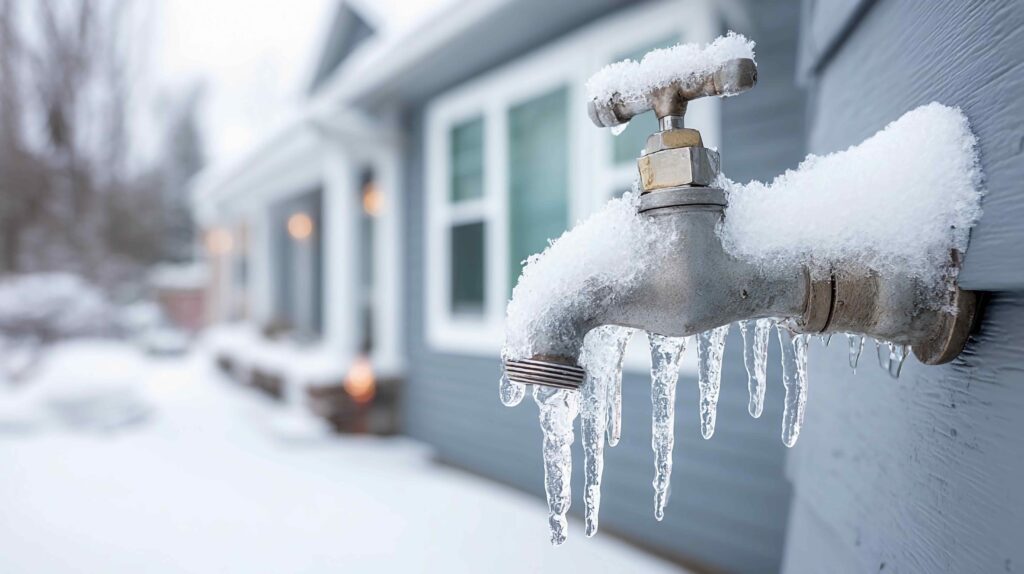
Manufacturer opinions on this vary, but most HVAC professionals advise against fully covering the unit with an airtight cover, as it can trap moisture and encourage pests to nest inside. A top cover to block falling debris is generally acceptable if the unit is not being used in winter.
Does the outdoor unit need its own electrical disconnect, and does that affect coverage?
Yes, most electrical codes require a dedicated disconnect box located within sight of the outdoor unit. This disconnect is part of the unit’s safe and code-compliant installation. A properly installed disconnect supports the unit’s classification as a permanently installed home system, which is relevant to warranty eligibility.