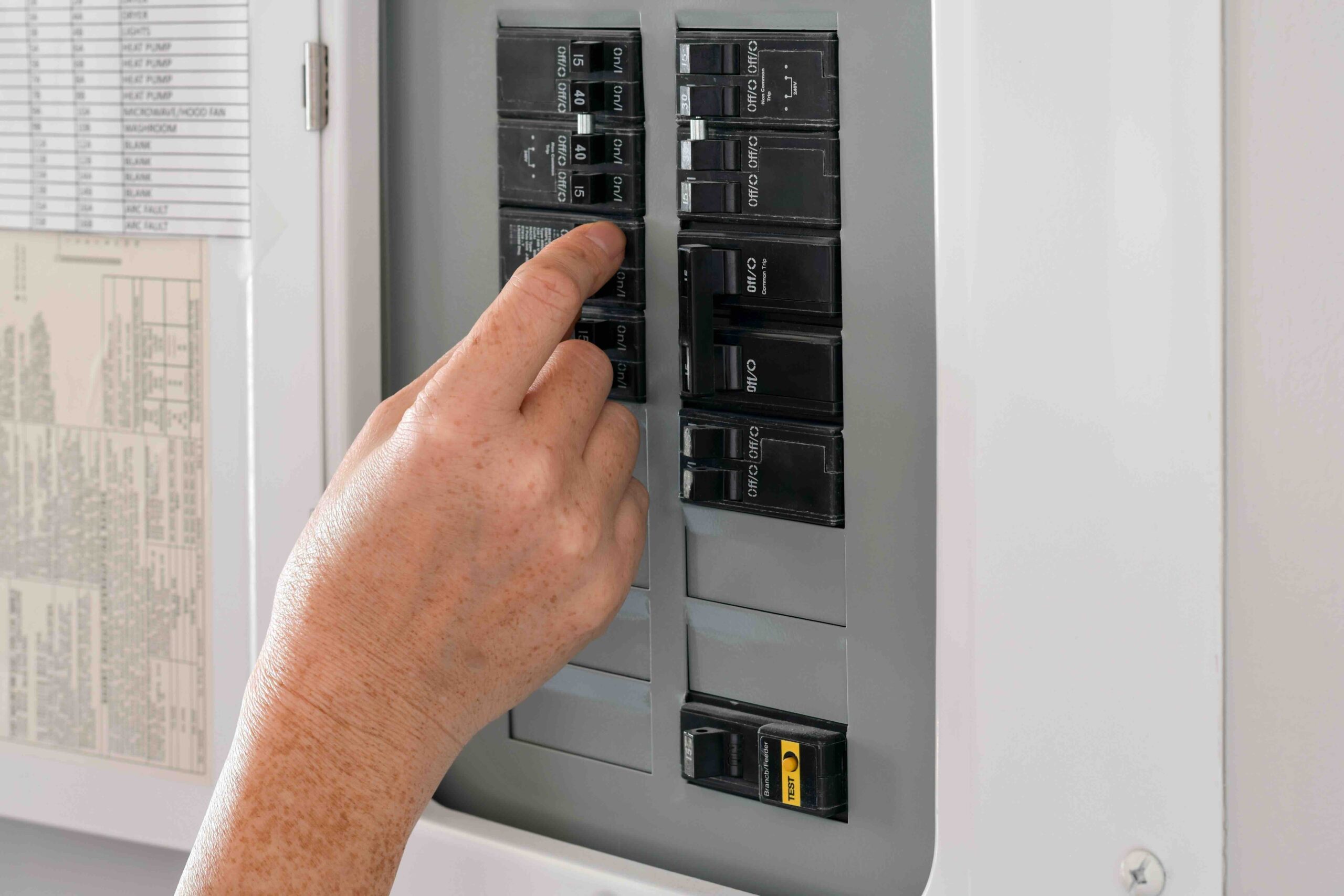
What Does It Mean When a Breaker Trips in Your Home?
You are mid-dinner, the microwave is running, someone just turned on the hair dryer down the hall, and suddenly — nothing. The lights go out in part of the house. That familiar walk to the electrical panel is about to happen. A tripped breaker is one of those home experiences almost every homeowner has had, but not everyone fully understands what actually occurred or what to do next. This guide breaks it all down in plain terms so you can handle the situation with confidence and know when it is time to call in a professional.
What Is a Circuit Breaker and What Does It Actually Do?
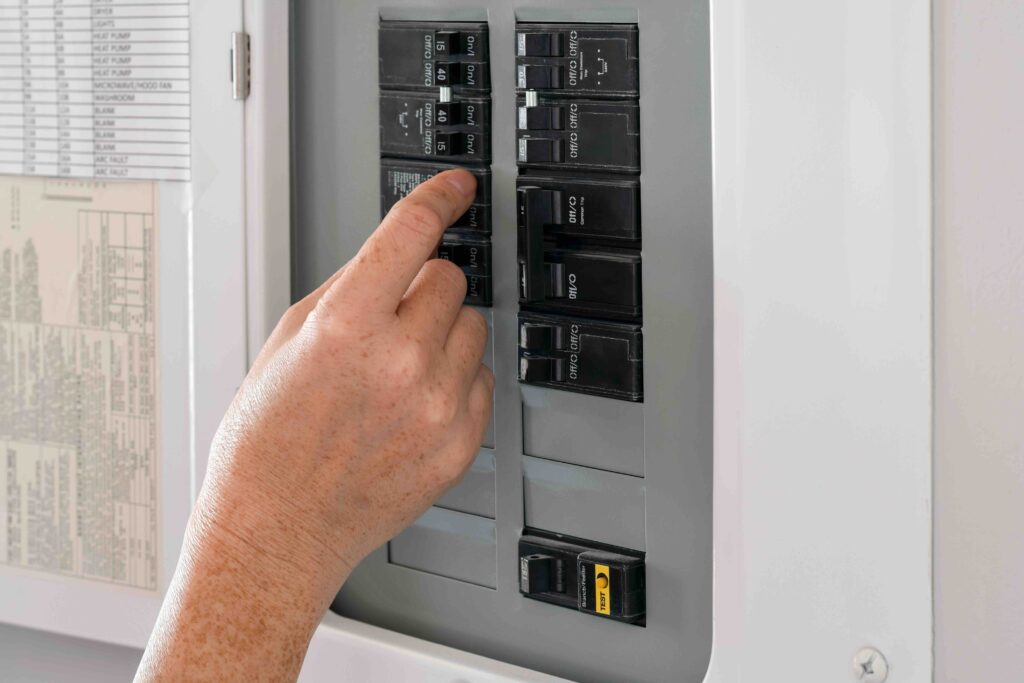
A circuit breaker is a safety device inside your home’s electrical panel — sometimes called the breaker box or load center — that automatically shuts off the flow of electricity to a specific circuit when something goes wrong. Think of it as a protective switch. Every circuit in your home, whether it powers the kitchen outlets, the bedroom lights, or the HVAC system, runs through one of these breakers. The breaker’s job is to monitor the current passing through that circuit and interrupt power if it detects a problem. Without breakers, electrical faults could generate enough heat to start a fire inside your walls before you ever noticed anything was wrong. So when a breaker trips, it is actually doing exactly what it was designed to do.
What Does “Trip a Breaker” Mean?
When someone says a breaker tripped, it means the breaker detected an unsafe condition and switched itself off to cut power to that circuit. The breaker moves from the ON position to either a middle or OFF position, depending on the panel design. It is a protective response, not a malfunction. The breaker itself is fine — it is responding to something happening on the circuit. Understanding why it tripped is the more important question, and there are typically three root causes that explain most tripped breakers in residential homes.
The Three Main Reasons a Breaker Trips
- Overloaded circuit: This happens when too many devices draw power from the same circuit at once. The total electrical load exceeds what the circuit can safely handle, and the breaker shuts down to prevent overheating.
- Short circuit: A more serious issue where a hot wire comes into contact with a neutral wire, creating an unintended path for electricity. Short circuits often produce a popping sound or burning smell and can cause visible scorch marks near outlets.
- Ground fault: Similar to a short circuit, this occurs when a hot wire touches a grounded surface or the ground wire itself. Ground fault circuit interrupter outlets, commonly seen in bathrooms and kitchens, are designed to address this specific risk.

How to Reset a Tripped Breaker Safely
Resetting a tripped breaker is straightforward, but there are a few steps worth following to do it safely. First, identify which breaker has tripped by looking for the one that is in the middle position or clearly switched to OFF. Before you reset it, unplug or turn off devices on that circuit — this reduces the load so the breaker does not trip again immediately. Next, push the breaker firmly to the full OFF position first, then switch it back to ON. You should feel or hear a click. If power is restored and everything functions normally, an overload was likely the cause. If the breaker trips again immediately, there is a deeper electrical issue that needs professional attention. Do not keep resetting a breaker that will not stay on.
When a Tripped Breaker Signals a Bigger Problem
Most tripped breakers are a nuisance at worst, but some are warning signs of more serious electrical issues. If a breaker trips repeatedly without an obvious cause, if you notice a burning smell near your panel, or if the breaker feels warm to the touch, those are red flags. Older homes with outdated wiring or panels — particularly Federal Pacific and Zinsco panels — may experience more frequent and more dangerous faults. A breaker that trips constantly may also indicate that a circuit is undersized for the modern electrical demands placed on it, which is increasingly common as households add more high-draw devices and appliances.
Advantages of Modern Circuit Breakers
Modern circuit breakers offer significant advantages over older fuse-based systems. Unlike fuses, which must be replaced after they blow, a breaker simply resets. This convenience aside, today’s arc-fault circuit interrupter breakers and ground fault circuit interrupter breakers provide more nuanced protection. AFCI breakers detect the kind of electrical arcing that can occur inside damaged or deteriorating wires — an issue traditional breakers would miss entirely. GFCI protection responds within milliseconds to ground faults, which is critical in wet areas. Many jurisdictions now require these advanced breaker types in new construction and certain renovation projects, which reflects how meaningfully the technology has evolved.
Common Drawbacks and Limitations to Know
- Nuisance tripping: Some sensitive breakers, particularly AFCI types, may trip in response to normal appliance operation in older homes with imperfect wiring, creating frustration without an actual hazard present.
- Panel age and capacity: Older electrical panels may not have sufficient amperage for modern households, and the breakers inside them may wear out over time, making them less reliable at detecting faults accurately.
- Limited protection scope: A breaker protects the wiring and circuit, not the devices connected to it. A power surge from outside the home, such as a lightning strike, may damage appliances even without tripping a breaker.
Practical Tips for Reducing Tripped Breakers at Home
A few simple habits go a long way toward preventing nuisance trips and avoiding overloads. Spreading high-draw appliances across different circuits is one of the most effective strategies — running the microwave and toaster on separate circuits, for instance. Using power strips with built-in surge protection adds a layer of defense for electronics. If certain areas of your home repeatedly trip breakers, having an electrician evaluate whether those circuits need upgrading is a smart investment. Knowing your panel layout — which breaker controls which room or appliance — is also practical knowledge that saves time during an outage and helps you communicate clearly with a contractor when something goes wrong.
How a Home Warranty Can Help When Electrical Issues Arise
Electrical system problems, including those related to your home’s wiring, panel, and internal components, can be expensive and stressful to repair. That is where a home warranty becomes a genuinely useful tool for homeowners. Armadillo’s home warranty coverage for electrical systems and appliances is designed to step in when breakdowns happen to covered components, so you are not facing a large repair bill out of nowhere. If your panel develops a fault, wiring inside the home fails, or a covered appliance takes damage from an internal electrical issue, having a plan in place means you have a clear path forward. When it comes to the kind of unpredictable electrical problems that trip breakers and leave homeowners guessing, get a free home warranty quote tailored to your home’s electrical and system needs and see how straightforward protecting your home can actually be. Armadillo brings honest coverage, transparent terms, and real support when you need it most.
Frequently Asked Questions About Tripped Breakers
Here are answers to the questions homeowners ask most often about tripped breakers, electrical panels, and what to do when power cuts out unexpectedly.
What does it mean when a breaker trips?
A tripped breaker means the circuit breaker detected an unsafe electrical condition — such as an overload, short circuit, or ground fault — and automatically cut power to that circuit to prevent damage or fire.
Is it safe to reset a tripped breaker yourself?
Yes, in most cases it is safe to reset a tripped breaker yourself. Turn off or unplug devices on the affected circuit first, push the breaker fully to OFF, then back to ON. If it trips again immediately, contact a licensed electrician.
Why does my breaker keep tripping with nothing plugged in?
If a breaker trips repeatedly with no apparent load, there may be a fault in the wiring itself, a failing breaker, or a short circuit somewhere in the circuit. This situation warrants a professional electrical inspection.
How do I know if my circuit is overloaded?
Signs of an overloaded circuit include breakers that trip when multiple appliances run simultaneously, flickering lights, and outlets or switches that feel warm to the touch. These are indicators that the circuit is carrying more load than it was designed to handle.
Can a tripped breaker cause appliance damage?
The breaker itself is designed to protect appliances and wiring, but the sudden loss of power during operation can sometimes affect sensitive electronics. A breaker tripping frequently may also indicate conditions that put appliances at risk over time.
What is the difference between a tripped breaker and a blown fuse?
Both serve the same protective purpose, but a blown fuse must be physically replaced while a tripped breaker simply needs to be reset. Modern homes use breaker panels rather than fuse boxes for this reason.
How long do circuit breakers last?
Circuit breakers are generally rated for a lifespan of 30 to 40 years, though frequent tripping, age, and manufacturer quality all influence how long they remain reliable. Older breakers may become less accurate at detecting faults over time.
Does a home warranty cover tripped breakers or electrical panels?
Many home warranty plans cover internal electrical system components, including wiring and panels, when they fail due to normal wear and tear. Coverage details vary by provider and plan, so reviewing what is included before purchasing is essential.
What type of breaker should I have in my bathroom or kitchen?
Bathrooms, kitchens, garages, and other wet or high-risk areas typically require GFCI-protected circuits. These ground fault circuit interrupter breakers or outlets respond quickly to ground faults and are required by building codes in most jurisdictions for these locations.
When should I call an electrician instead of resetting the breaker myself?
Call a licensed electrician if the breaker trips again immediately after resetting, if you detect a burning smell or see scorch marks near your panel or outlets, if the breaker feels hot, or if the panel is old and shows signs of corrosion or damage.