Why Cleaning Your Washing Machine Is More Important Than You Think
Most homeowners spend a lot of time thinking about what goes into their washing machine, and very little time thinking about the machine itself. Which is honestly understandable. You load it, run it, unload it. Repeat. But here is the thing — washing machines get dirty. Really dirty. Over time, detergent residue, hard water minerals, mold, mildew, and bacteria build up inside the drum, the gasket, the dispensers, and the drain. Left unchecked, that buildup affects your laundry, your machine’s performance, and eventually, its lifespan. Knowing what to clean a washer machine with — and how often — is one of the simplest ways to protect a major appliance in your home.
What Actually Builds Up Inside a Washing Machine
Before getting into the how, it helps to understand the what. Front-load washers are particularly prone to mold and mildew growth along the rubber door gasket because water collects there after every cycle. Top-load washers tend to accumulate detergent and fabric softener residue in the drum and dispensers. Both types can develop limescale if you live in an area with hard water. Add in lint, dirt from clothing, and general organic material, and you have a fairly unpleasant environment building up inside an appliance that is supposed to be cleaning things. The irony is real, and the solution is simpler than most people expect.
What to Clean a Washer Machine With
There are a few effective options depending on what you have on hand and how thorough you want to be. Each one targets a slightly different type of buildup, and many homeowners rotate between them.
- White vinegar: Distilled white vinegar is one of the most widely recommended natural cleaners for washing machines. It cuts through mineral deposits, neutralizes odors, and kills a broad range of bacteria. Use two cups poured directly into the drum or detergent dispenser and run a hot cycle.
- Baking soda: Often paired with vinegar, baking soda is a mild abrasive that helps scrub away residue and deodorize the drum. Add half a cup directly into the drum before running a cleaning cycle.
- Washing machine cleaning tablets or pods: Products like Affresh are designed specifically for this task. They dissolve slowly during a hot water cycle and target soap scum, residue, and odor-causing buildup effectively.
- Chlorine bleach: Bleach is a strong disinfectant and works well for sanitizing the drum, particularly if mold or mildew has already developed. Use about half a cup and run a full hot cycle. Do not combine bleach with vinegar.
- Dish soap and a microfiber cloth: For wiping down the exterior, the door seal, and the dispensers, mild dish soap diluted in warm water does the job cleanly without damaging surfaces.
How Often Should You Clean Your Washing Machine
General guidance in the appliance care industry points to once a month as the ideal cleaning frequency for most households. If you do laundry daily or have a large family, every two to three weeks is better. If you use your washer infrequently, once every six weeks is probably fine. The drum and dispensers need regular attention, but the door gasket on front-load machines should honestly be wiped down after every single use. That five-second habit prevents most of the mold problems that front-load washer owners complain about. It is one of those maintenance tasks that takes almost no time but makes a noticeable difference over months.
Step-by-Step: How to Clean a Front-Load Washing Machine
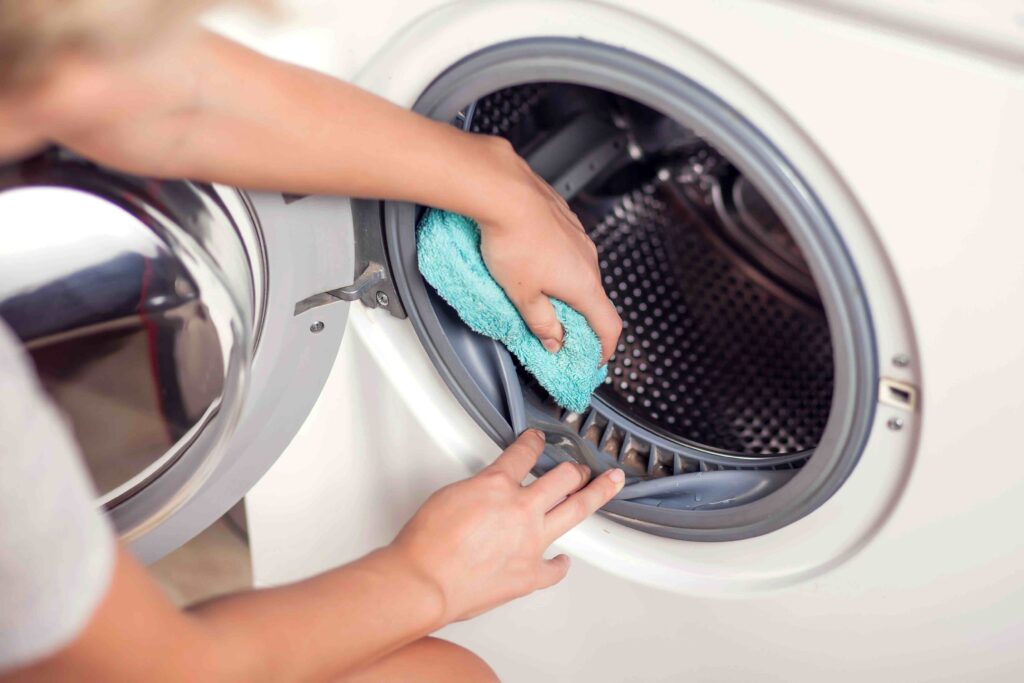
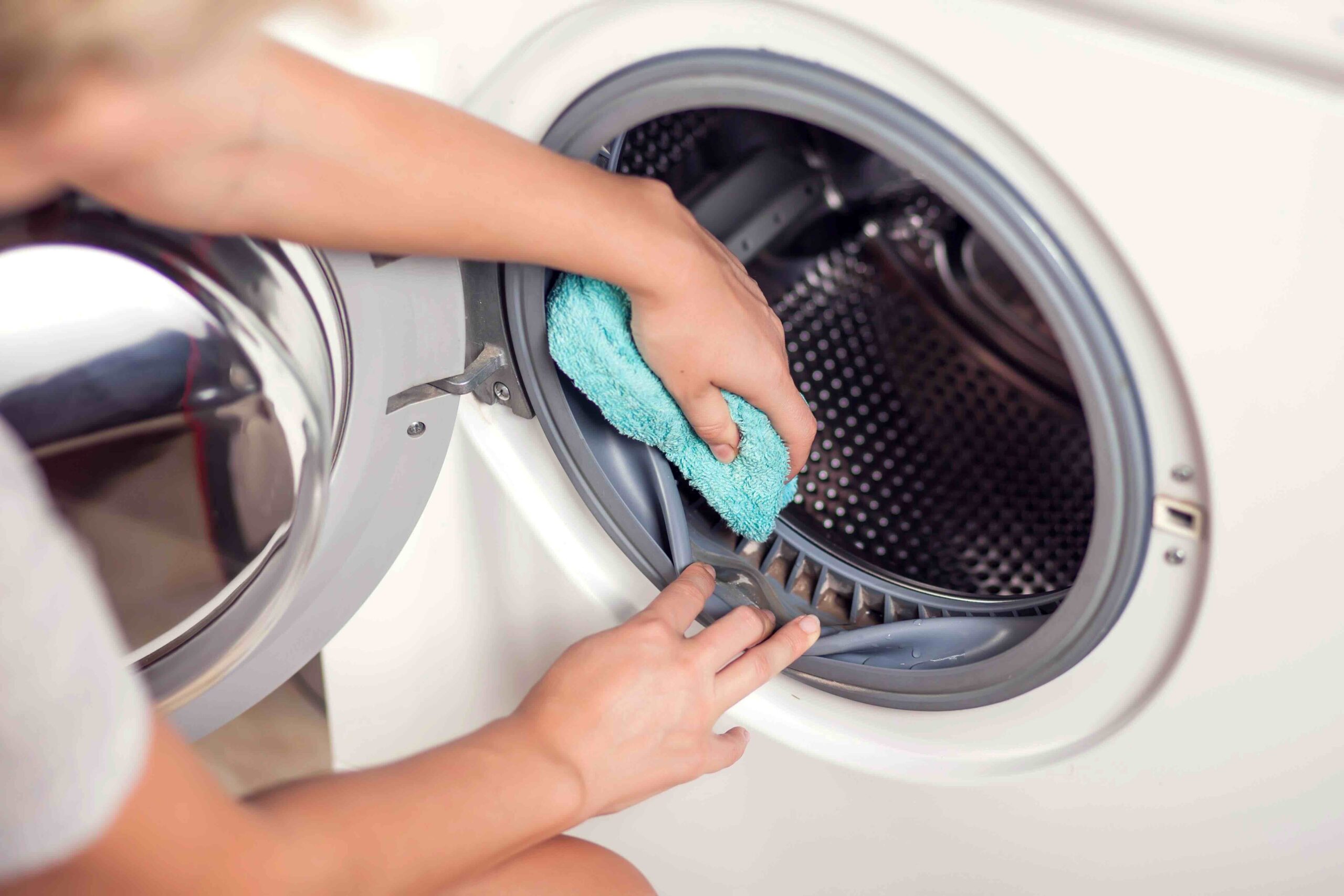
Front-load washers require a little more attention than top-loaders because of the rubber gasket around the door. Start by pulling back that gasket and wiping out any trapped moisture, hair, or debris with a damp cloth. Then add two cups of white vinegar to the detergent dispenser and run a hot, empty cycle. Follow that with half a cup of baking soda added directly into the drum and run another hot cycle. Once complete, wipe the drum interior, the door glass, and the gasket again with a dry cloth. Remove the detergent and softener dispensers if possible and rinse them under hot water. Leave the door open afterward to let everything air dry.
Step-by-Step: How to Clean a Top-Load Washing Machine
Top-load washers are generally a bit more forgiving. Fill the drum with hot water on the largest load setting, then add four cups of white vinegar. Let the machine agitate for a minute or two, then pause the cycle and let the mixture soak for an hour. This loosens residue along the drum walls and agitator. Resume and complete the cycle. Then run a second cycle using half a cup of baking soda to neutralize the vinegar and finish deodorizing the drum. Wipe down the lid, the rim, and any dispensers with a cloth dampened in warm soapy water. Same as front-loaders — leave the lid open afterward so moisture escapes.
Common Mistakes Homeowners Make When Cleaning Their Washer
Cleaning a washing machine is straightforward, but a few missteps can reduce effectiveness or even cause damage. The biggest mistake is using too much detergent in regular cycles, which accelerates residue buildup between cleanings. Another common error is mixing cleaning agents — particularly bleach and vinegar — which creates a chemical reaction that is at minimum ineffective and potentially harmful. Some homeowners also skip cleaning the filter, which on front-load machines is typically located behind a small panel near the bottom front of the unit. A clogged filter can cause drainage problems, odors, and error codes. Check and clean it every one to three months depending on usage.

The Connection Between Appliance Maintenance and Home Warranty Coverage
Here is something worth knowing if you have a home warranty or are thinking about getting one. Most home warranty providers expect homeowners to perform basic maintenance on covered appliances. A washing machine that breaks down due to normal mechanical failure is typically covered. A washing machine that breaks down because mold damage or severe buildup contributed to a component failure is a different story. Keeping up with routine cleaning creates a documented pattern of care, and that matters when a claim is evaluated. It is not about being penalized for imperfection — it is about giving your appliances the best chance of functioning correctly for as long as possible.
Signs Your Washing Machine May Need Professional Attention
Regular cleaning handles most maintenance needs, but some symptoms indicate a deeper mechanical issue that cleaning alone will not fix. Watch for the following.
- Unusual noises during the spin cycle, such as banging, grinding, or squealing, often point to drum bearing or motor issues.
- Water that does not drain properly after a cycle may indicate a failing pump or a severely clogged drain hose.
- Error codes appearing on the display panel that persist after a cleaning cycle suggest an electronic or sensor issue.
- Visible leaks from the bottom of the machine, the door, or the water connections should be addressed immediately to avoid water damage to surrounding areas.
- Clothes coming out still dirty or soapy after a normal cycle can signal a water inlet valve problem or a drum rotation issue.
Why Armadillo Is the Right Home Warranty Partner for Appliance Owners
Staying on top of washing machine maintenance is exactly the kind of responsible homeownership that pairs well with having a reliable home warranty in place. Because even when you do everything right — clean monthly, leave the door open, wipe the gasket — appliances eventually break down. Mechanical parts wear out. Electronics fail. That is just the reality of owning a home. Having coverage that steps in when a covered failure happens is what turns an expensive, stressful situation into a manageable one. Armadillo home warranty coverage for washers and major appliances is designed to give homeowners exactly that kind of straightforward, honest protection. No confusing exclusions buried in the fine print, no runaround when something goes wrong. If your washing machine quits on you despite your best maintenance efforts, coverage should feel like a relief, not a negotiation. That is the standard Armadillo holds itself to. Whether you are a first-time homeowner still learning what appliance maintenance even means or someone who has owned a home for decades and just wants peace of mind, taking a moment to get a free home warranty quote to protect your washing machine and home systems is a genuinely smart next step.

Frequently Asked Questions About Cleaning a Washing Machine
These are some of the most common questions homeowners have about washing machine maintenance, answered clearly and directly.
What is the best thing to clean a washing machine with?
White vinegar, baking soda, and commercial washing machine cleaning tablets such as Affresh are all highly effective. Each targets slightly different types of buildup, so rotating between them or combining vinegar and baking soda in separate cycles gives the most thorough result.
Can I use bleach to clean my washing machine?
Yes, chlorine bleach can be used to disinfect and sanitize the drum, especially if mold or mildew has developed. Use about half a cup and run a hot, empty cycle. Never mix bleach with vinegar or any other cleaning agent.
How often should I clean my washing machine?
Once a month is the standard recommendation for most households. High-usage households with daily laundry loads may benefit from cleaning every two to three weeks.
Why does my washing machine smell bad even after cleaning?
Persistent odors usually indicate mold or mildew trapped in the door gasket, drum crevices, or drain filter. A targeted cleaning of those specific areas using bleach or a commercial cleaner, combined with leaving the door open after every cycle, typically resolves the issue.
Is it safe to mix vinegar and baking soda in the washing machine?
Using them sequentially in separate cycles is safe and effective. Mixing them together at the same time creates a neutralizing reaction that reduces the effectiveness of both. Run your vinegar cycle first, then follow with a baking soda cycle.
Do washing machine cleaning tablets actually work?
Yes. Products like Affresh are specifically formulated to dissolve slowly during a hot water cycle and target residue, soap scum, and odor-causing bacteria. They are a convenient and effective option, especially for those who prefer not to measure liquids.
How do I clean the rubber gasket on a front-load washer?
Pull back the rubber seal and use a cloth dampened with a diluted bleach solution or white vinegar to wipe away moisture, debris, and any visible mold. For routine prevention, wiping it dry after every single wash cycle is the most effective habit.
Does cleaning my washing machine affect my home warranty coverage?
Regular maintenance supports your warranty coverage by demonstrating responsible appliance care. Most home warranty providers cover mechanical failures under normal use. Neglect that contributes to a breakdown can complicate a claim, so consistent maintenance is always in your best interest.
Where is the filter on a washing machine, and how do I clean it?
On front-load machines, the drain filter is typically behind a small access panel near the bottom front of the unit. Unscrew the cap carefully over a towel to catch residual water, remove any debris, rinse the filter under running water, and replace it securely. Clean it every one to three months.
Can a dirty washing machine damage my clothes?
Yes. Mold, mildew, and bacteria inside the drum can transfer to clothing during a wash cycle. Residue buildup can also leave visible marks or a sour smell on fabrics even after they have been washed, which is a reliable sign that the machine itself needs attention.