What It Means When Your AC Freezes Over
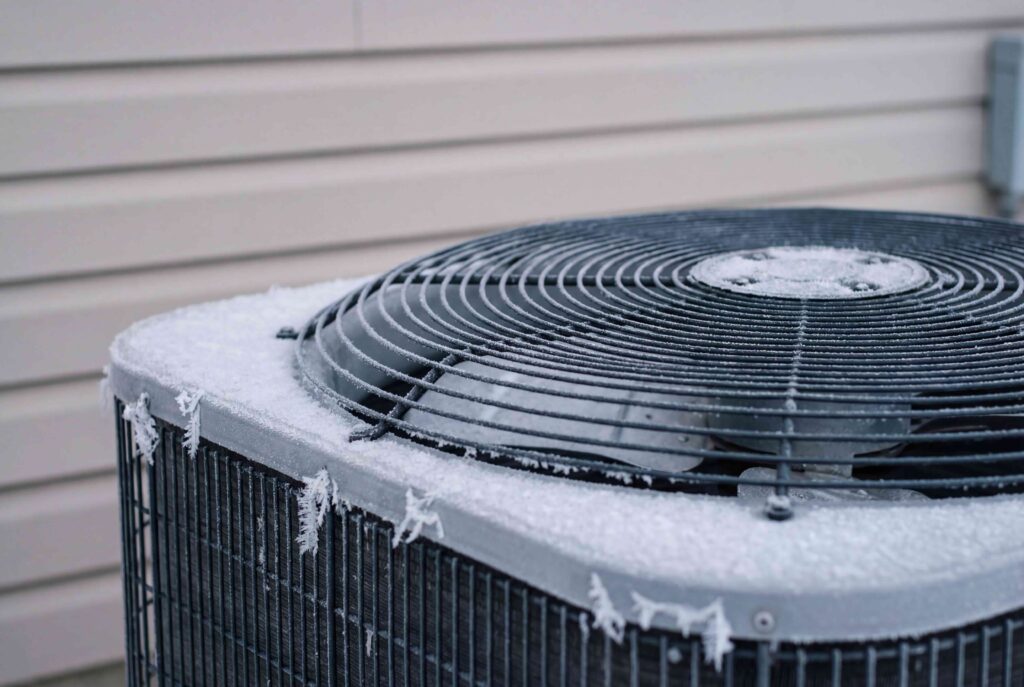
It is the middle of summer, the heat is relentless, and you walk over to your thermostat expecting relief — only to find that your air conditioner is blowing warm air. You go outside or check the unit inside, and there it is: a thick layer of ice coating the coils. It looks almost surreal. Ice, in July. On your cooling system. The instinct is to panic, but take a breath. A frozen air conditioner is one of the more common HVAC issues homeowners face, and while it does require prompt attention, it is completely manageable if you understand what is happening and why.
How an Air Conditioner Actually Works
Before understanding why an AC freezes, it helps to understand the basics of how it operates. Your air conditioning system works by cycling refrigerant through a loop that absorbs heat from inside your home and releases it outside. The evaporator coil, usually located in the indoor air handler unit, is where that refrigerant absorbs the warm indoor air. For this process to work correctly, warm air must continuously flow over those coils. When that airflow is interrupted or when the refrigerant levels drop, the coils get too cold — and any moisture in the surrounding air will freeze right onto them. That ice buildup then blocks airflow further, compounding the problem quickly.
The Most Common Causes of a Frozen AC Unit
There is not just one reason this happens, and figuring out the cause matters because the fix depends entirely on it. Here are the most frequent culprits behind a frozen air conditioner:
- Dirty or clogged air filters that restrict airflow over the evaporator coil
- Low refrigerant levels, often caused by a slow leak somewhere in the system
- Blocked or closed supply and return vents throughout the home
- A malfunctioning blower fan that is not moving air efficiently
- Running the AC when outdoor temperatures drop below 60 degrees Fahrenheit
- Dirty evaporator coils that reduce the system’s ability to absorb heat properly
Each of these issues prevents the refrigerant from warming up enough as it cycles through the coil, causing temperatures to plummet below freezing at the coil surface. It is a physics problem, ultimately, and once ice forms it tends to spread fast.
What to Do Immediately When You Notice Ice on Your AC
The first thing to do is turn the system off. Do not let it keep running with ice on the coils — that puts serious strain on the compressor, which is the most expensive component in the entire system. Switch your thermostat from “cool” to “off,” but leave the fan set to “on” rather than “auto.” This allows the fan to keep running and push warm air across the frozen coil, which speeds up the thawing process considerably. Depending on how thick the ice buildup is, this could take anywhere from one to several hours. You can also gently place towels around the indoor unit to catch dripping water as the ice melts. Do not attempt to chip or scrape the ice off manually — that is a reliable way to damage the coil fins, which are delicate and expensive to repair.
Checking the Simple Fixes First
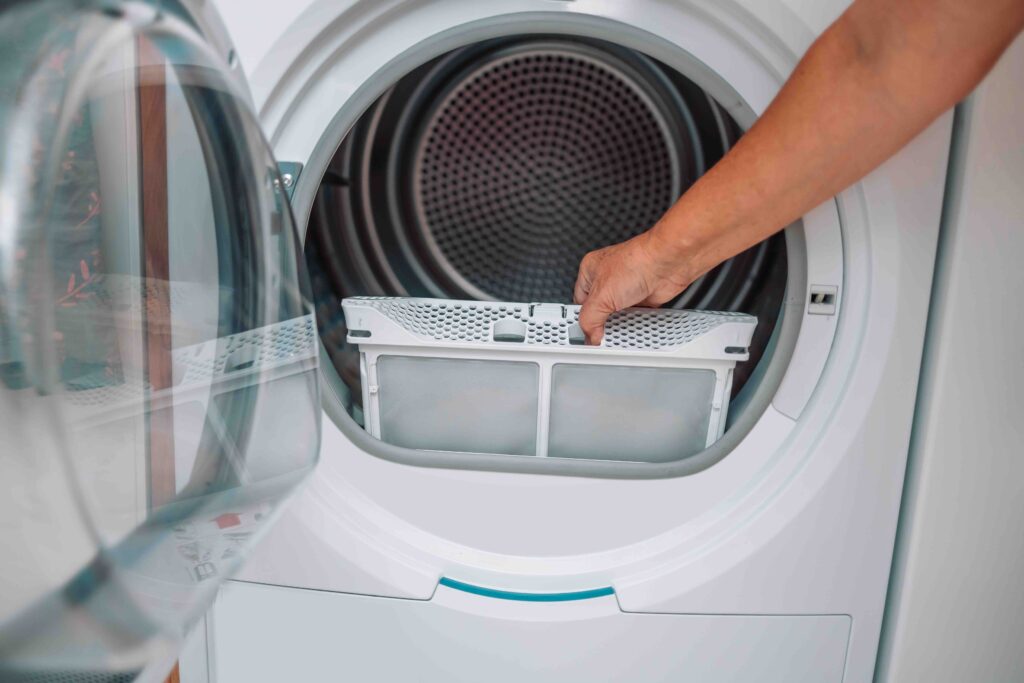
Once the unit has fully thawed, do a basic diagnostic before calling anyone. Check your air filter first — this is the number one cause of frozen coils and the easiest fix. If it looks gray and clogged, replace it. Filters should generally be replaced every one to three months depending on the type and household conditions. Next, walk through your home and make sure every supply and return vent is open and unobstructed. Furniture, rugs, and drapes blocking vents are a more common issue than most people realize. If those two things check out and the unit freezes again after restarting, the problem is likely a refrigerant issue or a mechanical fault — and that requires a licensed HVAC technician.
When to Call a Professional
Refrigerant is not something homeowners can handle on their own. It is a regulated substance, and adding or repairing refrigerant lines requires a certified HVAC technician with the proper equipment and licensing. If your system keeps freezing after you have replaced the filter and cleared the vents, that is your signal to stop troubleshooting and make the call. Other signs that professional service is needed include unusual noises coming from the unit, visible damage to the coils, water damage around the air handler, or a system that trips the circuit breaker when it runs. These are not DIY situations — they are repair calls.

Preventing Your AC From Freezing in the Future
Maintenance is the most effective tool in your arsenal here. A well-maintained air conditioning system is far less likely to freeze up, and the steps to keep it that way are not complicated. Change your air filter on a regular schedule. Have the evaporator and condenser coils professionally cleaned at least once a year. Schedule an annual HVAC tune-up before the cooling season begins — a technician will check refrigerant levels, test the blower motor, inspect electrical connections, and catch developing problems before they turn into expensive repairs. Keep vegetation and debris cleared away from the outdoor condenser unit to ensure proper airflow. These habits cost relatively little and pay for themselves in avoided repairs and extended system life.
The Cost Reality of AC Repairs
Here is where things can sting. A simple filter replacement costs a few dollars. But a refrigerant recharge can run anywhere from $150 to $400 depending on the type of refrigerant and the amount needed. If there is a leak, finding and repairing it adds more. A blower motor replacement can cost between $300 and $600 in parts and labor. And if a frozen coil causes compressor damage because the system ran too long in a compromised state, you could be looking at $1,000 to $2,500 or more — or a full system replacement if the unit is older. These are not hypothetical numbers. They are the real costs that homeowners face every season, often without warning and never at a convenient time.
How a Home Warranty Can Protect You From Unexpected HVAC Costs
This is where having a home warranty changes the conversation entirely. A home warranty is a service contract that covers the repair or replacement of major home systems and appliances when they fail due to normal wear and tear. A quality plan typically includes your heating and cooling system, which means when your AC freezes over and the underlying cause turns out to be a failed blower motor or a refrigerant leak, you are not absorbing that full repair bill on your own. You pay a service call fee, and the covered repair is handled. That kind of financial predictability is genuinely valuable, especially for homeowners who rely on their HVAC system heavily or have an older unit that is statistically more likely to need service.
Why Armadillo Is the Right Partner When Your AC Needs Attention
When your air conditioner freezes over and the repair estimate lands in your inbox, having a trusted home warranty provider already in your corner makes a meaningful difference. Armadillo was built specifically for homeowners who want straightforward, no-surprise coverage for the systems and appliances they depend on most. If you have been thinking about what it would look like to have real protection for your HVAC system before the next breakdown, Armadillo home warranty coverage for heating and cooling systems is designed to give you exactly that clarity. The plans are transparent, the process is simple, and the coverage is built around real homeowner needs. If you are ready to stop gambling on repair costs and start the cooling season with confidence, you can get a free home warranty quote for your AC and major home systems in just a few minutes. Your future self — the one standing in front of a frozen AC unit in August — will appreciate that you did.

Frequently Asked Questions About a Frozen Air Conditioner
These are some of the most common questions homeowners ask when their AC unit freezes over, answered clearly and directly.
Why is there ice on my air conditioner in the summer?
Ice forms on an AC unit when the evaporator coil drops below freezing, which happens when airflow is restricted, refrigerant is low, or the blower fan is not functioning properly. The coil needs warm air flowing over it continuously to stay in the correct temperature range.
Can I run my AC if it is frozen?
No. Running a frozen air conditioner puts excessive strain on the compressor and can cause serious, expensive damage. Turn the system off and allow it to thaw completely before restarting it.
How long does it take for a frozen AC to thaw?
Thawing time depends on the severity of the ice buildup. With the system off and the fan running on its own, most units thaw within one to three hours. Severe cases may take longer.
Will a dirty air filter cause my AC to freeze?
Yes, a clogged air filter is one of the leading causes of a frozen AC unit. When the filter is too dirty, it restricts the airflow over the evaporator coil, causing the coil temperature to drop below freezing.
Can low refrigerant cause an air conditioner to freeze?
Yes. Low refrigerant causes the pressure inside the system to drop, which lowers the temperature of the evaporator coil significantly. Moisture in the surrounding air then freezes onto the coil surface.
Is a frozen AC covered by a home warranty?
It depends on the cause. If the freeze results from a mechanical failure such as a faulty blower motor, a refrigerant leak, or a failed component, most home warranty plans will cover the repair. Issues resulting from lack of maintenance may be excluded depending on the terms of your specific plan.
How do I prevent my AC from freezing again?
Change your air filter regularly, keep all vents open and unobstructed, schedule annual HVAC maintenance, and have refrigerant levels checked by a professional if the system has had issues in the past.
What happens if I ignore a frozen AC unit?
Ignoring it and continuing to run the system can damage the compressor, which is the most costly component of the air conditioning system. Water damage from ice melting uncontrolled can also affect the surrounding area and the air handler unit itself.
Can I add refrigerant to my AC myself?
No. Refrigerant handling is regulated and requires a certified HVAC technician with proper licensing and equipment. Attempting to handle refrigerant without certification is both illegal and dangerous.
How often should I have my AC professionally serviced to avoid freezing issues?
At minimum, once per year before the start of the cooling season. A professional tune-up includes checking refrigerant levels, testing the blower motor, inspecting coils, and identifying any developing issues before they cause a breakdown.