What to Do When Your Freezer Stops Working: A Homeowner’s Action Plan
You open the freezer expecting a solid wall of cold air, and instead you get room temperature disappointment. The ice cream is soft, the meat feels questionable, and your brain starts cycling through worst-case scenarios. It happens. Freezers are workhorses, and like any appliance that runs continuously without much acknowledgment, they eventually push back. Knowing what to do in the first hour — and what to do in the days that follow — can save you hundreds of dollars in spoiled food and unnecessary repair bills. This guide walks you through it all, step by step.
Do Not Panic: Start With These Immediate Steps
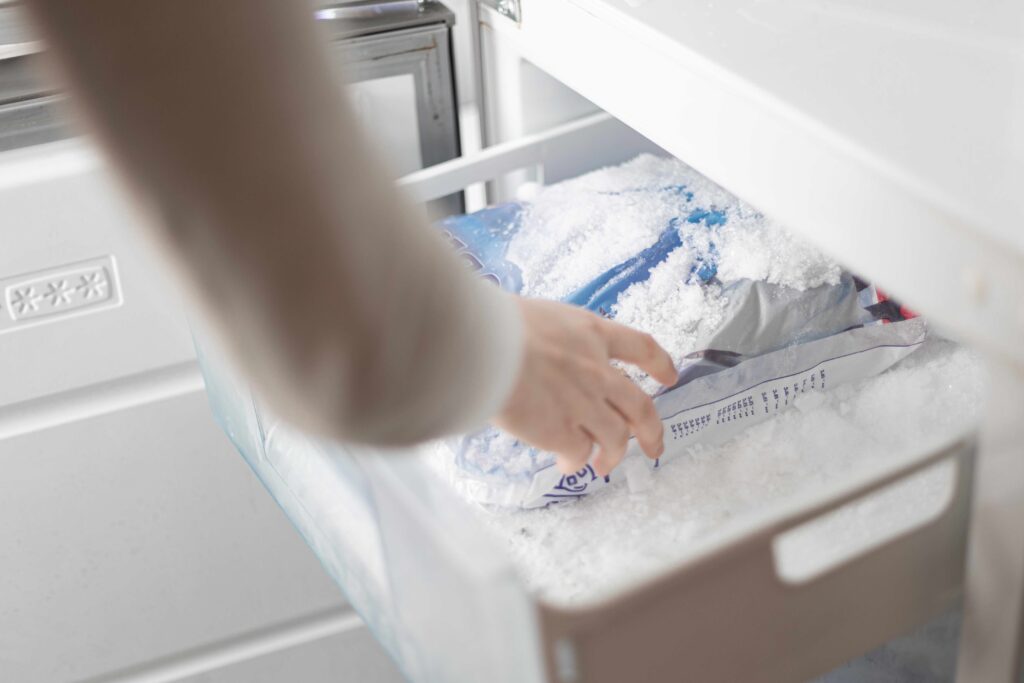
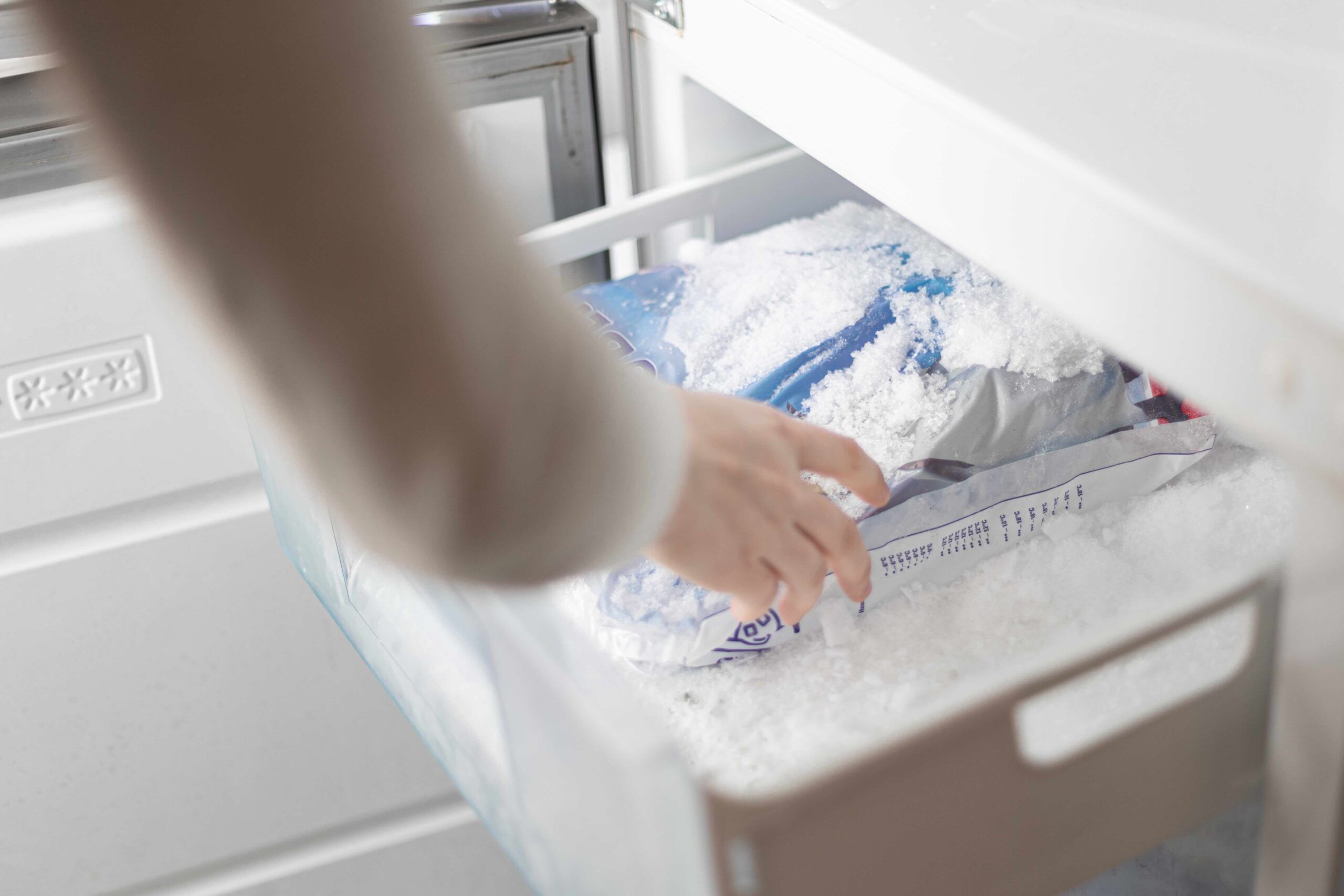
The moment you notice your freezer is not functioning properly, resist the urge to start pulling everything out. Your first move should be checking a few basic things before assuming the appliance has failed entirely. Check whether the unit is still plugged in — it sounds obvious, but plugs get jostled. Verify that the circuit breaker for that outlet has not tripped. Take a look at the temperature control dial or digital panel inside the freezer; sometimes settings get accidentally changed. If the freezer is running but not cold enough, the issue might be something minor, like a dirty condenser coil or a door seal that is not closing properly. Catching something small early is always better than calling a technician for a fix that takes ten seconds.
How Long Does Food Stay Safe in a Non-Working Freezer?
This is the question that matters most in the short term. According to food safety guidelines, a fully stocked freezer that remains closed will keep food safe for approximately 48 hours after losing power or function. A half-full freezer offers closer to 24 hours of safe storage. The key variable here is whether you keep the door closed. Every time you open it, you release the cold air that is protecting your food. If you suspect your freezer has been down for several hours and you are not sure when it stopped working, check the internal temperature. Anything at or below 40 degrees Fahrenheit is still within a safe range. Above that threshold, perishable items should be evaluated carefully, and when in doubt, it is better to discard than to risk it.
Common Reasons a Freezer Stops Working
Freezers fail for a surprisingly short list of reasons, and many of them are diagnosable without any special tools. Understanding the root cause helps you decide whether this is a DIY fix, a repair call, or a replacement conversation.
- Faulty start relay: This small component helps the compressor start. If it fails, the compressor never kicks on and the freezer simply does not cool.
- Dirty condenser coils: Coils clogged with dust and debris cannot release heat efficiently, which leads to cooling failure over time.
- Defrost system malfunction: If the defrost heater, thermostat, or timer fails, ice builds up and eventually blocks airflow entirely.
- Damaged door gasket: A worn or cracked seal allows warm air to continuously enter, making it impossible for the freezer to maintain temperature.
- Compressor failure: This is the most serious and expensive issue. The compressor is the heart of the cooling system, and replacing it often costs as much as a new unit.
- Refrigerant leak: Less common in sealed residential units, but a refrigerant issue will cause gradual cooling loss that is hard to miss once it progresses.
Should You Repair or Replace Your Freezer?
This is the question most homeowners struggle with, and honestly, there is no universal answer. The general rule of thumb in the appliance industry is to use the 50 percent rule: if the repair cost exceeds 50 percent of the cost of a new unit, replacement usually makes more financial sense. Age matters too. A freezer that is under eight years old and in otherwise good condition is usually worth repairing, provided the issue is not a compressor replacement. Units older than 12 to 15 years are approaching the end of their expected lifespan, and putting significant money into an aging appliance can feel like a losing proposition. Get a repair estimate first, then compare it against current replacement costs before committing either way.

How to Protect Your Food While Waiting for Repairs
Once you have confirmed the freezer is down and you are waiting on a repair technician or a replacement unit, protecting your food becomes the priority. If the outage is going to extend beyond 24 to 48 hours, consider these practical options. Reach out to neighbors or family nearby who may have spare freezer space. Purchase bags of ice and a large cooler to hold the most valuable items, prioritizing meat, seafood, and anything that took significant time or money to stock. If you live in a climate where outdoor temperatures are consistently below freezing, a sealed cooler kept outside can serve as a temporary storage option, though food safety standards still apply. Document the contents of your freezer with photos before doing anything else — this matters for both warranty claims and potential insurance reimbursement.
When to Call a Professional Technician
Some freezer issues call for a trained appliance technician, and knowing when to make that call saves time and prevents accidental damage. If the compressor is running but the unit is not cooling, or if you hear unusual clicking or humming sounds, those are signs of a mechanical issue that goes beyond basic maintenance. Any issue involving refrigerant requires a certified technician, full stop — handling refrigerant without proper credentials is both illegal and dangerous. If the defrost system has failed and ice has completely blocked the evaporator coils, a technician can safely clear it and replace the faulty component. Attempting to force-thaw a blocked coil with a heat source is one of the most common causes of secondary damage in DIY repair attempts.
Maintenance Tips to Prevent Future Freezer Failures
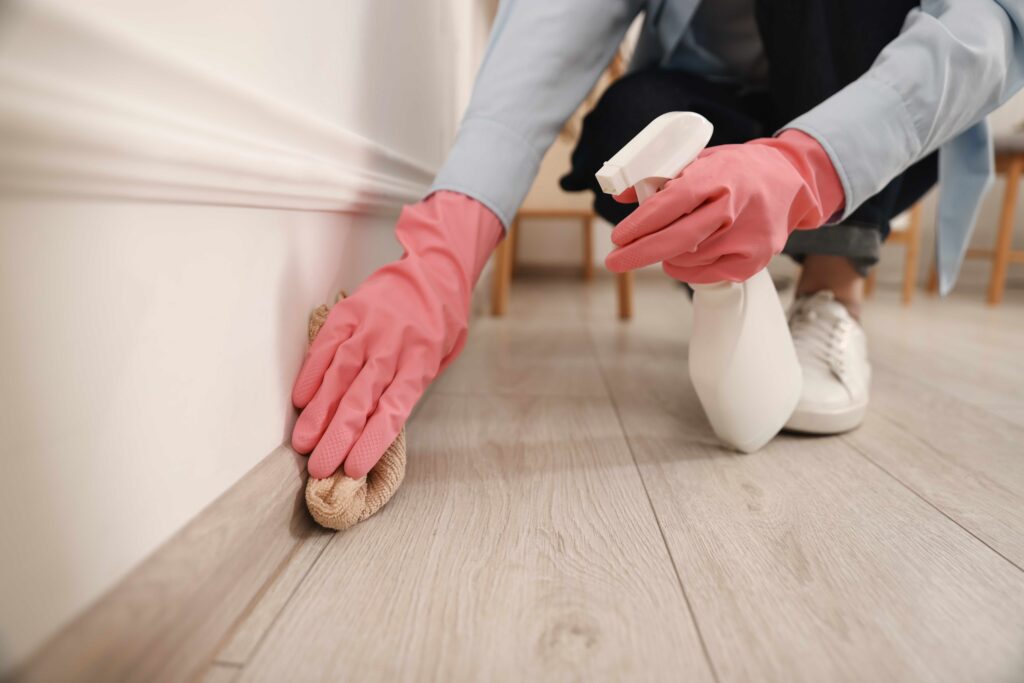
The best repair is the one that never needs to happen. Consistent, simple maintenance extends the life of a freezer significantly and reduces the likelihood of unexpected breakdowns. Clean the condenser coils at least once a year using a coil brush or vacuum — this alone prevents a large percentage of cooling-related failures. Inspect the door gasket periodically by closing the door on a piece of paper; if you can pull the paper out easily, the seal is too loose and needs to be replaced. Avoid overpacking the freezer to the point where air cannot circulate, and never block the internal vents. Keep the freezer at least a few inches away from walls to allow proper heat dissipation from the condenser coils. And finally, if your unit has a manual defrost setting, follow the manufacturer’s recommended schedule.
Does a Home Warranty Cover Freezer Repairs?
This is a question worth asking before the freezer ever fails. A home warranty is a service contract that covers the repair or replacement of major home systems and appliances when they break down due to normal wear and tear. Freezers — both standalone units and refrigerator-freezer combinations — are commonly included in appliance coverage plans. When a covered appliance fails, the homeowner contacts the warranty provider, who dispatches a qualified technician. If the repair is covered, the homeowner typically pays only a service call fee rather than the full cost of parts and labor. Coverage terms vary by provider, so it is worth reviewing what is and is not included, particularly around compressor coverage, which tends to be the most expensive freezer repair.
Why Armadillo Is the Right Partner When Your Freezer Lets You Down
When a freezer stops working, the last thing you want is to navigate a complicated claims process or wait days for a technician callback. That is where having the right home warranty provider in your corner genuinely changes the experience. Armadillo home warranty coverage for freezers and major appliances is built around transparency, speed, and service you can actually count on. There are no confusing exclusions buried in the fine print, and no runaround when something breaks. If you are ready to stop gambling on repair bills and start protecting the appliances your household depends on every single day, you can get a free home warranty quote that covers freezer repairs and replacements in just a few minutes. Coverage that works when you need it most — that is what Armadillo delivers.

Frequently Asked Questions About What to Do When Your Freezer Stops Working
Real questions homeowners ask when their freezer fails — answered clearly and without the runaround.
How do I know if my freezer has actually stopped working or just needs an adjustment?
Start by checking the power connection, circuit breaker, and temperature settings. If the unit is running but not cold, listen for the compressor cycling on and off. If none of those checks reveal an obvious issue and the interior temperature is rising, the freezer has likely experienced a mechanical failure that requires diagnosis.
How long can food stay frozen in a freezer that stopped working?
A fully packed freezer that remains closed will keep food safe for up to 48 hours. A half-full freezer provides roughly 24 hours of safe storage. Do not open the door more than necessary, as each opening accelerates temperature loss.
What temperature should my freezer be set to under normal conditions?
The recommended freezer temperature is 0 degrees Fahrenheit or minus 18 degrees Celsius. This temperature keeps food safely frozen and prevents bacterial growth in the event of brief temperature fluctuations.
Can I fix a broken freezer myself?
Some issues, like a dirty condenser coil or a worn door gasket, are manageable for a handy homeowner. However, problems involving the compressor, refrigerant, or internal electrical components should be handled by a qualified appliance repair technician to avoid injury or further damage.
What is the average cost to repair a freezer?
Repair costs vary widely depending on the problem. Minor repairs like a thermostat or start relay replacement typically range from $100 to $200. Compressor replacement can cost $300 to $600 or more, which is often close to or exceeding the cost of a new unit.
Does homeowners insurance cover a broken freezer?
Standard homeowners insurance generally does not cover appliance breakdowns due to mechanical failure. However, some policies include food spoilage coverage if the cause is related to a covered peril such as a power outage caused by a storm. A home warranty is the more appropriate product for mechanical appliance failures.
Does a home warranty cover freezer repairs and replacements?
Yes, many home warranty plans include freezer coverage under their appliance protection tier. Coverage typically applies to mechanical and electrical failures resulting from normal use. Coverage specifics vary by provider, so reviewing what components are included — particularly the compressor — is important before purchasing a plan.
How often should I clean the condenser coils on my freezer?
Condenser coils should be cleaned at least once per year. If the freezer is in a dusty environment or you have pets, cleaning every six months is a better practice. Clogged coils are one of the leading causes of preventable freezer failures.
What should I do with spoiled food after a freezer breakdown?
Discard any food that has been above 40 degrees Fahrenheit for two hours or more, including meat, seafood, poultry, and dairy-based items. Some foods like hard cheeses, bread, and fruits may still be safe depending on their condition. When in doubt, throw it out.
How long does the average standalone freezer last?
Most standalone freezers have a lifespan of 12 to 20 years with proper maintenance. Chest freezers tend to last longer than upright models due to their simpler mechanical design. Regular cleaning and avoiding overloading the unit contribute significantly to longevity.