What to Do When the Hot Water Stops Working: Understanding Your Water Heater System
There’s a moment that always seems to arrive at the least convenient time: you step into the shower, expecting a warm cascade, and instead get a jarring blast of cold. Your hot water isn’t working, and suddenly your whole morning routine is off. For most homeowners, the water heater is a background workhorse—until it stops delivering. At that moment, understanding how your hot water system works becomes crucial. Whether you’re troubleshooting the issue yourself or deciding if it’s time to call in professional help, arming yourself with knowledge is key. In this article, we’ll explore how water heaters operate, the possible reasons your hot water isn’t working, and how home warranty coverage can play an essential role in long-term peace of mind.
Understanding How a Water Heater Works
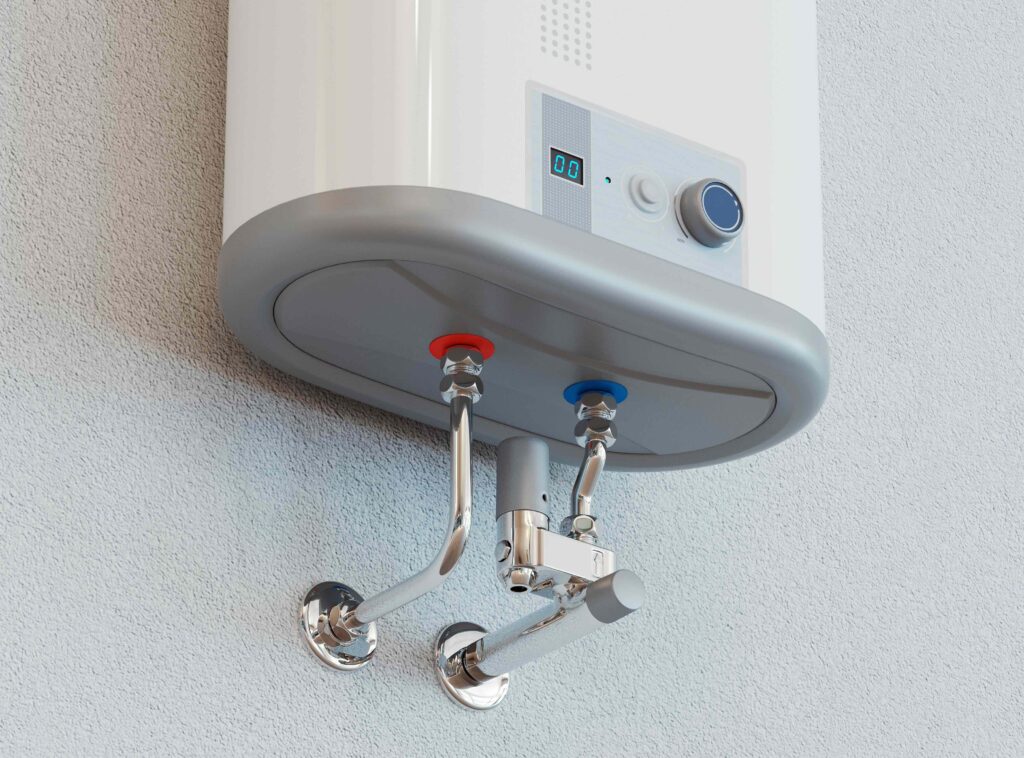
Your household water heater is a vital part of your plumbing system. Its sole purpose is to heat cold water and distribute it through your home’s hot water lines. Most homes have one of two types: a storage tank water heater or a tankless water heater. A traditional tank model keeps a reservoir of water heated and ready to use, while a tankless version heats on demand as water flows through it.
Water heaters can be powered by electricity, natural gas, or propane. Electric heaters use heating elements submerged in the tank, while gas models utilize a burner located beneath the tank. Tankless versions rely on coils or heating units that activate when hot water is requested, offering energy efficiency and unlimited hot water—when functioning properly.
Common Causes When the Hot Water Stops Working
When hot water suddenly stops, several potential causes come into play. For electric tank water heaters, one of the first suspects is often a tripped circuit breaker. Gas water heaters, on the other hand, could suffer from a blown-out pilot light or a faulty thermocouple. With tankless systems, issues like mineral buildup, improper sizing, or electronic failure could be the culprit. Sometimes, the root cause is external—such as a recent power outage or a disruption in your gas supply.
Each scenario requires a different solution. That’s why it’s important to observe any irregularities: Is the water completely cold or just lukewarm? Is the issue affecting only some fixtures or the entire house? The pattern helps determine whether you have a system-wide problem or a localized plumbing concern.
Initial Steps to Troubleshoot Your Water Heater
Before calling in a professional, there are a few steps you can take to assess your system. For electric water heaters, start by checking the breaker panel. A tripped breaker is a quick, low-stakes fix. You can also inspect the reset switch on the thermostat panel of the heater itself. If you have a gas unit, ensure the pilot light is lit. If not, follow the manufacturer’s guidelines to safely relight it—only if you’re comfortable doing so. Never force or bypass safety mechanisms.
If you have a tankless unit, errors codes are your starting point. Refer to the user manual to interpret these messages, which may point to a blocked vent, system scale, or electrical issue. In any case, if you’re unsure or the problem persists, it’s time to escalate to a licensed technician.
Pros and Cons of Different Water Heater Types
When considering a new water heater—or simply evaluating your current one—it helps to weigh the benefits and drawbacks. Traditional tank units offer lower upfront costs and are widely available. Their main disadvantage lies in limited hot water capacity and higher energy usage over time. Tankless systems, meanwhile, offer energy efficiency and endless hot water, but they often come with a higher installation cost and may struggle with supply in large households.
Gas units typically provide faster recovery times and cost less to operate than electric models, but require proper ventilation and access to a gas line. Electric heaters are easier to install and safer in homes without natural gas but may add to your energy bill if poorly insulated.
When to Repair vs. Replace Your Water Heater
The decision to repair or replace depends on the age, condition, and efficiency of the unit. Most storage tank water heaters last between 8 to 12 years, while tankless units can function well for up to 20 years with proper maintenance. If your unit is relatively young and the issue is minor—like a faulty thermostat or heating element—a repair makes the most sense. However, if your water heater is nearing the end of its expected lifespan, replacement may offer better long-term value than continuing to invest in repairs.
Other signs it may be time to replace include frequent breakdowns, rusty water, rumbling noises, or visible tank corrosion. These issues often indicate the system is deteriorating from the inside out.
The Role of Home Maintenance and Preventative Care
Routine maintenance can dramatically increase your water heater’s efficiency and longevity. Flushing the tank annually removes sediment buildup, which affects heating efficiency and leads to corrosion. Checking the anode rod—a metal element that protects the tank from rust—once every 1-3 years can also extend the system’s life. Tankless systems benefit from descaling treatments to prevent mineral deposits from clogging water lines.
Regular inspections also help uncover small issues before they become costly repairs. Watching water temperature trends, inspecting for leaks, and testing pressure relief valves are all simple actions that promote system health. Homeowners who proactively maintain their water heater reduce the likelihood of sudden breakdowns and preserve overall system performance.
How Home Warranty Coverage Helps When Hot Water Systems Fail
Major home system failures tend to come without warning—and at the worst possible time. That’s where a home warranty can become invaluable. Coverage varies, but most home warranty plans include water heater repair or replacement when failure is due to normal wear and tear. This eliminates the stress of sourcing and vetting a technician at short notice and helps shield your budget from sudden, steep repair costs.
With a reliable home warranty, claims are simple. When your hot water stops working, you can submit a request through your plan provider and get a licensed technician to diagnose the issue. If the water heater needs to be repaired or replaced, the warranty typically covers the expense minus any service fee.
Why Armadillo Is the Smarter Choice for Water Heater Protection
When your hot water suddenly disappears, the only thing more frustrating than the cold is scrambling for a reliable solution. That’s why homeowners choose Armadillo for smart, seamless home warranty coverage. Our plans are designed with speed, transparency, and coverage clarity in mind—so when your water heater goes out, you’re not left in the cold.
We understand what homeowners need in critical moments: fast answers, trusted service providers, and costs that don’t spiral out of control. With Armadillo, you get all of the above—and then some. Whether you need a quick fix or full system replacement, our customer-first approach puts convenience at the front of the line. Explore our plans and find your best fit at armadillo.one. Ready to get started now? Build your customized home warranty plan in just a few clicks at our plan builder.