
What You Need to Know Before Replacing Your Home’s Air Conditioner
Few household moments carry quite the same dread as walking into a sweltering house and realizing your air conditioner has given up. It happens in the worst possible timing — usually the first scorching day of summer, naturally — and suddenly you are staring down one of the most significant home system purchases you will ever make. A new air conditioner is not a small decision. The costs are real, the options are genuinely confusing, and the stakes are high if you choose the wrong unit for your home. This guide breaks down everything a homeowner should understand before making that call, from how central air systems actually work to what to watch for when a replacement becomes unavoidable.
How a Central Air Conditioning System Actually Works
Central air conditioning works through a fairly elegant cycle of heat exchange. Your system pulls warm indoor air across a set of evaporator coils that are filled with refrigerant. The refrigerant absorbs the heat from the air, then travels to the outdoor condenser unit, where that heat is released outside. The now-cooled air gets pushed back through your ductwork and into each room of your home. This entire loop runs continuously until your thermostat registers that the target temperature has been reached. The two main components — the indoor air handler and the outdoor condenser — have to work in sync, which is why replacing just one part of a mismatched system can create efficiency and reliability problems down the road.
Signs Your Air Conditioner Needs to Be Replaced, Not Repaired
There is always a temptation to repair rather than replace, and honestly, sometimes that is the right call. But there are clear signals that a replacement is the smarter long-term investment. Knowing the difference saves money and prevents the frustration of repeated service calls on a system that has simply run its course.
- Your unit is more than 10 to 15 years old and is experiencing frequent breakdowns
- Repair costs are approaching or exceeding 50 percent of the price of a new system
- Your energy bills have been climbing steadily without any change in usage habits
- The system uses R-22 refrigerant, which has been phased out and is now expensive and difficult to source
- Rooms in your home are inconsistently cooled regardless of how long the system runs
- The unit is making persistent grinding, banging, or rattling noises that recur after service
Understanding SEER Ratings and Why Efficiency Matters
When shopping for a new air conditioner, you will encounter the term SEER almost immediately. SEER stands for Seasonal Energy Efficiency Ratio, and it measures how efficiently a unit converts electricity into cooling output over an entire season. A higher SEER rating means the system uses less energy to produce the same amount of cooling. As of 2023, the minimum SEER rating for new units sold in most of the United States is 14 or 15, depending on your region. High-efficiency units can reach SEER ratings of 20 or higher. While those premium models carry a higher upfront cost, they typically deliver meaningful savings on monthly energy bills — especially in climates where air conditioning runs for a significant portion of the year.

Choosing the Right Size Air Conditioner for Your Home
This is one of the most common and costly mistakes homeowners make — choosing a unit based on price or brand rather than the correct size for their home. Air conditioners are sized in tons, which refers to cooling capacity rather than physical weight. A unit that is too small will run constantly without ever adequately cooling the space. A unit that is too large will short-cycle, meaning it turns on and off rapidly, which reduces efficiency, increases wear, and fails to properly dehumidify the air. The correct size is determined by a Manual J load calculation, which accounts for your home’s square footage, ceiling height, insulation levels, window placement, local climate, and several other variables. Any reputable HVAC contractor should perform this calculation before recommending a system size.
Key Advantages of Installing a New Air Conditioning System
Replacing an aging air conditioner comes with a notable set of benefits that go well beyond simply restoring cool air to your home. Modern systems are substantially more energy-efficient than units manufactured even a decade ago, which translates directly to lower utility costs. Newer models also tend to operate more quietly, offer better humidity control, and integrate seamlessly with smart thermostats for enhanced scheduling and remote access. From a home value standpoint, a new HVAC system is often cited by real estate professionals as one of the improvements that most positively influences buyer confidence and perceived home value. There is also the reliability factor — a new system under warranty means fewer emergency service calls and more predictable performance during peak season.
Common Drawbacks and Costs to Plan For
It would not be fair to discuss a new air conditioner without acknowledging the challenges. The upfront cost of a new central air system — including equipment and professional installation — typically ranges from four thousand to ten thousand dollars or more, depending on the size of the home, the efficiency tier selected, and regional labor rates. Installation requires licensed HVAC technicians, permit pulls in most jurisdictions, and sometimes ductwork modifications if the existing system is not compatible. Lead times for equipment can also be a factor during peak summer demand. Additionally, even a brand-new system requires regular maintenance — annual tune-ups, filter changes, and coil cleaning — to sustain performance and protect the manufacturer’s warranty. These are ongoing costs that should be factored into any budget planning.
What to Expect During a Professional Air Conditioner Installation
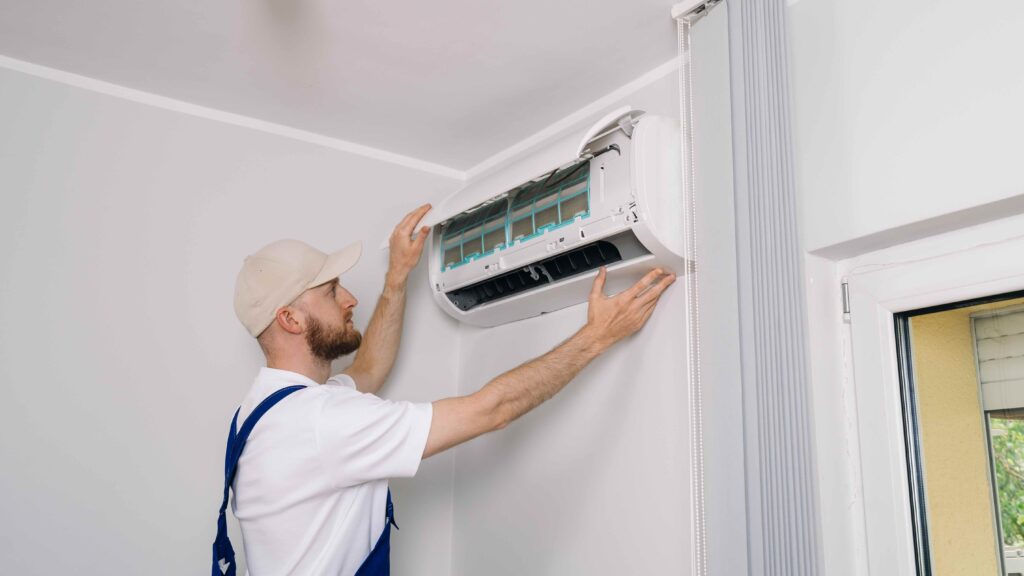
A quality installation is not a one-afternoon job. A thorough process involves removing and properly disposing of the old equipment, handling refrigerant according to EPA regulations, installing the new air handler and condenser, connecting refrigerant lines and electrical components, testing for proper airflow and refrigerant charge, and verifying that the system communicates correctly with your thermostat. Contractors should also inspect and seal any visible ductwork issues while they have access. The job typically takes four to eight hours for a straightforward replacement, longer if modifications are required. Always request a written estimate, verify that the contractor is licensed and insured, and confirm that both the equipment and labor come with a documented warranty before work begins.
Practical Tips for Maintaining Your New Air Conditioner
- Replace air filters every one to three months depending on usage and household factors like pets or allergies
- Schedule a professional maintenance check each spring before cooling season begins
- Keep the area around the outdoor condenser clear of debris, vegetation, and obstructions
- Use a programmable or smart thermostat to avoid unnecessary runtime when the home is unoccupied
- Have your ductwork inspected periodically for leaks, which can reduce efficiency by up to 30 percent
- Monitor your energy bills monthly — a sudden spike can indicate developing mechanical issues before they become major failures
How a Home Warranty Can Protect Your Air Conditioner Investment
A new air conditioner is a major financial commitment, and even with proper maintenance, mechanical components can fail unexpectedly. That is exactly where a home warranty earns its value. When your air conditioning system breaks down mid-summer, the last thing you want to deal with is hunting for a contractor, negotiating pricing, and covering the full cost of repairs out of pocket. Armadillo’s home warranty coverage for central air conditioning systems is designed to step in when those unexpected failures happen, connecting you with qualified service professionals and covering eligible repair and replacement costs based on your plan. Armadillo was built with transparency in mind — straightforward coverage terms, no-surprise service fees, and a claims process that does not require a law degree to navigate. If you are investing in a new system and want protection beyond the manufacturer’s warranty period, get a free home warranty quote to protect your HVAC system today and see what coverage looks like for your specific home.

Frequently Asked Questions About Replacing a Home Air Conditioner
The following answers address the questions homeowners ask most frequently when navigating an air conditioner replacement decision.
How long does a central air conditioner typically last?
Most central air conditioning systems have a lifespan of 15 to 20 years with proper maintenance. Units that are poorly maintained or frequently overworked may begin declining in performance and reliability closer to the 10-year mark.
Is it worth repairing an older air conditioner or should I just replace it?
A general rule of thumb is to multiply the age of the unit by the cost of the repair. If that number exceeds the cost of a new system, replacement is typically the more financially sound choice. Units older than 12 years facing significant repairs are usually better candidates for replacement.
What SEER rating should I look for in a new air conditioner?
For most homeowners, a SEER rating between 16 and 18 offers a strong balance of upfront cost and long-term energy savings. Homeowners in hotter climates or those with high energy costs may benefit from investing in a higher-efficiency unit rated at 20 SEER or above.
How much does it cost to replace a central air conditioner?
The total cost of replacing a central air conditioner, including equipment and installation, typically ranges from four thousand to ten thousand dollars. The final price depends on the unit’s size and efficiency rating, the complexity of the installation, and regional labor costs.
Do I need a permit to replace my air conditioner?
In most jurisdictions, yes. Replacing an air conditioner is considered a mechanical system change and typically requires a permit and inspection. A reputable licensed contractor will handle permit acquisition as part of the installation process.
Can I replace just the outdoor condenser unit without replacing the indoor air handler?
While it is physically possible, it is generally not recommended. Mismatched system components can reduce efficiency, create refrigerant compatibility issues, and potentially void manufacturer warranties. HVAC professionals typically recommend replacing both components together, especially if they are more than a few years apart in age.
What refrigerant does a new air conditioner use?
New residential air conditioners manufactured today use R-410A refrigerant, and newer models are increasingly transitioning to R-32 or R-454B as the industry moves toward lower global warming potential refrigerants. The older R-22 refrigerant was phased out in 2020 and should not factor into any new system purchase.
Does a home warranty cover air conditioner replacement?
Home warranty coverage for air conditioning varies by provider and plan. Most home warranties cover mechanical failures resulting from normal wear and tear, including compressor failures, refrigerant leaks, and electrical component breakdowns. Coverage for full system replacement is typically subject to the terms outlined in the specific plan agreement.
How often should I service a new air conditioner?
A new air conditioner should receive a professional maintenance inspection at least once per year, ideally in the spring before the cooling season begins. Regular filter changes and keeping the outdoor unit clear of debris should be performed by the homeowner on an ongoing basis throughout the year.
Will a new air conditioner reduce my energy bills?
In most cases, yes. Replacing an older, less efficient unit with a modern high-SEER system can reduce cooling-related energy costs by 20 to 40 percent or more, depending on the age and condition of the system being replaced and the efficiency rating of the new unit selected.