What Can You Put Down the Garbage Disposal? A Homeowner’s Guide to Getting It Right
Garbage disposals are one of those modern kitchen conveniences that go largely unnoticed—until something goes wrong. Built to handle small quantities of food waste, disposals offer an easy way to manage kitchen cleanup. But what exactly can you safely put down the sink, and what should stay far away? Misusing a garbage disposal may seem minor, but improper usage can lead to clogs, dull blades, motor wear, and even extensive plumbing repairs. Understanding what belongs in the disposal—and what doesn’t—not only keeps your kitchen humming smoothly but also protects the functionality of this helpful appliance. In this article, we’ll explore how a garbage disposal works, what it’s designed to handle, common misuse pitfalls, and how to maximize its performance while minimizing wear. If you’re a homeowner looking to make smarter kitchen decisions, consider this your disposal deep dive.
Understanding the Garbage Disposal: How It Actually Works
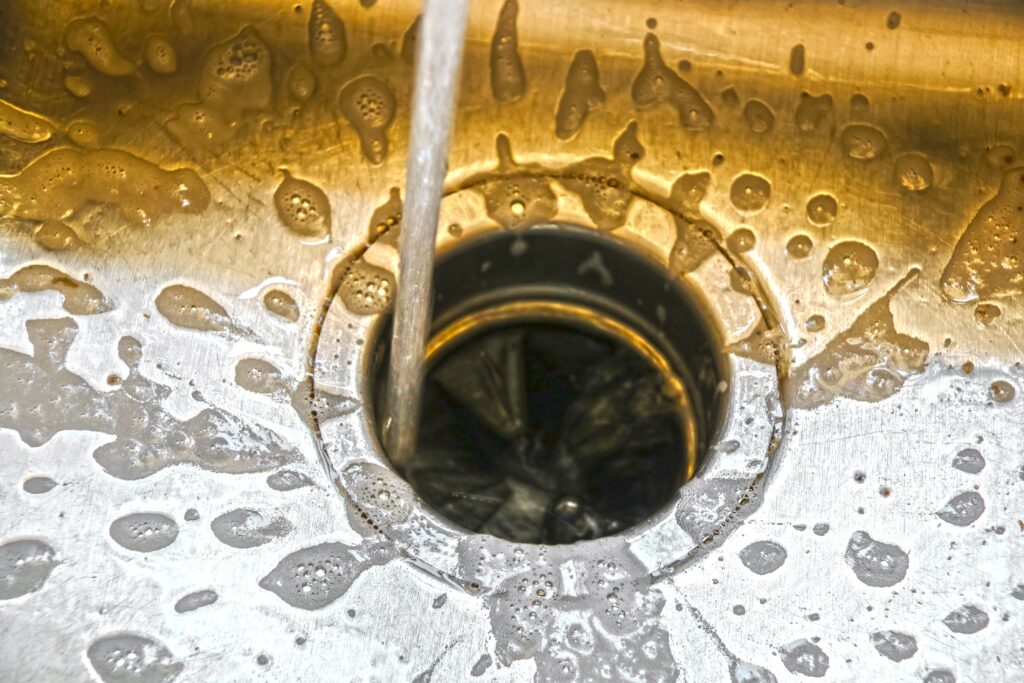
Despite its name, garbage disposals aren’t cleared for handling all garbage. This kitchen staple is designed to break down soft food waste into particles small enough to pass through your plumbing. Inside the disposal unit is a rapidly spinning turntable equipped with impellers, not sharp blades as many assume. These impellers throw bits of food against a stationary grind ring, a textured surface responsible for pulverizing waste. Once the material is ground, it is flushed out with running water through your wastewater system. It’s a straightforward mechanism, yet its effectiveness is defined by what goes into it. Think of your garbage disposal as a food waste assistant—not a catchall for kitchen scraps or non-organic materials. Knowing the mechanics creates a foundation for thoughtful, informed use.
What You Can Put Down the Garbage Disposal
Used properly, your garbage disposal can handle quite a bit. Soft, water-soluble food scraps are generally approved. Items like cooked vegetables, citrus peels (in moderation), and small bone fragments from chicken or fish are typically safe. Soups, cooked oats or rice (in very small quantities), and water-dense items such as melons or cucumbers move efficiently through the disposal system. Some fibrous foods like banana peels or corn husks are often misunderstood. While technically biodegradable, their stringy composition tends to wrap around the impellers and can cause friction, stalling the unit. When in doubt, err on the side of minimal and manageable. Feed items slowly into the disposal with a steady stream of cold water to keep food particles from solidifying in the pipes. It’s not a question of possibility—it’s a question of sustainability for the appliance over time.
What You Should Absolutely Avoid Putting Down the Disposal
There’s a short list of non-negotiables when it comes to keeping your garbage disposal in good working order. Grease, fats, and oils are the most harmful culprits and should never go down the sink. Though they seem harmless while warm, these substances solidify in pipes, causing clogs that are difficult—and expensive—to remove. Similarly, hard items like large bones, fruit pits, and shell fragments can permanently damage the grind ring. Fibrous vegetables such as celery stalks, asparagus, or artichoke leaves frequently cause jamming. Eggshells, often mistakenly thought to sharpen blades, actually increase sediment buildup. And finally, anything non-food related—like glass, metal, plastics, twist ties, or cigarette butts—has no place in a garbage disposal. Even materials labeled as “compostable” or “biodegradable” may be dense or stretchy enough to harm the unit. Treat the disposal with intention, and it’ll return the favor with years of reliability.
Common Disposal Mistakes and How to Prevent Them
Even seasoned homeowners fall into common disposal traps. Overloading the unit ranks high on the list of mistakes. When too many scraps are packed into the disposal at once, the impellers can jam, and motors strain under the pressure. Always feed food scraps in stages, and pause to allow full grinding. Another frequent error is running the disposal without water. Cold water not only solidifies any lingering fats, ensuring they move down the drain more efficiently, but it also helps wash ground debris into your septic or municipal system. Don’t forget: hot water can melt grease enough to send it deeper into your plumbing, where it’s more likely to cool and harden. Additionally, turning off the unit too soon often leaves remnants behind that can decay or block the drain. Proper maintenance starts with habit, not heroics.
Routine Maintenance: Keeping Your Disposal in Peak Condition
Garbage disposals benefit from regular care, just like any other mechanical asset in your home. Run cold water a few seconds before and after using the disposal to keep debris moving. Every week, toss in a cup of baking soda followed by a splash of vinegar to break down buildup and neutralize odors. Grinding small ice cubes can also help clean the grinding ring and restore impeller function. Avoid using chemical drain cleaners—they tend to corrode internal components and void warranties. If the disposal smells, citrus peels can freshen the unit, but again, in small quantities and never compacted. Finally, know where your reset button is located underneath the disposal. If the unit overloads or stalls, this button can restore function without professional help. Users who pair proper usage with preventative care get the most value from this appliance—and fewer service calls.
The Cost of Misuse: Replacements, Repairs, and Warranties
Neglecting proper disposal usage may seem inconsequential until repairs or replacements are necessary. A jammed unit might require motor replacement or even full disposal replacement, ranging from $150 to $500 depending on type and labor. Leaks caused by worn-out seals or attached piping can affect your sink’s structural integrity and lead to costly cabinet or flooring damage. And here’s something most homeowners don’t realize: many warranties won’t cover damage caused by improper usage. If your home warranty provider considers food mismanagement avoidable, you’ll find yourself covering the expense alone. By using the disposal responsibly and recognizing its limits, you maintain eligibility for warranty-based fixes and reduce wear-related issues. Protecting your unit begins with understanding what it was never meant to do.
When to Upgrade or Replace Your Garbage Disposal
Like all appliances, garbage disposals have a limited lifespan. Most units last around 8 to 15 years with appropriate care. But you might consider replacement sooner if you notice frequent clogs, repeated jams, or loud operational grinding. Dull impellers or worn rings can sometimes be replaced, but the cost of parts and labor might rival a new unit installation. Upgrades offer stronger horsepower, quieter operation, and enhanced grind technology. Some newer models also include built-in safety switches or auto-reverse features that reduce clogging. If your household cooks frequently or produces a lot of food waste, investing in a higher-performance model makes sense. Keep in mind, though, that replacements or upgrades should be paired with correct usage habits or they’ll deteriorate just as quickly.
Choose Armadillo to Back Your Garbage Disposal—and Everything Around It
Your garbage disposal is more than a convenience—it’s an integral piece of your overall kitchen ecosystem. When it functions well, everything flows. But when it fails, the impact ripples outward, affecting plumbing, sanitation, and daily usability. That’s why homeowners benefit from a home warranty partner that not only understands major systems but also covers the hardworking details—like your disposal. Armadillo offers comprehensive, homeowner-centric warranty plans that provide smart coverage for systems and appliances, including garbage disposals. Whether it’s wear and tear, unexpected failure, or just peace of mind, our coverage is built around keeping your home efficient and livable. Learn more about how Armadillo supports your whole home at armadillo.one, and get started with a customized plan built for your home and your zip code at our Plan Builder. When small systems work better, your whole home feels stronger.