That Smell Coming From Your Window AC Is Trying to Tell You Something
You flip on your window air conditioner for the first time in months, and instead of cool, refreshing air, you get hit with something that smells like a gym locker, a musty basement, or maybe something far worse. It is an unpleasant surprise, and honestly, one that catches a lot of homeowners completely off guard. The good news is that most odors coming from a window AC unit are identifiable, explainable, and in many cases, preventable. Understanding what those smells mean, where they come from, and how to address them can help you protect your comfort, your air quality, and the lifespan of your equipment.
How a Window Air Conditioner Actually Works
Before diving into the smell itself, it helps to understand what is happening inside the unit. A window AC pulls warm indoor air across a set of evaporator coils filled with refrigerant. That refrigerant absorbs heat from the air and transfers it outside through the condenser coils. As the air cools, moisture in it condenses on the evaporator coils and drips into a drain pan at the bottom of the unit. That condensate pan, combined with the coils, the filter, and the internal housing, creates a warm, damp environment that sits largely dormant for months at a time. That environment is basically a welcome sign for mold, mildew, bacteria, and dust accumulation. When you turn the unit on after a long winter, all of that gets blown directly into your living space.
The Most Common Window AC Odors and What They Mean
Not all smells are created equal, and each one tends to point toward a specific underlying issue. Knowing which smell you are dealing with is the first step toward resolving it.
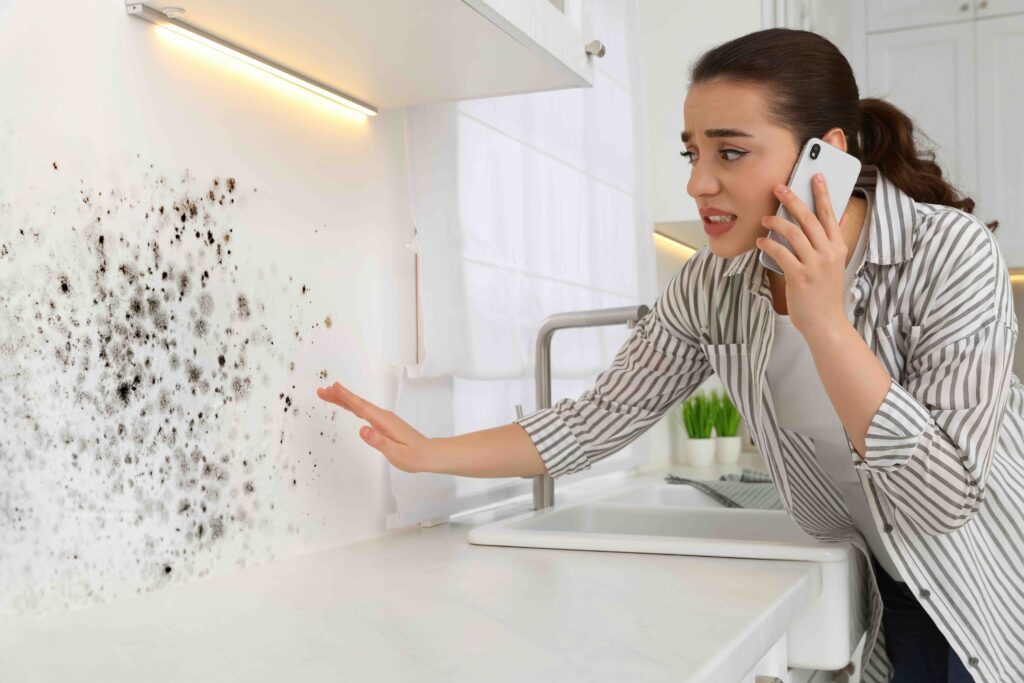
- Musty or earthy smell: Almost always mold or mildew growth inside the unit, most commonly in the drain pan, on the coils, or in the air filter.
- Rotten egg or sulfur smell: This is a more serious signal. It can indicate a natural gas leak nearby, or in some cases, a dead animal that found its way into the housing during the off-season.
- Sweet or chemical smell: May point to a refrigerant leak. Refrigerant has a faintly sweet, chemical-like odor and should be evaluated by a professional immediately.
- Burning or electrical smell: Could indicate an overheating motor, burnt wiring, or electrical components that have degraded. Do not ignore this one. Turn off the unit.
- Cigarette or smoke smell: The filter and internal foam have absorbed smoke odors over time. This is common in homes where smoking occurs indoors.
Why Mold and Mildew Are the Biggest Culprits
Mold and mildew are responsible for the vast majority of window AC odor complaints, and it makes a lot of sense when you think about the conditions inside those units. The drain pan collects water every time the unit runs, and if it does not drain properly, that standing water becomes a breeding ground for microbial growth. The evaporator coils stay cool and damp, which mold absolutely loves. Add in a clogged or dirty air filter that has been trapping organic material for a season or two, and you have all the ingredients for a seriously unpleasant odor situation. When the unit sits unused all winter, those colonies grow undisturbed. The smell you notice when you first fire it up in the spring is essentially mold and mildew spores and their byproducts being pushed directly into your home.

How to Clean a Window AC Unit and Eliminate Odors
The most effective approach to eliminating window AC odors is a thorough cleaning, ideally at the beginning and end of each cooling season. Start by unplugging the unit completely before doing anything else. Remove and wash the air filter with warm soapy water or replace it if it is disposable. Use a soft brush or a fin comb to carefully clean the evaporator and condenser coils, then spray them with a coil cleaning solution available at most hardware stores. Check the drain pan for standing water, debris, or visible mold, and clean it with a diluted bleach solution. Wipe down the interior housing with an antimicrobial cleaner. Let everything dry completely before reassembling and running the unit. If the smell persists after a thorough cleaning, the issue may be deeper inside the unit or related to something else entirely.
Preventing Window AC Odors Before They Start
Prevention is significantly easier than remediation, and a few consistent habits go a long way toward keeping your unit smelling neutral and running efficiently. Replace or clean the air filter every one to two months during active use. Run the fan-only mode for the last fifteen to thirty minutes of each use to help dry out the internal components. When storing the unit for the off-season, cover the outdoor portion to prevent animals and debris from getting inside. Consider placing a drain pan tablet designed for HVAC systems to inhibit microbial growth during storage. These small steps add up over time and can meaningfully extend the lifespan of your unit while protecting your indoor air quality.
When a Smell Points to a Bigger Mechanical Problem
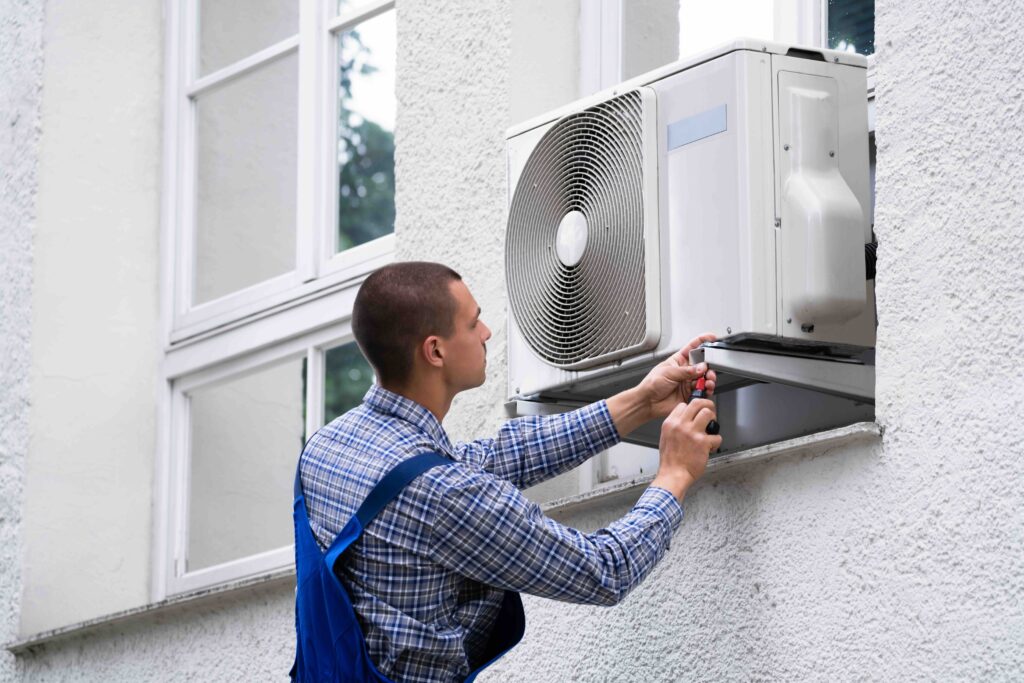
Some odors are less about cleanliness and more about mechanical failure. A burning smell, for example, should always be taken seriously. It can indicate that the motor is overheating due to clogged coils that are making it work harder than it should. It can also mean degraded wiring or capacitor failure. A refrigerant leak, indicated by that sweet chemical odor, reduces the unit’s cooling efficiency and can be hazardous if inhaled in significant quantities. These are situations where a professional HVAC technician should be called rather than a DIY fix attempted. Ignoring electrical or refrigerant-related smells can turn a manageable repair into a full unit replacement, or worse, a safety hazard in your home.
Air Quality Implications of a Smelly Window AC
This part often gets overlooked, but it is worth taking seriously. A window AC unit that is circulating mold spores or other biological contaminants is not just an inconvenience. It is an indoor air quality issue. For people with allergies, asthma, or respiratory sensitivities, consistent exposure to mold spores from an HVAC source can trigger or worsen symptoms. Children and elderly individuals are particularly vulnerable. If anyone in your home has been experiencing unexplained respiratory irritation, headaches, or allergy-like symptoms and you have noticed a musty odor from your window unit, those two things may very well be connected. Addressing the odor is not just about comfort. It is about health.
Is It Worth Repairing or Replacing a Smelly Window AC?
This is a question worth thinking through carefully. If the unit is relatively new, less than five years old, and the odor is caused by mold or a clogged filter, cleaning it and continuing to use it is absolutely reasonable. But if the unit is seven to ten years old, has a refrigerant leak, or has repeated electrical issues, replacement may be the more cost-effective path. Window AC units typically have a lifespan of eight to twelve years with proper maintenance. If yours is approaching that range and presenting persistent problems, putting money into repairs may not make financial sense. Factor in the cost of the repair against the cost of a new unit and consider energy efficiency as well, since newer models often consume significantly less electricity than older ones.
How a Home Warranty Can Help When Your Window AC Fails
When a window air conditioner stops working due to a mechanical or electrical failure, the repair or replacement cost can catch homeowners off guard at the worst possible time, usually in the middle of a heat wave. That is exactly where a home warranty provides real value. Armadillo home warranty coverage for cooling systems and appliances is designed to protect homeowners from those unexpected repair costs that nobody budgets for. Whether it is a failed motor, a compressor issue, or an electrical component that finally gives out, having coverage in place means you are not scrambling for cash when the temperature climbs. If you want to stop worrying about what happens when your AC gives out, you can get a free home warranty quote for window AC and cooling system protection in just a few minutes. Armadillo makes the process straightforward, the coverage transparent, and the support reliable when you actually need it.

Frequently Asked Questions About Window AC Odors
These are the questions homeowners ask most often when they notice something off about the smell coming from their window air conditioner.
Why does my window AC smell musty when I first turn it on?
The musty odor is almost always caused by mold or mildew that developed inside the unit during the off-season. The drain pan, evaporator coils, and filter are the most common locations for this growth, and the smell disperses into your space when the unit starts circulating air again.
Is it safe to run a window AC that smells like mold?
Running a moldy window AC for an extended period is not advisable, particularly for anyone with allergies, asthma, or respiratory conditions. A thorough cleaning should be completed before continued use to prevent circulating mold spores throughout your living space.
What does a refrigerant leak smell like in a window AC unit?
Refrigerant typically has a faintly sweet, somewhat chemical odor. If you notice this smell coming from your unit, stop using it and contact a licensed HVAC technician. A refrigerant leak reduces cooling performance and can pose health risks with prolonged exposure.
How do I clean mold out of a window air conditioner?
Unplug the unit, remove and clean or replace the filter, clean the coils with a coil cleaner, and scrub the drain pan with a diluted bleach solution. Allow everything to dry thoroughly before reassembling. A full cleaning at the start and end of each season helps prevent recurring growth.
Why does my window AC smell like something is burning?
A burning smell typically indicates an overheating motor, degraded wiring, or a failing electrical component. Turn the unit off immediately and do not restart it until a technician has assessed the problem. Ignoring a burning smell can result in further damage or a fire hazard.
Can a dirty air filter cause a window AC to smell bad?
Yes. A clogged or dirty filter traps organic material, moisture, and debris over time. That accumulation can produce musty or stale odors that get pushed into your home every time the unit runs. Cleaning or replacing the filter regularly is one of the simplest ways to prevent odor issues.
What is the white vinegar trick for window AC odors?
Some homeowners use a diluted white vinegar solution to wipe down interior surfaces and the drain pan. Vinegar has mild antimicrobial properties and can help neutralize musty odors. It is not a substitute for a full cleaning but can be a useful supplemental step.
How long does a window air conditioner typically last?
With regular maintenance, most window AC units last between eight and twelve years. Units that are cleaned seasonally, have their filters maintained, and are stored properly during the off-season tend to reach the higher end of that range.
Can a dead animal inside a window AC unit cause a bad smell?
Yes, and it is more common than most people expect. Small rodents or insects sometimes enter window units during winter months when the unit is inactive. If you notice a rotten or decomposing odor, inspect the unit carefully and remove any debris before using it.
Does a home warranty cover window air conditioner repairs?
Coverage depends on the specific home warranty plan and provider. Some plans cover built-in or permanently installed cooling systems, while others extend coverage to include window and portable AC units. Reviewing plan details carefully before purchasing ensures you understand exactly what is and is not included.