When Does a Circuit Breaker Trip? What Every Homeowner Should Know
There is a good chance you have been there before. You flip on the microwave, the hair dryer kicks on in the next room, and suddenly everything goes dark on one side of the house. You head to the electrical panel, find a breaker that is slightly out of position, reset it, and move on. It is one of those minor household moments that most people handle without thinking too much about. But what is actually happening inside that panel, and more importantly, when should a tripping breaker make you stop and pay closer attention? Understanding how circuit breakers work is one of the more practical things a homeowner can know. It saves money, prevents damage, and in some cases, keeps people safe.
What a Circuit Breaker Actually Does
A circuit breaker is a safety switch built into your home’s electrical panel. Its job is straightforward: it monitors the flow of electricity through a specific circuit and interrupts that flow when something goes wrong. Think of it as a self-resetting fuse. When too much current runs through a wire, the heat generated can damage insulation, start fires, or destroy appliances. The breaker detects that excess current and trips, cutting off power before real damage happens. Every circuit in your home, from the kitchen outlets to the bedroom lights, runs through its own dedicated breaker. When that breaker trips, only the devices and outlets on that circuit lose power. The rest of the house keeps running normally. That isolation is exactly the point.
The Most Common Reasons a Breaker Trips
There are three primary causes behind most tripped breakers, and knowing the difference between them matters quite a bit. Overloaded circuits are by far the most frequent culprit. This happens when too many devices draw power from a single circuit simultaneously. Running a space heater, a vacuum, and a television on the same circuit can push the total amperage beyond what the breaker is rated to handle. Short circuits are more serious. They occur when a hot wire makes direct contact with a neutral wire, often due to damaged wiring, a faulty outlet, or a malfunctioning appliance. The current spike is sudden and intense, which is why a short circuit trip feels different from a slow overload. Ground faults are similar in nature but involve electrical current finding an unintended path to the ground, sometimes through a person or a wet surface. Ground fault circuit interrupter outlets, the ones with the test and reset buttons typically found in bathrooms and kitchens, are designed to address exactly this scenario at the outlet level.
Signs Your Breaker May Be Telling You Something More
A breaker that trips occasionally when you overload a circuit is doing its job. A breaker that trips repeatedly under normal usage conditions is a different story entirely. Recurring trips on the same circuit, a burning smell near the panel, a breaker that feels warm to the touch, or visible scorch marks around the panel are all signs that something beyond a simple overload may be happening. Old or worn breakers can lose their ability to hold a charge properly and may start tripping even when the load is perfectly reasonable. Wiring issues inside the walls, a failing appliance drawing inconsistent power, or even pest damage to wiring can all produce the same symptom. These are not situations to reset and ignore.

How to Safely Reset a Tripped Breaker
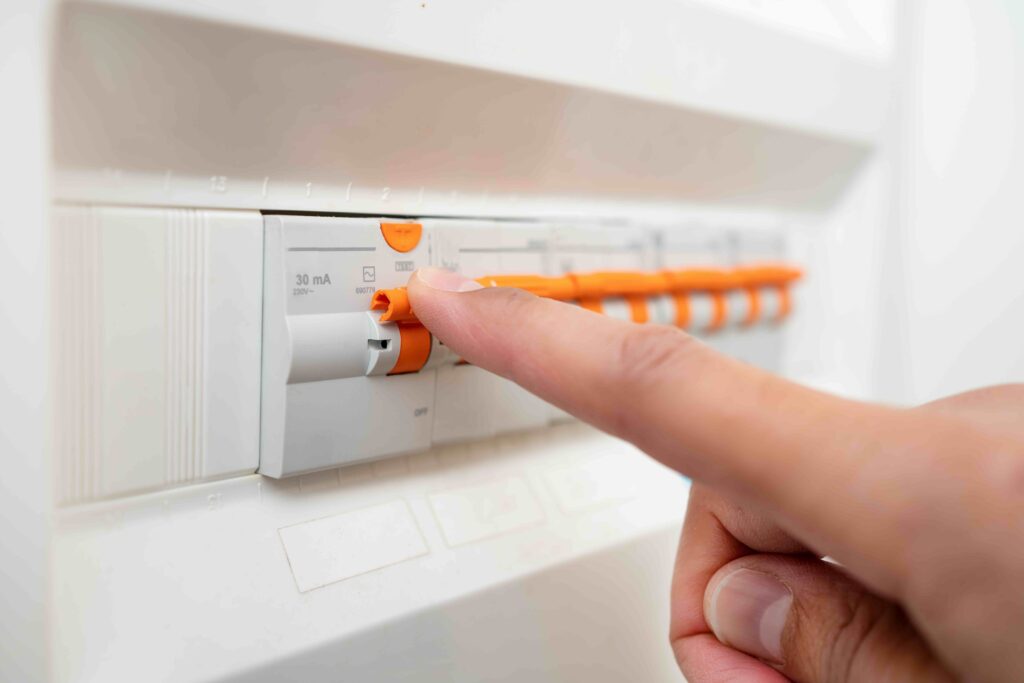
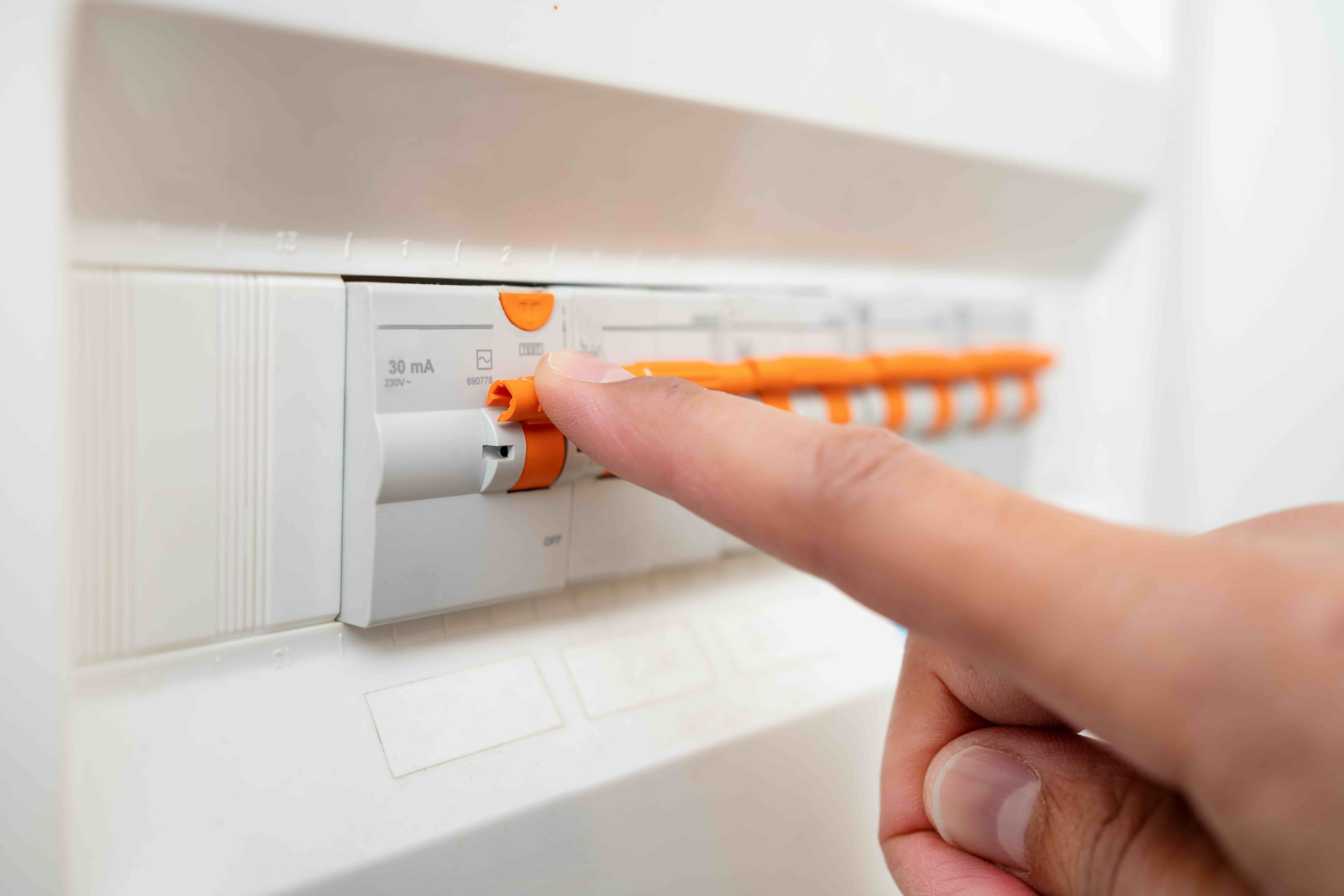
Resetting a tripped breaker is simple when done correctly. First, identify the tripped breaker in the panel. It will be in the middle position, neither fully on nor fully off, or may have shifted slightly toward the off side. Before resetting, unplug or turn off the devices on that circuit to reduce the load. Push the breaker firmly to the off position first, then flip it back to on. You should feel and sometimes hear a distinct click. If the breaker trips again immediately or within seconds, stop resetting it and call a licensed electrician. Forcing a breaker back on when something is genuinely wrong downstream is not a fix. It is a risk.
The Difference Between Older and Newer Panel Technology
Homes built before the 1980s often have electrical panels that were not designed to support the energy demands of modern households. Fuse boxes and older breaker panels may lack the capacity for high-draw appliances like EV chargers, modern HVAC systems, or whole-home generators. Some older panels, including specific brands that have since been flagged by safety organizations, have known reliability issues with their breakers. If your home still has one of these older systems, an electrical inspection is worth scheduling. Upgrading a panel is not a small expense, but it is a meaningful investment in both safety and functionality. Newer panels offer better amperage capacity, more circuit slots, and improved breaker technology that responds faster and more reliably to fault conditions.
Appliances That Are Hardest on Your Circuits
Some appliances are simply more demanding than others, and knowing which ones draw the heaviest loads helps with planning and prevention. High-draw appliances that homeowners should pay attention to include the following:
- Electric dryers and washing machines, which should be on dedicated circuits
- Refrigerators and freezers, particularly older models with less efficient compressors
- Air conditioners and heat pumps, especially window units plugged into general-use outlets
- Electric water heaters and space heaters
- Microwaves and dishwashers, which are often placed on shared kitchen circuits
Running several of these simultaneously on circuits that were not designed for that kind of load is the fastest route to a tripped breaker and, over time, premature wear on both the breaker and the wiring itself.
What a Home Warranty Does and Does Not Cover With Electrical Systems
This is where things get practical for homeowners who are thinking beyond individual repairs. Home warranties are service contracts that cover the repair or replacement of major systems and appliances when they fail due to normal wear and tear. Electrical systems, including wiring, panels, and breakers, are commonly included in standard home warranty plans. However, coverage details vary meaningfully between providers. Most home warranties will cover a breaker that fails under normal conditions but may exclude damage caused by power surges, improper installation, or pre-existing conditions. Panels that were already showing signs of deterioration at the time of purchase are typically not covered. Reading the terms carefully and understanding what qualifies as a covered failure versus an excluded condition is essential before assuming a repair will be handled.
Practical Tips for Reducing Breaker Trips at Home
Prevention is always easier than repair, and there are straightforward habits that reduce how often breakers trip. Consider the following approaches:
- Distribute high-draw appliances across multiple circuits rather than concentrating them in one area
- Have an electrician add dedicated circuits for appliances that require consistent, heavy power draw
- Replace appliances that are aging and drawing more power than they should due to mechanical wear
- Avoid using extension cords as permanent wiring solutions, particularly for high-wattage devices
- Schedule a periodic electrical inspection, especially in homes that are more than 20 years old
These are not complicated steps, but they make a real difference in the long-term health of a home’s electrical system and the frequency of unexpected interruptions.
Why Armadillo Is Worth Considering for Electrical System Protection
When your circuit breaker trips because of a deeper electrical issue, the last thing you want is to face an unexpected repair bill with no safety net in place. That is where having the right home warranty coverage becomes genuinely valuable. Armadillo home warranty plans for electrical system coverage are built with homeowners in mind, offering straightforward terms, responsive service, and coverage that actually addresses the systems that matter most, including the electrical panel and its components. If you are thinking about protecting your home from the cost of covered electrical repairs and other major system failures, you can get a home warranty quote for electrical and system protection in seconds and see exactly what fits your home and budget. There is real peace of mind in knowing that when something trips, more than just the breaker is working in your favor.

Frequently Asked Questions About Circuit Breakers and Home Warranty Coverage
These are the questions homeowners ask most often about circuit breakers, electrical systems, and how home warranty coverage applies to electrical failures.
Why does my circuit breaker keep tripping even after I reset it?
Repeated tripping after a reset usually indicates an underlying problem such as a short circuit, a ground fault, an overloaded circuit, or a failing breaker. A licensed electrician should inspect the panel and circuit before you continue resetting it.
Is it safe to reset a tripped breaker myself?
Yes, resetting a tripped breaker is safe when done correctly. Turn off or unplug devices on the affected circuit first, push the breaker to the off position, then flip it back to on. If it trips again immediately, stop and call a professional.
How do I know if my circuit breaker is failing or just overloaded?
If tripping happens under normal, low-demand conditions, if the breaker feels warm, or if there is a burning smell near the panel, the breaker itself may be failing. An overloaded breaker typically trips when too many devices are running at once.
Does a home warranty cover circuit breaker replacement?
Many home warranty plans do cover circuit breakers and electrical panels when failure results from normal wear and tear. Coverage varies by provider and plan, so reviewing your specific contract terms is important before assuming a repair qualifies.
How long does a circuit breaker typically last?
Most circuit breakers are rated for 30 to 40 years under normal operating conditions, though frequent trips, age, and manufacturer quality all affect lifespan. Breakers in older homes may need evaluation even if they have not yet failed outright.
What is the difference between a ground fault and a short circuit?
A short circuit occurs when a hot wire contacts a neutral wire, creating a sudden current surge. A ground fault happens when electricity finds an unintended path to the ground, often through a person, water, or faulty equipment. Both cause breakers to trip as a safety response.
Can a tripping breaker be a sign of a fire hazard?
Yes. While occasional tripping is normal, repeated trips, scorch marks, burning odors, or a panel that feels warm can indicate wiring conditions that pose a fire risk. These symptoms warrant immediate professional inspection.
Why do some appliances require dedicated circuits?
High-draw appliances like dryers, refrigerators, and air conditioners require consistent, heavy amperage that can overwhelm a shared circuit. A dedicated circuit ensures that appliance has exclusive access to its rated amperage without competing with other devices.
Will a home warranty cover an older electrical panel that needs upgrading?
Home warranties generally cover system failures due to normal wear and tear, not upgrades or code compliance improvements. If your panel is outdated but functioning, a warranty may not cover an upgrade. If it has failed mechanically, coverage may apply depending on the plan terms.
How often should a homeowner have their electrical panel inspected?
For homes more than 20 years old, an electrical inspection every three to five years is a reasonable baseline. Homes with known panel issues, frequent trips, or outdated wiring should be inspected more promptly regardless of the last service date.