
How to Know When It Is Time to Replace Your Air Conditioner
Your air conditioner is one of those home systems you never really think about until it stops working — usually on the hottest day of the year. That is not exactly a coincidence. AC systems tend to struggle most when they are working hardest, and that is often when underlying issues finally surface. Knowing when to replace your AC before it completely gives out can save you a significant amount of money, frustration, and sweat. This guide walks you through the key signs, the decision-making process, and how a home warranty fits into the larger picture.
What Your Air Conditioner Actually Does and Why It Wears Out
An air conditioner does not just blow cold air into your home. It pulls warm air from inside, runs it over refrigerant-filled coils to remove heat, and then circulates the cooled air back through your vents. The system includes a compressor, condenser, evaporator coil, air handler, and refrigerant lines — all working in coordination. Over time, components wear, refrigerant levels drop, electrical connections corrode, and the mechanical parts inside experience normal fatigue. No system lasts forever, and an AC unit is no exception.
The Average Lifespan of a Central Air Conditioning System
Most central air conditioning units are designed to last between 15 and 20 years. That said, actual lifespan depends heavily on where you live, how often the system runs, how well it has been maintained, and the quality of the original installation. In hotter climates where AC runs nearly year-round, systems often show significant wear closer to the 10 to 12 year mark. In milder regions, a well-maintained unit might push past 20 years without major issues. The age of your system alone is not reason enough to replace it, but it is an important factor when you start weighing repair costs against replacement.
Warning Signs That Your AC System May Need Replacement
There are a number of signals your air conditioner will send before it completely fails. Paying attention to these early warning signs can help you make a planned, strategic decision rather than a reactive one under pressure.
- The system is older than 15 years and requires frequent repairs
- Your energy bills have increased steadily without a clear reason
- The home takes longer to cool down or never reaches the set temperature
- You are hearing unusual noises like grinding, banging, or squealing
- There is inconsistent cooling across different rooms in the house
- The system cycles on and off more frequently than it used to
- There is visible moisture, leaking refrigerant, or ice forming on the coils
- Indoor humidity feels noticeably higher even when the AC is running
Any one of these issues could point to a specific repair. But when several of them appear together — especially in an older unit — replacement starts to make more financial sense than continued patching.

The 50 Percent Rule: Repair or Replace?
HVAC professionals often reference what is commonly called the 50 percent rule when helping homeowners decide between a repair and a full replacement. The principle is straightforward: if the cost of a repair equals or exceeds 50 percent of the cost of a new system, replacement is typically the more financially sound choice. For example, if a new AC installation runs around four thousand dollars and a major repair quote comes in at twenty-two hundred dollars, you are better off applying that money toward a new unit that will come with a fresh warranty and improved efficiency. Age matters here too — spending significant money to extend the life of a system that is already near the end of its expected lifespan rarely pays off.
How AC Efficiency Affects Your Decision
Older air conditioning units operate at significantly lower efficiency ratings than modern systems. SEER — or Seasonal Energy Efficiency Ratio — is the standard measurement. Units manufactured before 2010 often carry SEER ratings between 8 and 10. Current systems commonly range from 16 to 21 SEER or higher. Upgrading from an older, lower-efficiency system to a newer high-efficiency model can reduce cooling costs by 20 to 40 percent annually. Over several years, that savings can offset a meaningful portion of the replacement cost. If your current system is both aging and inefficient, the conversation around replacement becomes financially compelling even before a major breakdown occurs.
What a Replacement AC Project Actually Involves
Replacing a central air conditioner is not a one-afternoon project. A full replacement typically involves removing the existing outdoor condenser and indoor air handler, assessing and potentially replacing refrigerant lines and ductwork, installing new equipment, and testing the system for proper operation. Depending on the configuration of your home, some projects also require updates to electrical panels or thermostat wiring. The entire process generally takes one to two days with a licensed HVAC contractor. Getting multiple quotes is always a smart move, and verifying that your contractor pulls the required permits protects you during any future home sale or insurance claim.
Choosing the Right Replacement System for Your Home
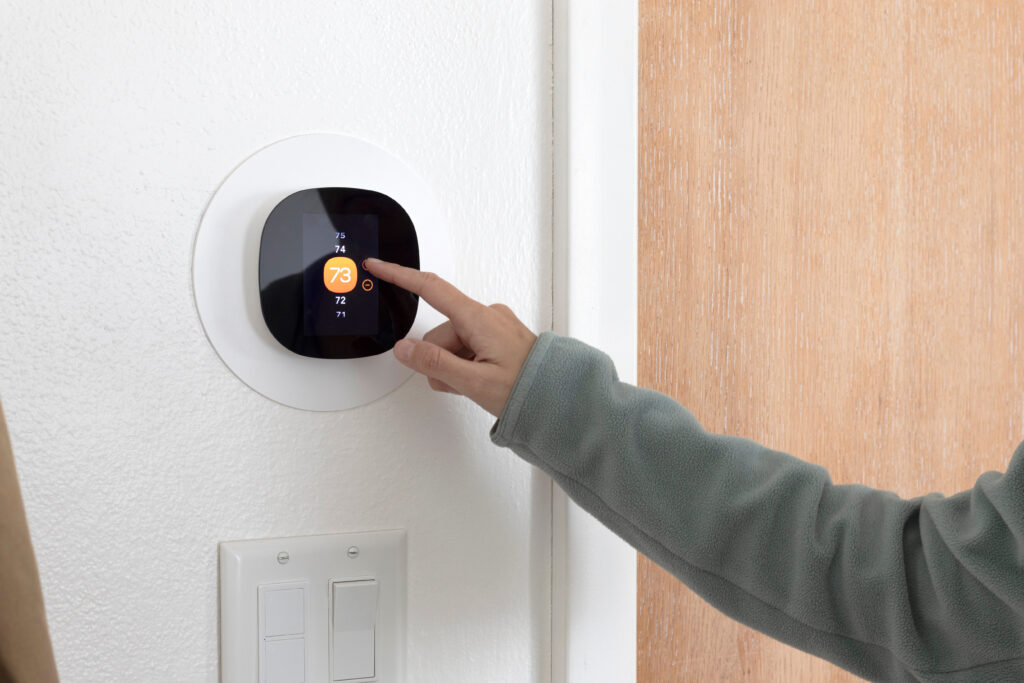
Not every air conditioner is the right fit for every home. Oversized units cool spaces too quickly without properly dehumidifying, while undersized systems run constantly and never fully catch up. A qualified HVAC technician should perform a load calculation — sometimes called a Manual J calculation — to determine the correct system size for your square footage, insulation levels, window placement, and local climate. Beyond sizing, you will also want to consider SEER ratings, brand reputation, noise levels, and smart thermostat compatibility. This is a long-term investment, and taking time to choose correctly will pay dividends over the life of the new system.
Where Home Warranty Coverage Fits Into the AC Conversation
This is where things get interesting for homeowners who want to think ahead rather than react. A home warranty is a service contract that covers the repair or replacement of major home systems and appliances — including central air conditioning — when they break down due to normal wear and use. Unlike homeowners insurance, which covers sudden events like fire or storm damage, a home warranty is specifically designed for the mechanical failures that come with everyday use over time. For an air conditioner that is approaching the end of its useful life, having warranty coverage in place means that when the compressor fails or the system gives out entirely, you are not staring down a multi-thousand dollar repair bill on your own. Coverage details vary by provider, so reviewing what is and is not included in any policy before purchasing is always worth the effort.
Why Armadillo Should Be Part of Your AC Replacement Planning
When your air conditioner starts showing its age, the last thing you want is to face that moment without a plan. Armadillo home warranty coverage for HVAC systems and major appliances is built around the idea that homeowners deserve real protection without the runaround. Armadillo offers straightforward plans with transparent terms — no fine print designed to create confusion at the moment you need help most. Whether your system is already showing wear or you are being proactive before a problem develops, coverage from a provider you can trust changes the entire experience of homeownership. If you are thinking through your options and want to understand what protection would look like for your specific home, you can get a personalized home warranty quote for your air conditioning system in just a few minutes. Planning before a crisis is always the right move.

Frequently Asked Questions About When to Replace Your AC
Below are answers to the questions homeowners ask most often when trying to decide whether to repair or replace their air conditioning system.
How long does a central air conditioner typically last?
Most central AC systems last between 15 and 20 years. Systems in hotter climates or those that have not received regular maintenance may decline closer to the 10 to 12 year mark.
Is it worth repairing an AC unit that is over 10 years old?
It depends on the repair cost and the condition of the system. If the repair is minor and the unit has been well maintained, it may still have useful years ahead. If the repair is major, applying that cost toward a new system is often the smarter financial decision.
What is a SEER rating and why does it matter?
SEER stands for Seasonal Energy Efficiency Ratio. It measures how efficiently an air conditioner converts electricity into cooling. Higher SEER ratings mean lower energy costs. Modern units typically range from 16 to 21 SEER, while older units may rate as low as 8.
Can a home warranty cover AC replacement costs?
Yes. Many home warranty plans cover the repair or replacement of central air conditioning systems when they fail due to normal wear and use. Coverage limits and terms vary by provider, so reviewing your specific plan is important.
What causes an air conditioner to fail prematurely?
Common causes include lack of regular maintenance, improper installation, refrigerant leaks that go unaddressed, oversized or undersized systems, and operating the unit in extreme conditions without proper servicing.
How do I know if my AC is the right size for my home?
A licensed HVAC technician should perform a load calculation — known as a Manual J calculation — to determine the correct system size based on your home’s square footage, insulation, window placement, and climate. An improperly sized unit will underperform regardless of how new it is.
What are the signs that my AC compressor is failing?
Signs of compressor failure include the system not cooling effectively, loud or unusual noises from the outdoor unit, the AC tripping the circuit breaker, and warm air blowing from the vents even when the system is running.
Does replacing my AC improve home value?
A new, energy-efficient air conditioning system can positively influence home value and appeal to buyers, particularly in warmer climates where reliable cooling is a priority. It also removes a potential negotiating point during the home sale process.
Should I replace my furnace and AC at the same time?
If both systems are near the end of their lifespan, replacing them simultaneously can reduce installation costs and ensure that the new components are matched properly, which improves efficiency and system longevity.
How often should I have my AC serviced to extend its life?
Annual professional maintenance is the standard recommendation. A qualified technician should inspect refrigerant levels, clean coils, check electrical connections, lubricate moving parts, and test overall system performance once per year, ideally before cooling season begins.