
When to Replace Your Air Conditioning System: A Homeowner’s Guide Backed by Smart Warranty Insight
An air conditioning system isn’t just a summer luxury—it’s a vital component of your home’s overall comfort and efficiency. Whether you live in a climate that demands year-round cooling or rely on your AC system during high-temperature months, knowing when to replace it is essential. A failing unit can increase energy costs, reduce air quality, and disrupt daily life. More importantly, aging systems often fall outside the scope of reliable coverage unless they’re protected by a comprehensive home warranty. This guide will help you understand how your AC system works, why it might need to be replaced, and how to decide when that moment has arrived—all while considering the protective power of a home warranty built for modern homeowners.
Understanding How an Air Conditioning System Works
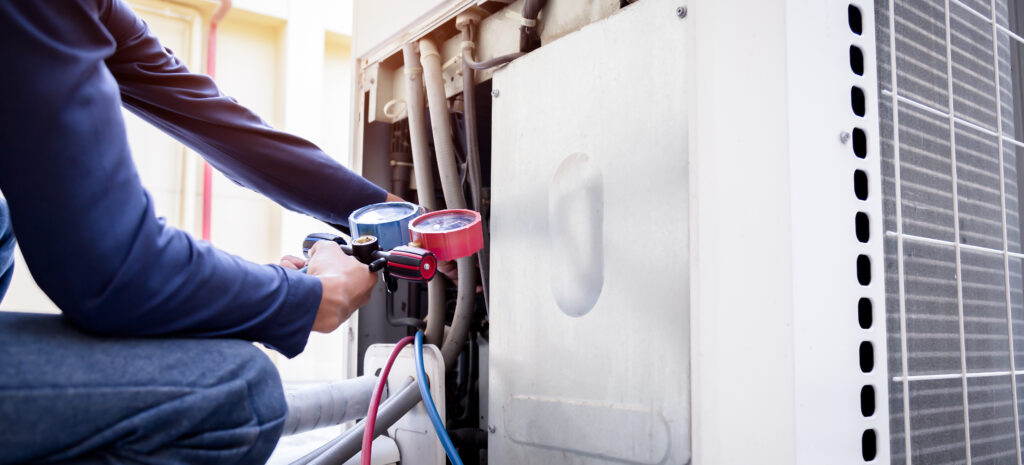
Before you can determine whether your AC system needs replacement, it’s helpful to understand what it does and how it functions. A central air conditioning system uses a closed-loop refrigeration cycle to cool and dehumidify the air. The main components include an evaporator coil (typically inside your home), a condenser coil (located outside), a compressor, and a fan. The system operates by removing heat from indoor air and releasing it outdoors, cycling refrigerant between the coils to facilitate this exchange. A thermostat serves as the control center, activating or shutting off cooling based on the temperature inside your home. For the homeowner, this results in cooled air circulating through ducts and vents throughout the house.
Signs Your Air Conditioner Might Be Nearing the End
Many homeowners miss the early warning signs of a failing AC system. While routine maintenance helps maximize lifespan and efficiency, even the best systems eventually wear out. If your unit is more than 10 to 15 years old, it’s statistically nearing the end of its effective life. Rising energy bills, uneven cooling across rooms, odd noises like grinding or rattling, and excessive humidity can all indicate declining system performance. Frequent repairs within short intervals may point to systemic issues within the compressor or leaking refrigerant, neither of which is inexpensive to fix. If you’ve needed multiple service calls in two consecutive seasons, it might be time to evaluate full replacement instead of pouring more money into repair.
Evaluating Cost Efficiency Versus Repair Costs
Understanding whether to repair or replace often comes down to economics. As HVAC systems age, their efficiency diminishes. An older unit may operate at a Seasonal Energy Efficiency Ratio (SEER) of 10 or lower, whereas newer models often rate 14 to 22 SEER and use significantly less electricity. If repairs are climbing past 50% of the cost of a new system, a replacement is a better long-term investment. Utility savings over time typically offset the upfront replacement cost, especially when combined with available rebates, tax credits, or manufacturer promotions. Smart homeowners compare current repair expenses with the benefits of a new unit’s energy efficiency. This is where the insight from a home warranty specialist becomes extremely valuable, as warranty coverage can reduce replacement cost friction if the system is deemed unrepairable.
The Home Warranty Factor: When Coverage Supports Replacement
In the home warranty space, the decision of whether to repair or replace a system is governed by the contract’s limits, exclusions, and customization options. Not all home warranties are created with practicality in mind. Some deny replacement on systems that haven’t been regularly maintained or that predate efficiency regulations. With a modernized provider like Armadillo, this rigidity is solved through plans that offer expansive flexibility and transparency. HVAC systems that fail due to typical wear and tear are considered for replacement if repair is not cost-effective or technically viable. Importantly, homeowners must remember to review age limitations and make sure the covered components are clearly identified. A high-quality warranty keeps you in control of your home systems without surprising gaps in service.
Common Drawbacks of Delaying HVAC Replacement
Postponing the inevitable rarely leads to financial gain. Delaying AC replacement can drive up operating costs, especially in peak usage seasons. Older systems frequently contribute to indoor air problems, harboring moisture and debris that degrade air quality. Units that are too small or improperly installed in the first place can struggle to keep up, leading to cycle inefficiency and increased mechanical stress. Those frustrations build slowly—frequent warranty claims, uncomfortable rooms, and even safety concerns. Time is not on your side once your system starts to fail. Replacement becomes not just a financial decision, but a lifestyle one. Replacing reduces downtime, lowers monthly expenses, and ensures you’re staying ahead of costly emergencies.
Strategic Replacement Timing: Off-Season Advantage
Planning your replacement timeline can make the process far easier and often less expensive. The off-season—spring and fall—tends to bring lower installation costs and greater contractor availability. During off-peak months, homeowners can select from wider equipment options and benefit from promotional pricing. Waiting until high summer when your system abruptly fails puts you in a reactionary mode, forcing decisions under pressure. Planning a replacement allows you to budget more effectively, secure proper permits, and weigh the best warranty combination. Coordinating replacement with a home warranty sign-up often results in a seamless protection bridge that prevents exposure to large repair costs during the transition. Strategic timing protects your home and your wallet.
Why Armadillo is the Smart Move for Your HVAC Protection Plan
If your HVAC system is approaching the end of its lifespan or already showing signs of fatigue, it’s the right time to think not just about replacement—but how you’ll manage the costs. Armadillo is built for confident homeowners who don’t want to gamble on surprise breakdowns or complicated claims. Our customizable warranty plans include robust protection for air conditioning systems, and we base our service on clarity. No convoluted jargon. No surprise exclusions. Just direct coverage with digital-first convenience and support that anticipates what your home needs. Visit our homepage to learn how it works, or if you’re ready to get started, jump directly to the sign-up experience. Replacing your AC is a major home decision. With Armadillo, it doesn’t have to feel like a risk.