What Is a Garburator and Why Does It Matter in Your Home?
If you have ever stood at your kitchen sink and wondered what actually happens after you flip that switch and hear the familiar grinding hum, you are not alone. A garburator, also known as a garbage disposal or food waste disposer, is one of those kitchen appliances that most homeowners use daily without giving it a second thought. It sits beneath your sink, connects directly to your drain, and grinds up food scraps into tiny particles small enough to pass through your plumbing system. Simple in concept, but surprisingly layered when you start pulling back the curtain on what happens next and how the whole thing actually works.
How a Garburator Actually Works
The mechanics here are worth understanding. When you run water and activate the unit, a spinning plate inside the grinding chamber begins rotating at high speed. Food waste dropped into the drain opening gets flung outward by centrifugal force toward a ring of fixed impellers, sometimes called grinding teeth or lugs, that break the material down into a fine slurry. That slurry then gets flushed out of the chamber using the running water you started before turning on the disposal. The resulting material is a liquefied mixture of water and very fine organic particles. From there, it exits through your drain pipe and enters your home’s main plumbing line.
Where Does Garburator Waste Actually Go After the Drain?
This is the part most people have never really thought about, and honestly it is the most important piece of the puzzle. After the ground food slurry leaves your kitchen drain, it travels through the same drain pipes as all your other wastewater. From there, it heads in one of two directions depending on where you live. If your home is connected to a municipal sewer system, the waste flows through the city’s underground sewer lines toward a wastewater treatment facility. At the plant, the solid organic matter is filtered out, processed, and sometimes converted into biosolids used in agricultural applications. The treated water is then released into the environment after passing through various filtration and chemical treatment stages. If your home uses a septic system, the garburator waste flows directly into your septic tank, which is a whole different story with its own set of considerations.
Garburators and Septic Systems: What You Need to Know
Running a garburator in a home with a septic system is a topic that generates real debate. Septic tanks rely on a delicate balance of bacteria to break down organic waste over time. Adding a heavy volume of ground food particles into that system can disrupt that biological balance, increase the frequency of pumping required, and in some cases contribute to drain field problems. Some manufacturers now produce septic-safe garburators designed with this in mind, often incorporating enzyme-based systems to help offset the additional organic load. If your home runs on a septic system, it is worth consulting a plumber or septic professional before installing or heavily relying on a garburator.

The Key Advantages of Having a Garburator in Your Home
There are some genuinely compelling reasons why garburators remain a popular kitchen feature in North American homes. Understanding what they do well helps homeowners make a more confident decision about whether to install or maintain one.
- Reduces the volume of organic waste going into your household garbage, which can cut down on odors and the frequency of taking out the trash
- Offers a convenient way to handle small food scraps quickly during meal prep or after dishes
- Supports municipal wastewater treatment infrastructure in cities equipped to handle the additional organic load
- Can contribute to reduced methane emissions when food waste is diverted from landfills to wastewater treatment facilities
- Modern units are quieter, more energy-efficient, and more durable than older generations of the appliance
Common Drawbacks and Limitations to Consider
No appliance is without its trade-offs, and garburators are no exception. Knowing where these units tend to fall short helps homeowners use them more responsibly and avoid costly problems down the line.
- Can contribute to grease and fat buildup in drain pipes over time if the wrong materials are put through the unit
- Not compatible with all types of food waste, including fibrous vegetables, bones, starchy foods, and coffee grounds
- Creates an additional point of potential plumbing failure beneath the kitchen sink
- Requires continuous water flow during use, which adds to household water consumption
- Septic system users face heightened risk of system disruption and more frequent tank pumping needs
What You Should Never Put Down a Garburator
This part comes up more often than you might expect in plumber service calls. Certain food items might seem harmless going in but cause real damage to the unit or your plumbing over time. Grease and cooking oil are at the top of the list because they coat the inside of pipes and solidify into blockages. Fibrous foods like celery, artichokes, and corn husks can wrap around the grinding components and cause the motor to jam or burn out. Expandable starches such as pasta, rice, and bread swell with moisture and can create thick clogs deep in the drain line. Egg shells and coffee grounds may seem fine in small quantities, but they accumulate and become problematic over time. Treating the garburator as a selective tool rather than a catch-all will extend its lifespan considerably.
Maintenance Tips That Will Actually Make a Difference
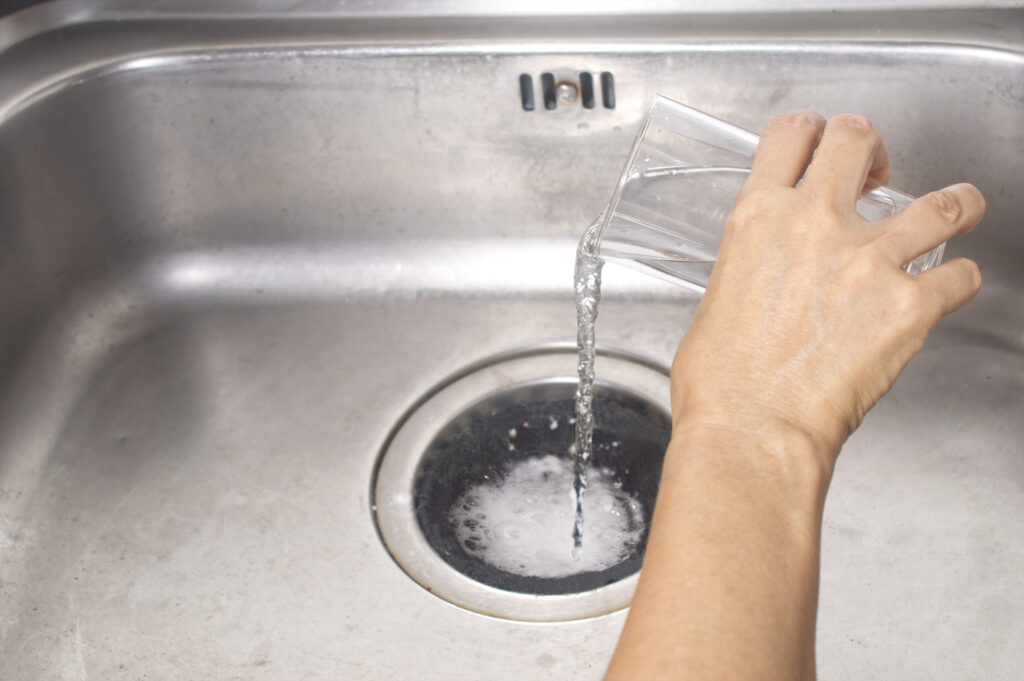
A well-maintained garburator can last anywhere from eight to fifteen years depending on the brand, usage habits, and quality of the unit. Regular cold water flushing during and after use helps move particles fully through the drain line rather than letting them settle. Periodic cleaning with a small amount of dish soap and ice cubes can help scour the grinding chamber without damaging the components. Running citrus peels through the unit occasionally helps manage odor, and checking for leaks at the unit’s mounting ring and drain connection every few months can catch early issues before they become expensive repairs. Staying proactive here is far less costly than ignoring the unit until something goes wrong.
How Home Warranties Relate to Your Garburator
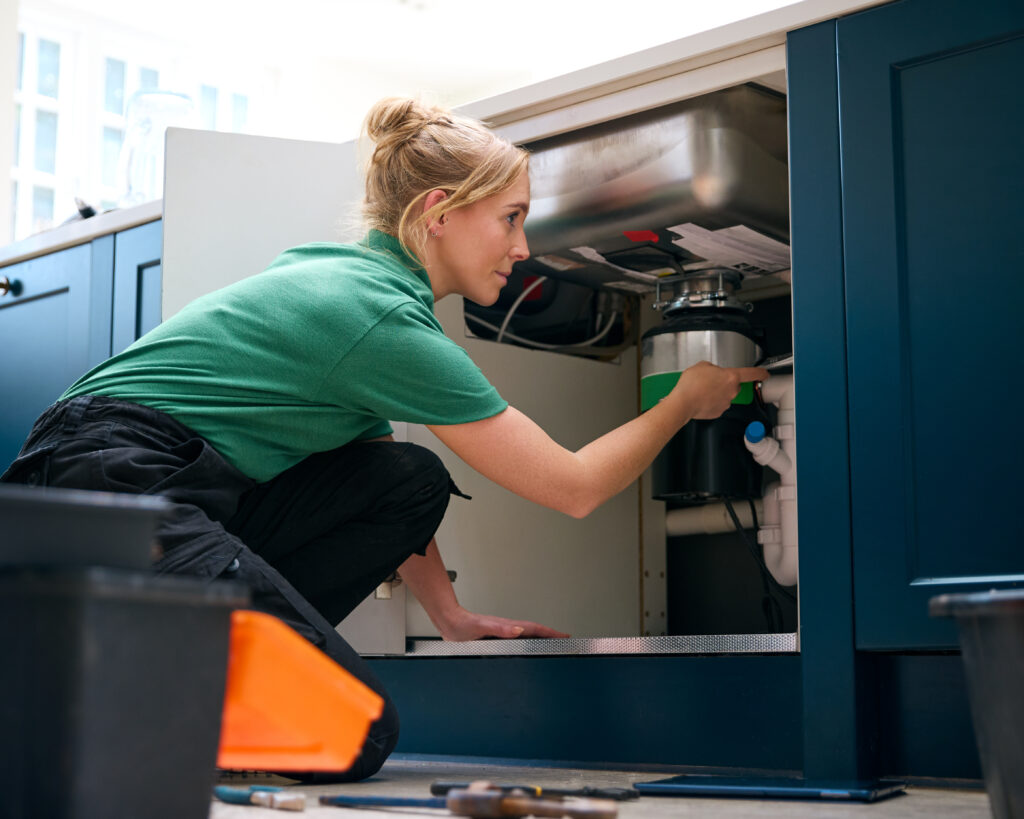
Here is something a lot of homeowners do not realize until it is too late: garburators are mechanical appliances that can and do fail. Motors burn out, seals crack, grinding components wear down, and electrical connections deteriorate. When that happens, the repair or replacement cost comes out of your pocket unless you have coverage in place. This is where understanding your home warranty becomes genuinely valuable. Many home warranty plans include built-in appliance coverage that extends to kitchen appliances, including the garburator. Knowing what your plan covers before something breaks means you are not scrambling to figure out costs in the middle of a kitchen backup situation.
Why Armadillo Is the Right Choice for Protecting Your Home Systems and Appliances
When a garburator fails, the last thing you want is to navigate repair costs alone. That kind of unexpected expense adds up fast, and it rarely happens at a convenient time. Armadillo was built specifically to take that pressure off homeowners by offering straightforward, transparent home warranty coverage for the systems and appliances you rely on every day. Whether it is your disposal unit grinding to a halt or a bigger plumbing issue lurking further down the drain line, having a plan in place makes an immediate difference. If you want to understand exactly what is covered and how Armadillo approaches home protection, you can explore your options through Armadillo’s comprehensive home warranty coverage for kitchen appliances and plumbing systems. And if you are ready to see what a plan looks like for your specific home, it takes only seconds to get a personalized home warranty quote that covers your garburator and home systems. Protecting the things that keep your home running should not feel complicated, and with Armadillo, it does not have to.

Frequently Asked Questions About Garburators and Where the Waste Goes
Where does garburator waste go if I am connected to a municipal sewer system?
The ground food slurry travels through your home’s drain pipes into the city’s sewer lines and eventually reaches a wastewater treatment facility, where the organic solids are processed and the treated water is released back into the environment.
Can I use a garburator if my home has a septic system?
It is possible, but it comes with risks. The additional organic load from a garburator can disrupt the bacterial balance in your septic tank and increase how often it needs to be pumped. Consult a septic professional before relying heavily on a disposal unit.
Is garburator waste bad for the environment?
When directed to a well-equipped municipal treatment facility, garburator waste can actually be less environmentally harmful than sending food scraps to a landfill, where they produce methane. The environmental impact depends largely on your local wastewater infrastructure.
How long does a garburator typically last?
A quality garburator, with proper maintenance and responsible use, can last between eight and fifteen years. Units that are overloaded or used to process unsuitable materials tend to fail sooner.
What foods should never go into a garburator?
Avoid putting grease, cooking oil, fibrous vegetables, starchy foods like pasta or rice, egg shells in large quantities, coffee grounds, and any non-food materials into the unit. These can damage components or cause drain clogs over time.
Does a garburator use a lot of water or electricity?
Garburators require a continuous flow of cold water during operation, which does increase water usage slightly. However, the electrical draw is relatively low and most units run for only a short time per use, keeping energy costs minimal.
Is a garburator covered by a home warranty?
Many home warranty plans include coverage for built-in kitchen appliances, which can include garburators. Coverage details vary by provider and plan, so reviewing your specific warranty terms or speaking with your provider is the best way to confirm.
Why does my garburator smell even after cleaning it?
Odors typically come from food particles that have accumulated inside the grinding chamber or on the rubber splash guard. Running the unit with dish soap and cold water, cleaning the underside of the splash guard manually, and occasionally processing citrus peels can help eliminate persistent odors.
Can a garburator cause plumbing problems in my home?
Yes, if used improperly. Putting the wrong materials through the unit over time can lead to grease buildup in pipes, blockages further down the drain line, or damage to the disposal unit itself, all of which can create costly plumbing issues.
Should I run hot or cold water when using my garburator?
Cold water is recommended because it keeps any fats or grease in solid form as they move through the unit, making it easier to grind and flush them out before they can coat the interior of your drain pipes. Hot water can liquify grease temporarily, only for it to re-solidify further down the line.