Where Is the Main Water Shutoff Valve in Your Home — and Why You Need to Know
Most homeowners go years without ever thinking about their main water shutoff valve. Then a pipe bursts at 11 PM on a Tuesday and suddenly that little valve becomes the most important thing in the entire house. Knowing where it is, how it works, and what condition it is in can be the difference between a minor inconvenience and a catastrophic, wallet-draining flood. This is one of those foundational pieces of home knowledge that just does not get talked about enough — and that is exactly what this article is here to fix.
What Is the Main Water Shutoff Valve?
The main water shutoff valve is the single point of control for all the water entering your home from the municipal supply line or private well. When it is fully open, water flows freely throughout your entire plumbing system — to your sinks, showers, toilets, appliances, and outdoor spigots. When it is closed, that flow stops completely. It is essentially the master switch for your home’s water supply, and every homeowner should know exactly where it lives before they ever need to use it in an emergency.
Where to Find Your Main Water Shutoff Valve
The location of the main shutoff valve varies depending on your home’s age, construction style, and climate. There are a few common places to check. In colder climates, the valve is typically located inside the home to protect it from freezing temperatures — often in the basement near the front foundation wall, in a utility room, or in a crawl space. In warmer climates, it may be located outside along an exterior wall or in a covered in-ground box near the street called a curb stop or meter box. If you are in a newer home or a condo, check near the water heater, under the kitchen sink, or in a dedicated mechanical room. When in doubt, follow the water supply line from your water meter toward the house — the shutoff valve will be somewhere along that path.
Types of Main Water Shutoff Valves
Not all shutoff valves are the same, and knowing which type you have matters when it comes to operation and maintenance. The two most common types found in residential homes are:
- Gate valves: Older and more common in homes built before the 1970s. These have a round, wheel-like handle and require multiple full rotations to open or close. They can corrode or seize over time, especially if they have not been used in years.
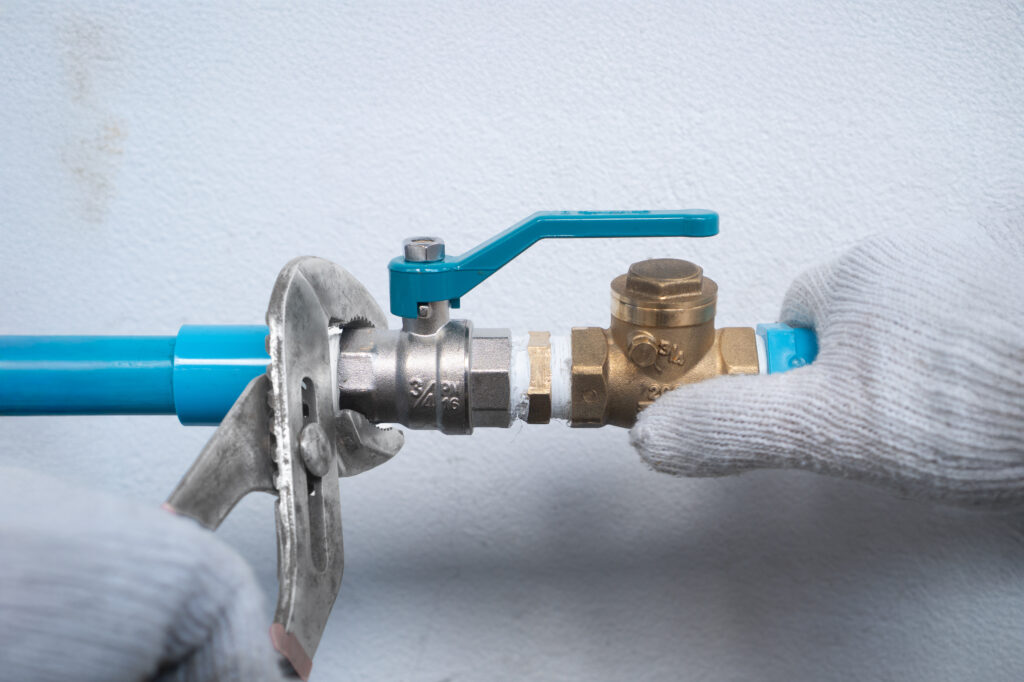
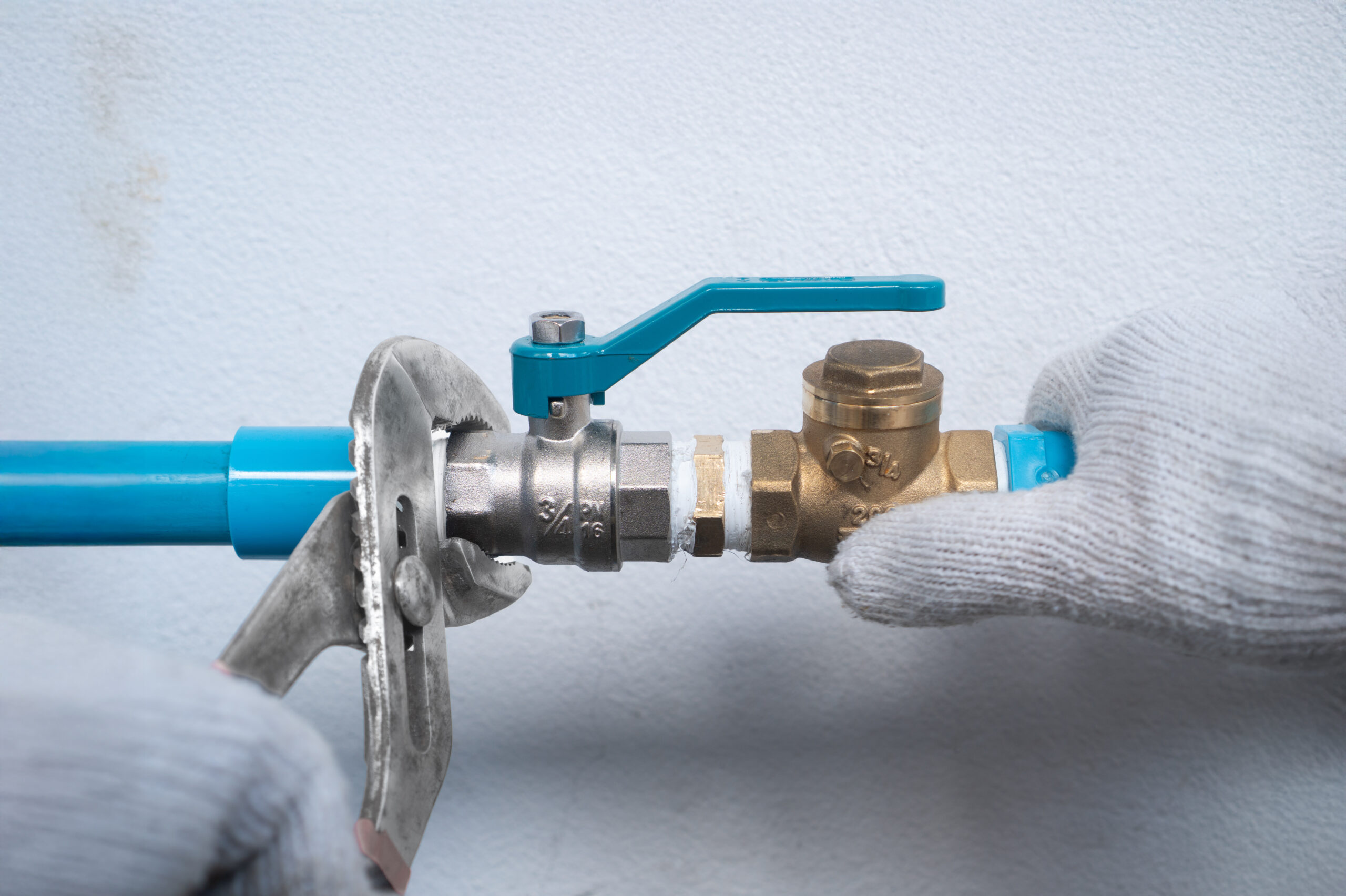
- Ball valves: More modern and significantly more reliable. These have a lever-style handle and only require a quarter turn to fully open or close. When the handle is parallel to the pipe, it is open. When it is perpendicular, it is closed.
If your home has an older gate valve that has not been turned in a decade or more, it is worth having a plumber inspect it. A valve that fails when you need it most is not something you want to discover mid-emergency.

How to Operate Your Main Water Shutoff Valve
Operating the valve is straightforward once you locate it. For a ball valve, turn the lever a quarter turn so it sits perpendicular to the pipe — that closes it. To reopen, turn it back parallel to the pipe. For a gate valve, turn the wheel clockwise to close and counterclockwise to open. A helpful reminder: righty-tighty, lefty-loosey applies here. After shutting off the water, open a faucet on the lowest level of your home to release any residual pressure still sitting in the lines. This small step can help prevent unnecessary dripping or slow leaks while repairs are being made.
Why Every Household Member Should Know Where It Is
Water damage is one of the most expensive and disruptive types of home damage a homeowner can face. According to industry data, even a small burst pipe can release hundreds of gallons of water in a matter of hours. The faster the water supply is cut off, the less damage results. That is why it is not enough for just one person in the household to know where the valve is. If the primary homeowner is traveling and a pipe bursts, whoever is home — a partner, a teenager, a house sitter — needs to be able to act immediately. Take five minutes right now to locate your valve, test it to make sure it turns, and show everyone in your household where it is and how it works.
Common Problems With Main Shutoff Valves
Even though it sits quietly in the background, your main shutoff valve can develop problems over time. Corrosion is the most common issue, particularly in older homes with gate valves or copper piping. A corroded valve may be stiff, difficult to turn, or completely seized. In worst-case scenarios, a corroded valve can crack or leak when finally forced open or closed after years of inactivity. Mineral buildup from hard water can also cause issues, and rubber seals inside the valve can degrade over time, causing slow drips even when the valve is in the closed position. If you notice moisture or discoloration around the valve, that is your cue to call a licensed plumber sooner rather than later.
When Should You Replace Your Main Shutoff Valve?
There is no universal expiration date on a shutoff valve, but there are clear signs that replacement is the right move. If the valve leaks when closed, takes excessive force to turn, or shows visible corrosion and rust, replacement should be prioritized. Upgrading from an aging gate valve to a modern ball valve is a relatively affordable plumbing job and dramatically improves your ability to respond quickly in an emergency. Most plumbers can complete the replacement in under two hours, and the peace of mind it provides is well worth the cost. This is one of those proactive home maintenance tasks that seems unnecessary until the exact moment it is absolutely necessary.
How Home Warranties Fit Into Water Valve Awareness
Here is something worth understanding from the home warranty perspective: standard homeowners insurance typically covers sudden and accidental water damage, but it often does not cover the repair or replacement of the plumbing components themselves — including valves, pipes, and fixtures that fail due to age or wear. That gap is where a home warranty steps in. A quality home warranty plan can cover the repair or replacement of internal plumbing systems, including components related to water supply, when they fail under normal use. Knowing where your shutoff valve is pairs well with having a home warranty, because you can stop the immediate damage and then make a covered service call to handle the actual repair.
Why Armadillo Is the Smart Choice for Homeowners Who Take Their Systems Seriously
If you are the kind of homeowner who takes the time to locate your main water shutoff valve and understand how your home systems work, then you already understand the value of being prepared. That mindset is exactly what Armadillo’s home warranty coverage for plumbing systems and appliances was built for. Armadillo offers straightforward, transparent home warranty plans that cover the systems most likely to fail — including plumbing — without the confusing fine print that leaves homeowners feeling misled. Whether you are protecting a recently purchased home or finally getting coverage for a property you have owned for years, you can get a free home warranty quote tailored to your home’s plumbing and systems in just a few minutes. Being informed about your home is only half the equation — having a plan to cover the costs when something goes wrong is the other half.

Frequently Asked Questions About the Main Water Shutoff Valve
Where is the main water shutoff valve typically located in a house?
In colder climates, it is usually inside the home near the front foundation wall, in a basement, crawl space, or utility room. In warmer climates, it may be outside along an exterior wall or in an in-ground meter box near the street.
How do I turn off the main water supply in an emergency?
Locate the main shutoff valve and turn it clockwise if it is a gate valve, or turn the lever perpendicular to the pipe if it is a ball valve. After shutting it off, open a low-level faucet to release residual pressure in the lines.
What is the difference between a gate valve and a ball valve?
A gate valve has a round wheel handle and requires multiple turns to operate. A ball valve has a lever handle and only needs a quarter turn. Ball valves are more reliable and faster to operate, especially in emergencies.
How often should the main water shutoff valve be tested?
It is a good practice to test your main shutoff valve at least once a year. Turning it off and back on helps prevent it from seizing due to corrosion or mineral buildup from extended inactivity.
What if my main water shutoff valve is stuck or will not turn?
Do not force it. A stuck valve, particularly an older gate valve, can crack or break if excessive pressure is applied. Contact a licensed plumber to assess the valve and replace it if necessary.
Is there a shutoff valve near the street as well?
Yes. Most homes have a curb stop valve located in a covered underground box near the street or sidewalk. This valve is typically operated by the water utility company using a special tool and is intended for utility use, not routine homeowner access.
Can a home warranty cover main water shutoff valve repairs?
Many home warranty plans include coverage for interior plumbing systems, which can include shutoff valves and related components that fail due to normal wear and tear. Coverage specifics vary by plan, so it is important to review the terms carefully.
What are signs that my main shutoff valve needs to be replaced?
Look for visible rust or corrosion, water dripping from the valve body, difficulty turning the handle, or leaking that persists even in the closed position. Any of these signs warrant a call to a licensed plumber.
Should I upgrade from a gate valve to a ball valve?
In most cases, yes. Ball valves are more durable, easier to operate quickly, and less prone to failure over time. If your home still has an older gate valve as the main shutoff, upgrading to a ball valve is a practical and relatively low-cost improvement.
What should I do after turning off the main water supply?
After shutting off the main valve, open a faucet on the lowest floor of your home to drain residual water from the pipes and relieve pressure. Then address the source of the issue or contact a plumber for repairs before restoring water service.