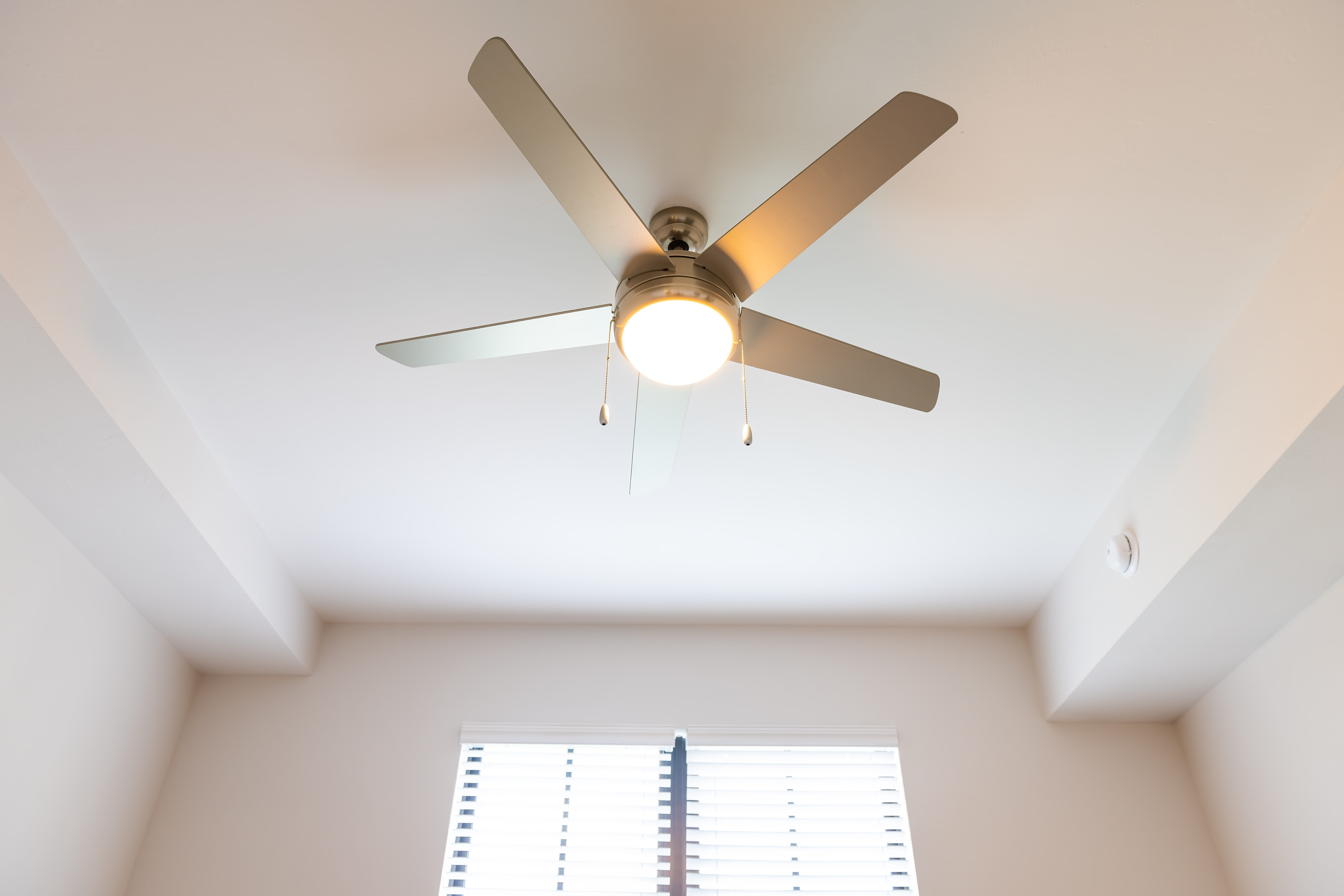
Why the Direction Your Ceiling Fan Spins Actually Matters in Winter
Most homeowners give their ceiling fans exactly zero thought once the temperature drops. The fan goes off, the heater goes on, and that is usually the end of it. But here is the thing — your ceiling fan can actually help your heating system work more efficiently during the colder months, and all it takes is flipping a small switch. Yes, there is a switch. There has always been a switch. And if you have never used it, you are leaving real energy savings on the table every single winter.
Ceiling Fan Basics: What Most People Get Wrong
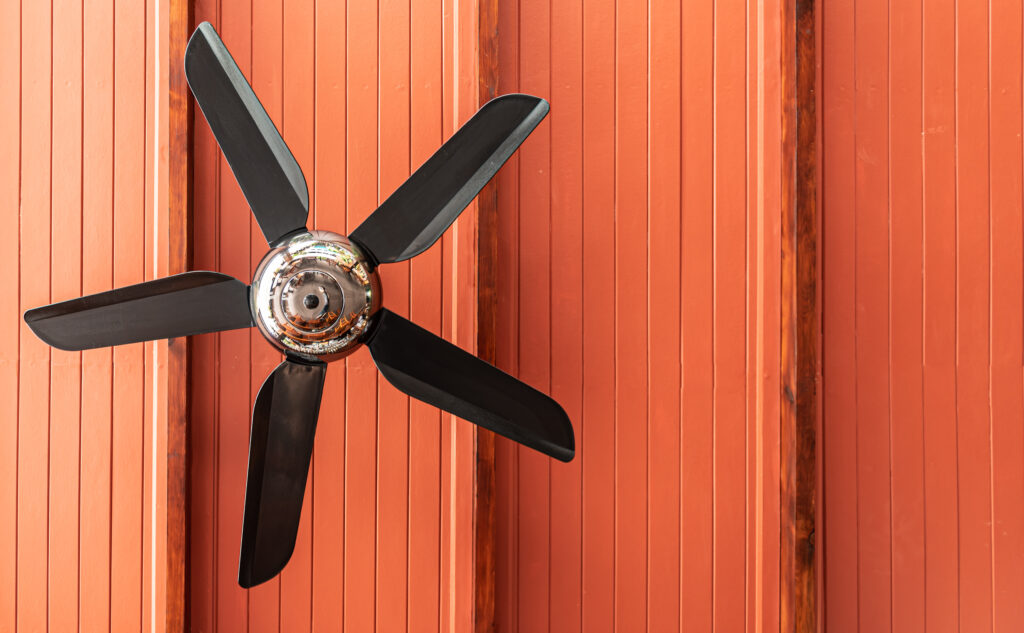
Ceiling fans are typically associated with summer cooling, and that makes sense. The default setting on most fans pushes air downward, creating a wind-chill effect that makes a room feel cooler without actually lowering the temperature. That is great in July. In January, though, that same airflow direction is actively working against you. Running your fan on the wrong setting in winter can make a room feel drafty and cold, which might actually prompt you to crank your thermostat higher than necessary. That costs money. The fix is surprisingly simple, and it starts with understanding how heat moves inside your home.
Heat Rises — And That Is a Problem
Warm air is less dense than cool air, so it naturally floats upward. During winter, your heating system works hard to push warm air into your living spaces, but a significant portion of that heat ends up trapped near the ceiling where no one is sitting or standing. In rooms with high or vaulted ceilings, this problem is even more pronounced. You could be heating the top two feet of your room beautifully while everyone at floor level is still reaching for a blanket. A ceiling fan, when used correctly in winter, solves this exact problem.
Which Way Should a Ceiling Fan Turn in Winter?
In winter, your ceiling fan should spin clockwise when viewed from below. This is the reverse direction from its summer setting. When the fan spins clockwise at a low speed, it creates an updraft rather than a downdraft. That updraft pulls cool air up from the floor and pushes the warm air that has accumulated near the ceiling back down along the walls and into the occupied areas of the room. The key word there is low speed — running it on high in reverse mode will create a downdraft strong enough to feel like a breeze, which defeats the entire purpose. Low and slow is the goal in winter.
How to Switch Your Fan to Winter Mode
Changing your fan’s direction is straightforward, though the process varies slightly by model. Here is what you need to know:
- Turn off the fan completely and wait for the blades to stop moving before making any adjustments.
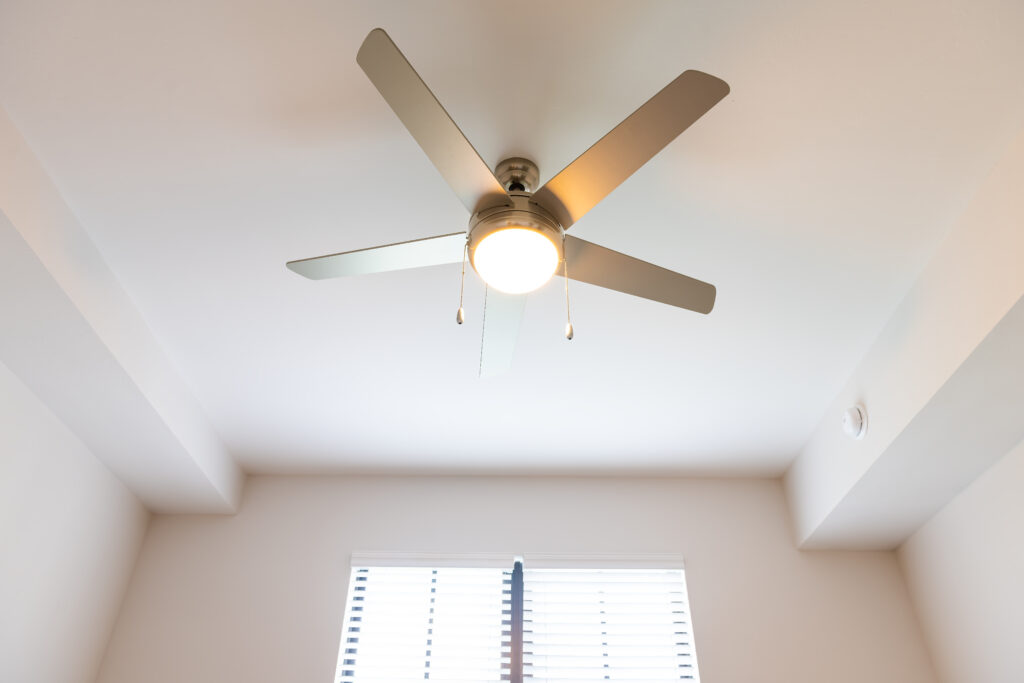
- Look for a small toggle switch on the motor housing of the fan, usually located on the side of the cylindrical body just below the canopy.
- Flip the switch in the opposite direction from its current position to reverse blade rotation.
- Turn the fan back on at the lowest speed setting and confirm the blades are now spinning clockwise when viewed from beneath.
- Some newer smart fans can be reversed through a remote control or app, so check your model’s documentation if you do not see a physical switch.

The Energy Savings Are Real
This is not just a feel-good tip — the efficiency gains from running your ceiling fan in reverse during winter are well documented. By redistributing warm air that would otherwise sit unused near the ceiling, you reduce the workload on your heating system. That means your furnace or heat pump cycles on less frequently, which translates directly into lower energy bills. Some estimates suggest homeowners can reduce heating costs by up to 15 percent during winter months by making proper use of their ceiling fans. Given that heating accounts for a substantial portion of annual home energy expenses, that is not a number worth ignoring.
Common Mistakes That Cancel Out the Benefits
Even homeowners who know about the clockwise trick sometimes undercut the benefit with a few avoidable errors. Running the fan on medium or high speed in reverse is the most common mistake — it creates enough airflow to feel chilly at sitting level, which is not the goal. Another frequent error is forgetting to switch back to counterclockwise in the spring, which means the fan spends the warmer months fighting against itself. It is also worth noting that the winter setting provides diminishing returns in rooms with standard eight-foot ceilings, where heat stratification is less severe. In those spaces, the savings exist but are more modest.
When Your Ceiling Fan Stops Working Right
Ceiling fans are generally reliable, but like any home system, they can develop issues over time. Wobbling blades, humming motors, flickering lights on fan-light combos, and direction switches that no longer engage properly are all common complaints. Some of these issues are simple fixes — blade balancing kits are inexpensive and widely available, and loose screws are usually the culprit behind wobbling. Other problems, like a failing motor or faulty wiring, require more attention and potentially professional repair. If your fan is not responding to the direction switch at all, the switch mechanism itself may be worn out, which is a fairly common issue on older fans.
Ceiling Fans as Part of a Whole-Home Efficiency Strategy
A ceiling fan is one piece of a much larger puzzle when it comes to managing your home’s comfort and energy efficiency in winter. Pairing the winter fan setting with proper attic insulation, sealed door and window gaps, and a programmable or smart thermostat creates a layered approach that compounds the savings. Your HVAC system and your ceiling fans are not separate systems operating independently — they work together whether you intend them to or not. Using both intelligently means your home retains heat more effectively, your equipment runs less aggressively, and your monthly utility bills reflect that effort.
Why Home Warranty Coverage Belongs in This Conversation
Here is something worth thinking about. You take the time to flip your fan to winter mode, you seal your drafts, you program your thermostat — you do everything right. And then your furnace stops working in February. Or the ceiling fan motor burns out and the electrician finds a wiring issue that leads back to a bigger repair. Home systems fail, and they tend to do it at the worst possible time. That is exactly why trusted home warranty coverage for HVAC and home systems exists — to make sure that when something breaks down, you are not staring down a four-figure repair bill with no backup plan. Armadillo offers straightforward, transparent home warranty plans built around the way real homeowners actually live. If you want to know what protecting your home’s systems and appliances actually looks like without the fine-print surprises, take two minutes and get a personalized home warranty quote for your heating and cooling systems right now. Your ceiling fan will thank you. So will your furnace.

Frequently Asked Questions About Ceiling Fan Direction in Winter
Which direction should a ceiling fan turn in winter?
In winter, a ceiling fan should spin clockwise when viewed from below. This creates an updraft that pushes warm air collected near the ceiling back down into the living space.
What speed should I set my ceiling fan to in winter?
Always use the lowest speed setting when running your ceiling fan in reverse during winter. Higher speeds will generate a wind-chill effect that makes the room feel colder rather than helping redistribute warm air.
Where is the direction switch on a ceiling fan?
The direction switch is typically a small toggle or slider located on the side of the fan’s motor housing, just below the ceiling canopy. Some modern fans use a remote control or mobile app to change blade direction.
How much can I save on heating bills by using my ceiling fan in winter?
Using your ceiling fan correctly in winter can reduce heating costs by an estimated 10 to 15 percent by improving the distribution of warm air and reducing how often your heating system needs to run.
Should I turn my ceiling fan off completely in winter?
Not necessarily. If you reverse the blade direction and run it on a low setting, a ceiling fan can actively support your heating system’s efficiency rather than working against it.
Does ceiling fan direction in winter matter in rooms with low ceilings?
It matters less in rooms with standard eight-foot ceilings because heat stratification is less severe. The benefit is most noticeable in rooms with vaulted, cathedral, or high ceilings where warm air has more vertical space to accumulate.
Can a ceiling fan replace a space heater in winter?
No. A ceiling fan does not generate heat — it redistributes existing warm air. It works as a complement to your heating system, not a replacement for it or for supplemental heating devices.
Is it safe to leave a ceiling fan running all day in winter?
Yes, ceiling fans are designed for continuous operation, though running one in an unoccupied room provides no benefit since the efficiency gain comes from warming the people in the space, not the room itself.
What should I do if my ceiling fan direction switch is not working?
If the toggle switch no longer changes blade direction, the switch mechanism may be worn or faulty. This is a common issue on older fans and typically requires replacing the switch component or the fan itself.
Does a home warranty cover ceiling fan repairs?
Coverage varies by provider and plan. Some home warranty plans include ceiling fans as part of their electrical system or built-in appliance coverage. Reviewing the specific terms of your plan is the best way to confirm what is included.