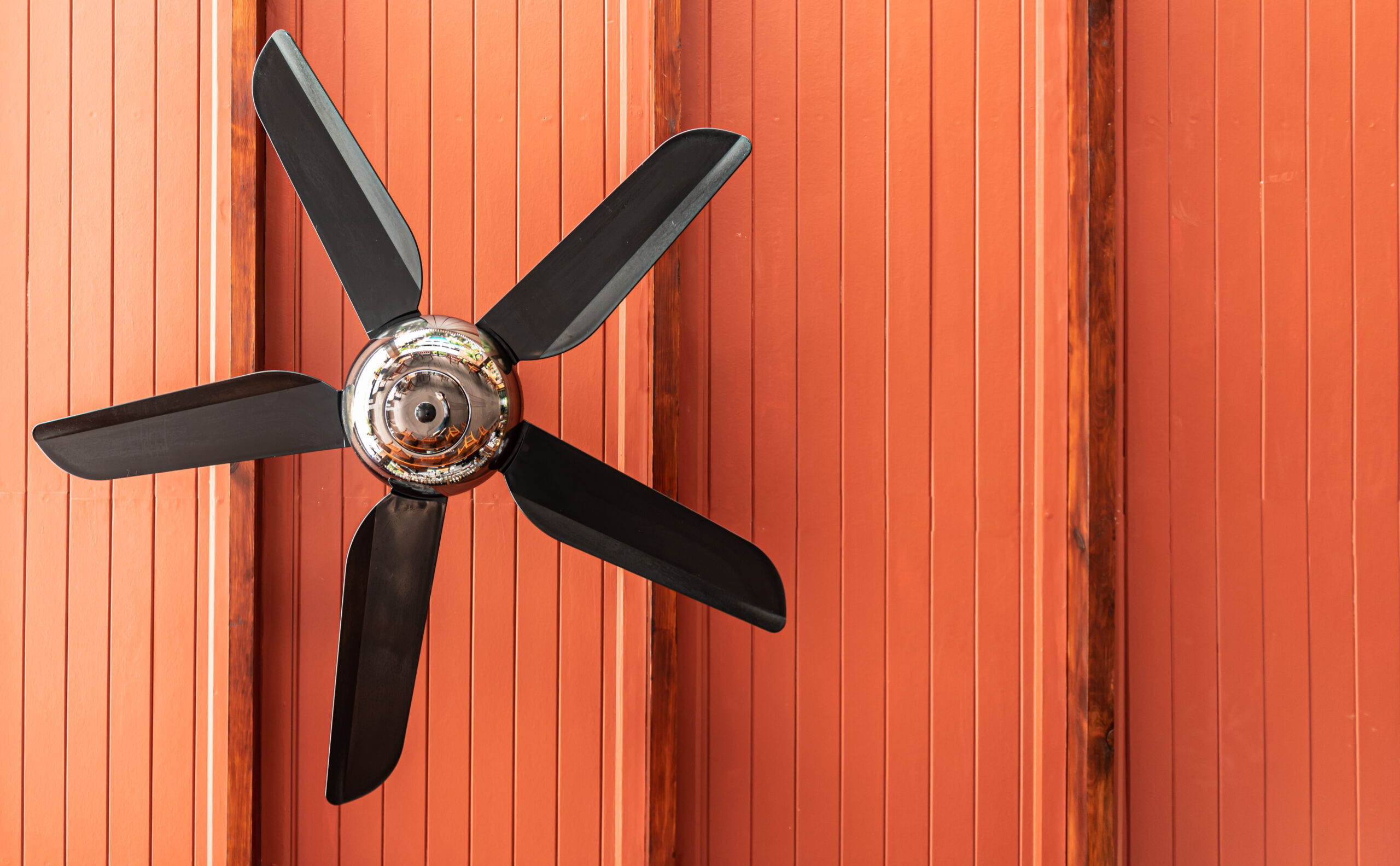
Which Way Should Your Ceiling Fan Spin in Summer? A Homeowner’s Complete Guide
It sounds like a small thing. A ceiling fan spinning in the wrong direction. But here is the honest truth — that one setting could be costing you real money every single month during the hottest part of the year. Most homeowners never think twice about it, and that is completely understandable. Ceiling fans are easy to overlook, especially when they seem to be doing their job just by moving air around. But the direction your fan spins in summer versus winter actually matters more than most people realize, and getting it right is one of the simplest, most cost-effective things you can do for your home’s comfort and energy efficiency.
The Short Answer: Counterclockwise for Summer
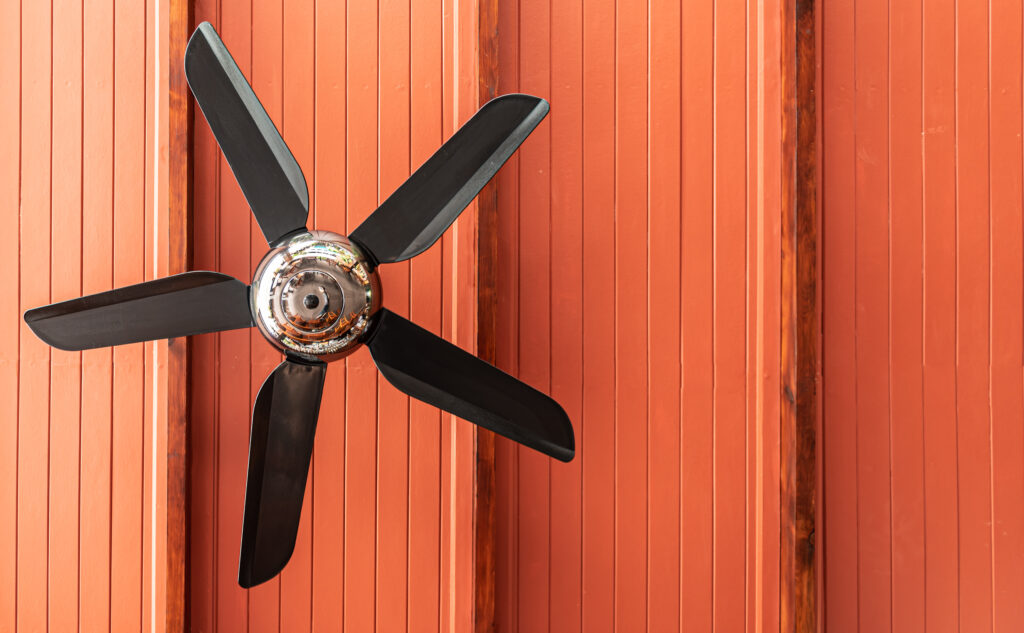
During the summer months, your ceiling fan should spin counterclockwise when viewed from below. That is the standard recommendation across HVAC professionals and energy efficiency experts alike. When the blades rotate in this direction, they push air straight down, creating what is called a wind chill effect. The air moving across your skin helps your body cool down faster, similar to how a breeze feels on a hot day outside. You are not actually lowering the temperature in the room — the fan does not change the air temperature at all — but you feel cooler, and that perception of coolness is genuinely valuable when it comes to managing your home comfort without cranking the air conditioner.
Why Fan Direction Actually Affects Your Energy Bill
Here is where things get interesting. Because a ceiling fan running counterclockwise in summer creates that cooling sensation, you can typically raise your thermostat setting by around four degrees without noticing any difference in comfort. According to the U.S. Department of Energy, that small adjustment can translate into meaningful savings on your cooling costs over a full summer season. Fans use significantly less electricity than central air conditioning systems, so running your fan more and your AC slightly less adds up. The fan itself is doing the heavy lifting on perceived comfort, while the AC handles the actual temperature regulation with a lighter load.

How to Change Your Ceiling Fan Direction
Most ceiling fans have a small switch located on the motor housing — that cylindrical body sitting just below the ceiling mount. It is usually a physical toggle switch, and it flips between two directions. Before you touch it, always turn the fan off completely and wait for the blades to stop moving. Once it is still, find the switch and flip it the opposite direction. Turn the fan back on at a low speed and look up. The blades should now appear to move counterclockwise from your perspective standing below. Some newer smart fans allow you to change the direction through an app or a remote control, which is convenient and honestly pretty satisfying once you set it up.
Common Signs Your Fan Is Spinning the Wrong Way in Summer
Not sure if your fan is set correctly? There are a few easy ways to tell without reading the manual or climbing a ladder right away.
- You are standing directly below the fan but do not feel any airflow pushing down toward you
- The room feels stuffy even with the fan running at a medium or high speed
- You feel a slight upward draft near the walls instead of a downward breeze in the center of the room
- Your energy bill seems high despite running the fan regularly as a supplement to AC
If any of those sound familiar, there is a good chance your fan direction is set for winter mode. Flip the switch, and you may notice an immediate difference in how the room feels.
Winter Mode vs. Summer Mode: Understanding Both Settings
It is worth understanding the winter setting too, because it is just as useful on the other end of the calendar. In winter, the fan should run clockwise at a low speed. This pulls cool air upward and forces the warm air that naturally collects near the ceiling back down along the walls. Warm air rises, and in rooms with high ceilings especially, a lot of that heat just sits up where it is useless. Running the fan in reverse at a slow speed redistributes it without creating that uncomfortable wind chill. The key difference is always speed — low and clockwise in winter, medium to high and counterclockwise in summer.
Ceiling Fan Placement and Sizing Considerations
Fan direction only works optimally when the fan is sized and positioned correctly for the space. A fan that is too small for the room will not move enough air to create meaningful comfort, regardless of direction. A fan installed too high above the living area loses much of its effectiveness. General guidance for sizing looks something like this:
- Rooms up to 75 square feet: fan blade span of 29 to 36 inches
- Rooms between 76 and 144 square feet: fan blade span of 36 to 42 inches
- Rooms between 145 and 225 square feet: fan blade span of 44 inches
- Larger rooms and open floor plans: 52 inches or greater, sometimes multiple fans
For ceiling height, the blades should ideally be 7 to 9 feet above the floor. If your ceiling is taller, use a downrod extension to bring the fan to the right height. This placement detail directly affects how well the counterclockwise direction delivers that cooling airflow to the people in the room.
What This Has to Do With Home Warranties
Ceiling fans are generally low-maintenance, but they are not indestructible. Motors wear out. Capacitors fail. Wiring connections can loosen over time, especially in fans that have been running seasonally for years. When that happens, you are looking at either a repair or a replacement, and neither is necessarily cheap depending on the fan and your home’s electrical setup. Ceiling fans are sometimes included in home warranty coverage depending on your plan. It is worth knowing what your home warranty does and does not cover before something stops working in the middle of July and you are left sweating while you wait for a quote from an electrician.
Why Armadillo Has Your Back When Home Systems Let You Down
Ceiling fans spinning the right direction is one thing, but what happens when the systems keeping your home comfortable actually break down? That is where having the right home warranty coverage makes a real difference. Armadillo home warranty plans for HVAC systems and home appliances are built to give homeowners genuine peace of mind without the confusion of fine print that seems designed to exclude everything you actually need. Armadillo offers straightforward coverage with real support, so when your ceiling fan motor burns out mid-August or your air conditioner gives up during a heat wave, you are not navigating that alone. If you have been thinking about protecting your home systems this summer, now is a good time to get a free home warranty quote for summer home comfort coverage and see exactly what plan makes sense for your situation. No pressure, just clarity — which is honestly all any homeowner really wants.

Frequently Asked Questions About Ceiling Fan Direction in Summer
These are the questions homeowners ask most often when it comes to ceiling fan direction, usage, and efficiency during warm weather months.
Which direction should a ceiling fan spin in summer?
In summer, a ceiling fan should spin counterclockwise when viewed from below. This pushes air downward and creates a wind chill effect that makes occupants feel cooler without changing the room’s actual temperature.
Does ceiling fan direction really make a difference in comfort?
Yes, noticeably so. The downward airflow from a counterclockwise-spinning fan increases the rate of evaporation on your skin, which is how the cooling sensation is created. Most people can feel the difference within seconds of standing beneath a properly set fan.
How do I know which way my ceiling fan is currently spinning?
Stand directly beneath the fan while it is running and look up. If the blades appear to move counterclockwise, the fan is set correctly for summer. If they appear to move clockwise, the fan is in winter mode and should be switched.
Where is the direction switch on a ceiling fan?
The direction switch is typically a small toggle or slide switch located on the side of the fan’s motor housing, which is the cylindrical body near the ceiling. Always turn the fan off and wait for it to stop completely before changing the switch.
Can changing ceiling fan direction lower my electric bill?
Indirectly, yes. By using your ceiling fan correctly in summer, you can raise your thermostat setting by approximately four degrees without sacrificing comfort, which reduces how often and how hard your air conditioner runs, lowering your overall cooling costs.
Should ceiling fans run all day in summer or only when people are in the room?
Ceiling fans cool people, not rooms. Running a fan in an empty room wastes electricity without any comfort benefit. The best practice is to turn fans on when you enter a room and off when you leave.
Does fan speed matter when running counterclockwise in summer?
Yes. In summer, running the fan at medium to high speed maximizes the wind chill effect. In winter, when the fan runs clockwise to redistribute warm air, a low speed is recommended to avoid creating an unwanted draft.
Are ceiling fans covered under a home warranty?
Coverage varies by provider and plan. Some home warranty plans include ceiling fans under electrical system coverage or as part of an appliance package. It is important to review your specific plan terms or speak with your warranty provider to confirm what is included.
Can a ceiling fan replace air conditioning in summer?
A ceiling fan cannot replace air conditioning because it does not actually lower the air temperature. It supplements AC effectively by making the perceived temperature feel lower, which allows you to rely on the air conditioner less intensively and extend its lifespan.
What should I do if my ceiling fan stops working in summer?
First, check that the fan is receiving power and that no circuit breaker has tripped. If power is confirmed but the fan still does not operate, the issue may be a failed motor, a bad capacitor, or a wiring problem. At that point, a licensed electrician or your home warranty provider should be contacted for a proper diagnosis and repair.