Understanding Whole-House Surge Protection: Why Every Homeowner Should Consider It
In today’s wired world, homeowners in communities like Shields, Michigan often rely on complex networks of electronics and appliances for everyday comfort, convenience, and safety. With that reality comes a growing need for security against unexpected power surges. While most people understand that lightning can wreak havoc on electrical systems, many aren’t aware that smaller, more frequent surges also silently degrade the life of essential home appliances and systems. Enter the whole-house surge protector. What it is, how it functions, and whether or not it’s worth it—let’s break it down so you can make an informed, confident decision about protecting your home.
What Is a Whole-House Surge Protector?
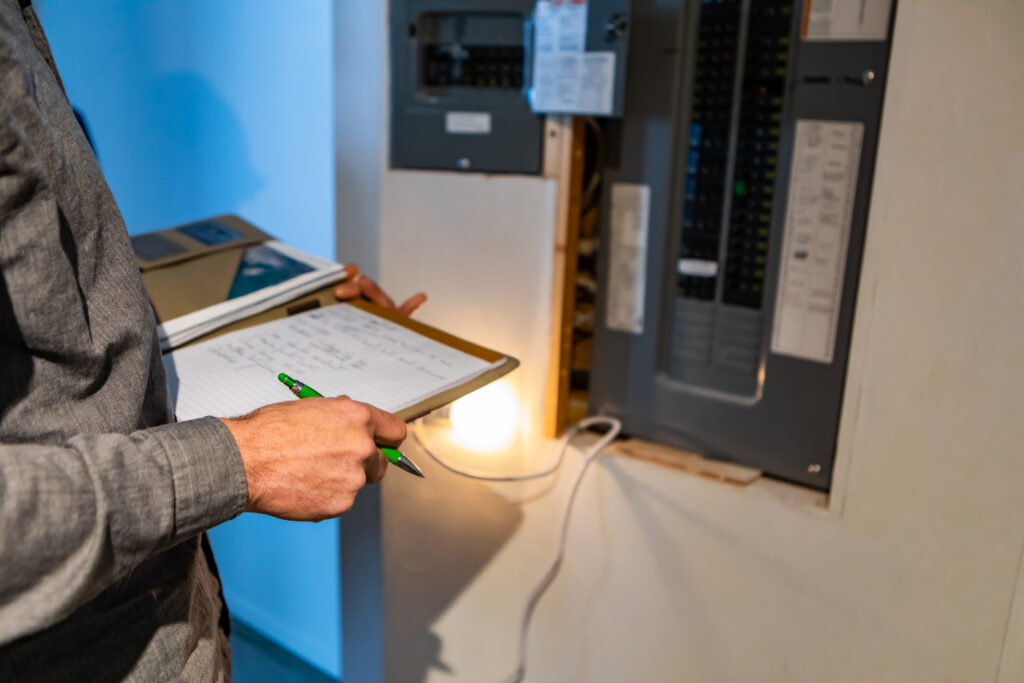
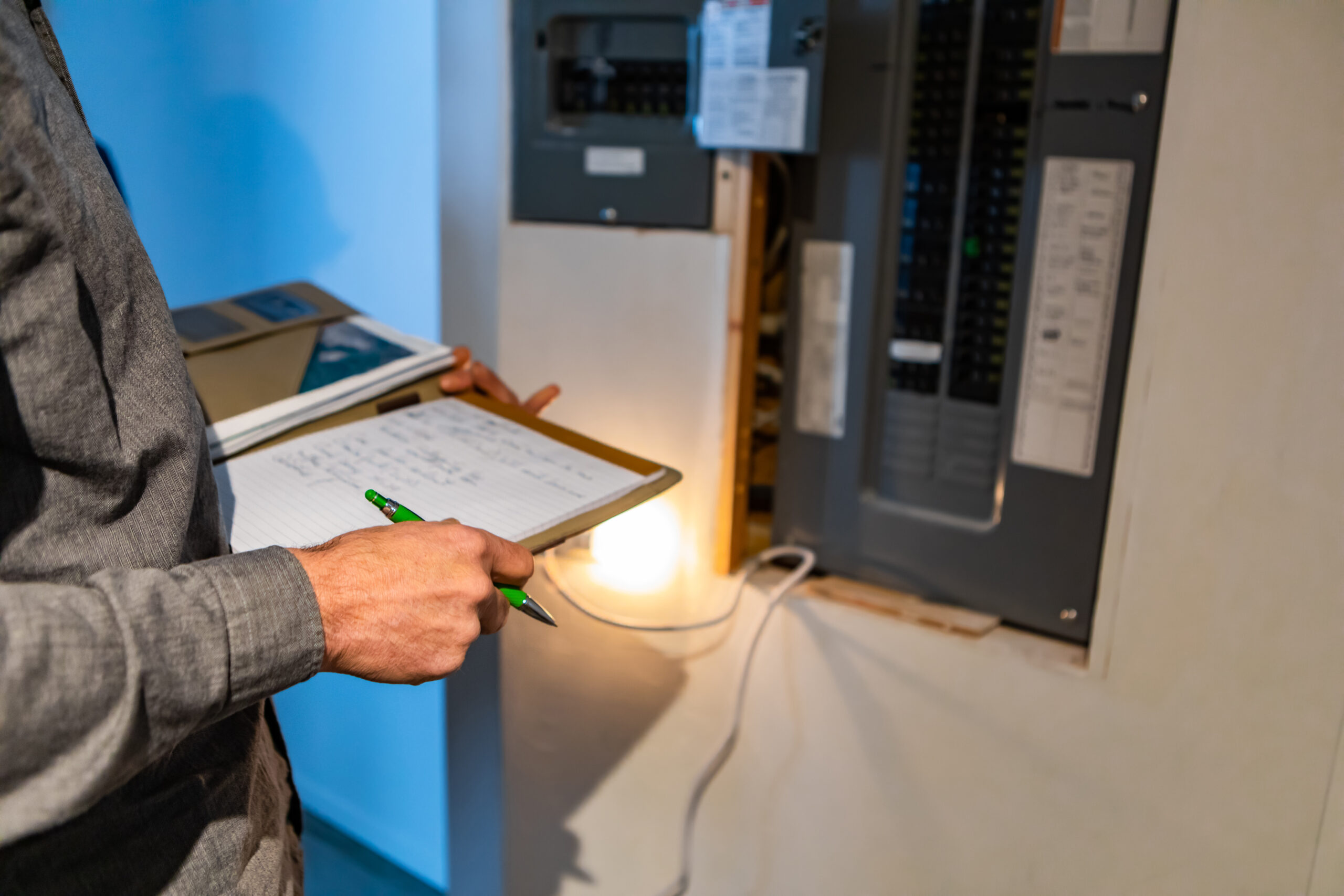
A whole-house surge protector is exactly what it sounds like: a device installed directly into your home’s electrical panel that shields your appliances and systems from power spikes. Unlike basic surge strips plugged into wall outlets, these protectors are hardwired into your main circuit breaker. They work by diverting excess voltage away from your home’s internal wiring during a surge event, channeling it safely into the ground. This proactive measure helps protect expensive electronics, HVAC systems, refrigerators, washers, dryers—anything inside your home that draws power.
How Whole-House Surge Protection Works
Electricity flows into your home from the utility provider through your main electrical panel. When a surge occurs—triggered by external events like lightning or internal causes like overloaded circuits or high-powered appliances switching on and off—it spikes that incoming voltage, sometimes by thousands of volts. The surge protector’s role is to monitor that voltage in real time. When it surpasses safe thresholds, the device reacts instantly. Metal-oxide varistors (MOVs), the core mechanism inside most protectors, absorb and redirect the surge current into the ground wire before it reaches your home’s interior circuit. This mitigation happens in microseconds, limiting the exposure your devices and appliances have to excess voltage.
Advantages of Installing Whole-House Surge Protection
One of the most significant advantages of whole-house surge protection is extended longevity for your home’s electronics and appliances. Modern homes have more “smart” devices than ever—each one built with sensitive electronic circuitry that degrades over time when exposed to voltage fluctuations. Surge protection acts like a filter, evening out those fluctuations before they translate into internal wear and tear. Another clear benefit is stronger risk mitigation. While your homeowners insurance might cover damage from a major lightning strike, it won’t shield you from the cost of replacing systems over time due to smaller, unnoticed surges. Investing in reliable surge protection adds real value to your home’s existing electrical infrastructure, increases safety, and strengthens overall asset protection.
Common Drawbacks and Considerations
Surge protectors, even whole-house models, are not infallible. One of the key drawbacks is that their effectiveness depends heavily on proper installation, preferably done by a licensed electrician. A poorly grounded system or incorrect voltage rating can reduce the protector’s ability to siphon off dangerous spikes. Additionally, surge protectors come in different tiers, generally Tier 1 for external surge protection at the service entrance and Tier 2 for internal panel protection. High-level surges may still require layered systems, which increases the cost. And while affordable in the grand scheme, the upfront investment—typically a few hundred dollars for the unit and installation—may feel unnecessary to some until damage occurs. Lastly, these devices have a finite lifespan and need replacement every 5 to 10 years depending on usage and the number of surges they absorb over time.
Tips for Choosing the Right Surge Protector for Your Home
If you’re considering a whole-house surge protector, start by evaluating your home’s electrical load and usage. A larger home with multiple HVAC units or a home office full of computers and network equipment will need a higher capacity unit rated for higher surge currents. Look for surge protectors with diagnostic LEDs or alert systems so you can monitor performance status. Devices that comply with UL 1449, a national safety standard for surge protective devices, offer better reliability. Professional installation is not just strongly recommended—it’s essential. When wiring into a main panel, every detail matters: wire length, grounding quality, and breaker compatibility all influence the protection level. Ask your electrician about combining whole-house protection with plug-in point-of-use devices for layered defense, especially in homes with expensive electronics.
Signs You May Already Be at Risk
Even without experiencing a catastrophic surge, subtle warning signs could indicate that your home is vulnerable. Regularly flickering lights, consistent failure of LED light bulbs, or unexplained malfunctions in major electronics may be symptoms of internal power spikes. If you live in an area like Shields, Michigan where seasonal thunderstorms are frequent, or your neighborhood experiences intermittent brownouts or utility service disruptions, then your risk profile increases substantially. If you’ve already had appliances fail prematurely despite normal wear and operation, surges may be to blame. Whole-house surge protection serves not only as a reactive defense but also as a preventative maintenance strategy for multiple systems in your home.
Protecting More Than Just Appliances: Peace of Mind with Armadillo
Whole-house surge protection is a smart investment in your home’s long-term resilience. It’s about more than just preserving electronics—it’s about safeguarding your comfort, avoiding surprise costs, and ensuring the systems you depend on last as long as they were designed to. At Armadillo, we see whole-house surge protectors working hand-in-hand with our home warranty plans. While our coverage is built to help you restore what goes wrong, devices like these help prevent damage in the first place. Imagine a home where your appliances are covered both from age and breakdown and preemptively shielded from unpredictable voltage trauma. That’s the kind of peace of mind you can build on. Start by learning more at www.armadillo.one, and when you’re ready, begin customizing your coverage with our wraparound support using our simple Plan Builder. Because protecting your home should feel as reliable as the home itself.