What Is a Whole-House Water Filtration System and Do You Actually Need One?
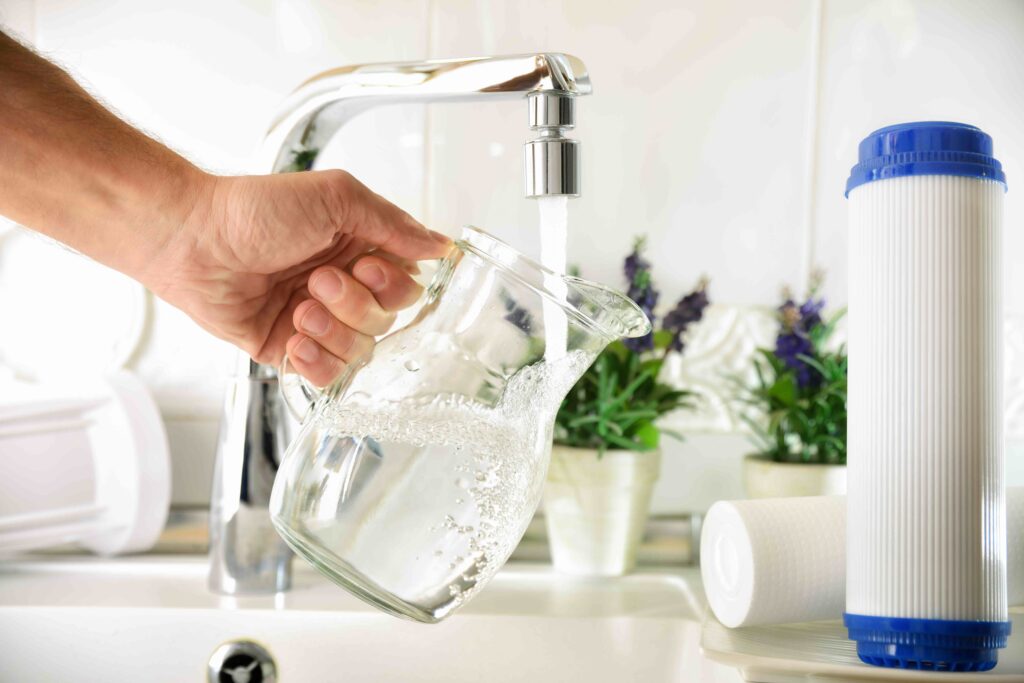
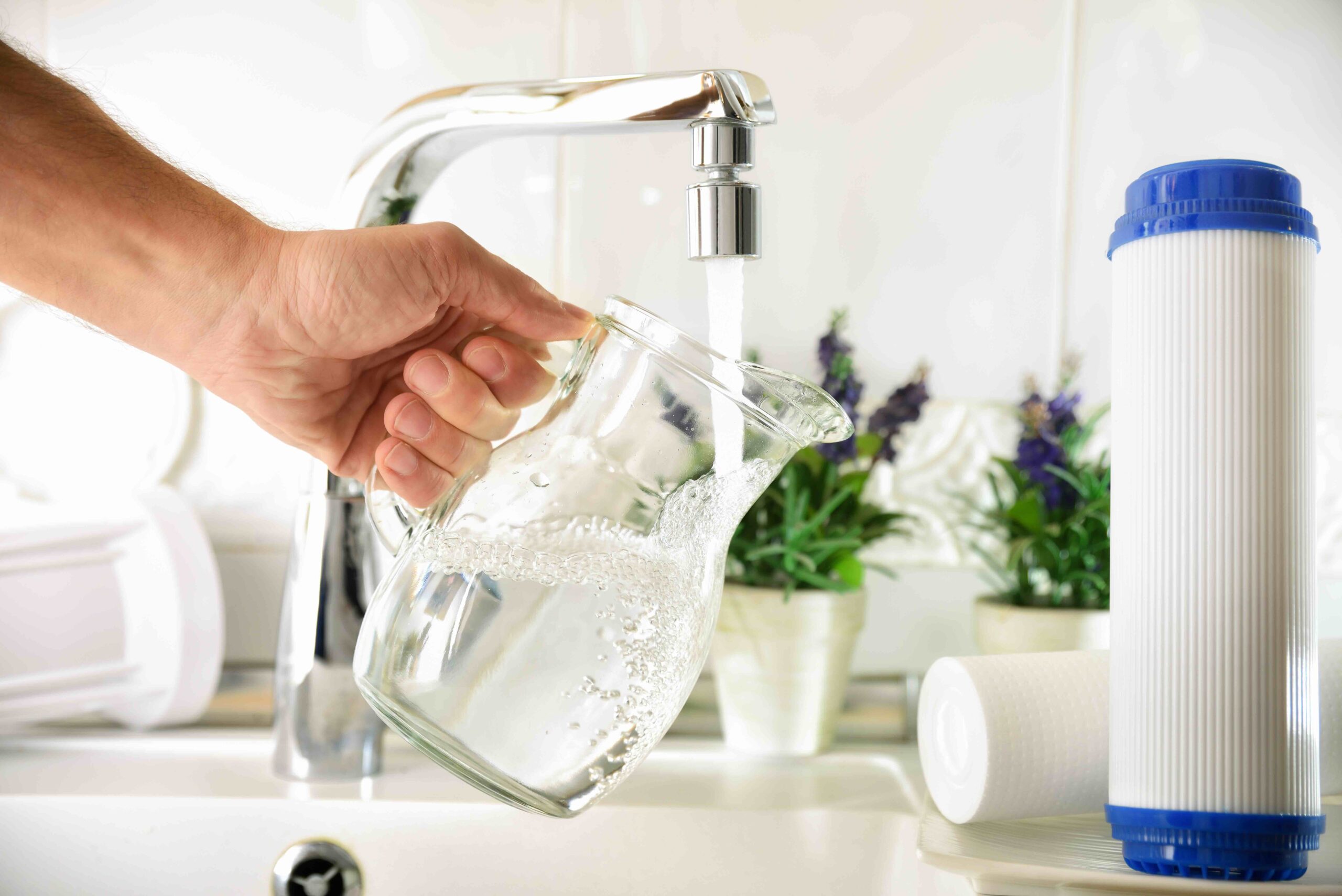
Most homeowners think about water quality at the tap, maybe they have a pitcher filter on the counter or a small unit under the kitchen sink. But what about the water flowing through your shower, your laundry, your dishwasher, and every other fixture in the house? A whole-house water filtration system addresses water quality at the point of entry, meaning every drop that enters your home gets treated before it reaches any faucet, appliance, or pipe. It is a more comprehensive approach than most people realize, and once you understand how it works, it becomes a lot harder to dismiss as overkill.
How a Whole-House Water Filtration System Actually Works
The system installs at your main water supply line, typically near where the line enters the home. From that single point, all incoming water passes through one or more filtration stages before it branches out to different areas of the house. Depending on the type and configuration you choose, those stages might include a sediment pre-filter that catches particulates like sand, rust, and debris, an activated carbon filter that reduces chlorine, chloramines, and volatile organic compounds, and in some cases, a specialized media filter designed to target specific contaminants like lead, arsenic, or iron. Some systems also incorporate a water softener stage to address hard water minerals. Water flows through each stage in sequence, and what comes out on the other end is significantly cleaner and more consistent than what entered.
The Main Types of Whole-House Filtration Systems
Not all systems are built the same, and the right configuration depends heavily on what is actually in your water. Here are the most common types you will encounter when shopping for a whole-house solution:
- Sediment filters: Entry-level systems designed to remove physical particles from the water supply.
- Carbon-based systems: Effective at reducing chlorine, odors, and many chemical contaminants.
- Iron filters or oxidizing filters: Specifically designed to treat water with high iron or manganese content.
- Salt-based water softeners: Treat hard water by replacing calcium and magnesium ions with sodium through ion exchange.
- Multi-stage systems: Combine several of the above into one integrated setup for broader coverage.
- UV purification add-ons: Use ultraviolet light to neutralize bacteria, viruses, and other biological contaminants.
Getting a water quality test before purchasing anything is genuinely the most useful first step you can take. Without knowing what is actually in your water, you are essentially guessing at the solution.
Key Advantages of Whole-House Water Filtration
The benefits extend well beyond drinking water, which is the part most people overlook when evaluating whether this investment makes sense. Filtered water throughout the home means your water-using appliances, including water heaters, washing machines, and dishwashers, are exposed to fewer minerals and contaminants that cause buildup and accelerated wear. Reduced sediment and scale extends the operational life of those appliances, which is a meaningful financial consideration for any homeowner. Skin and hair exposure to chlorine and hard water minerals is also reduced when you shower and bathe with treated water, something people with sensitive skin often notice relatively quickly. From a home systems perspective, cleaner water running through your pipes also tends to reduce the rate at which scale accumulates inside plumbing, which can contribute to better water pressure and fewer pipe-related issues over time.

Common Drawbacks to Consider Before You Commit
Whole-house filtration systems are not without their complications. The upfront cost of purchase and professional installation can range from several hundred dollars for a basic single-stage system to several thousand dollars for a multi-stage setup with a softener included. Ongoing maintenance is also a real commitment. Filters need to be replaced on a schedule, salt-based softeners require regular salt replenishment, and some systems need periodic backwashing or servicing to function properly. If maintenance is neglected, system performance degrades and can actually create new water quality problems. Additionally, certain softening systems increase sodium content in treated water, which may not be suitable for individuals on sodium-restricted diets. It is worth understanding the full scope of the system you are considering, not just the initial purchase price.
Installation: What to Expect and Who Should Do the Work
Whole-house filtration system installation is not a casual weekend project for most homeowners. It involves cutting into the main water supply line, installing bypass valves, securing the filtration unit, and ensuring that everything is properly sealed and leak-free before restoring water service. A licensed plumber is the appropriate professional for this type of work in most cases. Depending on your local codes, a permit may be required. Budget time for the installation itself and for any follow-up water testing to confirm the system is performing as expected. Some manufacturers offer professional installation packages directly, which can simplify the process if you prefer a bundled approach.
How Whole-House Filtration Impacts Your Home Appliances
This is where things get genuinely interesting from a home systems and home warranty perspective. Water heaters are particularly sensitive to hard water and sediment. Scale buildup inside a water heater tank reduces efficiency, forces the unit to work harder, and shortens its lifespan considerably. The same applies to washing machines, which have water inlet valves and internal components that wear faster when exposed to hard or sediment-heavy water. Dishwashers develop buildup on internal components and spray arms. Refrigerators with built-in ice makers and water dispensers are affected as well. A whole-house filtration system essentially acts as a protective layer for every water-connected appliance in your home, which is a dimension of the investment that rarely gets enough attention.
Maintenance Tips to Keep Your System Running Effectively
A filtration system that is not properly maintained can shift from being an asset to a liability in a relatively short time. Here are the maintenance practices that matter most:
- Replace sediment pre-filters every two to six months, depending on your water quality and usage volume.
- Replace carbon filters according to manufacturer specifications, typically every six to twelve months.
- Test your water annually to confirm the system is still addressing your specific contaminants effectively.
- Check for leaks at all connection points during routine inspections.
- If you have a salt-based softener component, check salt levels monthly and refill as needed.
- Schedule professional servicing for more complex multi-stage systems at least once per year.
Is a Whole-House Water Filtration System Worth the Investment?
For the right household, it absolutely is. If your home relies on well water, you are dealing with hard water, you have older pipes that may be introducing contaminants, or you simply want consistent water quality throughout the house rather than at a single point of use, a whole-house system is a logical upgrade. The combination of appliance protection, improved water quality across all fixtures, and reduced long-term plumbing wear creates a strong case. The key is matching the system to your actual water quality needs, committing to the maintenance schedule, and budgeting honestly for both the upfront and ongoing costs. This is not a purchase that benefits from guessing or cutting corners.
How Armadillo Helps Protect the Home Systems That Depend on Clean Water
Even with a whole-house filtration system in place, your water heater, washing machine, and other major appliances still face the natural wear that comes with years of regular use. That is where having a reliable home warranty becomes genuinely valuable. Armadillo home warranty plans for water heaters and major home appliances are designed to cover the repair and replacement costs that catch homeowners off guard when systems fail unexpectedly. If you are investing in whole-house filtration to protect your appliances and plumbing, pairing that with a home warranty is a smart way to close the remaining gap. You can get a customized home warranty quote to protect your water-connected systems and appliances in just a few minutes. Armadillo keeps it simple, transparent, and built around what homeowners actually need.

Frequently Asked Questions About Whole-House Water Filtration Systems
Answers to the questions homeowners ask most often when researching whole-house water filtration.
What does a whole-house water filtration system filter out?
Depending on the system type, it can remove sediment, chlorine, chloramines, volatile organic compounds, heavy metals like lead and arsenic, iron, manganese, bacteria, and hard water minerals. The specific contaminants addressed depend on the filtration stages included in the system.
How much does a whole-house water filtration system cost?
Costs vary widely. Basic single-stage sediment or carbon systems may start around $200 to $500 before installation. Multi-stage systems with water softening and UV purification can cost $1,500 to $4,000 or more installed. Professional installation typically adds $200 to $500 to the total.
Do I need a whole-house filter if I already have a under-sink filter?
An under-sink filter only treats water at that one faucet. A whole-house system treats all water entering the home, protecting your appliances, plumbing, showers, and laundry as well. They serve different purposes and are not interchangeable.
How often do whole-house water filters need to be replaced?
Sediment pre-filters typically need replacement every two to six months. Carbon filters generally last six to twelve months. Some specialty media filters can last several years. Replacement frequency depends on your water quality and household usage volume.
Will a whole-house water filtration system reduce my water pressure?
A properly sized and well-maintained system should have minimal impact on water pressure. However, a clogged or overdue filter can restrict flow and reduce pressure noticeably, which is why timely filter replacement matters.
Does a whole-house water softener count as a filtration system?
A water softener addresses hard water minerals through ion exchange but does not filter out other contaminants like chlorine, sediment, or heavy metals. For comprehensive treatment, many homeowners combine a softener with additional filtration stages.
Is it safe to drink water from a whole-house filtration system?
Yes, in most cases. However, the system must be properly maintained and matched to your specific water quality needs. An outdated or improperly maintained filter may not adequately treat all contaminants, so annual water testing is recommended.
Can a whole-house water filtration system extend the life of my appliances?
Yes. Reducing sediment, scale, and chemical exposure significantly lowers the wear on water heaters, washing machines, dishwashers, and other water-connected appliances. This can translate into fewer repairs and longer operational life spans.
Does a whole-house filtration system require professional installation?
In most cases, yes. Installation involves cutting into the main water supply line, which requires plumbing knowledge and in some jurisdictions a permit. Professional installation ensures the system is leak-free and functioning correctly from the start.
What is the difference between a whole-house filtration system and a point-of-use filter?
A whole-house system treats all water entering the home at the main supply line. A point-of-use filter treats water at a single location, such as a kitchen faucet or refrigerator line. Whole-house systems offer broader protection while point-of-use filters can provide targeted, high-level treatment for drinking water specifically.