Understanding Whole-House Water Filtration Systems: What Homeowners Need to Know
Clean water is a cornerstone of comfortable living. Whether it’s running through your tap for drinking, filling up the washing machine, or circulating through your shower, water quality affects every part of your household experience. That’s why more homeowners are exploring whole-house water filtration systems. These systems offer a comprehensive solution to improve water quality at every outlet in your home — not just the kitchen sink. But what exactly are they, how do they work, and are they worth the investment? Here’s a detailed look to help you decide.
What Is a Whole-House Water Filtration System?
A whole-house water filtration system, also referred to as a point-of-entry system, is installed at the main water line where water first enters your home. Unlike countertop or under-the-sink filters that only purify water from specific faucets, these systems ensure that every tap, showerhead, appliance, and fixture in your home receives filtered water. From the laundry room to your bathroom, filtered water is always available, improving not just taste, but quality and safety.
How It Works: The Core Components and Filtration Process
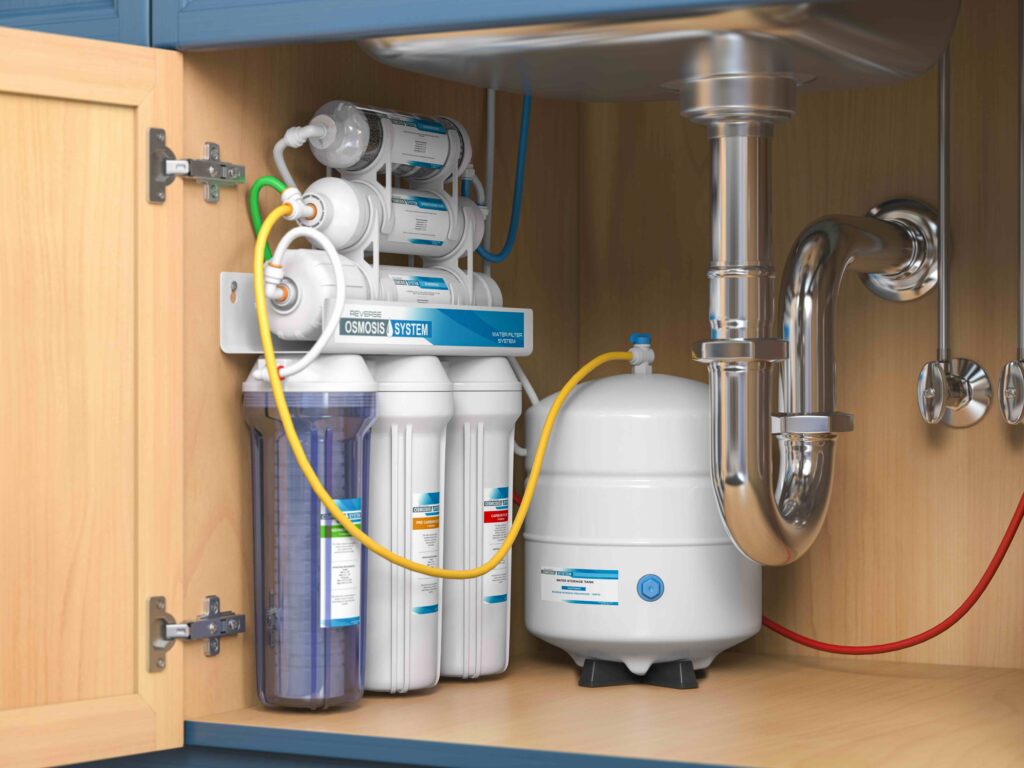
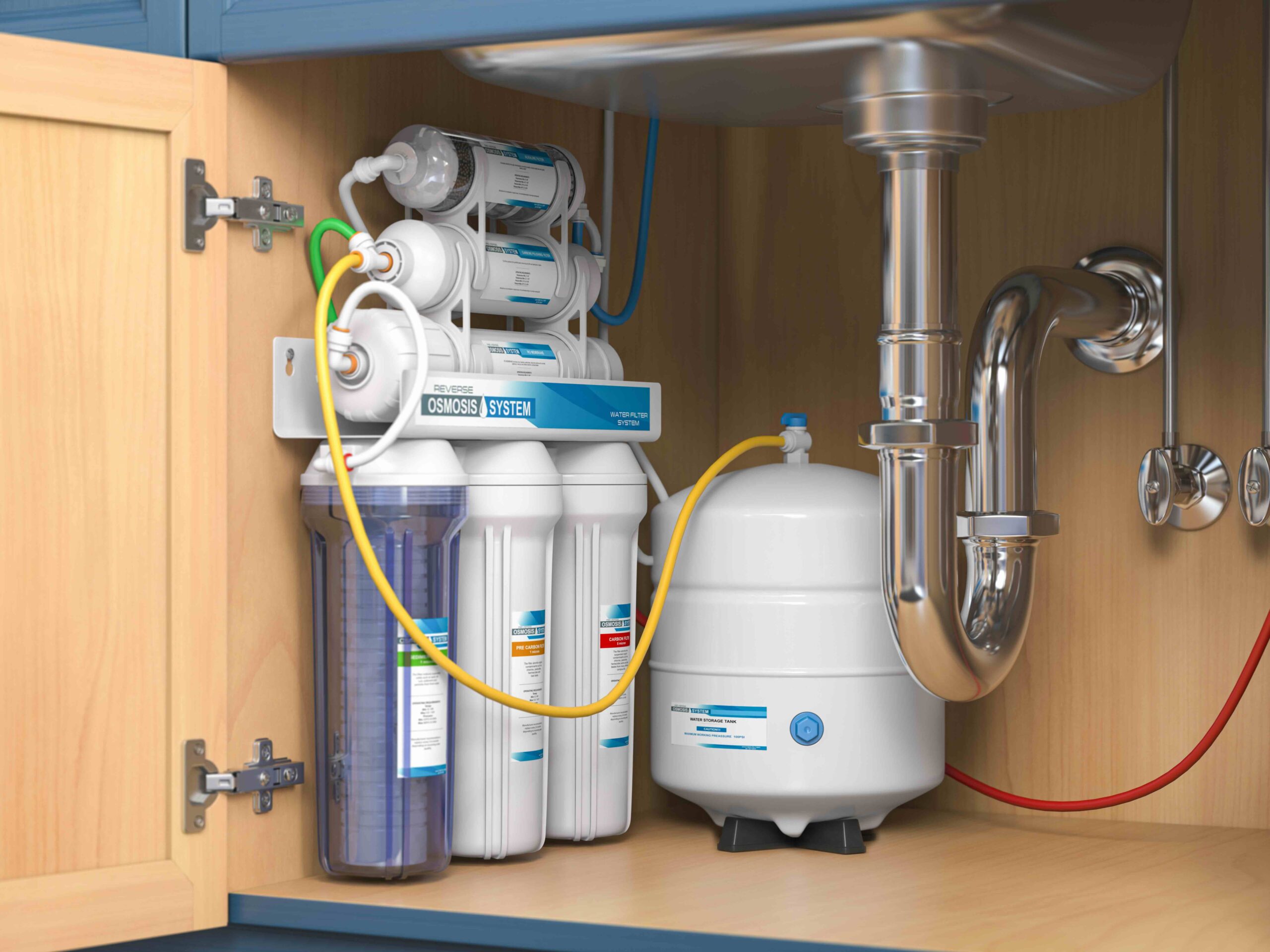
Most whole-house systems follow a multi-stage filtration process. The water first passes through a sediment pre-filter, which captures large particles like rust, sand, and debris. This protects later filtration stages and extends the life of plumbing and appliances. Next, activated carbon filters remove chlorine, volatile organic compounds (VOCs), and unpleasant tastes or odors. Some advanced systems include additional stages like UV light or reverse osmosis to target microscopic contaminants such as bacteria, viruses, and heavy metals. From the mechanical to the molecular level, the system reduces or eliminates pollutants before water reaches any outlet.
Benefits of Whole-House Water Filtration
The advantages of a whole-house water filter go beyond better-tasting tap water. First, your plumbing and water-using appliances are safeguarded from scale buildup, corrosion, and sediment damage, which can lead to costly repairs or premature replacement. Showering and bathing in filtered water also benefits skin and hair by reducing exposure to chlorine and other irritants. Clothes washed in dechlorinated water retain color better and feel softer. From an overall wellness perspective, consuming cleaner water offers long-term health advantages, particularly for households on private wells or in areas with less regulated municipal water systems.
Drawbacks to Consider Before Installing
Despite its benefits, a whole-house water filtration system is not without faults. The initial installation cost can be significant, ranging from several hundred to several thousand dollars depending on system complexity and capacity. Annual maintenance is essential — filters must be replaced regularly, and some systems require professional servicing. Also, not all systems are equally effective for all water conditions. If your local water supply contains specific contaminants such as fluoride or arsenic, you’ll need to select a system tailored to those issues. Finally, a system with multiple filtration stages may slightly reduce water pressure if not properly sized for your household’s demand.
Determining If a Whole-House System Is Right for Your Home
Before making an investment, assess your specific needs. Start with a water quality test, which can identify chemical, bacterial, and mineral content. These tests are available through local health departments or third-party labs. Consider your household size, average water usage, and the age of your plumbing infrastructure. Homes with older pipes may benefit more from filtration that targets corrosion byproducts. If your water consistently smells odd, leaves residue on fixtures, or causes skin irritation, the value of a whole-house filter becomes more apparent. Select a model with a gallon-per-minute (GPM) flow rate that matches your home’s peak usage times to avoid pressure drops.
The Financial Perspective: Costs vs. Long-Term Savings
While initial costs and system maintenance might seem like barriers, think of filtration as an investment that offsets future expenses. Appliances such as washing machines, dishwashers, and water heaters last longer when protected from hard water minerals and sediment. You’ll spend less on bottled water and personal care products to counteract chlorine’s effects. Moreover, the cost of addressing plumbing issues arising from unfiltered water—such as clogging, corrosion, or pipe deterioration—adds up. In many instances, the return on investment becomes evident over a span of three to five years.
Why Choose Armadillo to Protect Your Home’s Water Filtration System
Installing a whole-house water filtration system is a step toward a healthier, more efficient home, and protecting that investment is just as important. That’s where Armadillo comes in. A water filtration system, like any major home component, can experience wear and performance issues over time. Armadillo’s comprehensive home warranty plans offer robust coverage that includes critical systems and appliances, giving you peace of mind long after installation day. Our plans are designed to reduce out-of-pocket repair costs, support proactive home care, and protect your investments from unexpected breakdowns. Explore more about how Armadillo aligns with your home improvement goals at our homepage. Ready to get started? Build your personalized plan today by visiting our plan builder. You take steps to safeguard your water — we’ll take care of the rest.