Why Are My Clothes Shrinking in Cold Water? What Your Washer Is Telling You
You pulled a favorite shirt out of the washing machine and held it up — and something was off. It looked smaller. You set the cycle to cold, followed the care label, did everything right. So what happened? Clothes shrinking in cold water is one of those laundry mysteries that catches homeowners off guard, mostly because cold water is supposed to be the safe option. And it usually is — but not always. Understanding why this happens starts with understanding how your washing machine actually works, and what other factors are playing a role behind the scenes.
How Your Washing Machine Actually Works
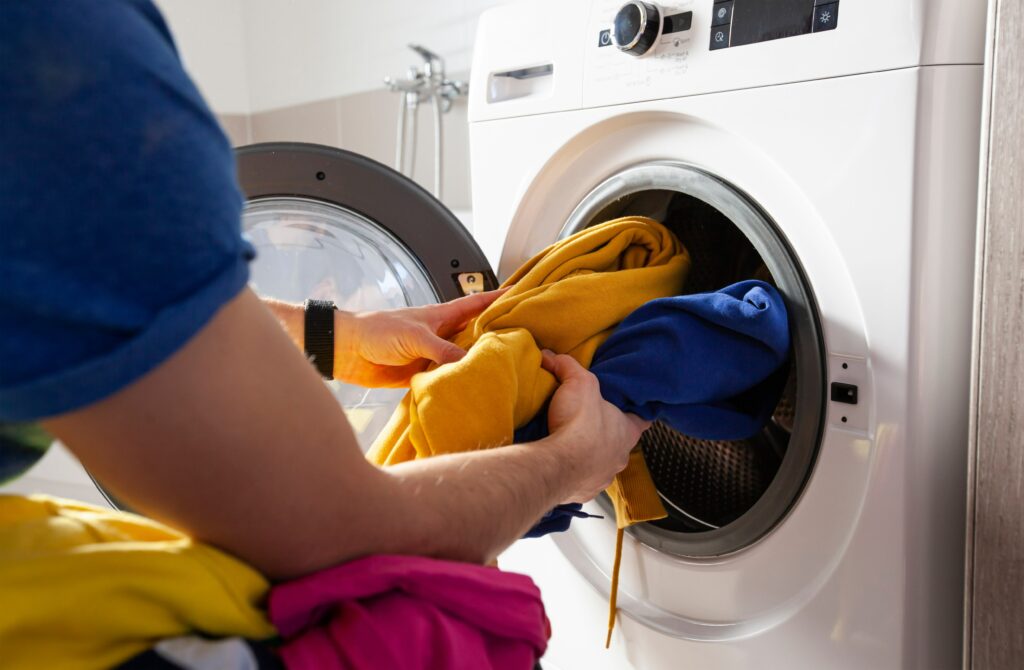
Most homeowners interact with their washing machine the same way they interact with their refrigerator — they use it, trust it, and think about it only when something goes wrong. But your washer is doing a lot of complex mechanical work every cycle. It agitates clothes through water, spins them at high speeds, and controls water temperature through inlet valves connected to your home’s hot and cold water supply lines. When you select a cold water cycle, the machine opens only the cold water inlet valve. Sounds simple. But here is where things get interesting — if your home’s cold water temperature is not actually cold (which happens in warmer climates or during summer months), the water entering the machine may be warmer than expected. And warmer water, even slightly, can start affecting certain fabrics.
The Real Reasons Clothes Shrink in Cold Water
Temperature alone is not always the culprit. Shrinkage in cold water cycles is usually the result of a combination of factors working together. Knowing which ones apply to your situation helps you make smarter laundry decisions — and protects your wardrobe from repeat damage.
- Mechanical agitation: High-spin cycles and aggressive wash settings physically stress fabric fibers, causing them to tighten and contract regardless of water temperature.
- Fabric composition: Natural fibers like wool, cotton, and linen are especially vulnerable. Even cold water can cause these materials to felt or tighten when agitated.
- Pre-shrunk misconceptions: Many garments labeled pre-shrunk have only been treated to resist a percentage of shrinkage, not eliminate it entirely.
- Inconsistent cold water temperature: In warmer seasons, tap water entering the machine may be significantly warmer than true cold, triggering fiber contraction.
- Detergent residue buildup: Certain detergents not fully rinsed from fabrics can contribute to fiber stiffening over time, which mimics the appearance of shrinkage.
What Your Washer Settings Are Actually Doing to Your Clothes
The wash cycle setting matters just as much as the temperature. A cold delicate cycle and a cold heavy-duty cycle are entirely different experiences for your clothing. The delicate setting uses slower agitation and a gentler spin, which reduces mechanical stress on fibers. The heavy-duty setting, even on cold, applies significantly more force. Many homeowners default to a normal or heavy cycle out of habit, without considering that the physical movement inside the drum is doing most of the damage. If you have been washing delicate fabrics on normal or heavy settings in cold water and wondering why things still shrink, the temperature setting was never really the variable to blame.

When the Washing Machine Itself Might Be the Problem
Sometimes the issue is not technique — it is the appliance. A washing machine with a malfunctioning temperature sensor or a faulty inlet valve can deliver warmer water than the selected setting indicates. If your cold cycle water feels noticeably warm to the touch, or if your clothes are consistently shrinking despite careful cycle selection, the machine may be the source of the problem. Older top-load washers with agitator columns are also more aggressive on fabric than modern high-efficiency front-load or top-load models without agitators. If your machine is aging, its behavior may have drifted from its original design specifications in ways that affect both water temperature accuracy and drum mechanics.
How to Protect Your Clothes Without Replacing Your Wardrobe
There are practical steps you can take right now to reduce shrinkage risk without overhauling your entire laundry routine. Small adjustments consistently applied make a measurable difference over time.
- Read care labels every time, not just the first wash — fabric behavior can change after repeated laundering.
- Use the delicate or gentle cycle for any natural fiber garments, even if the care label does not specifically require it.
- Choose a lower spin speed when possible — the dryer, not the washer, is actually responsible for most shrinkage in a standard laundry routine.
- Air dry or tumble dry on low for any item you cannot afford to shrink, regardless of the wash cycle used.
- Test your cold water inlet temperature with a thermometer if you suspect the machine is not delivering truly cold water.
The Dryer Is Often More to Blame Than the Washer
This is worth saying directly: the dryer causes significantly more shrinkage than the washing machine in most cases. High heat breaks down elastic fibers, causes cotton to contract, and accelerates the kind of wear that makes clothing look and feel smaller over time. If you are washing in cold water and then tumble drying on high heat, the cold wash cycle may be doing its job perfectly — and the dryer is undoing all of it. Pairing a cold wash with air drying or a low-heat tumble cycle is one of the most effective ways to preserve garment size and extend the life of your clothing significantly.
Signs Your Washing Machine May Need Professional Attention
A washer that consistently delivers unexpected results — whether that means clothes coming out warmer than expected, unusual shrinkage patterns, or inconsistent cycle performance — may have underlying mechanical issues worth investigating. Inlet valve failures, thermostat problems, control board errors, and worn drum bearings are all conditions that can alter how your machine performs. These are not issues that typically resolve on their own, and ignoring them tends to accelerate wear on both the appliance and your clothing. A qualified appliance technician can diagnose whether your machine is operating within its intended parameters or has drifted into territory that is causing routine damage.
Home Warranties and Washing Machine Coverage — What You Need to Know
Your washing machine is one of the hardest-working appliances in your home. It runs multiple cycles per week, year after year, handling everything from gym clothes to bed linens. When a mechanical failure occurs — whether it is the inlet valve, the motor, the control board, or the pump — repair costs can be significant. A home warranty plan that covers major appliances provides a layer of financial protection that prevents a single appliance failure from becoming a large unexpected expense. Not all home warranty plans are created equal, so it is important to understand exactly what is covered, how service requests are handled, and what the claims process looks like before you need to use it.
Why Armadillo Is the Smart Choice for Appliance-Savvy Homeowners
When your washing machine starts behaving in ways it should not — delivering inconsistent temperatures, shrinking clothes it has no business shrinking, or simply failing to complete a cycle — having the right home warranty in place makes all the difference. Armadillo was built for homeowners who take their home systems and appliances seriously, and the coverage reflects that. If you are looking for a home warranty provider that actually understands what it means to protect the appliances you depend on daily, Armadillo home warranty plans for appliance protection are worth a close look. The process is straightforward, the coverage is transparent, and getting started takes minutes — you can get a free home warranty quote for washer and appliance coverage right now and see exactly what protection looks like for your home. Your washing machine is not a luxury — it is infrastructure. Treat it that way.

Frequently Asked Questions About Clothes Shrinking in Cold Water
Homeowners ask these questions more often than you might expect. Here are clear, direct answers to help you make sense of what is happening in your laundry room.
Can clothes really shrink in cold water?
Yes, they can. While cold water reduces the risk of heat-related shrinkage, mechanical agitation during the wash cycle can still cause natural fibers like cotton and wool to contract, especially on higher-intensity wash settings.
What temperature is considered cold water in a washing machine?
Cold water in a residential washing machine typically refers to water between 60 and 80 degrees Fahrenheit, depending on your local water supply. In warmer climates or during summer, cold tap water can reach temperatures that affect certain fabric types.
Is the washer or dryer more responsible for clothing shrinkage?
The dryer is generally the larger contributor to shrinkage. High heat causes fiber contraction far more aggressively than cold water agitation. Pairing any wash cycle with air drying dramatically reduces shrinkage risk.
Does washing machine type affect how much clothes shrink?
Yes. Traditional top-load washers with agitator columns apply more mechanical force to fabric than high-efficiency front-load models or agitator-free top-load washers. The gentler the drum action, the lower the shrinkage risk.
Why does my cold cycle feel warm when I check the water?
This usually means your cold water inlet valve is allowing some hot water to mix in, or your home’s cold water supply line is running warmer than expected due to ambient temperature. A faulty valve or control board error can also cause this.
Can a home warranty cover washing machine repairs related to temperature issues?
A home warranty that includes appliance coverage typically covers mechanical and electrical failures, which can include faulty inlet valves, control boards, and temperature sensors. Coverage details vary by plan, so reviewing your specific policy terms is important.
How do I know if my washing machine is malfunctioning versus user error?
If you have adjusted cycle settings and fabric types but continue to experience consistent shrinkage or unusual water temperatures, the appliance itself may have a mechanical issue. A professional diagnosis from a certified technician is the most reliable way to determine the cause.
Are pre-shrunk garments safe to wash in any cycle?
Pre-shrunk garments have been treated to resist a portion of potential shrinkage, not eliminate it entirely. They are more stable than untreated fabric but can still shrink under aggressive wash conditions or repeated laundering over time.
What wash cycle should I use to minimize shrinkage?
The delicate or gentle cycle on cold water with a low spin speed is the best option for minimizing mechanical stress on fabric. Following up with air drying or a low-heat dryer setting provides the most complete protection against shrinkage.
Does detergent type affect shrinkage or fabric condition?
Detergent type has a limited direct impact on shrinkage, but using too much detergent or a formula not designed for cold water can leave residue on fibers that contributes to stiffness and distortion over time, which can resemble or accelerate shrinkage effects.