Why Do Ceiling Fans Spin Both Ways? Understanding the Mechanics—and the Maintenance
Ceiling fans are one of those everyday home conveniences we barely think about—until we do. They quietly stir the air, keep energy bills down, and blend effortlessly into the ambiance of a room. But there’s one small switch on most modern fans that tends to spark questions from homeowners: the direction switch. Why do ceiling fans spin both clockwise and counterclockwise? More importantly, what does that mean for your comfort, energy efficiency, and the long-term reliability of your home systems? Let’s dive into the mechanics, advantages, potential limitations, and what homeowners should watch for when it comes to these ubiquitous fixtures—especially through the lens of home protection plans.
The Basics: How a Ceiling Fan Works
At its core, a ceiling fan doesn’t actually lower the temperature in a room. Instead, it creates a wind-chill effect, similar to how a breeze cools your skin on a warm day. Inside the fan motor housing, a compact but powerful electric motor drives a rotating shaft connected to the blades. What makes fans particularly versatile—and a bit misunderstood—is their reversible motor. This allows the blades to spin in either a clockwise or counterclockwise direction, depending on the season and desired effect. Once you understand how this change in direction impacts airflow, it becomes clear how integral fan direction can be to both comfort and efficiency.
Summer Mode vs. Winter Mode
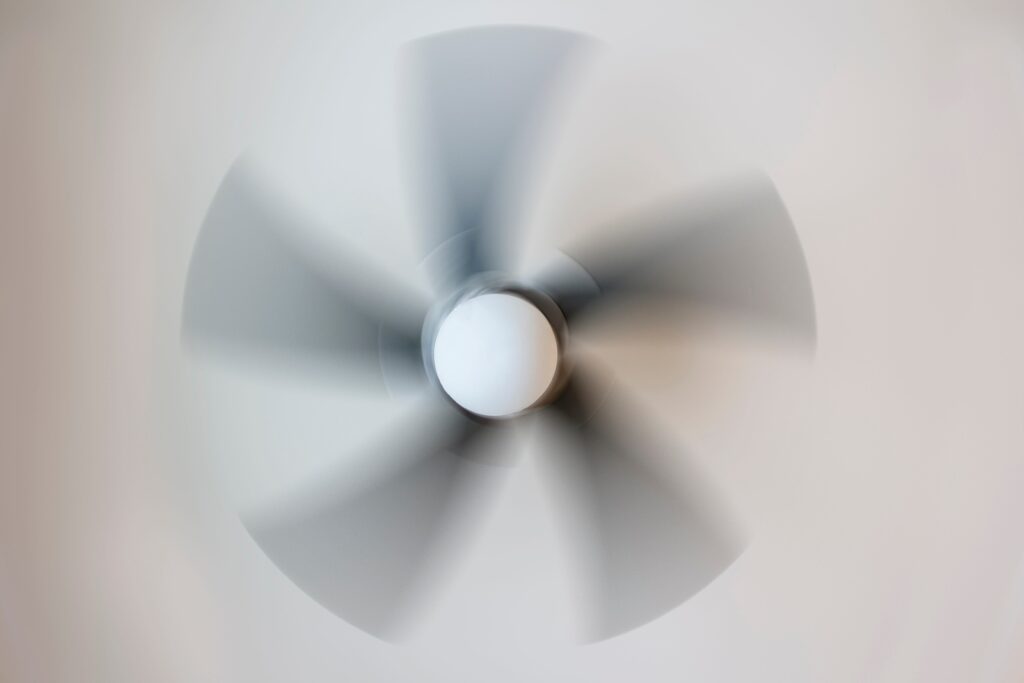
In warmer months, ceiling fan blades should rotate counterclockwise when viewed from below. This direction pushes air downward, creating a direct breeze that helps your skin feel cooler. While this doesn’t reduce the actual temperature in the room, it allows you to raise the thermostat by several degrees without sacrificing comfort—leading to energy savings over time. Conversely, in the winter, the blades should spin clockwise at a low speed. This setting pulls cooler air upward, which then forces the warmer air that naturally rises to the ceiling down along the walls and back into the occupied space. It’s a subtle shift, but it makes a meaningful difference in how evenly warm air is distributed throughout the room.
Energy Efficiency and Utility Cost Savings
Changing the fan’s direction may feel like a novelty feature, but its effect on energy bills shouldn’t be underestimated. When used correctly alongside heating and cooling systems, ceiling fans can reduce energy costs by up to 10% annually. Because ceiling fans use far less electricity than an HVAC system, encouraging homeowners to integrate them into their climate control strategies is a practical step. In summer, this means helping air conditioners run less frequently. In winter, it minimizes the strain on the furnace by making warmth feel more pervasive. However, all of this depends on the fan being in good working order—which circles us back to why regular maintenance and home warranties matter.
Common Mechanical Issues and How to Handle Them
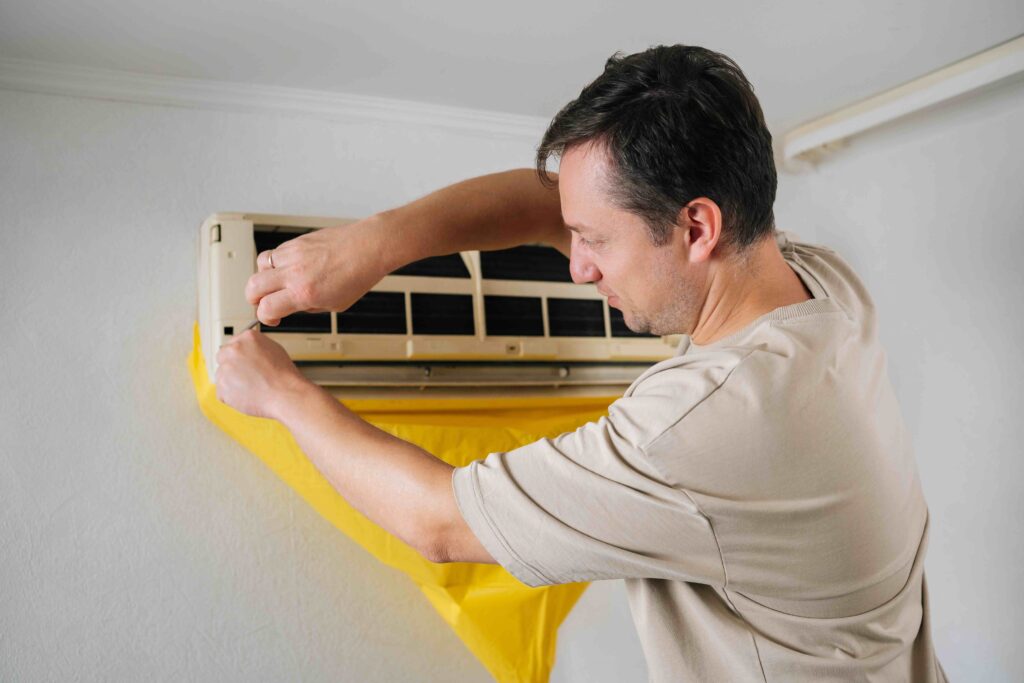
Over time, even the most reliable ceiling fans can develop mechanical hiccups. These may include noisy operation, wobbling, slow speeds, or failure to change directions. Often, these symptoms are caused by loose components, worn-out bearings, or unbalanced blades. The fan’s directional switch—a small slider on the motor housing—is a delicate mechanism that can occasionally break, leaving the fan stuck in one rotation mode. Electrical wear on the motor is another concern, particularly in older models. While some of these issues can be fixed with a screwdriver and a step ladder, others require a licensed electrician or replacement of the unit entirely. Homeowners with a home warranty can reduce out-of-pocket costs in the event of motor failure or fan replacement. It’s not typically a high-frequency claim, but when it does arise, the coverage can be invaluable.
Why Fan Installation Quality Matters
Proper installation impacts far more than just how straight or level a ceiling fan hangs. If the fan isn’t securely anchored to a joist or fan-rated electrical box, it will become loose over time—usually resulting in an annoying (and potentially dangerous) wobble. Moreover, if the wiring isn’t correctly grounded, it can lead to shorts, tripped breakers, or even fire hazards. When purchasing a fan with reversible settings, homeowners should ensure that the wall switch or remote is properly configured to access this functionality. A low installation standard might render advanced features useless. Having access to a reliable network of professionals, through something like a home warranty plan, adds assurance that any reinstallation or electrical adjustments can be handled correctly.
Smart Ceiling Fans and Modern Upgrades
Homeowners looking to modernize their interiors increasingly opt for smart ceiling fans. These allow for app- or voice-controlled operation, automated direction switching based on season, and integrated temperature sensors. While the up-front cost of these units tends to be higher than traditional models, the convenience and long-term energy savings often justify the investment. From a maintenance standpoint, smart fans introduce new potential failure points—usually in the form of Wi-Fi connectivity or control board software issues. Homeowners should be mindful of warranty coverage, both manufacturer and third-party. A home warranty that includes smart appliances or connected systems becomes particularly beneficial as HVAC, lighting, and fan systems become centralized onto smart home platforms.
When to Repair Versus Replace
Like any home fixture, the financial viability of repairing or replacing a ceiling fan depends on several factors: age, condition, usage, and complexity of the issue. If the motor fails in a fan that is over ten years old, replacement is often more cost-effective than attempting a repair. On the other hand, if the blades merely need balancing or the directional switch is jammed, a repair could extend the life of the unit by many more years. A comprehensive home warranty can help homeowners make this decision with confidence, as claims assessments often include professional consultations. That way, homeowners aren’t guessing whether the fan can or should be salvaged—they can get expert guidance while minimizing out-of-pocket costs.
Protecting Your Ceiling Fan—and the Rest of Your Home—with Armadillo
Ceiling fans quietly contribute to year-round comfort, and their ability to spin both ways is more than a fun trick—it’s a practical, energy-saving feature that only becomes truly useful when the fan operates as intended. Mechanical issues, improper installation, or outdated models can compromise efficiency and pose real headaches. That’s where Armadillo comes in. Our home warranty plans cover a broad array of home systems and appliances—fans included—so when small fixtures start showing signs of wear, you get more than peace of mind. You get service. Visit armadillo.one to learn more, or start building your plan today with our easy setup tool at this link. Comfort should never be compromised—neither should coverage.