Why Does My Circuit Breaker Keep Tripping? A Homeowner’s Guide to Understanding Your Electrical Panel
You flip the switch, the lights come on, and then — nothing. The breaker tripped again. It is one of those small household frustrations that feels random, almost personal, like the house is testing your patience. But here is the thing: a circuit breaker that trips repeatedly is not misbehaving. It is doing exactly what it was designed to do. Understanding why that keeps happening is the first step toward fixing the real problem, and knowing what your home warranty does or does not cover along the way can save you a lot of unexpected costs.
What Is a Circuit Breaker and Why Does Your Home Have One
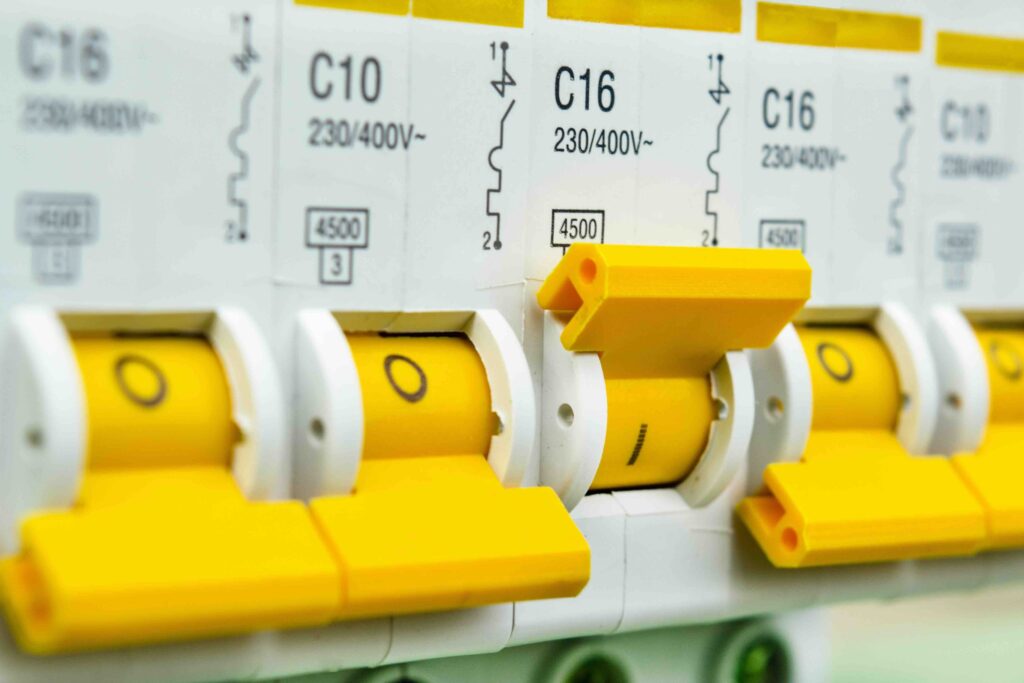
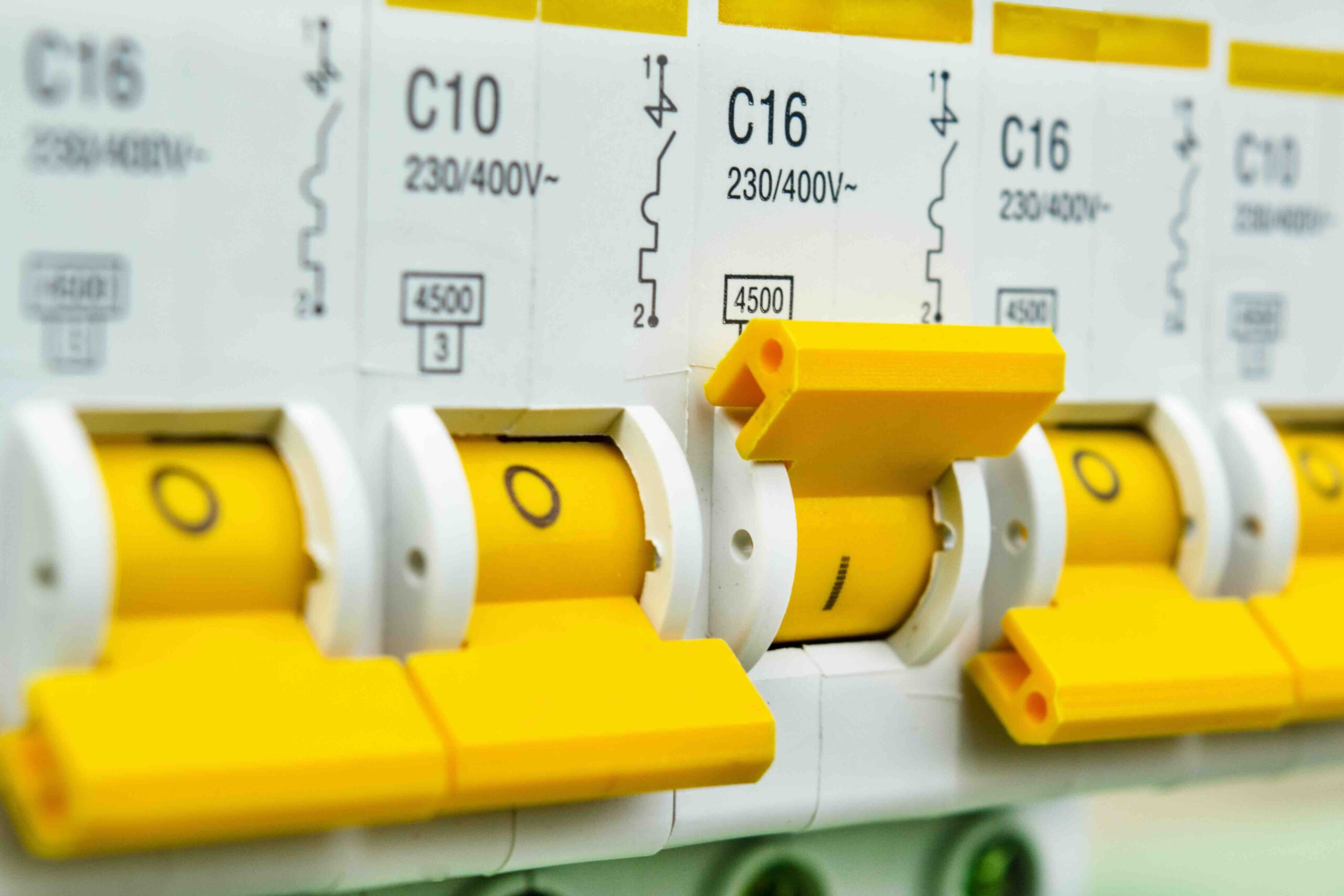
A circuit breaker is a safety switch built into your home’s electrical panel, which is that gray or metal box typically mounted in a utility room, basement, or garage. Every circuit in your home — the kitchen outlets, the bedroom lights, the HVAC system — runs through its own dedicated breaker. When too much electrical current flows through a circuit, the breaker trips, cutting off power to prevent overheating, wire damage, or worse, a fire. Before modern breakers existed, homes used fuses that had to be physically replaced every time they blew. Breakers solved that problem by allowing you to simply reset them. That said, if you are resetting the same breaker more than once in a short period, something is off — and it deserves attention.
The Most Common Reasons a Breaker Trips Randomly
Random tripping feels mysterious, but it usually comes down to a handful of well-documented causes. The word “randomly” is doing a lot of heavy lifting here — most of the time, the pattern becomes clear once you know what to look for.
- Overloaded circuits from plugging too many devices into one area of the home
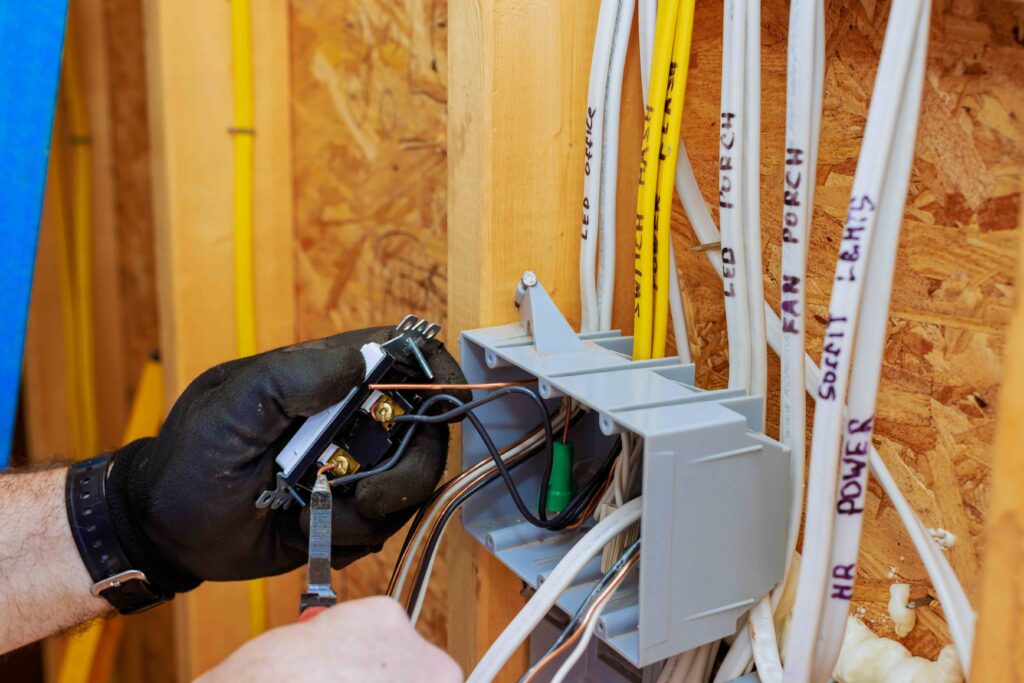
- Short circuits caused by damaged wiring, loose connections, or a faulty appliance
- Ground faults, which occur when a live wire makes unintended contact with a grounded surface
- Aging or worn-out breakers that no longer hold their rated load reliably
- High-draw appliances like air conditioners or electric dryers starting up and pulling a surge of current
Overloaded circuits are the most common culprit in everyday homes, especially in older properties where the electrical layout was never designed with today’s device-heavy lifestyles in mind. A circuit designed for basic lighting in 1975 was not built to handle a space heater, a laptop, a gaming console, and a smart TV simultaneously.
Overloaded Circuits vs. Short Circuits — Know the Difference
These two causes get lumped together often, but they are not the same thing. An overloaded circuit is essentially a math problem — more current is being drawn than the circuit can safely carry. A short circuit is more urgent. It occurs when a hot wire makes direct contact with a neutral wire or a grounded component, causing a sudden spike in current. Short circuits can cause a visible spark, a burning smell, or a breaker that trips almost immediately after being reset. If you notice any of those signs, stop resetting the breaker and call a licensed electrician. This is not a wait-and-see situation.
How to Tell If Your Breaker Itself Is the Problem
Breakers can wear out. They are mechanical devices with a finite lifespan, and after years of repeated tripping, the internal mechanism can weaken. A breaker that trips under a load it used to handle without issue, one that feels warm or hot to the touch, or one that will not stay in the reset position is likely failing. The fix is straightforward — a licensed electrician can replace a single breaker relatively quickly — but it is important not to overlook this possibility. A faulty breaker that does not trip when it should is actually more dangerous than one that trips too often.
Steps You Can Take Before Calling a Professional
Not every tripping breaker demands an immediate service call, especially if the cause is an overloaded circuit. Here are some practical first steps worth taking.
- Unplug non-essential devices from the affected circuit and reset the breaker slowly
- Identify what appliances are running on that circuit and redistribute them across other outlets
- Check for any appliance that recently started acting up — a malfunctioning motor can draw excess current
- Look for scorch marks, discoloration, or a burning smell near outlets on that circuit
- Note the time of day the tripping occurs — patterns often reveal high-usage windows
If the breaker holds after removing some load, you have likely identified the issue. If it trips again immediately, even with nothing plugged in, that points toward a short circuit or a failing breaker — both of which need professional attention.

When Tripping Breakers Signal a Bigger Electrical System Problem
Sometimes a tripping breaker is not a standalone issue — it is a symptom of a broader problem within the home’s electrical infrastructure. Panels that are outdated, undersized, or improperly installed create conditions where tripping becomes chronic. Certain panel brands from past decades have known reliability and safety issues, and if your home still has one of those, an electrician may recommend a full panel replacement. This is a more significant investment, but it is one that directly affects the safety and functionality of everything electrical in your home. Ignoring it rarely ends well.
GFCI and AFCI Breakers — Specialized Protection Worth Understanding
Not all breakers are the same. Standard breakers protect against overloads and short circuits. GFCI breakers, or ground fault circuit interrupter breakers, add protection against ground faults — particularly important in bathrooms, kitchens, and outdoor areas where water is present. AFCI breakers, or arc fault circuit interrupter breakers, detect dangerous arc faults in wiring that could ignite a fire even without an obvious overload. Many modern building codes now require AFCI protection in bedrooms and living areas. If your home was built before these technologies were standard, upgrading certain circuits to GFCI or AFCI breakers is a meaningful safety improvement worth discussing with an electrician.
What Home Warranties Typically Cover When It Comes to Electrical Systems
Home warranty plans vary significantly in what they include, and electrical systems are a good example of why reading your coverage details actually matters. Most comprehensive home warranty plans cover the internal wiring, circuit breaker panels, and related components when they fail due to normal wear and use. What they generally do not cover includes code upgrades, improper installation, or pre-existing conditions that were present before the warranty began. If a breaker fails due to age and normal use, a solid home warranty should have you covered for the repair or replacement. If the failure is traced back to DIY wiring work done by a previous owner, that is a different conversation.
Why Armadillo Is the Right Home Warranty Partner for Electrical Coverage
When a breaker trips and the problem turns out to be more than a quick reset, having a reliable home warranty in your corner makes a real difference. Armadillo home warranty plans designed to cover electrical systems and major home components take the financial uncertainty out of unexpected repairs. Armadillo was built with homeowners in mind — clear coverage terms, no confusing fine print, and a process that does not make you fight for what you are owed. Electrical repairs can range from a minor breaker swap to a full panel replacement, and those costs add up fast without protection. If you are tired of wondering what happens the next time something breaks, now is a good time to get a free home warranty quote for electrical and whole-home coverage and see exactly what protection looks like for your specific home.

Frequently Asked Questions About Circuit Breakers Tripping
Answers to the questions homeowners ask most when dealing with a tripping circuit breaker.
Why does my circuit breaker keep tripping with nothing plugged in?
If a breaker trips even when nothing is drawing power from that circuit, the most likely causes are a short circuit within the wiring itself, a ground fault, or a failing breaker that can no longer hold its rated load. This situation warrants a call to a licensed electrician rather than repeated resets.
Is it safe to keep resetting a tripping breaker?
Resetting a breaker once after identifying and removing an obvious overload is reasonable. Repeatedly resetting a breaker without addressing the underlying cause is not safe. If a breaker trips more than once in a short period without an obvious explanation, stop resetting it and have the circuit inspected.
How do I know if my electrical panel needs to be replaced?
Signs that a panel may need replacement include frequent unexplained tripping, breakers that feel warm or hot, visible corrosion or burn marks inside the panel, a panel that is more than 25 to 30 years old, or a brand known to have documented safety issues. A licensed electrician can assess the panel and provide a clear recommendation.
Can a bad appliance cause a breaker to trip?
Yes. A malfunctioning appliance with a damaged cord, faulty motor, or internal short can draw excessive current and trip the breaker protecting that circuit. If a specific appliance consistently causes tripping, have it inspected or replaced before using it again.
What is the difference between a tripped breaker and a blown fuse?
A tripped breaker is a reusable switch that can be reset after the underlying issue is resolved. A blown fuse contains a metal strip that physically melts when current exceeds its rating, requiring the fuse to be fully replaced. Most homes built in recent decades use breakers rather than fuses.
Does a home warranty cover circuit breaker repairs?
Many comprehensive home warranty plans do cover circuit breaker panel repairs and replacement when the failure results from normal wear and use. Coverage specifics vary by provider and plan, so reviewing your policy terms before a problem arises is always a good practice.
How much does it cost to replace a circuit breaker?
Replacing a single breaker typically costs between $150 and $300 depending on the breaker type and local labor rates. A full electrical panel replacement can range from $1,500 to $4,000 or more depending on panel size, location, and whether code upgrades are required.
What is a GFCI breaker and do I need one?
A GFCI breaker detects ground faults and cuts power almost instantly to prevent electrical shock. They are required by current building codes in areas near water, including bathrooms, kitchens, garages, and outdoor outlets. If your home lacks GFCI protection in those areas, upgrading is a worthwhile safety investment.
Can I replace a circuit breaker myself?
Working inside an electrical panel involves live components that remain energized even when the main breaker is off. This work carries serious risk of electrocution and should only be performed by a licensed electrician. DIY electrical work may also void home warranty coverage for affected components.
Why does my breaker trip at the same time every day?
A consistent pattern usually points to a scheduled high-demand appliance such as an air conditioner, water heater, or pool pump cycling on and drawing a surge of current. It can also relate to peak usage habits within the household. Identifying which appliance activates at that time is the first step toward diagnosing the issue.