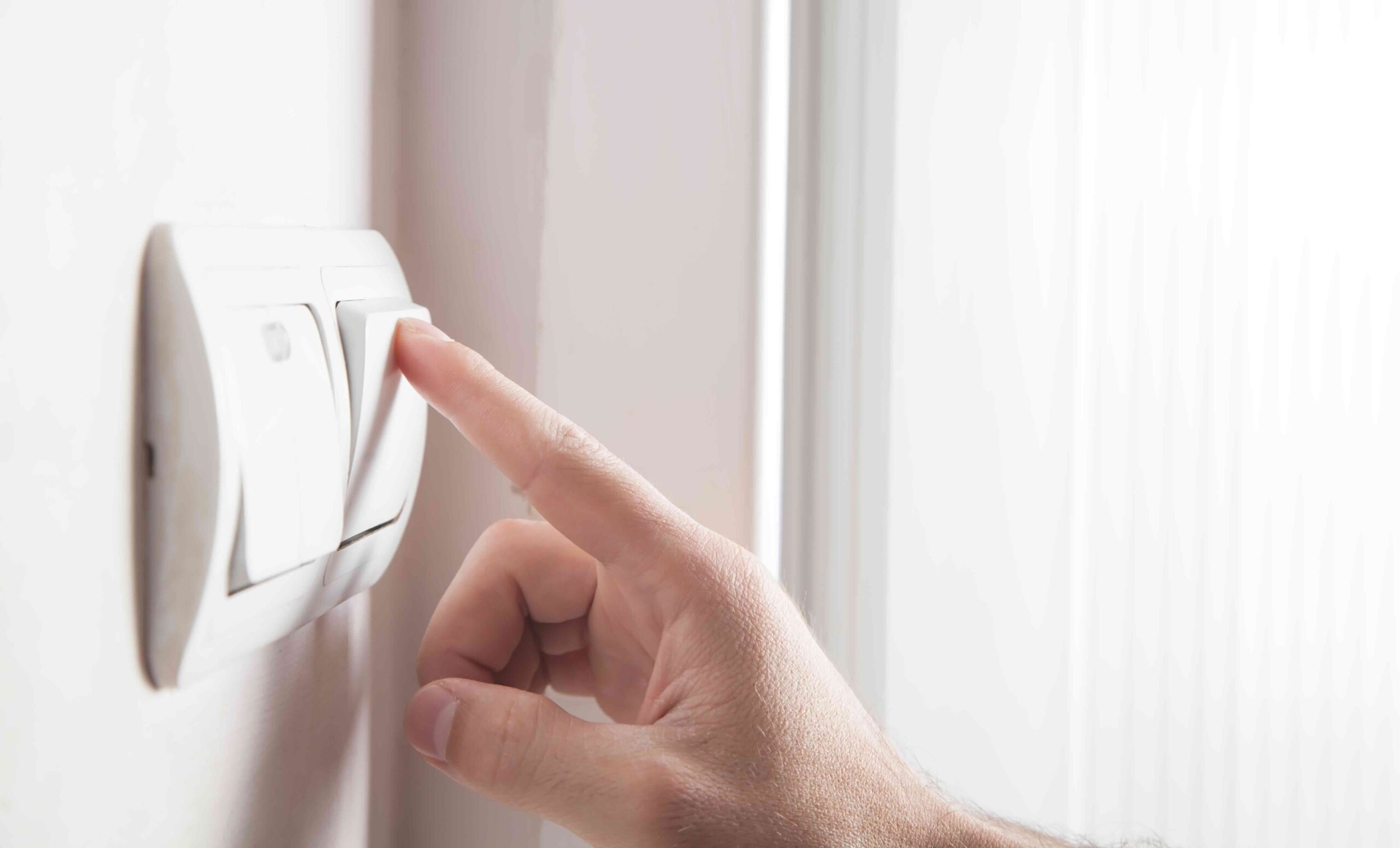
Why Does My Electric Switch Keep Turning Off? A Homeowner’s Guide to Circuit Breakers
You flip the switch, something clicks, and the power cuts out again. It is one of those small home annoyances that can spiral into a real headache if you do not know what is actually going on. The short answer is that your circuit breaker is doing exactly what it was designed to do, which is protect your home. The longer answer involves understanding why it keeps tripping in the first place, and whether the fix is simple or something that needs professional attention. Either way, knowing the difference matters a lot.
What Is a Circuit Breaker and Why Does It Exist
A circuit breaker is essentially a safety switch built into your electrical panel. Every circuit in your home, whether it runs to the kitchen, the master bedroom, or the garage, has its own breaker assigned to it. When too much electrical current flows through that circuit, the breaker trips and shuts the power off automatically. This is not a malfunction. It is a deliberate protective mechanism designed to prevent overheating, electrical fires, and damage to your appliances and wiring. Think of it as your home’s way of pumping the brakes before something worse happens. The electrical panel, sometimes called the breaker box or fuse box depending on the age of your home, is where all of these individual breakers live. When one flips to the off position or lands somewhere in the middle between on and off, that is your tripped breaker. Resetting it is usually straightforward, but if it keeps tripping, the underlying cause needs attention.
The Three Most Common Reasons a Breaker Keeps Tripping
There are three main culprits behind a circuit breaker that will not stay on, and they range in severity from minor inconvenience to genuine safety concern. Understanding which one applies to your situation is the first step toward resolving it properly.
- Overloaded circuit: This is the most frequent cause. Too many devices drawing power from a single circuit will exceed its capacity and trip the breaker. This happens often in kitchens, home offices, and rooms with heavy entertainment setups.
- Short circuit: A more serious issue where a hot wire contacts a neutral wire inside an outlet, appliance, or the wiring itself. Short circuits cause a sudden surge of current and will trip the breaker immediately. You might notice burning smells or discoloration near outlets.
- Ground fault: Similar to a short circuit but occurs when a hot wire contacts a grounded part of the system or a grounded surface. Ground faults are especially common in bathrooms, kitchens, and outdoor areas where moisture is present.
How to Tell Which Problem You Are Dealing With
Start by unplugging everything on the affected circuit before resetting the breaker. If it holds after you reset it and only trips again when you plug in a specific device, that device is likely faulty and causing a short circuit or ground fault. If the breaker trips again almost immediately after resetting even without anything plugged in, the issue may be in the wiring itself, which is not something to troubleshoot on your own. If the breaker holds fine after resetting but trips again once you start loading it up with devices, you are almost certainly dealing with an overloaded circuit. In that scenario, redistributing your electronics across multiple circuits or adding a dedicated circuit through an electrician is the appropriate solution. The key thing to watch for is a pattern. A breaker that trips once every few months is very different from one that trips multiple times a week.
What a Grounded Electrical System Actually Means
Grounding is one of those electrical terms that gets tossed around a lot without much explanation. In simple terms, grounding provides a safe path for excess electrical current to travel in the event of a fault. Every properly wired outlet in your home should have three slots, two vertical ones for the hot and neutral wires and one rounded slot at the bottom for the ground wire. That third prong connection routes stray current safely into the earth rather than through you, your pet, or your appliances. Older homes built before modern electrical codes were established may have two-prong ungrounded outlets throughout, which presents a real safety risk by today’s standards. A grounded system is not just a code requirement. It is a fundamental layer of protection for everything connected to your electrical system.
Signs Your Electrical System May Need Professional Attention
Resetting a tripped breaker is fine when it happens occasionally, but certain signs indicate a deeper problem that warrants calling a licensed electrician rather than handling it yourself. Watch for flickering or dimming lights when appliances cycle on, a burning smell near the electrical panel or outlets, outlets or switch plates that feel warm to the touch, buzzing or crackling sounds coming from walls or fixtures, and breakers that trip repeatedly even under normal load conditions. Any of these symptoms should be treated as urgent. Electrical issues left unaddressed are one of the leading causes of residential house fires in the United States, and the damage is rarely limited to just the electrical system.
When a Breaker Itself Is the Problem
Breakers are not designed to last forever. Most residential circuit breakers have a functional lifespan of somewhere between 30 and 40 years, though that window shortens considerably if the breaker has been tripping frequently over its lifetime. A worn-out breaker may trip at lower current levels than it should, fail to trip when it needs to, or simply become unreliable in ways that are difficult to predict. Replacing a faulty breaker is a relatively straightforward job for a licensed electrician but is not a safe DIY project given the live electrical components involved inside the panel. If your home still uses a fuse box with screw-in fuses rather than a modern breaker panel, an upgrade is well worth considering both for safety and for the functionality your modern electrical loads require.
Practical Tips for Managing Your Home’s Electrical Load
There are some sensible habits that can reduce how often your breakers trip and extend the health of your electrical system overall. Spread high-draw appliances like space heaters, hair dryers, and microwaves across different circuits whenever possible. Avoid using power strips as permanent solutions for running multiple high-wattage devices simultaneously. Have a licensed electrician evaluate your panel if your home is more than 25 years old or if you have added significant electrical loads since the home was built. Install GFCI outlets in kitchens, bathrooms, garages, and outdoor spaces if they are not already in place. And if you are planning a home renovation, account for the additional electrical demand in the planning phase rather than after the fact.
What Home Warranties Cover When It Comes to Electrical Systems
A home warranty is a service contract that covers the repair or replacement of major home systems and appliances when they break down due to normal wear and tear. Electrical system coverage under a home warranty typically includes components like wiring, breaker panels, circuit breakers, and related interior electrical components. What it generally does not cover is code upgrades, cosmetic repairs, or pre-existing conditions. That distinction matters quite a bit. If your breaker panel fails after years of regular use, a home warranty with solid electrical coverage can prevent what might otherwise be a significant out-of-pocket repair bill. The key is understanding exactly what your policy covers before you need it, not the day something stops working.
Why Armadillo Is Worth Considering for Electrical System Protection
When your electrical system starts acting up, the last thing you want to be doing is scrambling to find a reputable contractor, negotiating repair costs, and hoping your budget holds up. That is exactly the kind of stress a quality home warranty is designed to eliminate. Armadillo home warranty plans for electrical system coverage are built around real transparency, meaning you get clear terms, no confusing exclusions buried in the fine print, and access to qualified service professionals when you need them. Armadillo takes the guesswork out of home protection by focusing on what homeowners actually care about: fast service, fair coverage, and a company that shows up. If you have been putting off protecting one of the most critical systems in your home, now is a good time to change that. Get a free home warranty quote that covers your electrical panel and more and see what a sensible, straightforward plan looks like for your specific home.

Frequently Asked Questions About Circuit Breakers and Home Electrical Systems
These answers address the most common questions homeowners have about tripping breakers, grounded outlets, and electrical system coverage under home warranties.
Why does my circuit breaker keep tripping even after I reset it?
Repeated tripping typically points to one of three issues: an overloaded circuit, a short circuit caused by faulty wiring or a damaged appliance, or a ground fault. If the breaker trips immediately after resetting with nothing plugged in, contact a licensed electrician as the problem is likely in the wiring itself.
Is it safe to keep resetting a tripped breaker?
Resetting a breaker once to restore power while you investigate the cause is reasonable. Repeatedly resetting it without addressing the underlying problem is not safe and can mask a developing hazard in your electrical system.
What is the difference between a short circuit and a ground fault?
A short circuit occurs when a hot wire contacts a neutral wire, causing a sudden surge of current. A ground fault occurs when a hot wire contacts a grounded surface or wire. Both are serious and cause the breaker to trip immediately, but they originate from different contact points in the circuit.
How do I know if my home’s electrical system is grounded?
Look at your outlets. Three-prong outlets with a rounded slot at the bottom indicate a grounded system. Two-prong outlets with only two vertical slots suggest the system is ungrounded. An electrician can verify grounding with a simple outlet tester if you are unsure.
Can an old breaker cause problems even without tripping?
Yes. An aging breaker can fail to trip when it should, which is actually more dangerous than one that trips too easily. A breaker that no longer responds appropriately to overloads leaves your wiring and appliances without protection. Breakers older than 30 years should be evaluated by an electrician.
Does a home warranty cover circuit breaker replacement?
Many home warranty plans include coverage for electrical panels and circuit breakers when failure results from normal wear and tear. Coverage specifics vary by provider and plan, so reviewing your policy terms carefully before an issue arises is always advisable.
What appliances are most likely to trip a circuit breaker?
High-wattage appliances are the most common offenders. Space heaters, hair dryers, air conditioners, microwaves, and washing machines draw significant current and can easily overload a shared circuit if multiple devices are running simultaneously.
How much does it cost to replace a circuit breaker?
Replacing a single breaker typically costs between $150 and $300 including labor when handled by a licensed electrician. A full panel replacement can range from $1,500 to $4,000 or more depending on the size and complexity of the job, which is why warranty coverage for these components is particularly valuable.
Can I replace a circuit breaker myself?
While technically possible for someone with electrical experience, replacing a circuit breaker involves working inside a live electrical panel, which carries serious risk of shock or injury. Most licensed electricians and safety experts strongly recommend against homeowners performing this work themselves.
When should I consider upgrading my electrical panel?
An upgrade is worth considering if your home is more than 25 years old, if you are adding high-demand appliances or an electric vehicle charger, if your panel uses fuses rather than modern breakers, or if a licensed electrician identifies signs of wear, corrosion, or inadequate capacity in your current setup.