Why Is My Washer Keeps Draining? Understanding a Frustrating and Common Appliance Problem
You load the laundry, press start, walk away — and come back to find your washing machine running through a drain cycle on repeat. Or maybe it just never stops draining. Either way, something is clearly off. A washer that keeps draining is one of those problems that feels minor until it absolutely is not. Water gets wasted, clothes sit in limbo, and the machine itself risks real mechanical damage over time. Understanding what is actually happening inside your machine is the first step toward fixing it — and protecting yourself from paying for repairs that should never have come out of pocket.
How a Washing Machine Drain System Actually Works
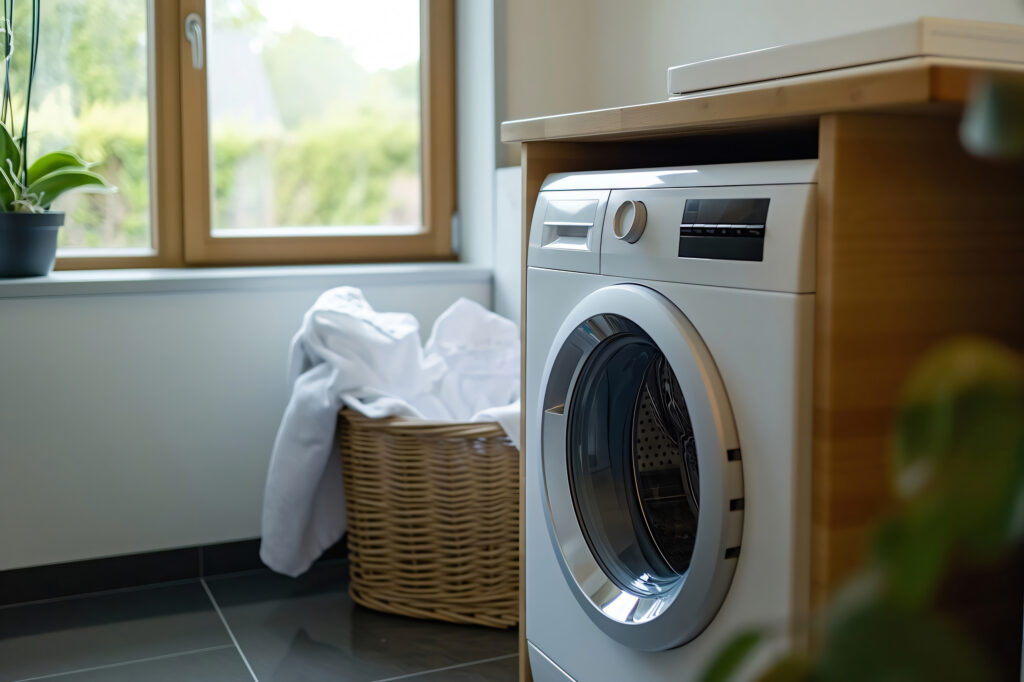
Most homeowners interact with their washer at the surface level — clothes go in, water comes in, water goes out, clothes spin dry. But there is a surprisingly involved sequence happening behind that panel. The drain system in a standard washing machine relies on a combination of a drain pump, a pressure switch or water level sensor, a lid switch or door latch, and the control board that ties it all together. When you select a cycle, the machine fills to a specific water level, agitates, then signals the pump to remove the water before moving into the spin phase. If any one of these components misfires or fails, the machine can get stuck in a draining loop — continuously trying to remove water that either is not there or cannot be properly sensed.
Common Reasons Your Washer Keeps Draining
This is not a one-size-fits-all problem, and that is what makes it tricky. There are several culprits worth understanding before assuming the worst.
- A faulty water level pressure switch that incorrectly signals the machine to keep draining
- A clogged or kinked drain hose that prevents water from clearing properly, causing repeated attempts
- A failing drain pump that runs continuously without fully evacuating the water
- A malfunctioning control board sending incorrect cycle instructions
- A broken lid switch or door sensor preventing the machine from advancing past the drain phase
- Excessive suds from too much detergent, which the machine tries to rinse and drain repeatedly
Each of these issues has its own repair profile and its own cost range. Some are inexpensive fixes. Others — particularly control board replacements — can run several hundred dollars or more depending on the machine brand and model.
The Drain Hose Problem That Gets Overlooked
Here is one detail that surprises a lot of homeowners. The drain hose position matters more than most people realize. If the hose is inserted too far into the standpipe — the vertical pipe in the wall that your washer drains into — it can create a siphoning effect. The machine fills, then immediately begins draining because of the pressure differential, and it never registers a full tub. This sends it into a loop. The fix is sometimes as simple as pulling the hose back and securing it at the correct height, typically between 30 and 48 inches off the floor, depending on the manufacturer’s recommendation. It is the kind of thing a repair technician might spot in thirty seconds, but it can take a homeowner hours of frustrated troubleshooting to identify.

What the Pressure Switch Does and Why It Fails
The pressure switch is a small but critical component. It monitors the water level inside the drum using air pressure from a small tube connected to the tub. As the tub fills, air pressure in the tube increases and signals the switch, which tells the control board when to stop filling and when to start draining. When this switch wears out or the air hose gets clogged or disconnected, the machine can lose its ability to accurately read the water level. The result is often a machine that either overfills or constantly drains trying to reach a level it cannot properly measure. Replacing the pressure switch is a moderately technical repair — it is accessible on most machines, but it does require some disassembly and the right part for your specific model.
When the Control Board Is the Problem
If the pressure switch checks out and the drain hose is properly positioned, the conversation starts turning toward the control board. The control board is essentially the brain of the washing machine. It interprets sensor signals and executes the cycle steps in the correct sequence. A board that has experienced a power surge, moisture intrusion, or simple component failure can send the machine into a repetitive drain loop without any external indication that the board itself is the issue. Diagnosing a control board failure typically requires a technician with diagnostic tools, and the repair cost can make it worth evaluating whether replacement of the entire machine is a smarter financial decision — especially on older units.
Short-Term Fixes Versus Long-Term Solutions
There are a few things you can do right now to rule out the easy culprits. Check that the drain hose is not siphoning by confirming its height and insertion depth. Run a cycle with no laundry and no detergent to rule out suds interference. Inspect the hose for visible kinks or blockages. Reset the machine by unplugging it for a few minutes — sometimes a glitchy control board just needs a restart. Beyond that, most repairs require either a confident DIY approach with the right parts or a professional technician. There is no reliable shortcut for replacing a failed pump or pressure switch without some level of mechanical work.
The Real Cost of Ignoring a Washer That Keeps Draining
Letting this problem persist is not a neutral choice. A washer stuck in a drain loop runs the pump motor continuously, which generates heat and accelerates wear. Over time, what might have been a minor sensor replacement turns into a full pump failure or even motor damage. Water left sitting in the drum when the machine cannot complete its cycle can contribute to mold, mildew, and that persistent musty smell that is genuinely difficult to eliminate. And if the machine is connected to a water supply that keeps refilling during the loop, water usage costs can climb quietly in the background. Addressing the issue promptly protects both the appliance and the household budget.
Why Home Warranty Coverage Matters for Washer Drain Issues
Washing machine repairs fall into that frustrating category of expenses that are not budgeted for and not small. A drain pump replacement can cost between $150 and $350 with labor. A control board swap can push well past $400 on certain models. These are not emergency costs that most households have set aside. That is exactly where home warranty protection for washers and major appliances delivers real value. Armadillo covers the systems and appliances homeowners rely on every day — including washing machines — so when a drain pump fails or a pressure switch goes out, you are not staring down a repair bill that disrupts your monthly budget. You call, Armadillo handles the coordination, and a qualified technician comes out to address the problem. If you have been dealing with a washer that keeps draining and you do not have warranty coverage in place, now is a practical moment to reconsider that. You can get a home warranty quote that covers your washing machine and other appliances in just a few minutes, and the coverage starts before the next repair catch you off guard.

Frequently Asked Questions About Washers That Keep Draining
Answers to the questions homeowners ask most often about this specific appliance issue.
Why does my washing machine keep draining even when the tub is empty?
This is usually caused by a faulty pressure switch that cannot accurately detect the water level, or a siphoning issue with the drain hose inserted too deeply into the standpipe. Both issues cause the machine to continuously signal the pump to run even when there is nothing left to drain.
Is a washer that keeps draining dangerous?
It is not immediately dangerous, but it is harmful to the appliance. Continuous pump operation generates excess heat and accelerates mechanical wear, which can turn a minor repair into a more significant and costly failure if left unaddressed.
Can too much detergent cause my washer to keep draining?
Yes. Excess suds can confuse the water level sensor, prompting the machine to run additional rinse and drain cycles in an attempt to eliminate the foam. Switching to high-efficiency detergent and using the correct measured amount typically resolves this.
How do I stop my washer from siphoning water out?
Make sure the drain hose is not inserted more than a few inches into the standpipe and that it is secured at a height between 30 and 48 inches from the floor. Most manufacturers include specific guidance in the installation manual for the correct drain hose position.
What does a washing machine drain pump replacement cost?
Drain pump replacement typically costs between $150 and $350 when you factor in parts and labor, though this varies by machine brand, model, and local labor rates.
Will resetting my washer fix the continuous draining problem?
Sometimes. Unplugging the machine for several minutes and restarting it can clear a temporary glitch in the control board. However, if the root cause is a failing mechanical component like the pressure switch or drain pump, a reset will only provide a temporary pause before the issue returns.
How do I know if my washer’s control board is causing the drain loop?
Control board failure is usually diagnosed by a technician after other components have been ruled out. Signs include erratic behavior across multiple cycle phases, not just draining. A technician with diagnostic tools can read error codes and test board function directly.
Does a home warranty cover washing machine drain pump failures?
Most home warranty plans that include appliance coverage will cover mechanical failures like drain pump breakdowns, provided the failure is not caused by misuse or improper installation. It is worth reviewing your specific plan terms to understand what is included.
How long should a washing machine drain pump last?
A drain pump in a well-maintained washing machine typically lasts between 8 and 12 years. Machines that run heavy loads frequently or deal with lint and debris buildup in the pump filter may see shorter pump lifespans.
When should I replace my washer instead of repairing it?
A general guideline in the appliance industry is to avoid repairs that exceed 50 percent of the cost of a replacement unit, especially on machines that are more than eight years old. Control board failures on older machines are a common tipping point where replacement becomes the more financially sound decision.