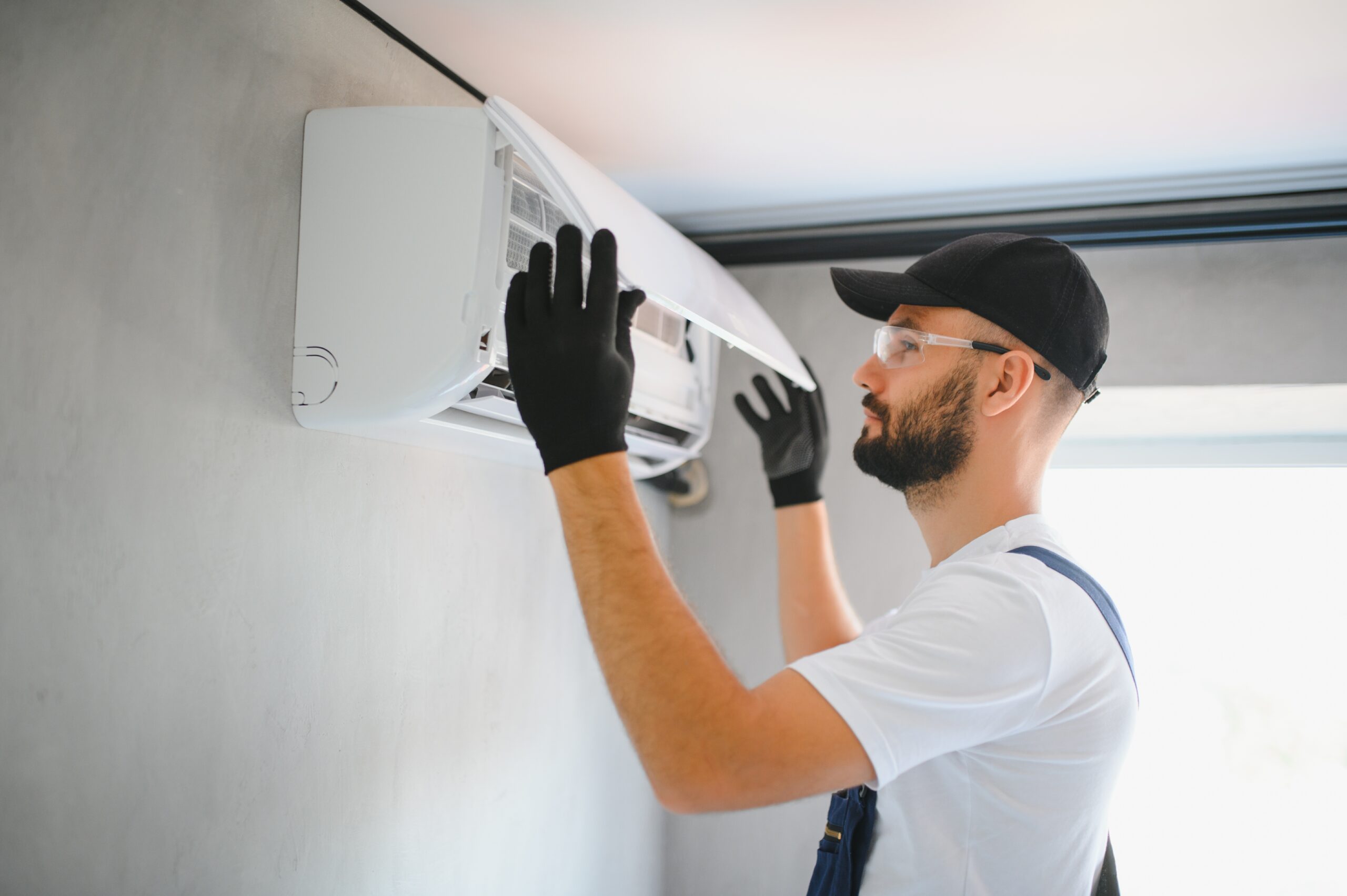
Why Is My Air Conditioner Making a Coughing Sound — And What Should You Do About It
You are sitting at home, the AC is running, and out of nowhere you hear it — a strange, rhythmic coughing or sputtering sound coming from your vents or the unit itself. It is not quite a rattle, not quite a bang, but it is definitely not normal. That sound has a way of immediately putting you on edge, and honestly, it should. A coughing air conditioner is one of the more common yet widely misunderstood HVAC symptoms homeowners run into. The good news is that once you understand what is actually happening inside your system, you are in a much better position to respond wisely and protect your home from a more expensive outcome down the road.
What Does a Coughing Air Conditioner Actually Sound Like
The term “coughing” is informal, but it captures something real. Homeowners use it to describe a short, choppy, repetitive noise that their AC makes during startup, mid-cycle, or sometimes when it shuts off. It can sound like a stuttering fan, a hiccup in airflow, or even a light thumping that breaks up the otherwise steady hum of the system. Some describe it as the unit clearing its throat. Whatever the variation, the pattern is usually consistent — it is not a one-time pop, it keeps happening, and it tends to get worse over time if ignored.
How Your Air Conditioning System Works in Simple Terms
To understand why an AC coughs, it helps to have a basic picture of how the system operates. Your central air conditioner works in a continuous loop. The indoor air handler pulls warm air from your home through return vents, passes it over a cold evaporator coil that removes heat and humidity, and then pushes the cooled air back through your ductwork. Outside, the compressor and condenser coil release that collected heat into the outdoor air. The refrigerant is the medium moving heat between those two sides. A blower motor, multiple fans, and a network of filters and ducts all have to work in sync. When any one of those components is struggling, the whole system communicates it — often through unusual sounds like that coughing or sputtering you are hearing.
Common Causes Behind That Coughing or Sputtering Noise
There is rarely just one culprit when an AC starts making unusual noises, but a few causes come up more consistently than others. Understanding the range of possibilities helps you have a more productive conversation with a technician when the time comes.
- A clogged or dirty air filter restricting airflow through the system, causing the blower to work harder and stutter
- Debris inside the ductwork — dust buildup, small obstructions, or loose insulation — that disrupts airflow at irregular intervals
- A failing blower motor or capacitor that causes the fan to surge and drop inconsistently
- Ice forming on the evaporator coil due to low refrigerant or restricted airflow, which can produce a wet, coughing sound as air moves past it
- Loose components inside the air handler vibrating during operation
- Duct leaks or disconnected sections causing pressure imbalances that create audible air turbulence
Each of these issues sits at a different repair cost level, which is why getting an accurate diagnosis matters before assuming the worst or the best.
The Dirty Filter Problem — Start Here Before Anything Else
Before calling a technician, check your air filter. This sounds almost too simple, but a heavily clogged filter is one of the single most common causes of abnormal AC sounds, and it is a fix that costs almost nothing. When a filter gets overwhelmed with dust and debris, the system has to strain to pull air through it. That strain can cause the blower to pulse inconsistently, which registers as a coughing or stuttering sound from your vents. Replace the filter and run the system again. If the sound clears up or noticeably improves, you have your answer. If not, you are looking at something deeper — but you have at least ruled out the easiest possibility first.

When the Problem Is the Blower Motor or Capacitor
If the filter is clean and the coughing persists, the blower motor or its start capacitor becomes the next logical area to examine. The capacitor is essentially the battery that gives the motor the push it needs to start and maintain speed. When a capacitor is failing, the motor may start sluggishly, speed up and slow down unexpectedly, or stall briefly before catching itself. That inconsistency is exactly what produces a coughing or sputtering sound. Blower motor issues are not typically DIY repairs, but they are well within the scope of a standard HVAC service call. Catching it early is important because a failed blower motor means no airflow at all — and that usually happens on the hottest day of the year.
Frozen Evaporator Coils and What They Have to Do With Sound
A frozen coil is one of those problems that surprises homeowners because it seems counterintuitive — why would an air conditioner freeze? When refrigerant levels drop due to a leak, or when airflow is restricted enough that the coil cannot absorb heat properly, the moisture on the coil surface freezes into a layer of ice. As air tries to pass over that ice buildup, it can make a wet, coughing sound — almost like someone breathing with congestion. You might also notice reduced cooling performance, water pooling near the indoor unit, or frost visible around the coil access panel. If you suspect a frozen coil, turn the system to fan-only mode to let it thaw, then address the root cause before running cooling again.
Ductwork Issues That Create Airflow Turbulence
The ductwork running through your walls and ceilings is more fragile than most homeowners realize. Sections can separate at joints, insulation can collapse inside older ducts, and small gaps can develop over time. When air moves through a compromised duct at pressure, the turbulence that results creates noise. Depending on where the issue is and how significant it is, that noise can travel back to the vents and registers and sound very much like a coughing or stuttering air conditioner. Duct issues are also worth addressing from an efficiency standpoint — air leaks in ductwork can account for meaningful energy loss, which adds up on your utility bill month over month.
Key Advantages of Addressing AC Noise Early
It is tempting to put off dealing with an AC that is technically still running, even if it sounds odd. The rationale tends to be something like — if it is still cooling, maybe it can wait. The problem with that logic is that most of the causes behind a coughing air conditioner are progressive. A failing capacitor becomes a dead motor. A refrigerant leak becomes a damaged compressor. A frozen coil becomes water damage. Catching these problems at the symptom stage almost always means a smaller repair bill and less disruption to your household. The window between strange noise and complete system failure is where your budget has the most to gain.
Why Armadillo Belongs in the Conversation When Your AC Starts Acting Up
When your air conditioner starts coughing and you find yourself staring down a potentially expensive repair, a home warranty from a provider you can actually trust changes the conversation entirely. Armadillo was built specifically to take the financial unpredictability out of homeownership — and HVAC systems are exactly the kind of high-cost, high-impact coverage that makes a warranty worth having. If you are looking for straightforward, honest home warranty coverage for HVAC systems and more, explore Armadillo’s home warranty plans for air conditioning and major home systems to see what fits your home and your budget. The process is designed to be simple, transparent, and fast — no fine print surprises, no runaround when you need help. If your AC is already making noise and you want coverage in place before something breaks completely, you can get a free home warranty quote that covers your HVAC system and other critical appliances in just a few minutes. Protecting your home should not feel complicated, and with Armadillo, it does not have to.

Frequently Asked Questions About a Coughing Air Conditioner
Homeowners dealing with unusual AC sounds often have similar questions. Here are the most common ones, answered directly.
Is a coughing air conditioner dangerous?
In most cases, a coughing sound from your AC is not an immediate safety hazard, but it does indicate a mechanical issue that should be diagnosed promptly. Left unaddressed, some causes — like a failing motor or refrigerant leak — can escalate into larger problems or complete system failure.
Can I keep running my AC if it is making a coughing sound?
It depends on the cause. If the issue is a dirty filter, replacing it and running the system is fine. If the sound is accompanied by reduced cooling, ice around the unit, or any burning smell, shut the system down and call a technician before running it again.
How much does it cost to fix an air conditioner that is coughing?
Costs vary significantly based on the cause. A filter replacement costs just a few dollars. A capacitor replacement typically runs between $150 and $300. A blower motor can cost $400 to $700. Refrigerant recharge or coil repairs can range from $200 to over $1,500 depending on severity.
How do I know if my AC evaporator coil is frozen?
Signs of a frozen evaporator coil include reduced airflow from vents, ice or frost visible on the indoor unit or refrigerant lines, water pooling near the air handler, and a wet or gurgling sound during operation. Turning the system to fan-only mode allows the ice to melt before further inspection.
Why does my AC only cough at startup?
A coughing sound specifically at startup often points to a failing capacitor, which struggles to give the motor enough power to start smoothly. It can also indicate loose components that vibrate during the initial pressure change as the system begins operating.
Does a coughing AC mean I need a new unit?
Not necessarily. Many causes of a coughing air conditioner are repairable without replacing the whole system. However, if your unit is over 12 to 15 years old and multiple components are failing, a technician may recommend replacement as the more cost-effective long-term option.
Can dirty ductwork cause a coughing sound?
Yes. Heavy dust buildup, debris inside ducts, or sections of ductwork that have become partially disconnected can create airflow turbulence that sounds like coughing or sputtering coming from your vents. Duct cleaning or repair can resolve this type of issue.
Will a home warranty cover the repair if my AC is making unusual sounds?
A home warranty typically covers mechanical failures of covered components, including motors, capacitors, and other internal parts. The specific coverage depends on your plan terms. It is always worth reviewing what your warranty covers before a problem develops so you understand your protection level in advance.
How often should I replace my AC air filter to prevent problems like this?
For standard 1-inch filters, replacement every 30 to 60 days is generally recommended, especially during peak cooling season. Homes with pets, allergies, or higher dust levels may need more frequent changes. Thicker 4-inch media filters can often last 3 to 6 months.
What should I tell the HVAC technician when I call about a coughing sound?
Describe when the sound occurs — at startup, during operation, or at shutdown — how long it has been happening, whether cooling performance has changed, and any other symptoms like odors, visible ice, or water around the unit. The more specific you are, the faster a technician can narrow down the cause.