Why Is My Ductwork Sweating? A Homeowner’s Guide to Condensation on HVAC Ducts
You head down to the basement or peek into the attic and notice something a little unsettling: your ductwork looks wet. Not broken, not leaking water from a pipe, just… sweating. It happens more often than most homeowners realize, and while it can seem minor at first, ignoring it tends to cause bigger, more expensive problems down the road. Understanding why ducts sweat, what it means for your home, and how to address it is genuinely useful information for any homeowner. So let’s get into it.
What Does It Mean When Ductwork Sweats?
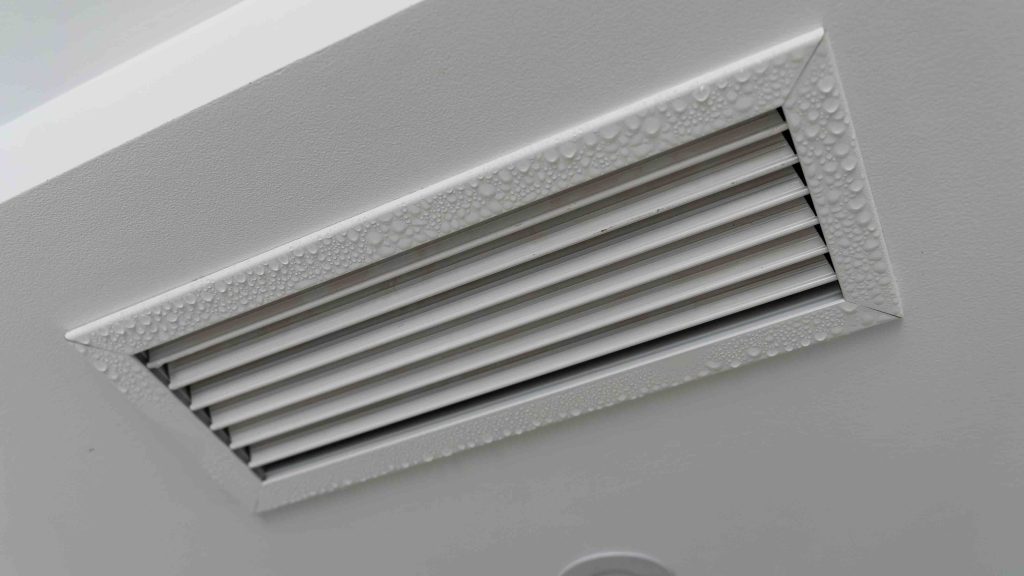
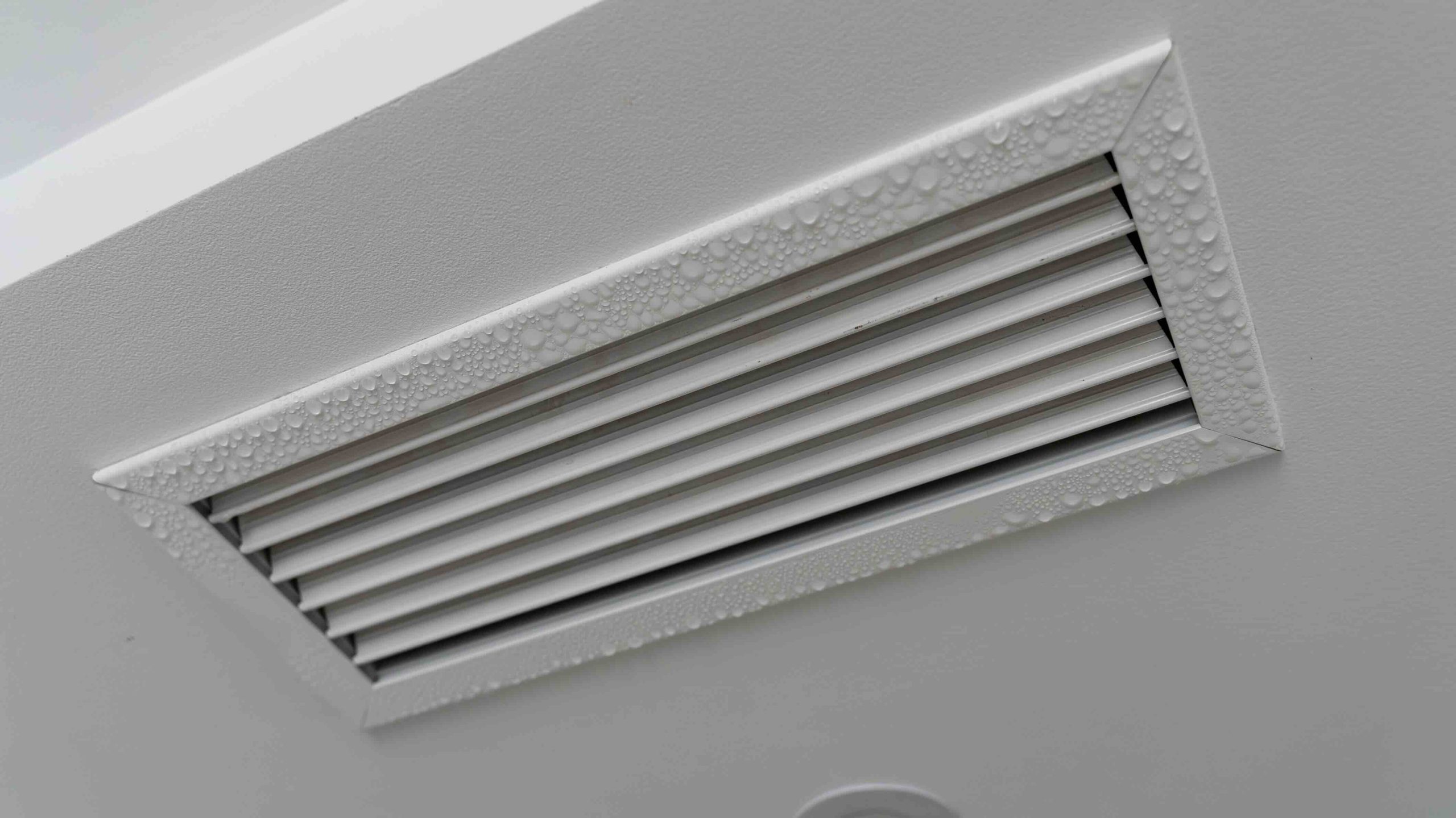
Sweating ductwork is essentially the same phenomenon as a cold glass of water on a hot summer day. When warm, humid air comes into contact with a cold surface, moisture in the air condenses into liquid water on that surface. Your air conditioning ducts are constantly carrying cold air, which makes their outer surfaces prime candidates for condensation buildup. The ductwork itself is not malfunctioning when this happens. The issue is really about the relationship between temperature, humidity, and insulation in your home’s environment.
The Science Behind Duct Condensation
Every pocket of air holds a certain amount of moisture. The warmer the air, the more moisture it can carry. When that warm, moisture-laden air hits a cold duct surface, the air temperature drops rapidly near the duct wall. Once it drops below what is called the dew point, moisture releases from the air and forms droplets on the duct exterior. This is not a leak. It is physics. The dew point varies based on indoor humidity levels, which is why this problem tends to flare up in summer months or in regions with naturally high humidity year-round.
Common Causes of Sweating Ductwork
Several conditions in your home can make condensation on ducts worse or more persistent. Knowing the usual suspects helps you target the right fix.
- High indoor humidity: When relative humidity inside climbs above 60 percent, condensation risk increases significantly on cold surfaces including ducts.
- Inadequate duct insulation: Ducts with thin, missing, or damaged insulation allow the cold surface to be exposed to surrounding warm air more directly.
- Poor attic or crawl space ventilation: Stagnant, humid air trapped in unconditioned spaces accelerates moisture buildup on duct surfaces.
- Oversized air conditioning systems: A system that is too large for your home short-cycles, meaning it runs in brief bursts that over-cool ducts without adequately dehumidifying the air.
- Leaky duct connections: Gaps or loose joints allow cold air to escape directly onto adjacent surfaces, creating localized cold spots that condense moisture heavily.
Where Sweating Ducts Tend to Show Up
Not all parts of your duct system are equally vulnerable. Supply ducts, which carry the cold conditioned air from your HVAC unit, are far more likely to sweat than return ducts. Areas of the home that are poorly ventilated and naturally warm, like attics, crawl spaces, and unconditioned basements, see the worst of it. Flexible ductwork in these areas is especially problematic because it is harder to insulate properly and more prone to developing thin spots or tears in its insulation jacket over time.
Why Sweating Ductwork Is a Problem Worth Taking Seriously
A little surface moisture might not sound alarming, but persistent duct sweating can cascade into real structural and health problems inside a home. Prolonged moisture on and around ductwork creates ideal conditions for mold and mildew growth, which can spread into walls, insulation, and eventually into the air your family breathes. Water dripping from sweating ducts can damage ceilings, insulation batts, wooden framing, and flooring over time. Beyond that, excessive moisture in crawl spaces or attics accelerates wood rot and can compromise the structural integrity of those areas. What starts as a physics problem can become a property damage problem if left unaddressed.

How to Fix Sweating Ductwork
The good news is that most causes of duct condensation are fixable, and several solutions can be tackled without a major renovation. The right approach depends on the underlying cause in your specific home.
- Improve duct insulation: Adding or replacing insulation on supply ducts raises the surface temperature of the duct exterior, reducing or eliminating condensation. Closed-cell foam or foil-faced fiberglass wrap are both effective options.
- Control indoor humidity: Running a whole-home dehumidifier or ensuring your HVAC system is properly sized will lower the moisture content of the air, making condensation far less likely.
- Seal duct leaks: A professional duct sealing service or even DIY mastic sealant can close gaps and joints that create cold spots and excess condensation.
- Improve ventilation in unconditioned spaces: Adding soffit vents, exhaust fans, or vapor barriers in crawl spaces reduces the ambient humidity that feeds condensation problems.
- Right-size your HVAC system: If an oversized unit is the culprit, speak with an HVAC professional about your load calculation needs before the next replacement cycle.
Preventive Maintenance That Keeps Condensation in Check
Even after you address the immediate cause, ongoing maintenance is what keeps sweating ductwork from becoming a recurring problem. Checking your duct insulation annually, especially in attics and crawl spaces, is a smart habit. Monitoring indoor humidity with a simple hygrometer helps you stay ahead of seasonal spikes. Scheduling routine HVAC inspections every year keeps your system running efficiently and gives a technician the opportunity to spot early-stage duct issues before they worsen. Staying proactive is almost always cheaper than waiting until damage has already occurred.
What Your Home Warranty May or May Not Cover
Here is where things get a little nuanced for homeowners who carry a home warranty plan. Most standard home warranty agreements cover HVAC systems, including the components of the air handler and the ductwork system in terms of mechanical failures. However, condensation damage, meaning mold remediation, structural repairs from water damage, or insulation replacement caused by sweating ducts, typically falls outside the scope of standard coverage. The warranty covers the system breaking down, not the secondary environmental effects of a system that is working but operating in unfavorable conditions. Reading your coverage documents carefully and understanding those boundaries helps you avoid surprises when you file a claim.
Why Armadillo Is Worth Considering When Your HVAC System Needs Help
Sweating ductwork is often a symptom of a larger HVAC performance issue, and when your heating and cooling system actually breaks down, that is where having the right coverage matters most. Armadillo home warranty plans built for HVAC system protection are designed to take the financial sting out of unexpected mechanical failures, including breakdowns in the equipment that keeps your ducts cold in the first place. Armadillo keeps things simple, transparent, and genuinely useful for homeowners who want protection without the runaround. If you are ready to stop wondering what would happen if your air conditioner quit on the hottest day of the year, you can get a free home warranty quote for HVAC and duct system coverage in just a few minutes. No pressure, no lengthy sales call, just clear options.

Frequently Asked Questions About Sweating Ductwork
Homeowners dealing with duct condensation often have overlapping questions. Here are clear answers to the ones that come up most often.
Is sweating ductwork a sign that my HVAC system is broken?
Not necessarily. Sweating ducts are usually caused by environmental conditions like high humidity or inadequate insulation rather than a mechanical failure inside the HVAC unit itself. However, an oversized or short-cycling system can contribute to the problem, so an HVAC inspection is worth scheduling if condensation is persistent.
Can sweating ductwork cause mold in my home?
Yes, it can. Sustained moisture on and around duct surfaces creates conditions that support mold and mildew growth. If condensation is dripping onto insulation, wood, or drywall, mold can develop relatively quickly, particularly in warm, poorly ventilated spaces like attics and crawl spaces.
How do I know if my duct insulation is the problem?
Visually inspect your exposed ductwork in unconditioned areas of the home. If the insulation jacket looks thin, torn, compressed, or missing in sections, that is a strong indicator that the insulation is no longer providing adequate thermal protection against condensation.
What indoor humidity level should I target to prevent duct sweating?
Keeping indoor relative humidity between 40 and 55 percent is generally recommended for comfort and to minimize condensation risks on cold surfaces like supply ducts. A hygrometer is an inexpensive tool that makes monitoring easy.
Does flexible ductwork sweat more than sheet metal ductwork?
Flexible ductwork tends to be more vulnerable to condensation issues because its insulation layer is thinner and more susceptible to damage over time. Sheet metal ducts with properly installed insulation wrapping tend to perform better in high-humidity environments.
Will a dehumidifier fix my sweating duct problem?
A dehumidifier can significantly reduce or eliminate condensation by lowering the moisture content of the surrounding air. It works best as part of a combined approach that also includes proper duct insulation and good ventilation in problem areas of the home.
Can I insulate my ducts myself or do I need a professional?
Wrapping accessible ducts with foil-faced insulation is a manageable DIY project for many homeowners. However, ducts in tight spaces, improperly supported areas, or those with existing damage are better handled by a professional HVAC technician or insulation contractor who can assess the full scope of the issue.
Does a home warranty cover damage caused by sweating ductwork?
Standard home warranty plans typically cover mechanical failures within the HVAC system, such as a failed compressor or broken air handler component, but they generally do not cover consequential damage from condensation, such as mold remediation or water-damaged insulation. Always review your specific plan documents to confirm what is and is not included.
How quickly can sweating ducts cause serious damage?
In high-humidity environments, visible damage like water stains, deteriorating insulation, and early mold growth can appear within a single cooling season if the underlying cause is not addressed. The longer condensation persists unchecked, the more extensive the potential damage becomes.
Should I be concerned about sweating ducts during winter?
Duct sweating is primarily a warm-weather and cooling-season issue because it requires cold duct surfaces in warm, humid air. During winter, when the system is running heat through the ducts, condensation on duct exteriors is far less common under typical indoor conditions.