Why Is My Garage Door Opening By Itself? What Every Homeowner Needs to Know
It happens at the worst possible moment. You glance at your security camera, and there it is — your garage door slowly rising on its own, with no one in sight. Or maybe a neighbor knocks to let you know the garage has been wide open for an hour. If your garage door is opening by itself, you are not imagining things, and you are definitely not alone. This is one of those home system quirks that seems mysterious at first, but almost always has a logical explanation — and often, a fixable one. Understanding why this happens, how garage door openers actually work, and what your coverage options look like can save you from a stressful and expensive situation.
How a Garage Door Opener System Actually Works
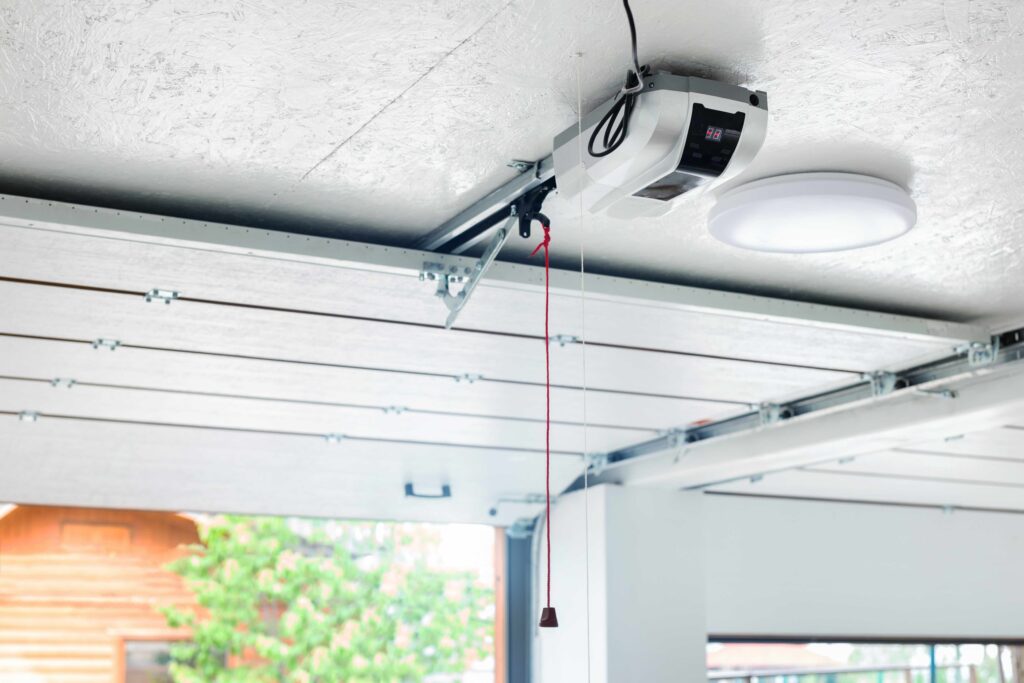
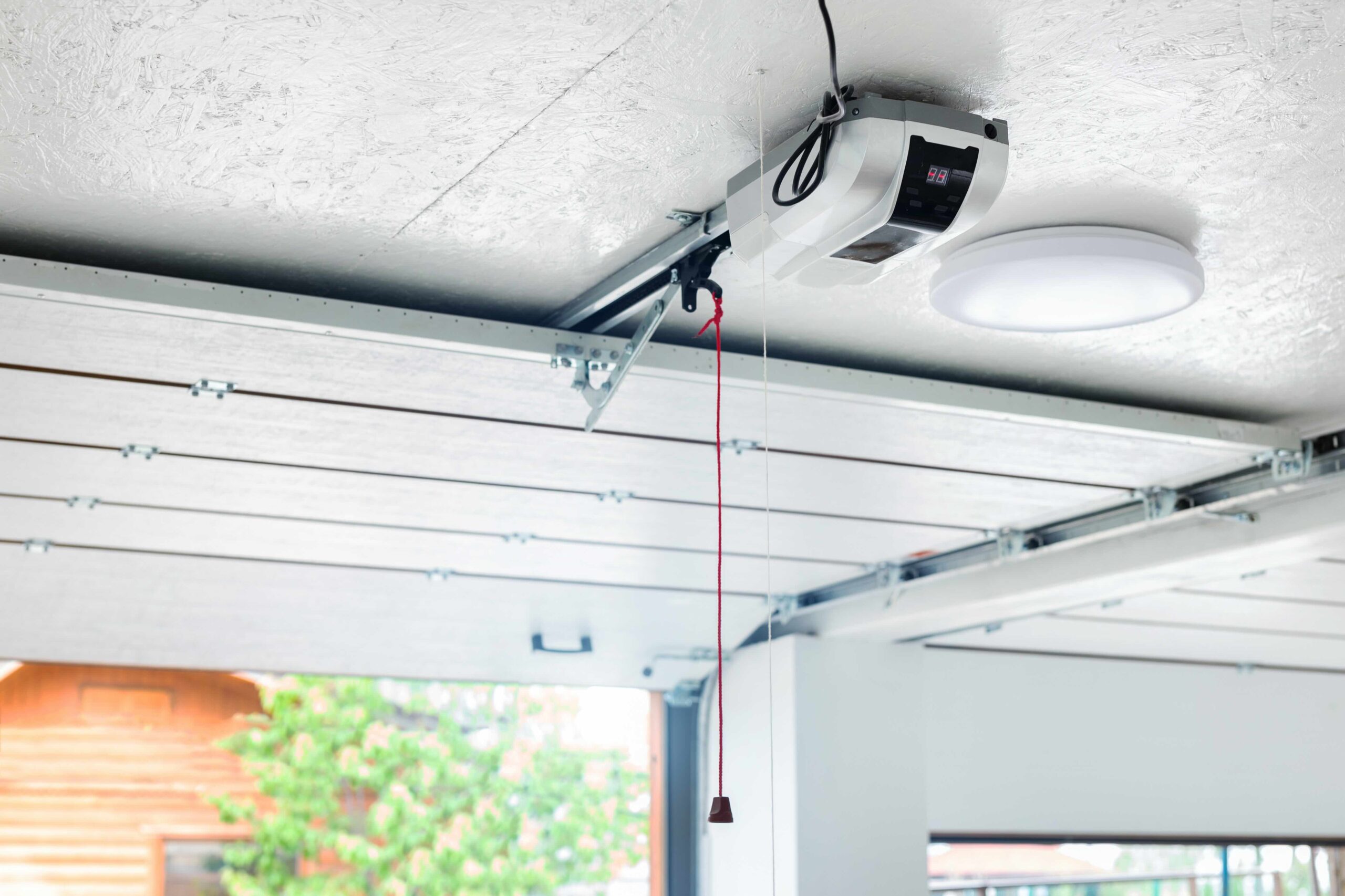
Before diagnosing the problem, it helps to understand the system itself. A garage door opener is made up of several interconnected components: the motor unit mounted on the ceiling, a drive mechanism (chain, belt, or screw), the trolley that moves the door, the remote controls or keypads that send signals, and the safety sensors positioned near the floor on either side of the door. The opener receives a radio frequency signal — either from a wall-mounted button, a handheld remote, a keypad, or a smartphone app — and translates that signal into mechanical movement. Most modern openers also have onboard logic boards that manage timing, auto-reverse functions, and connectivity. When any part of this system behaves unexpectedly, it can trigger the door to open without any human input.
The Most Common Reasons a Garage Door Opens on Its Own
There is rarely one single cause, and diagnosing the issue correctly depends on paying attention to when and how often it happens. Here are the most frequently reported culprits behind a self-opening garage door:
- Interference from a neighboring remote or frequency overlap from a nearby device operating on the same radio frequency
- A stuck or malfunctioning wall button that is sending a continuous or repeated signal
- A damaged or failing logic board inside the opener unit itself
- Dirty or misaligned safety sensors that are incorrectly detecting an obstruction
- A remote control with a button that is physically jammed or shorting out
- Power surges or electrical fluctuations affecting the opener’s programming
- A limit switch that is set incorrectly, causing the door to cycle in the wrong direction
Each of these issues points to a different part of the system, which means the repair approach varies. Some homeowners can resolve certain problems — like reprogramming a remote or checking sensor alignment — on their own. Others require a licensed technician to inspect the wiring or replace internal components.
Radio Frequency Interference: The Sneaky Culprit
One of the more surprising causes of a self-opening garage door is radio frequency interference, often called RF interference. Garage door openers communicate using specific radio frequencies, typically around 315 MHz or 390 MHz, though older units may operate at 300 MHz or even 390 MHz. When another device in the vicinity broadcasts on a similar or overlapping frequency — think a neighbor’s new opener, a radio transmitter, certain LED lighting, or even nearby commercial equipment — it can accidentally send a signal that your opener interprets as a command. This is more common in densely built neighborhoods or areas with a lot of wireless infrastructure. The fix often involves reprogramming your opener to a new frequency or upgrading to a rolling code system, which generates a new code each time the remote is used, making accidental activation far less likely.
When the Logic Board Is the Problem
The logic board is essentially the brain of your garage door opener. It processes incoming signals, controls the motor, manages safety features, and stores your remote’s programming. Over time, logic boards can fail due to age, moisture exposure, power surges, or just general wear. When a logic board starts to go, it can send erratic commands to the motor — including commands to open the door at random. If you have ruled out interference and your remote and wall button seem to be functioning normally, a failing logic board is high on the suspect list. Replacing a logic board is not a DIY project for most homeowners. It requires matching the exact board to your opener model and involves working near electrical components. This is also the kind of repair that can catch homeowners off guard with its cost, which is exactly where home warranty coverage becomes relevant.
Sensor Issues and How They Contribute to the Problem
Garage door safety sensors serve a critical function — they detect obstructions in the door’s path and prevent the door from closing on a person, pet, or object. But sensors can also contribute to erratic door behavior. When sensors become dirty, misaligned, or damaged, they can send conflicting signals to the opener’s control board. In some cases, the opener interprets a sensor fault as a reason to reverse course, which means a door in the process of closing will suddenly open again. Regularly cleaning the sensor lenses with a soft cloth and making sure both sensors are properly aligned — indicated by a steady light on each unit — is a simple but effective maintenance step that many homeowners overlook.
Steps to Troubleshoot a Self-Opening Garage Door
If your garage door is acting on its own, a systematic approach helps isolate the issue without unnecessary service calls. Start with the simplest possibilities and work toward the more complex. Disconnect the wall button from the opener temporarily and observe whether the door still opens on its own — this rules out a stuck button. Next, check your remote controls for any buttons that appear jammed or damaged. Inspect the sensors for debris, misalignment, or physical damage. Review whether any new devices have been installed nearby that could cause RF interference. Finally, check the opener’s limit switch settings, which control how far the door travels in each direction. If none of these steps resolve the issue, contact a qualified garage door technician who can inspect the logic board, wiring, and motor for deeper problems.
Security Implications of a Self-Opening Garage Door
Beyond the inconvenience, a garage door that opens without authorization is a genuine security concern. An open garage gives direct or indirect access to your home, especially if there is an interior door connecting the garage to the living space. If your garage door has been opening unexpectedly, it is worth reviewing your home security setup as well. Make sure any interior doors are locked and consider installing a garage door monitor or smart opener that sends notifications when the door opens. Some smart openers even allow you to close the door remotely from your phone, which adds a useful layer of control while you are diagnosing the root cause.
How a Home Warranty Can Help With Garage Door Opener Repairs
Here is where things get practical. Garage door opener repairs — especially logic board replacements, motor failures, or sensor malfunctions — can range from a few hundred dollars to over a thousand depending on the opener model and the extent of the damage. These are not glamorous repairs, but they are exactly the kind of unexpected costs that can disrupt a household budget. A home warranty is designed to protect against this kind of mechanical breakdown. When a covered component fails due to normal wear and use, the warranty covers the cost of repair or replacement, minus a service fee. The key is understanding what your plan covers. Most home warranty plans that include garage door openers focus on the mechanical and electrical components of the opener unit itself — not the door panels or springs, which are typically considered structural.
If you are already dealing with a self-opening garage door and wondering whether your repair costs might be covered, Armadillo home warranty plans built for real homeowners are worth a serious look. Armadillo takes the guesswork out of home protection by offering straightforward coverage with no confusing fine print. And if you want to see exactly what is available for your home right now, you can get a garage door opener warranty quote tailored to your zip code in just a few minutes. When unexpected repairs come knocking — or in this case, opening — having the right plan in place makes all the difference.

Frequently Asked Questions About Garage Doors Opening By Themselves
Real questions homeowners are asking — answered clearly and directly.
Why does my garage door open by itself in the middle of the night?
This is most often caused by radio frequency interference from a nearby device, a malfunctioning wall button sending a stuck signal, or a failing logic board inside the opener unit. Nighttime occurrences can sometimes correlate with shifts in electrical demand or neighbors returning home and using their own openers on a similar frequency.
Is a self-opening garage door a safety hazard?
Yes. A garage door that opens without authorization is a security risk because it can provide access to your home. It may also indicate a malfunctioning safety system, which could cause the door to behave unpredictably in ways that pose a physical risk to people or pets nearby.
Can a power surge cause a garage door to open on its own?
It can. Power surges can corrupt or reset the logic board’s programming, sometimes triggering unintended commands including an open cycle. Installing a surge protector on the outlet powering your garage door opener is a simple preventive measure.
How do I stop my garage door from opening by itself?
Start by checking your wall button for sticking, inspecting your remotes for jammed buttons, cleaning and aligning the safety sensors, and looking for nearby devices that could be causing radio frequency interference. If those steps do not resolve the issue, consult a technician to evaluate the logic board and wiring.
Can a neighbor’s garage door opener trigger mine to open?
Yes, particularly with older openers that use a fixed frequency code. If your neighbor recently got a new opener and yours started acting up around the same time, frequency interference is a likely cause. Upgrading to a rolling code opener can prevent this from happening.
Does a home warranty cover a garage door opener that opens by itself?
Most home warranty plans that include garage door openers cover mechanical and electrical failures of the opener unit, which would include a malfunctioning logic board or faulty wiring. Coverage typically does not extend to door panels, springs, or cosmetic components, so reviewing your plan details is important.
How much does it cost to fix a garage door opener that opens on its own?
Costs vary based on the diagnosis. Reprogramming a remote or adjusting sensors might cost little to nothing if done by a homeowner. Replacing a logic board typically runs between $150 and $400 in parts and labor. A full opener replacement can range from $300 to over $1,000 depending on the model and installation complexity.
Should I replace or repair my garage door opener if it keeps opening by itself?
If the opener is more than 10 to 15 years old, replacement often makes more financial sense, especially if the logic board or motor is failing. Newer openers come with rolling code technology, smartphone integration, and improved safety features that older units lack.
Can weather affect my garage door opener and cause it to open randomly?
Extreme temperature changes can affect the wiring, sensors, and internal components of an opener. Cold weather in particular can cause metal components to contract and sensors to misread, while excessive heat can strain the motor and affect electronic components over time.
How often should a garage door opener be serviced?
A professional inspection every one to two years is generally recommended, along with basic homeowner maintenance like lubricating the drive mechanism, testing the auto-reverse function, and cleaning the sensor lenses a few times per year. Regular maintenance extends the life of the system and helps catch minor issues before they become major repairs.