Why Is My Heater Not Working? A Homeowner’s Guide to Diagnosing and Fixing the Problem
It happens at the worst possible time. You wake up on a cold morning, the house feels like a refrigerator, and the heater is doing absolutely nothing. Before you panic or start calling every HVAC company in your area, it helps to understand what you are actually dealing with. Your home heating system is more complex than most people realize, but that does not mean troubleshooting it has to be complicated. This guide walks you through the most common reasons a heater stops working, what you can check on your own, and when it is time to call in a professional.
How Your Home Heating System Actually Works
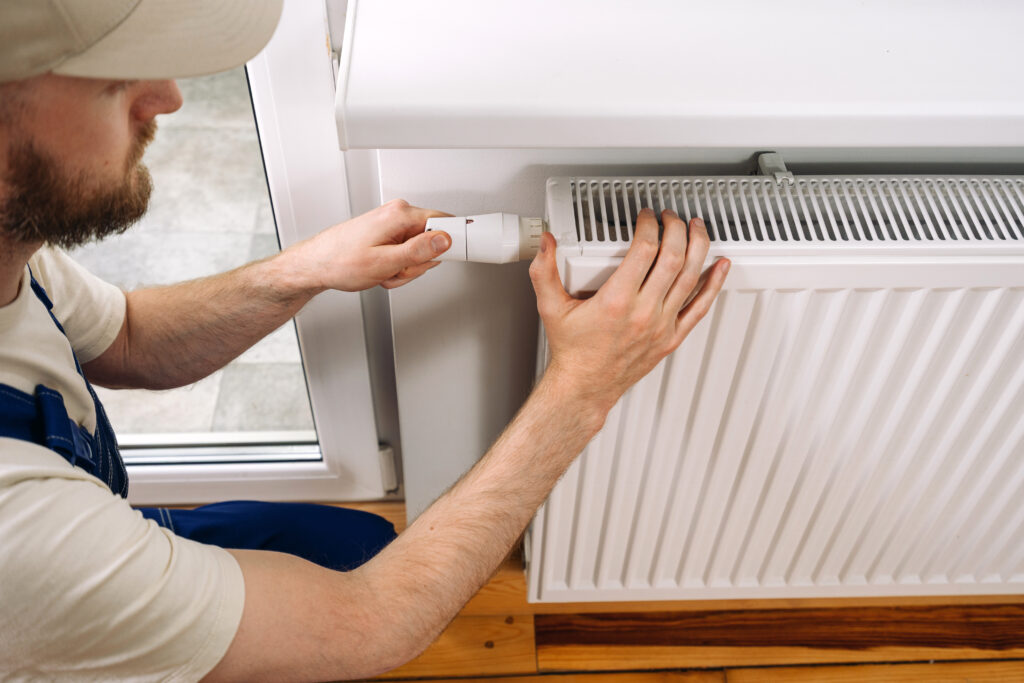
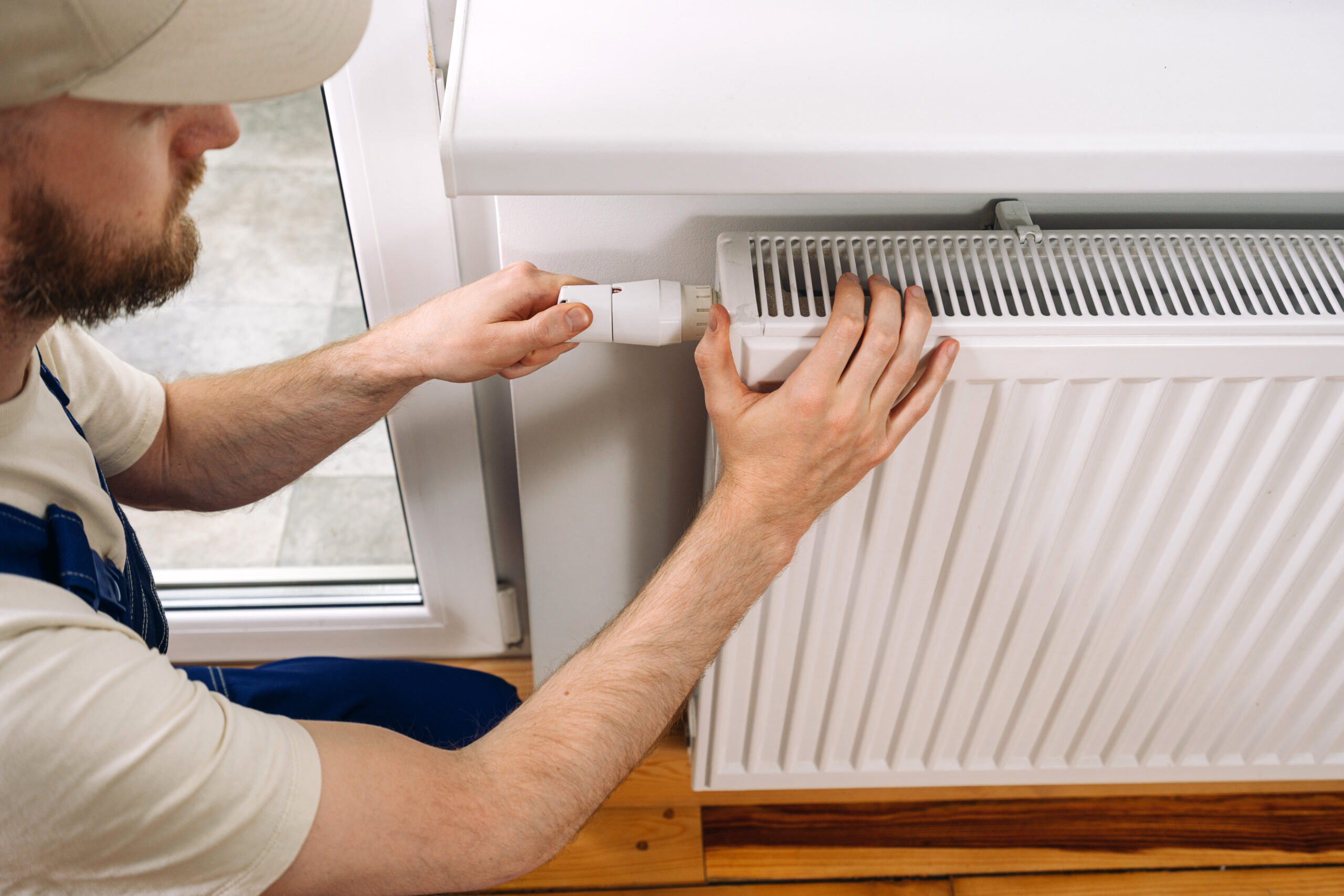
Most residential homes use either a forced-air furnace, a heat pump, or a boiler system to distribute heat. Forced-air furnaces are the most common in the United States. They pull in cold air, heat it using gas or electric elements, and push warm air through ductwork and into each room via vents. Heat pumps work differently — they transfer heat rather than generate it, pulling warmth from outdoor air and moving it inside. Boiler systems heat water and circulate it through radiators or radiant floor systems. Knowing which system you have is the first step in understanding why it might not be functioning correctly. Each type has its own set of failure points, quirks, and maintenance requirements.
The Most Common Reasons Your Heater Stops Working
There is rarely one single reason a heater fails. In most cases, it comes down to one of a handful of recurring issues that HVAC technicians see constantly. Understanding these patterns can help you narrow things down quickly.
- A dirty or clogged air filter restricting airflow and causing the system to overheat and shut down
- A tripped circuit breaker or blown fuse interrupting power to the unit
- A malfunctioning thermostat that is not sending the correct signals to the system
- A pilot light that has gone out on older gas furnaces
- A clogged condensate drain line on high-efficiency furnaces
- Faulty ignition components preventing the burner from firing
- Low refrigerant levels in heat pump systems
- Cracked heat exchangers, which are a serious safety concern
Each of these issues has a different level of complexity. Some are genuinely DIY-friendly. Others require a licensed technician with the right tools and certifications. The key is knowing the difference.
What You Can Check Before Calling Anyone
Start simple. Seriously, start as simple as possible before doing anything else. Check your thermostat first — confirm it is set to heat mode, that the temperature setting is above the current room temperature, and that the batteries are not dead. It sounds almost too obvious, but a thermostat issue accounts for a surprising number of service calls. Next, head to your electrical panel and look for any tripped breakers. If the breaker for your furnace or air handler has flipped, reset it once and see if the system comes back on. After that, locate your furnace filter. If it looks gray and packed with dust, that is likely your culprit. Replace it immediately — a clogged filter can cause the system to shut itself off as a safety measure to prevent overheating.
Checking the Furnace Itself
If the thermostat, breaker, and filter all check out, it is time to look at the unit itself. On gas furnaces, locate the power switch on or near the unit — it looks like a standard light switch — and make sure it is in the on position. Check whether the furnace door or access panel is fully secured, because many furnaces have a safety switch that cuts power if the panel is open or not properly latched. If you have an older furnace with a standing pilot light, look through the small viewing window to see if the flame is lit. If it is out, follow the manufacturer’s relighting instructions carefully. Modern furnaces use electronic ignition, so if yours clicks repeatedly but does not ignite, the igniter or flame sensor may need to be replaced by a professional.

When the Problem Is More Serious
Some heater problems are not appropriate for homeowner intervention. A cracked heat exchanger, for example, is one of the most dangerous issues a furnace can develop. It can allow carbon monoxide to mix with the air being circulated through your home, creating a serious health hazard. If your carbon monoxide detector goes off, or if you notice symptoms like unexplained headaches and dizziness while indoors, evacuate and call emergency services. Other situations requiring a licensed HVAC technician include gas valve failures, refrigerant issues in heat pumps, blower motor problems, and any repairs involving the flue or venting system. These are not areas where a YouTube tutorial and a toolbox will get the job done safely.
Preventive Maintenance That Actually Makes a Difference
The best heater repair is the one you never have to make. Regular maintenance dramatically reduces the likelihood of unexpected breakdowns, especially during peak heating season when HVAC companies are at their busiest. Change your air filter every one to three months, depending on your home’s air quality and whether you have pets. Schedule a professional tune-up once a year, ideally in the fall before temperatures drop. During that visit, a technician will clean the burners, inspect the heat exchanger, check the flue, test safety controls, and verify that everything is operating within normal parameters. It is also worth keeping the area around your furnace clear of debris and ensuring that vents and registers throughout your home are open and unobstructed.
Understanding Repair Costs and What Affects Them
Heater repair costs vary considerably depending on the type of system, the specific component that has failed, and your geographic location. A simple thermostat replacement might run a couple hundred dollars. A new igniter or flame sensor typically falls in a similar range. Blower motor repairs and heat exchanger replacements can push into the thousands. If your furnace is more than fifteen years old and facing a major repair, it is worth having an honest conversation with your technician about whether repair or replacement makes more financial sense in the long run. A newer, high-efficiency system will cost more upfront but can deliver meaningful savings on monthly energy bills and is far less likely to develop the compounding issues that older units tend to accumulate.
The Role of a Home Warranty When Your Heater Breaks Down
This is where things get practical. Unexpected heating system failures can be expensive, and most homeowners are not sitting on a dedicated repair fund just waiting to be used. A home warranty is a service contract that covers the repair or replacement of major home systems and appliances when they break down due to normal wear and tear. A quality home warranty plan that includes heating system coverage can be genuinely valuable, particularly in older homes where the likelihood of a mechanical failure is higher. When something breaks, you contact your warranty provider, they dispatch a vetted technician, and the covered repair cost is handled through your plan rather than coming entirely out of pocket. It is a structured way to manage the financial unpredictability that comes with homeownership.
Why Armadillo Is Worth Considering for Your Heating System Coverage
When your heater goes down in the middle of winter, the last thing you want is to navigate a confusing claims process or wait days for a callback. That is exactly why Armadillo home warranty plans designed to protect your heating system and major home systems are structured around transparency and speed. Armadillo keeps things straightforward — no confusing fine print, no surprise exclusions, and no running around trying to find a contractor on your own. Their plans are built with real homeowners in mind, which means actual coverage for the systems you rely on most, including your furnace and heating equipment. If you want to stop leaving expensive repairs to chance, you can get a free home warranty quote for heating system protection in seconds and see exactly what coverage would look like for your home. It is a low-effort step that can make a significant difference when something goes wrong.
Frequently Asked Questions About Home Heater Problems
These are the questions homeowners ask most often when their heating system stops working. The answers are direct and designed to help you take action quickly.
Why is my heater running but not producing warm air?
If your heater is running but blowing cold or room-temperature air, the most likely causes are a dirty air filter restricting airflow, a malfunctioning burner or igniter, or a thermostat that is set to fan-only mode instead of heat mode. Check the thermostat setting first, replace the filter if it is clogged, and if neither resolves the issue, contact a licensed HVAC technician to inspect the ignition system and burner assembly.
How do I reset my home heater?
Most furnaces have a reset button located on or near the burner assembly, often red or yellow in color. Press it once firmly. If the furnace does not restart after one reset attempt, do not press it repeatedly, as this can flood the combustion chamber with gas. Check for error codes on the control board display if your furnace has one, and consult your owner’s manual or call a technician.
Why does my heater keep turning on and off repeatedly?
This is called short cycling, and it is commonly caused by a clogged air filter, an oversized furnace, a malfunctioning thermostat, or a dirty flame sensor. Short cycling puts significant stress on your heating system and should be addressed promptly to avoid more serious damage.
Is it safe to run my heater with a cracked heat exchanger?
No. A cracked heat exchanger is a serious safety hazard because it can allow carbon monoxide to enter your living space. If you suspect a cracked heat exchanger, shut off the furnace immediately, ventilate the home, and contact a licensed HVAC technician before operating the system again.
How often should I replace my furnace filter?
Most standard one-inch filters should be replaced every one to three months. Thicker media filters can last anywhere from six months to a year. Homes with pets, multiple occupants, or allergy concerns typically require more frequent filter changes to maintain healthy airflow and system efficiency.
What does a home warranty cover when it comes to my heating system?
Coverage varies by provider and plan, but most home warranty plans that include heating system coverage will cover the repair or replacement of internal components that fail due to normal wear and tear. This typically includes the furnace, heat pump, and related components. Cosmetic damage, pre-existing conditions, and improper installation are commonly excluded, so reviewing the plan terms carefully before purchasing is important.
How long do home furnaces typically last?
Most gas furnaces have a lifespan of fifteen to twenty years with proper maintenance. Heat pumps generally last between ten and fifteen years. If your system is approaching the end of its expected lifespan and requires a significant repair, replacement may be the more cost-effective long-term option.
Why is my heater making a loud banging or popping noise?
A banging sound when your furnace fires up is often caused by delayed ignition, which allows gas to build up before igniting suddenly. It can also result from expanding and contracting ductwork. Delayed ignition in particular should be inspected by a technician, as it can damage the heat exchanger over time.
Can I fix my heater myself, or do I need a professional?
Some tasks are appropriate for homeowners, including replacing the air filter, resetting the system, relighting a pilot light on older units, and changing thermostat batteries. Any repairs involving gas lines, electrical components beyond the breaker, refrigerant, or internal furnace parts should always be handled by a licensed HVAC professional.
What is the first thing I should check when my heater stops working?
Start with the thermostat — confirm it is set to heat mode and that the temperature setting is above the current indoor temperature. Then check the circuit breaker and the furnace power switch. Finally, inspect the air filter. These three checks resolve a significant portion of heating complaints without requiring a service call.