
Why Is My Hot Water Heater Not Working? A Homeowner’s Guide to Common Causes and Smart Solutions
There is nothing quite like turning on the shower and realizing the hot water is gone. It is frustrating, inconvenient, and — depending on the time of day — a genuine problem. If you have been asking yourself why your hot water heater is not working, you are not alone. Hot water heaters are one of the most relied-upon appliances in any home, and when they fail, the ripple effect is immediate. This guide breaks down how water heaters work, what typically goes wrong, and what you can do about it — including how a home warranty fits into the picture.
How a Hot Water Heater Actually Works
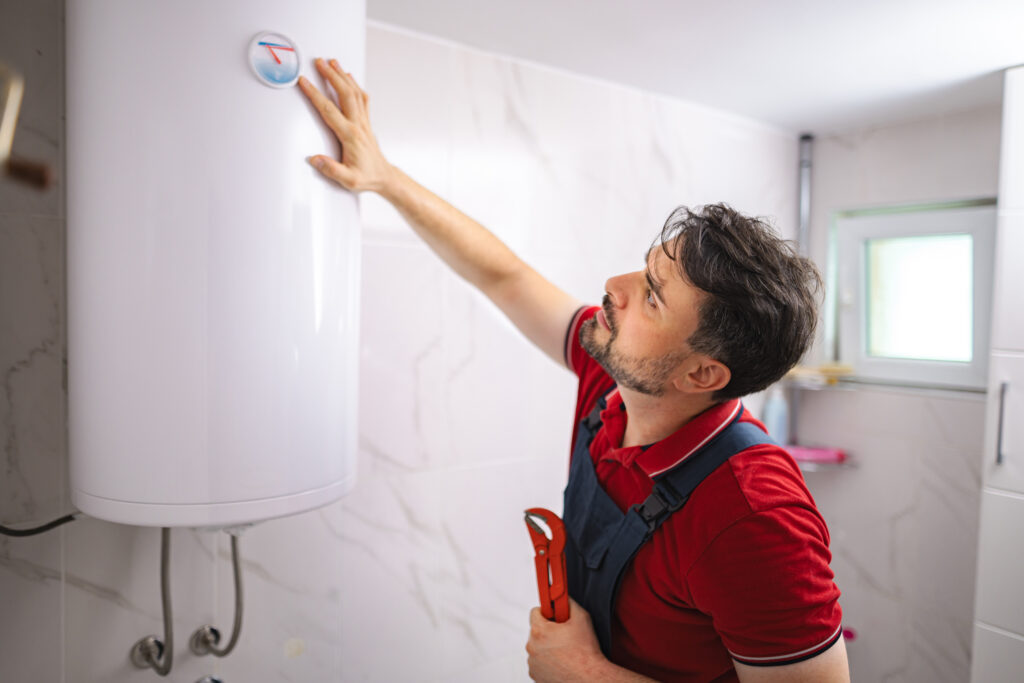
Before diagnosing the problem, it helps to understand the basic mechanics. Most homes have either a traditional tank water heater or a tankless unit. Tank heaters store a set volume of water — typically 40 to 80 gallons — and keep it heated continuously using either gas burners or electric heating elements. When you turn on a hot water tap, heated water flows out and cold water enters the tank to be heated next. Tankless heaters, by contrast, heat water on demand as it passes through the unit. Both systems have thermostats, safety mechanisms, and components that can and do wear out over time. Knowing which type you have is step one in figuring out what went wrong.
The Most Common Reasons Your Hot Water Heater Stops Working
When a water heater fails, the cause usually falls into one of several categories. Some issues are simple fixes. Others require professional repair or full replacement. Here are the most frequently seen culprits:
- Tripped circuit breaker or blown fuse on electric units
- Pilot light outage on gas-powered units
- Faulty thermostat set too low or malfunctioning entirely
- Failed heating element in electric water heaters
- Sediment buildup at the bottom of the tank reducing heating efficiency
- A tripped high-temperature cutoff switch
- Gas supply issues, including a closed valve or service interruption
- A failing or expired anode rod leading to internal tank corrosion
Each of these problems has a distinct set of symptoms. No hot water at all often points to a power or ignition issue. Lukewarm water that runs out quickly typically suggests a failing heating element or a thermostat problem. Water that smells off or looks discolored usually signals sediment buildup or a deteriorating anode rod. Matching the symptom to the cause is where the real troubleshooting begins.
Electric vs. Gas Water Heaters: Why It Matters for Diagnosis
The type of water heater in your home determines which problems are even possible. Electric units rely on one or two heating elements and a thermostat to control temperature. When an element burns out — which happens — the water heater may still function partially, producing some hot water but not nearly enough. Gas units depend on a working pilot light, a functioning thermocouple, and an uninterrupted gas supply. If the pilot light keeps going out, the thermocouple — a small safety sensor — is often the issue. Knowing which fuel source powers your unit will save time and prevent you from checking components that simply do not apply to your system.

What You Can Check Yourself Before Calling a Technician
Not every hot water heater problem requires an immediate service call. There are a handful of things homeowners can safely check on their own before picking up the phone. Start with the obvious — confirm that the unit is receiving power. Check your electrical panel for a tripped breaker and reset it if necessary. For gas units, verify that the pilot light is lit and follow the manufacturer’s instructions to relight it if it has gone out. Check the thermostat setting, which should typically be around 120 degrees Fahrenheit for most households. If those basics check out and nothing has changed, that is a strong sign the issue is internal and warrants professional attention.
Sediment Buildup: The Silent Performance Killer
One of the most common and least discussed causes of hot water heater inefficiency is sediment accumulation. Over time, minerals in the water supply — primarily calcium and magnesium — settle at the bottom of the tank. This layer of buildup acts as an insulator between the heating element and the water above it, forcing the unit to work harder and longer to reach the desired temperature. The result is higher energy bills, slower recovery times, and a significantly shorter lifespan for the appliance overall. Flushing the tank annually is one of the simplest forms of preventive maintenance a homeowner can perform, and it can add years to the unit’s functional life.
Signs Your Water Heater May Need to Be Replaced Entirely
Sometimes the issue is not a single broken component — it is age and cumulative wear. Traditional tank water heaters typically last between eight and twelve years. Tankless units can last significantly longer, often up to twenty years with proper maintenance. If your unit is approaching or has exceeded that range, repairs may only delay the inevitable. Watch for warning signs like visible rust or corrosion on the tank, persistent leaking around the base, water that consistently fails to reach temperature despite component replacements, or strange rumbling and popping noises coming from the unit. At a certain point, replacement is the smarter financial decision compared to ongoing repair costs.
The Financial Reality of Water Heater Repairs and Replacements
Repair costs vary widely depending on the component and the labor rates in your area. Replacing a thermostat or heating element on an electric unit might run a few hundred dollars. A full tank replacement — including installation — can range from eight hundred to over fifteen hundred dollars, sometimes more for larger or tankless systems. Gas unit repairs tend to be slightly more complex and can cost more depending on the work involved. For most homeowners, these are unexpected expenses that were not part of any planned budget. That unpredictability is exactly why many people turn to home warranties to manage the financial risk of appliance and system failures.
How Home Warranties Cover Water Heater Issues
A home warranty is a service contract that covers the repair or replacement of major home systems and appliances when they break down due to normal wear and tear. Most comprehensive home warranty plans include water heater coverage, which can take a significant portion of the financial sting out of an unexpected failure. When something goes wrong, the homeowner contacts the warranty company, a service fee is paid — typically far less than the cost of a repair — and a qualified technician is dispatched to assess and resolve the issue. It is a structured, predictable way to handle unpredictable problems. That said, not all warranties are created equal, and it is worth understanding what is and is not covered before signing up.
Why Armadillo Is Worth Considering for Water Heater Protection
When a water heater fails at the worst possible moment, the last thing any homeowner wants is to navigate confusing contracts, denied claims, or long wait times for service. That is where Armadillo home warranty coverage for water heaters and essential home systems stands apart. Armadillo was built around the idea that home protection should be simple, transparent, and actually useful when it matters most. There are no hidden exclusions buried in fine print, no runaround when you file a claim, and no mystery about what you are paying for. If you are tired of feeling like your appliances are one bad day away from a major expense, now is a good time to get a free home warranty quote and protect your water heater today. Coverage is straightforward, pricing is honest, and the process of getting help when something breaks is refreshingly uncomplicated.

Frequently Asked Questions About Hot Water Heater Problems
Below are answers to the most common questions homeowners ask when their hot water heater stops working as expected.
Why is my water heater running but not producing hot water?
This typically points to a failed heating element in an electric unit or a thermostat that is set too low or has malfunctioned. For gas units, a faulty thermocouple or an extinguished pilot light is often the cause.
How long does it take for a water heater to heat up after it has been reset?
Most standard tank water heaters take between 30 and 45 minutes to fully reheat after being reset or refilled. Larger tanks may take up to an hour depending on the unit’s recovery rate.
Why does my hot water run out so quickly?
A failing lower heating element, significant sediment buildup, or a tank that is undersized for your household’s demand are the most common reasons hot water depletes faster than expected.
Is a leaking water heater always a sign that it needs to be replaced?
Not always. A leaking pressure relief valve or a loose fitting can often be repaired. However, a leak originating from the tank itself usually indicates internal corrosion, which is not repairable and requires full replacement.
What does it mean when my water heater makes a rumbling or popping noise?
Those sounds are a classic sign of sediment accumulation at the bottom of the tank. As water is heated beneath the sediment layer, it bubbles and pops through the buildup. Flushing the tank can resolve this.
Can a tripped breaker cause a water heater to stop working entirely?
Yes. An electric water heater that has lost power due to a tripped breaker will produce no hot water at all. Check your electrical panel first before assuming the problem is internal to the unit.
Does a home warranty cover water heater replacement?
Most standard home warranty plans cover water heater repair and replacement due to normal mechanical wear and tear. Coverage limits and specific terms vary by provider, so reviewing the contract details matters.
How often should a water heater be flushed or serviced?
Flushing the tank once per year is the general recommendation for most homeowners. Annual servicing helps prevent sediment buildup, improves efficiency, and extends the overall lifespan of the unit.
At what age should a water heater be replaced?
Traditional tank water heaters typically have a functional lifespan of eight to twelve years. If your unit is in that range and experiencing repeated issues, replacement is usually the more cost-effective path forward.
What should I do immediately if my water heater is not working?
Check the power source or pilot light first, then verify thermostat settings. If nothing obvious resolves the issue, avoid attempting internal repairs yourself and contact a licensed plumber or your home warranty provider for professional service.