Why Is Your Shower Pressure So Low? Here Is What Is Actually Going On
There is almost nothing more frustrating than stepping into the shower and being greeted by a weak, barely-there stream of water. You are trying to start your morning, and instead you are standing under what feels like a slow drip. Low shower water pressure is one of those household problems that tends to get brushed aside, written off as “just how this shower is,” when in reality, it is often a sign of something fixable — sometimes even something covered under a home warranty plan. Understanding the root causes is the first step toward actually solving it, and that is exactly what this guide is here to do.
What Water Pressure Actually Means in Your Home
Water pressure refers to the force at which water moves through your plumbing system and out of your fixtures. It is measured in pounds per square inch, or PSI. Most homes operate comfortably between 40 and 80 PSI. Anything below 40 PSI and you are going to start noticing the effects — slow-filling appliances, sluggish faucets, and yes, that disappointing shower experience. The pressure entering your home originates from the municipal supply line or, in rural settings, a well system. From there, it travels through a network of pipes, valves, and fixtures, any one of which can become a point of restriction.
The Most Common Reasons for Low Shower Water Pressure
Low pressure in the shower rarely has just one cause. More often than not, it is the result of one or two key issues that have gone unaddressed for some time. Here are the culprits that show up most frequently in residential plumbing situations.
- A clogged or mineral-laden showerhead that restricts water flow
- A partially closed or failing pressure-reducing valve (PRV)
- Corroded or scaled pipe interiors that narrow the flow path
- A faulty shut-off valve near the water meter or main line
- Hot water heater problems affecting warm water pressure specifically
- Simultaneous high water usage throughout the home
- Municipal supply issues or pressure drops from the utility provider
Each of these issues has a different fix, a different cost, and a different level of complexity. Some you can address yourself in under an hour. Others require a licensed plumber and potentially a significant repair bill — which is where having a home warranty in your corner starts to matter quite a bit.
The Showerhead Itself Is Often the First Place to Look
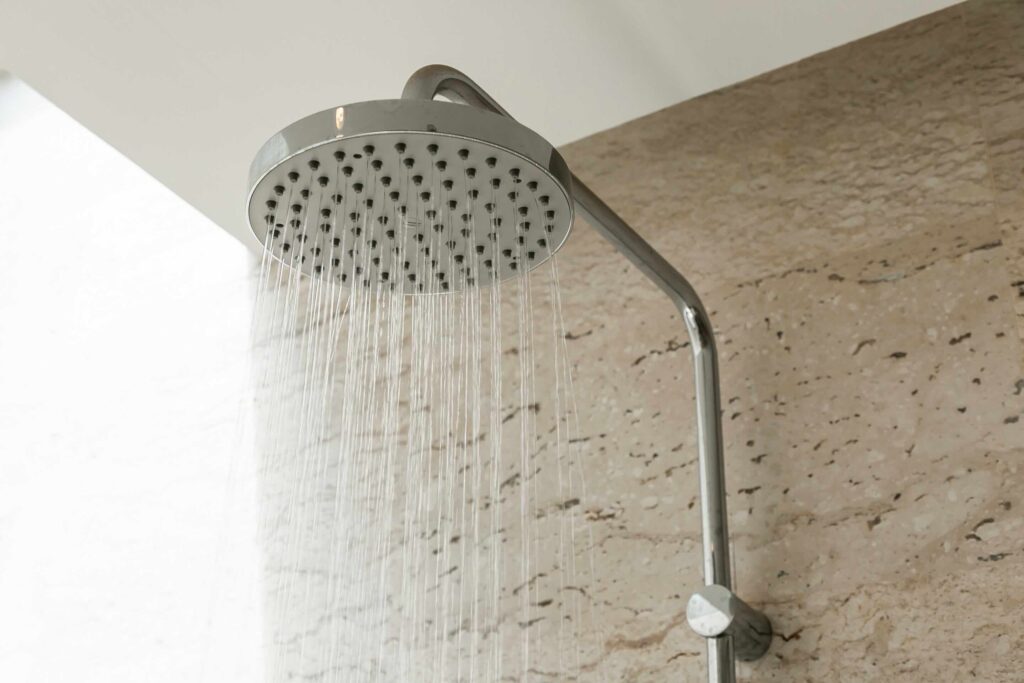
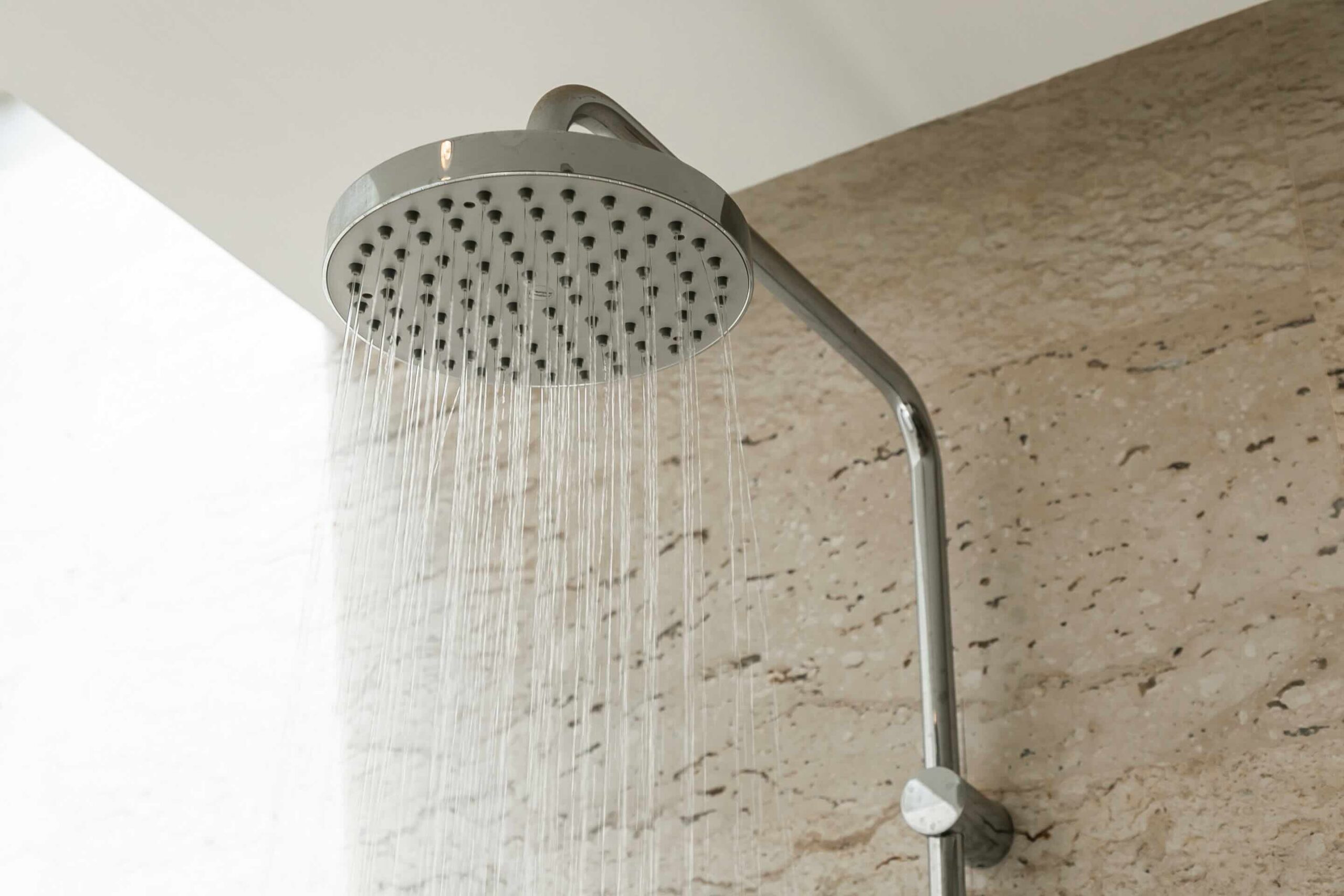
Before calling anyone or panicking about your plumbing system, start with the simplest possible explanation. Showerheads accumulate mineral deposits over time, particularly in areas with hard water. Calcium and limescale build up inside the nozzles and restrict the flow of water, sometimes dramatically. Removing the showerhead and soaking it overnight in white vinegar can dissolve a surprising amount of buildup. If the showerhead is older or heavily clogged, replacing it entirely is an inexpensive fix that often produces an immediate and noticeable improvement in pressure.
Pressure-Reducing Valves and What Happens When They Fail
Most homes built after the 1980s have a pressure-reducing valve installed where the main water line enters the property. This valve is designed to regulate incoming municipal pressure down to a safe and consistent level inside your home. When the PRV starts to fail — and they do fail, typically after 10 to 15 years — it can restrict pressure too aggressively or behave inconsistently. If you are experiencing low pressure in multiple fixtures throughout the house, not just the shower, a failing PRV is a strong candidate. Adjusting or replacing a PRV is a job for a licensed plumber, and the part alone can range from $50 to $200, with labor on top of that.

Pipe Corrosion and Buildup Inside Your Walls
Older homes, particularly those with galvanized steel pipes, are highly susceptible to internal corrosion and scale buildup. Over decades, the interior diameter of these pipes can narrow significantly, reducing the volume of water that can flow through them at any given moment. This kind of pressure loss is gradual, which is why homeowners often do not notice it until the problem is fairly advanced. Repiping a home is one of the more significant plumbing projects a homeowner can face, with costs that can run into the thousands depending on the size of the home and materials used. Catching corrosion-related issues early through routine inspection can help avoid that level of expense.
Hot Water Pressure Versus Cold Water Pressure
Here is something worth paying attention to: if your low pressure issue is isolated to hot water only, your water heater is likely involved. Sediment accumulation inside a tank-style water heater can restrict the flow of outgoing hot water. This is particularly common in heaters that have gone several years without being flushed. The shutoff valve on the cold-water inlet line of the heater may also be partially closed, which can limit hot water output throughout the home. Flushing your water heater annually is one of those maintenance tasks that pays dividends in both pressure and equipment longevity.
When the Problem Is Outside Your Home
Not every pressure issue is something you can fix. Municipal water systems occasionally experience drops in supply pressure, particularly during peak usage hours or following infrastructure work in your area. If you notice that your pressure is low at certain times of day but normal at others, contact your utility provider to ask whether there are known supply issues in your area. Similarly, if you are on a well system, a failing well pump or a waterlogged pressure tank can cause noticeable fluctuations in household water pressure. Well pump issues in particular tend to worsen gradually before failing completely.
What a Home Warranty Can and Cannot Cover
This is where the home warranty conversation becomes genuinely useful. A home warranty plan is a service contract that covers the repair or replacement of major home systems and appliances when they break down due to normal wear and use. Depending on your specific plan, coverage for plumbing systems can include things like the pressure-reducing valve, interior supply lines, and water heater components — all of which are directly tied to shower pressure issues. What a home warranty typically does not cover includes pre-existing conditions, cosmetic fixtures like the showerhead itself, or damage caused by lack of maintenance. Understanding what is and is not covered before a problem occurs is what separates a homeowner who is prepared from one who is caught off guard.
Why Armadillo Is the Right Partner When Your Plumbing Starts Acting Up
When low shower pressure turns out to be a symptom of something deeper — a failing PRV, a corroded supply line, a water heater on its way out — the repair bills can escalate quickly. That is the moment when having a reliable home warranty plan shifts from a nice-to-have to an absolute relief. Armadillo was built specifically for homeowners who want straightforward coverage without the fine print headache. If you are looking for a home warranty plan that covers plumbing systems and water heater repairs, Armadillo offers transparent, no-surprise coverage designed around how homes actually break down. Getting started takes minutes, and if you are ready to stop wondering what a repair might cost out of pocket, you can get a free home warranty quote for low water pressure and plumbing coverage right now. Protecting your plumbing system before the next problem surfaces is always a smarter move than reacting after the fact.

Frequently Asked Questions About Low Shower Water Pressure
Homeowners dealing with low shower pressure tend to have a lot of the same questions. Here are clear, direct answers to the ones that come up most often.
Why does my shower have low water pressure but other faucets seem fine?
If the pressure issue is isolated to your shower, the most likely causes are a clogged showerhead, a flow restrictor inside the showerhead assembly, or a problem specific to that fixture’s supply line or valve.
Can a home warranty cover low water pressure repairs?
Yes, depending on the plan. Home warranties that include plumbing system coverage can cover the repair or replacement of components like pressure-reducing valves, supply line issues, and water heater parts that contribute to pressure problems.
How do I know if my pressure-reducing valve is the problem?
If low pressure affects multiple fixtures throughout the home rather than just one, and your home has a PRV, that valve is a strong suspect. A licensed plumber can test the valve output directly to confirm whether it needs adjustment or replacement.
What PSI is considered normal for a residential home?
Normal household water pressure falls between 40 and 80 PSI. Pressure below 40 PSI is generally considered low, while anything above 80 PSI can stress your pipes and fixtures over time.
Does a water heater affect shower pressure?
Yes. Sediment buildup inside a tank-style water heater can restrict outgoing hot water flow. If your cold water pressure is fine but hot water pressure is noticeably weaker, your water heater is a logical starting point for diagnosis.
How often should I flush my water heater to prevent pressure issues?
Most plumbers recommend flushing a tank-style water heater once per year to remove sediment accumulation. In areas with particularly hard water, flushing every six months may be more appropriate.
Will cleaning my showerhead actually improve water pressure?
In many cases, yes. Mineral deposits inside showerhead nozzles can significantly restrict flow. Soaking the showerhead in white vinegar overnight dissolves calcium and limescale buildup, and replacing an old showerhead entirely is often an inexpensive and effective fix.
Can old pipes cause low water pressure throughout my home?
Absolutely. Galvanized steel pipes common in older homes corrode from the inside over time, narrowing the diameter through which water can flow. This leads to progressively worsening pressure and may eventually require partial or full repiping.
Is low water pressure in the shower dangerous?
Low pressure itself is not dangerous, but it can be a symptom of underlying plumbing issues — such as pipe corrosion or a failing valve — that could cause more serious problems if left unaddressed. It is worth investigating rather than ignoring.
How can I check if my main shutoff valve is causing low pressure?
Locate your main water shutoff valve, typically found where the supply line enters your home. If it is not fully open, even a partially closed position can reduce pressure throughout the house. Turn it fully counterclockwise to ensure it is completely open and recheck your pressure.