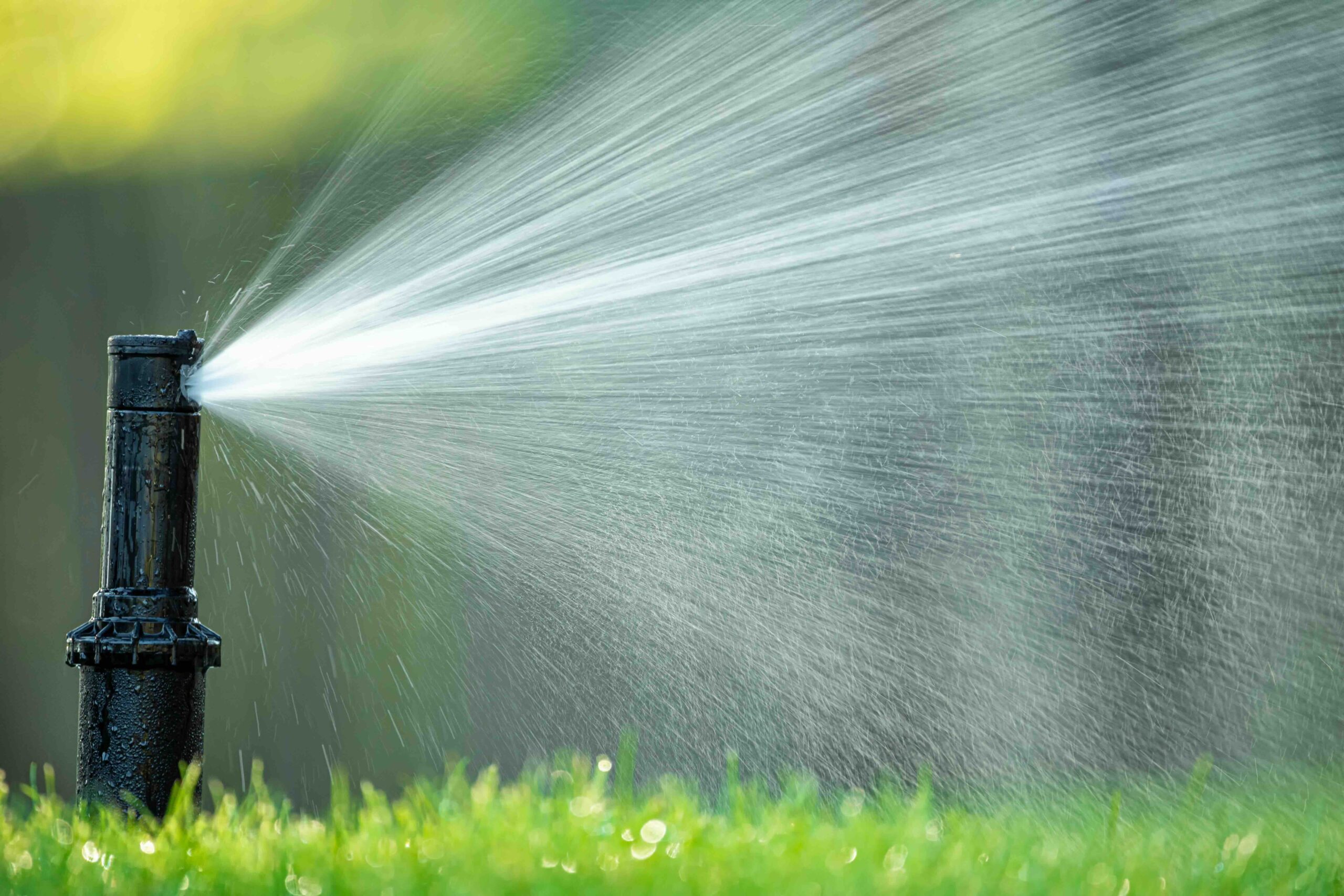
Why Is My Sprinkler System Leaking — And What Can You Do About It?
A leaking sprinkler system is one of those problems that sneaks up on you. One day the lawn looks great, and the next you are standing in a soggy patch of grass wondering what went wrong. Sprinkler leaks are actually more common than most homeowners realize, and they range from minor annoyances to genuine water-wasting, property-damaging headaches. Understanding what causes these leaks, how your irrigation system actually works, and what your options are for fixing or preventing the problem — that is where smart homeownership starts.
How a Home Sprinkler System Actually Works
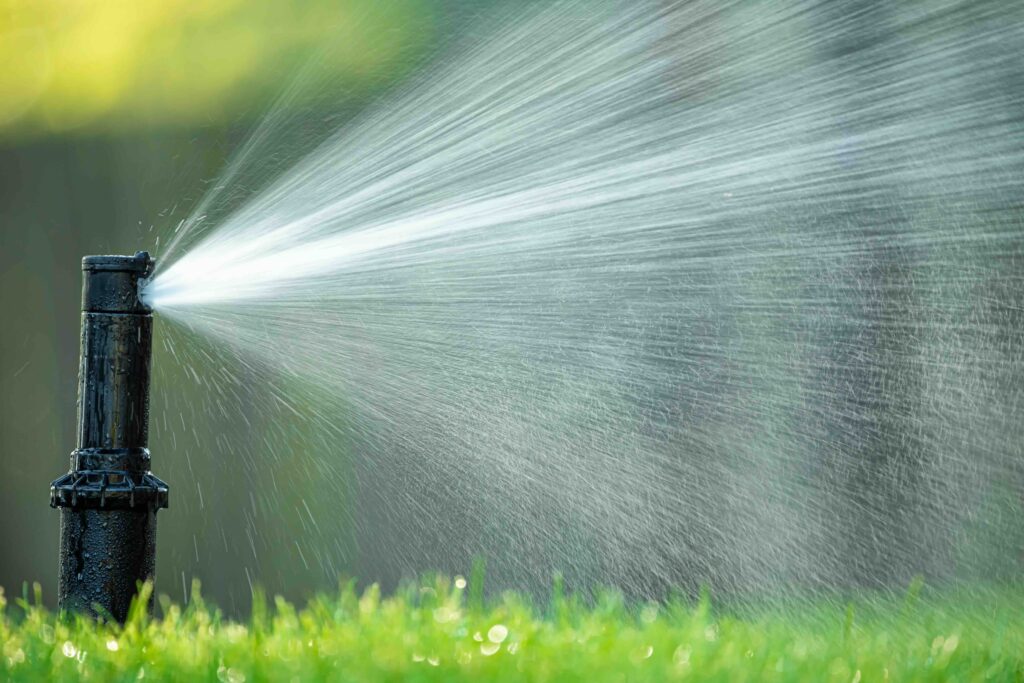
Before diving into what goes wrong, it helps to understand what is supposed to go right. A residential irrigation system is made up of a network of underground pipes connected to a water supply line, controlled by a timer or smart controller, and divided into zones. Each zone has its own set of sprinkler heads that pop up when the zone is activated and retract when the cycle ends. A backflow preventer keeps irrigation water from contaminating your drinking supply, and zone valves regulate the flow of water to each section. When every component is working as designed, your lawn gets consistent, efficient watering without you having to think about it. The moment one piece of that system fails, though, water has a way of going exactly where you do not want it.
The Most Common Causes of Sprinkler Leaks
Leaks can originate from several different points in the system, and identifying the source is the first step toward fixing it. Some causes are straightforward. Others require a little more investigation.
- Worn or cracked sprinkler heads that no longer seal properly after retracting
- Damaged zone valves that fail to fully close when a cycle ends
- Cracked or separated underground pipes caused by ground movement, freezing temperatures, or root intrusion
- Faulty diaphragms inside the valve housing, which leads to a condition called low-head drainage
- Loose fittings at connection points throughout the system
- Backflow preventer damage, especially after a hard freeze
Low-head drainage is worth explaining on its own because it gets misdiagnosed constantly. This happens when water continues to drain out of the lowest sprinkler heads in a zone after the system shuts off. It looks like a leak, and technically it is, but it is caused by gravity pulling residual water through a valve that is not sealing correctly — not necessarily a broken pipe. Recognizing the difference saves a lot of unnecessary digging.
Signs Your Sprinkler System Has a Leak
Not all sprinkler leaks announce themselves dramatically. In fact, slow leaks can go unnoticed for weeks. Keep an eye out for these indicators that something is off with your irrigation system. Unusually high water bills without a clear explanation are often the first clue. Soggy or muddy areas in the yard that stay wet between watering cycles are another red flag. Patches of grass that are noticeably greener or taller than surrounding areas may indicate a slow underground leak feeding that section. If your sprinkler heads are spraying at odd angles or producing uneven patterns, the head itself may be cracked or clogged. And if water continues to pool near a sprinkler head long after the system has cycled off, that is a strong indicator of valve or diaphragm failure.
What Happens If You Ignore a Sprinkler Leak
This is the part that surprises a lot of homeowners. A leaking irrigation system is not just a lawn care problem — it can become a structural one. Persistent water pooling near your foundation can work its way into crawl spaces or basements over time. Saturated soil near outdoor structures like patios, driveways, or retaining walls can cause settling, cracking, and long-term damage. On top of that, even a moderately leaking irrigation system can waste thousands of gallons of water per year, which translates directly into higher utility bills. Fixing a leak promptly is almost always cheaper than dealing with what happens if you let it run unchecked.

Can You Fix a Sprinkler Leak Yourself?
Some sprinkler repairs are genuinely DIY-friendly. Replacing a damaged sprinkler head, for example, is often as simple as unscrewing the old one and threading in a new one — parts are widely available and relatively inexpensive. Adjusting the spray pattern, clearing a clogged nozzle, or resetting a timer-based controller are also tasks most homeowners can handle without professional help. Where things get more complicated is underground. Locating and repairing a pipe leak beneath the surface requires knowing where your lines run, digging carefully, and making a watertight repair that will hold up over time. Valve and backflow preventer repairs also tend to require a bit more technical knowledge. If you are not confident about the source of the leak or the repair itself, calling a licensed irrigation specialist is the right call.
Preventive Maintenance That Actually Makes a Difference
A little attention before problems develop goes a long way with irrigation systems. Seasonal maintenance is one of the most effective things you can do. In colder climates, winterizing your system — which involves blowing out residual water with compressed air before the first hard freeze — prevents the kind of pipe and valve damage that results in spring leaks. Checking sprinkler heads for physical damage after mowing season is another simple habit that catches issues early. Testing each zone at the start of the season gives you a live look at how the system is performing and where problems may be developing. Inspecting the backflow preventer annually and replacing worn valve diaphragms proactively are also worth adding to your maintenance routine.
The Cost of Sprinkler Repairs: What to Expect
Repair costs vary widely depending on the type of issue and where you live. Replacing a sprinkler head typically runs between twenty and seventy-five dollars, including parts and labor. Valve repairs or replacements usually land in the one-hundred to two-hundred-fifty dollar range. Underground pipe repairs are more expensive, generally starting around two hundred dollars and climbing depending on the depth and length of the damaged section. Backflow preventer replacement tends to fall between one hundred and three hundred dollars. These costs can add up quickly, especially if your system experiences multiple issues in the same season, which is not uncommon as systems age.
How Home Warranties Factor Into Sprinkler System Coverage
Here is something a lot of homeowners do not know until they need it: some home warranty plans include coverage for built-in irrigation systems. Coverage specifics vary by provider and plan tier, so it is worth reading the fine print carefully. Generally, a home warranty that covers sprinkler systems will address mechanical failures of the components themselves — things like valve failures, wiring issues tied to the controller, or internal component breakdowns. What is typically excluded includes damage caused by freezing, physical damage from landscaping, or issues that result from lack of maintenance. Understanding what is and is not covered before something breaks is far better than finding out at the moment you need to file a claim.
Why Armadillo Is Worth Considering for Irrigation System Protection
When your sprinkler system starts leaking or a zone valve goes out, the last thing you want to worry about is whether you can afford the repair bill. That is exactly where a home warranty from Armadillo home warranty coverage for irrigation and sprinkler systems makes a real difference. Armadillo was built around the idea that homeownership should feel secure, not stressful, and their plans are designed to cover the systems that actually keep your home functioning — including built-in components that other providers tend to overlook. If you have been putting off exploring home warranty options because the process feels complicated, it does not have to be. You can get a free home warranty quote to protect against costly sprinkler system repairs in just a few minutes, with no pressure and no confusing fine print to wrestle with. Protecting your home starts with knowing what you have covered before the next leak shows up.

Frequently Asked Questions About Sprinkler System Leaks
Answers to the questions homeowners ask most often about leaking irrigation systems, repair options, and home warranty coverage.
Why does water keep coming out of my sprinkler heads after the system turns off?
This is almost always a case of low-head drainage. Water is draining from the lowest heads in a zone by gravity after the valve closes. It usually means the valve diaphragm is worn and not creating a full seal. Replacing the diaphragm or the entire valve assembly typically resolves the issue.
How do I find an underground sprinkler leak?
Look for wet spots, unusually green patches of grass, or areas where the soil stays soft between watering cycles. You can also turn the system on and watch for areas where water is bubbling up from the ground rather than from a sprinkler head. For precise location, a professional may use pressure testing or ground-penetrating tools.
How much water can a leaking sprinkler system waste?
A single leaking zone valve can waste between six thousand and ten thousand gallons of water per month depending on the water pressure and the severity of the leak. Over a full season, this adds up to a significant and unnecessary spike in your water bill.
Can freezing temperatures damage my sprinkler system?
Yes. Water that remains in underground pipes or valve housings during a hard freeze can expand and crack those components. This is why winterizing an irrigation system — typically by blowing out the lines with compressed air — is a critical maintenance step in colder climates.
Is a sprinkler leak covered by homeowners insurance?
Standard homeowners insurance generally does not cover irrigation system repairs resulting from wear, age, or mechanical failure. It may cover water damage to your home caused by a sudden and accidental event, but the repair of the sprinkler system itself typically falls outside the scope of a homeowners policy.
Does a home warranty cover sprinkler system repairs?
Some home warranty plans do include coverage for built-in irrigation systems, though it varies by provider and plan. Coverage generally applies to mechanical and electrical component failures. Damage from freezing, physical impact, or neglected maintenance is commonly excluded.
How long does a residential sprinkler system typically last?
A well-maintained irrigation system can last twenty years or more. Individual components like sprinkler heads and valve diaphragms may need replacement sooner, especially in areas with extreme temperature swings or high-mineral water that causes buildup over time.
What is the difference between a zone valve failure and a broken sprinkler head?
A broken sprinkler head typically causes visible issues like uneven spray, water spraying sideways, or water pooling directly around that head. A zone valve failure usually results in an entire zone not shutting off properly, causing persistent drainage or multiple heads in the same zone to exhibit issues simultaneously.
Should I repair or replace my sprinkler system if it keeps leaking?
If your system is less than fifteen years old and leaks are isolated to specific components, repair is almost always the more cost-effective choice. If the system is older, leaks are recurring across multiple zones, and pipes are showing signs of widespread deterioration, a full replacement may be the more practical long-term investment.
How often should a sprinkler system be professionally inspected?
Most irrigation professionals recommend a full system inspection once per year, ideally at the start of the watering season. In climates that require winterization, a second visit at season’s end for blowout service is also a good practice to protect the system from freeze damage.