Why Is Your Ductwork Sweating and What Can You Do About It?
You head down to the basement or crawl space, maybe to grab something out of storage, and you notice it right away. The metal ductwork running through your home looks wet. Not just dusty or dirty, but visibly damp, maybe even dripping. That is not a plumbing leak. That is condensation, and it is more common than most homeowners realize. Ductwork sweating happens when warm, humid air meets the cold surface of air conditioning ducts, and the result can cause real damage to your home if it goes ignored. Understanding what causes it, how to address it, and what preventative steps to take can save you from a much bigger headache down the road.
What Does It Mean When Ductwork Sweats?
Ductwork sweating, sometimes called duct condensation, is essentially the same process that makes a cold glass of water bead up on a hot summer day. When warm, moisture-laden air comes into contact with a cold surface, the moisture in the air converts from vapor into liquid water. Your air ducts, especially those carrying cold conditioned air through unconditioned spaces like attics, basements, or crawl spaces, are prime candidates for this kind of surface condensation. The temperature differential between the duct surface and the surrounding air creates the perfect setup for water to form, collect, and eventually drip. It is a physics problem showing up inside your home, and it is worth taking seriously.
The Most Common Causes of Sweating Ductwork
There is rarely just one single reason why ductwork starts to sweat. Usually it is a combination of factors working against you at the same time. Getting familiar with these causes helps you target the actual problem rather than just treating the visible symptom.
- High indoor or outdoor humidity levels creating excessive moisture in the surrounding air
- Insufficient or deteriorating duct insulation that allows the duct surface to get too cold
- Poor ventilation in spaces like attics, crawl spaces, or basements where ducts are located
- An oversized air conditioning system that drops temperatures too quickly and too low
- Air leaks in the duct system itself, allowing cold air to escape and cool surrounding surfaces
- Blocked or undersized return air vents that disrupt proper airflow balance
Where Sweating Ductwork Causes the Most Damage
The water does not just sit there looking unpleasant. Over time, condensation buildup on ductwork can cause serious structural and air quality issues throughout your home. Wood framing and subflooring near dripping ducts can absorb moisture and begin to rot. Insulation batts can become saturated and lose their effectiveness entirely. The bigger concern for many homeowners is mold growth, which can establish itself quickly in damp, dark spaces like crawl spaces and attics. Mold spores can then circulate through the duct system and into your living areas, creating respiratory issues and expensive remediation problems. Catching and addressing duct sweating early is not optional, it is a health and structural issue.

How to Diagnose the Severity of the Problem
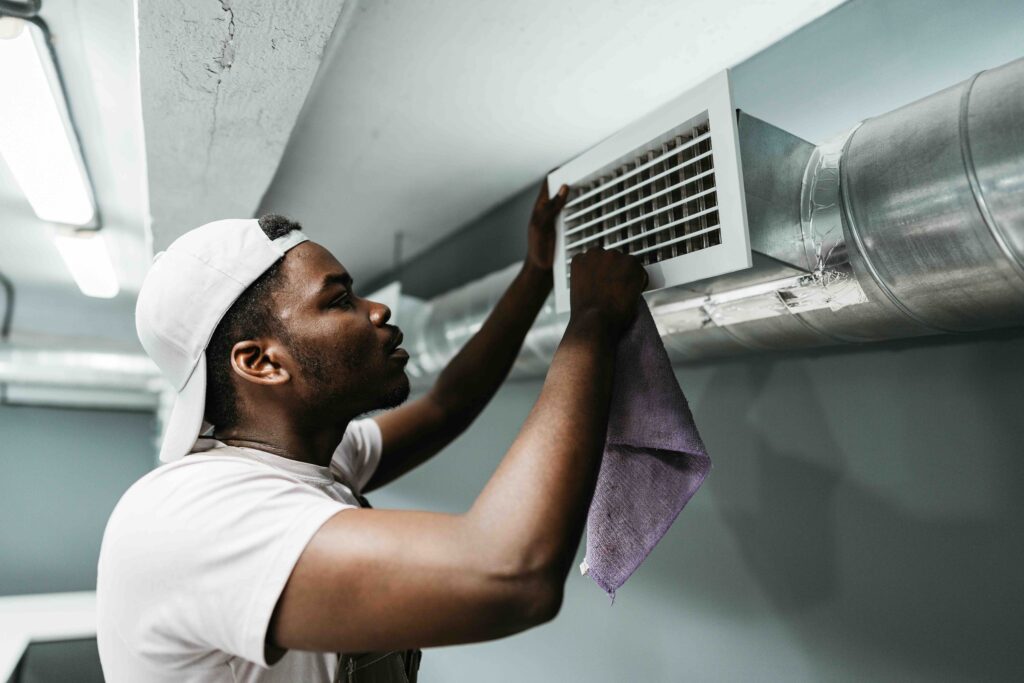
Before you call anyone or buy anything, take a walk through the spaces where your ductwork runs. Look for visible water droplets or wet spots on the duct exterior. Check the insulation wrapped around your ducts for discoloration, compression, or a soggy texture. Look at the surrounding wood, drywall, or flooring materials for water staining or soft spots. If you notice a musty smell in certain rooms, that is another strong signal that moisture is already creating secondary issues. A moderately hands-on homeowner can do this initial assessment independently, but anything involving mold or significant structural dampness should involve a professional inspection before you proceed with repairs.
Practical Solutions for Stopping Ductwork Condensation
The good news is that most causes of duct sweating are correctable. The approach you take depends on what is driving the problem in your specific home and climate.
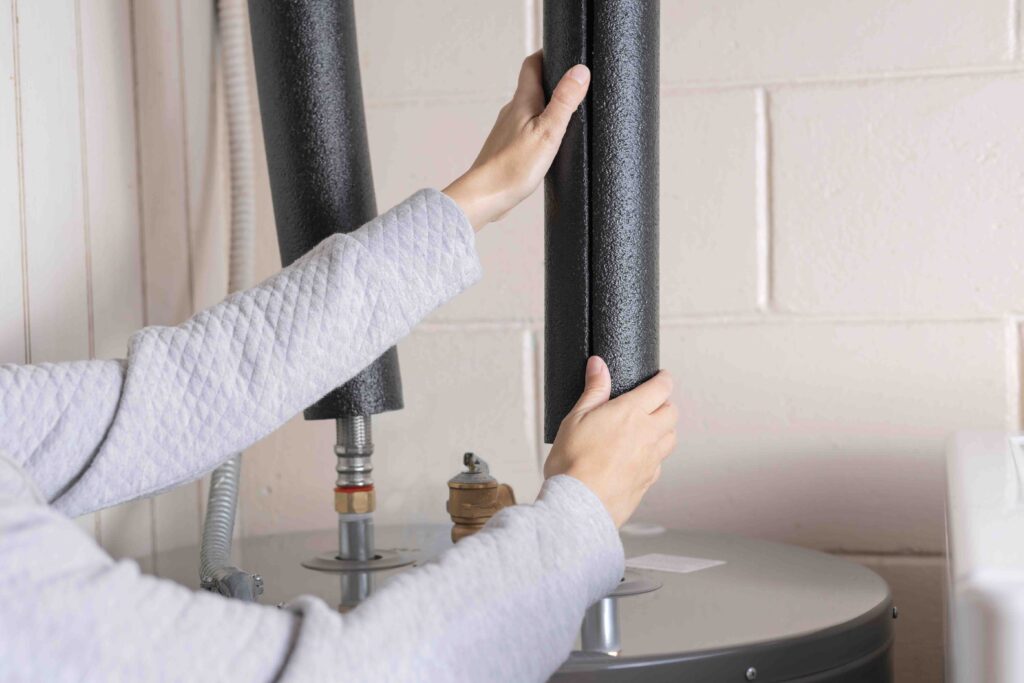
- Re-wrapping or upgrading duct insulation using foil-faced or closed-cell foam products rated for your climate zone
- Sealing air leaks in the duct system with mastic sealant or metal-backed tape to prevent cold air from escaping
- Installing a whole-home dehumidifier to reduce ambient moisture levels in high-humidity regions
- Improving ventilation in attics and crawl spaces to reduce temperature and humidity differentials
- Having your HVAC system evaluated for proper sizing, since oversized equipment is a surprisingly common culprit
- Adding vapor barriers in crawl spaces to limit ground moisture from entering the air below your home
The Role of HVAC Maintenance in Preventing Duct Sweating
Routine HVAC maintenance plays a larger role in preventing duct condensation than most homeowners expect. When filters are dirty, airflow becomes restricted, which causes the evaporator coil to drop to extreme temperatures. That extra cold makes the duct system run colder than it should, worsening the temperature differential that causes sweating. Keeping up with filter changes, annual coil cleaning, and refrigerant level checks helps your system operate within its intended parameters. An HVAC technician doing a seasonal tune-up should also be examining ductwork for signs of insulation wear and air leaks. Prevention through maintenance is almost always cheaper than repair after the fact.
When Ductwork Sweating Becomes a Warranty-Relevant Issue
This is where things get a little nuanced for homeowners with a home warranty plan. The ductwork itself, meaning the metal or flexible tubing that distributes conditioned air throughout your home, is often covered under a home warranty as part of the HVAC system. If a duct section fails structurally or a connection point separates, that kind of repair can fall within covered territory. However, damage caused by condensation over time, such as water-damaged insulation or mold remediation, typically falls outside standard warranty coverage because it is classified as a maintenance-related condition rather than a mechanical failure. Knowing this distinction helps you stay proactive rather than waiting and hoping a warranty claim will cover deferred maintenance.
Climate and Geography Matter More Than You Think
Where you live has a significant influence on how prone your home is to ductwork sweating. Homeowners in humid southern states, coastal regions, and areas with warm, wet summers deal with this issue far more frequently than those in dry climates. If your home was built with ductwork running through unconditioned attic space, which is an extremely common construction choice in warm-climate regions, you are already starting with a higher-risk setup. In those cases, upgrading duct insulation to a higher R-value than code minimum is often worth the investment. Some homeowners in especially humid areas even choose to have their ductwork moved inside conditioned space during major renovations, which eliminates the problem at its root entirely.
Why Armadillo Home Warranty Has Your Back When Your HVAC Acts Up
Dealing with ductwork issues is stressful enough without having to wonder whether you can afford the repair bill on top of it. That is exactly where having the right home warranty coverage changes everything. Armadillo home warranty plans for HVAC systems and ductwork are designed with real homeowners in mind, covering the mechanical failures that catch you off guard and hit hardest when your budget is already stretched. When your air conditioning system develops a problem that leads to abnormal duct behavior, or when a covered component fails and needs professional attention, Armadillo connects you with vetted technicians and handles the process without the usual runaround. If you have been putting off getting covered because you were not sure what was included, now is a good time to take a closer look and get a free home warranty quote for HVAC and duct system protection that fits your home and your budget.

Frequently Asked Questions About Ductwork Sweating
Here are answers to the most common questions homeowners have about duct condensation, what causes it, and how to address it effectively.
Is sweating ductwork a serious problem or just cosmetic?
It is a serious problem. While it may look like a minor surface issue at first, sustained duct condensation can lead to mold growth, structural wood damage, and degraded insulation performance, all of which carry significant repair costs and potential health risks.
How do I know if my ductwork is sweating or if I have a plumbing leak?
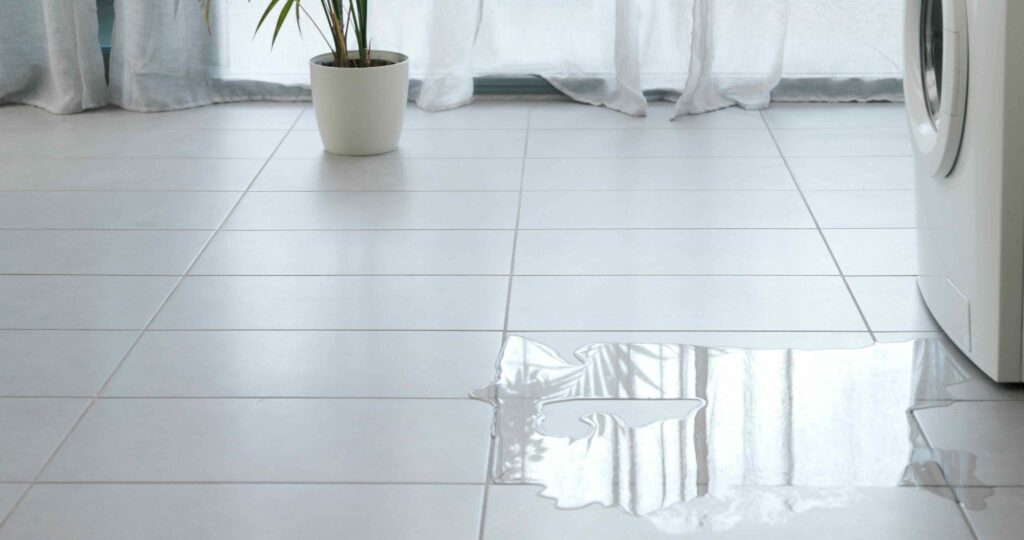
Duct condensation typically appears as a uniform film of moisture or beading on the exterior of the duct surface, especially during cooling season. A plumbing leak usually presents as dripping from a specific point and may be accompanied by water staining or pooling that does not correlate with HVAC operation.
Does duct insulation really make a difference?
Yes, significantly. Properly rated duct insulation creates a thermal barrier that keeps the duct surface temperature from dropping low enough to cause condensation. Aging or insufficient insulation is one of the primary contributors to sweating ductwork.
Can I fix sweating ductwork myself or do I need a professional?
Minor insulation upgrades and sealing small air leaks are tasks a capable homeowner can handle. However, if there is already mold present, if the ductwork runs through difficult-to-access areas, or if an HVAC sizing issue is involved, professional assessment and repair is the safer and more effective route.
What type of insulation is best for preventing duct condensation?
Closed-cell foam insulation and foil-faced duct wrap are both highly effective options. The right R-value depends on your climate zone, so consulting with an HVAC professional or insulation contractor for your specific region is recommended.
Does ductwork sweating only happen in summer?
Condensation is most common during the cooling season when ducts carry cold air through warm, humid spaces. However, it can also occur in winter in certain configurations, particularly when warm humid air contacts cold duct surfaces in poorly sealed or ventilated attic spaces.
Will a home warranty cover damage caused by sweating ductwork?
Standard home warranty plans typically cover mechanical failures of HVAC components, including ductwork system failures. Damage resulting from condensation over time, such as water-damaged materials or mold, is usually categorized as a maintenance issue and falls outside standard coverage terms.
How does an oversized air conditioner contribute to duct sweating?
An oversized AC unit cools the air too rapidly, causing the system to run in short cycles. This leads to excessively cold duct temperatures and higher indoor humidity because the unit does not run long enough to properly dehumidify the air, both of which increase condensation risk.
Can a whole-home dehumidifier solve the problem entirely?
A whole-home dehumidifier can dramatically reduce condensation risk by lowering ambient moisture levels, but it works best as part of a broader solution. Combining dehumidification with proper duct insulation and air sealing provides the most comprehensive protection against sweating ductwork.
How often should I inspect my ductwork for condensation issues?
A visual inspection at the start of cooling season each year is a reasonable baseline. Homeowners in high-humidity climates or with older insulation should inspect more frequently and schedule professional HVAC maintenance annually to catch developing issues early.