Understanding Why There’s a Light Bulb in Your Freezer — And What It Means for Homeowners
It’s not something you think about every day, nor is it something most homeowners notice until it stops working: the tiny light inside your freezer. Often overlooked, this small appliance feature plays a surprisingly important role in the performance of your freezer — and, by extension, your overall food safety and energy efficiency. As a homeowner, understanding the function, benefits, and maintenance needs of your freezer’s internal lighting — as well as its potential drawbacks — can help you make more informed decisions about appliance care and protection. While its presence may seem like an afterthought, the freezer light is part of a highly integrated electrical system that shouldn’t be ignored, especially when considering coverage under a home warranty. Let’s take a look, from the inside out.
What Is a Freezer Light and How Does It Work?
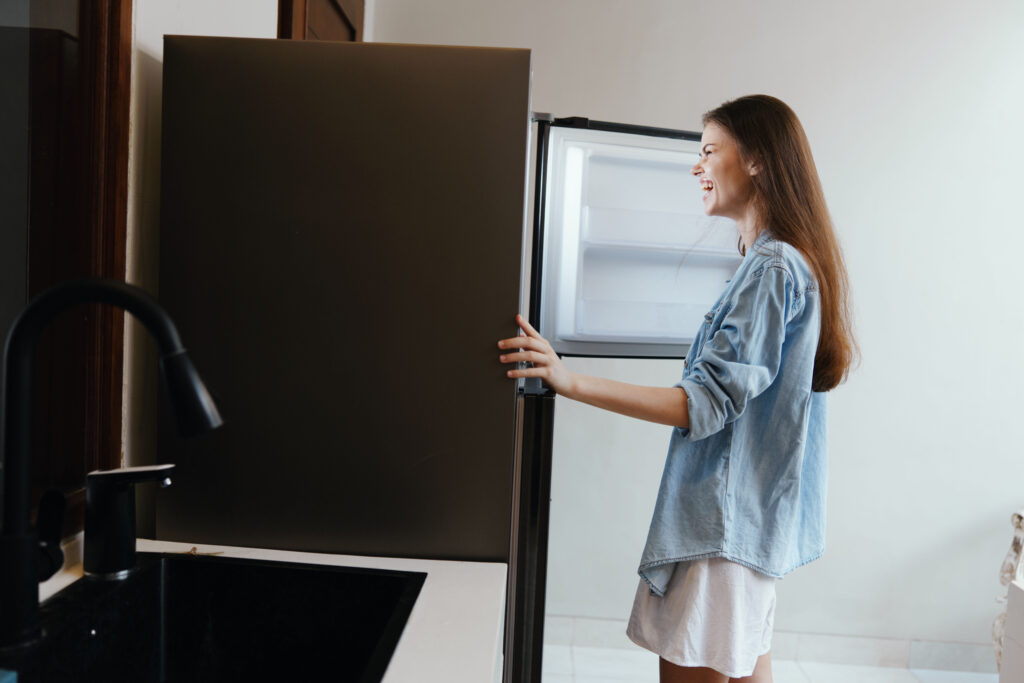
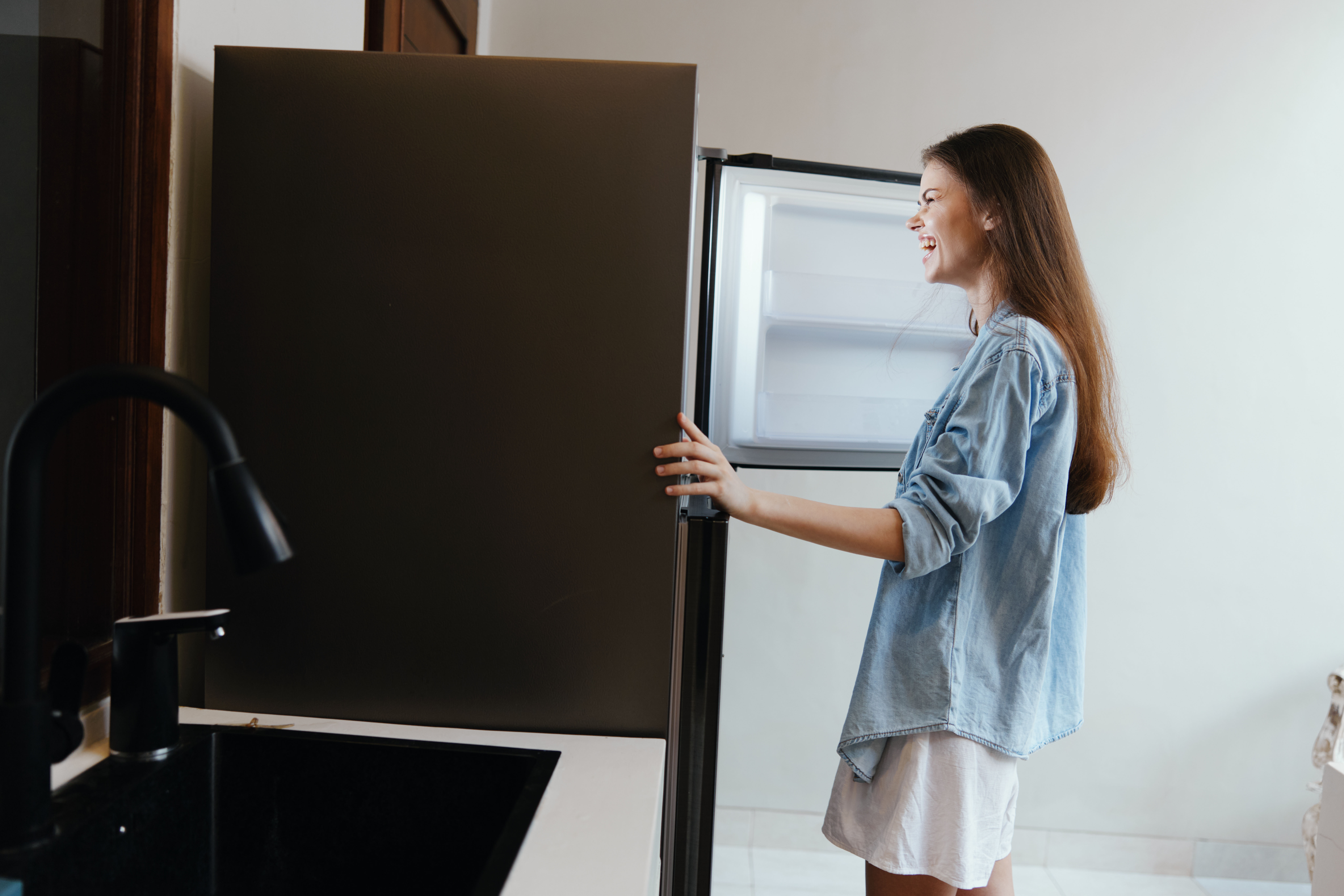
The freezer light is a small but vital internal fixture, often an LED or older-style incandescent bulb, designed to illuminate the interior of the freezer when the door opens. It works in coordination with a door-sensitive switch, typically spring-loaded, that triggers the light to turn on and off automatically. Although simple in theory, this circuit serves a dual purpose — making food visible while also providing feedback to indicate proper door function.
When the freezer door is fully closed, the switch is compressed, breaking the circuit and shutting off the light. Open the door, and the circuit completes, illuminating the bulb. This immediate response helps prevent food spoilage by ensuring the door doesn’t remain unknowingly ajar. In newer models, especially those with smart technology, the freezer light may even be tied into wider system diagnostics. Dim lights or flickering could be a harbinger of electrical inconsistencies, indicating a deeper appliance malfunction in need of attention.
Why Homeowners Should Pay Attention to the Freezer Light
If you’ve ever tried to find a specific frozen item late at night, you’ve probably felt grateful for that little bulb—if it’s working. But functionally, the light delivers more than visibility. It serves as a maintenance signal. When the light fails, it may suggest a burned-out bulb. More critically, it can hint at electrical wiring wear or a door seal misalignment that allows cold air to escape, forcing your unit to work harder. Left unresolved, seemingly minor lighting failures can reduce your freezer’s longevity and increase energy bills.
From a home system management point of view, the freezer’s internal light is part of the broader network of electrical and cooling components, many of which are covered in home warranty plans. If your freezer light fails regularly, it could point to voltage inconsistencies, worn relays, or even age-related wear to the lighting circuit—issues that might be included under major appliance protection depending on your plan details.
Advantages of an Operational Freezer Light
Seeing clearly into your freezer isn’t just convenient—it helps significantly with food organization, inventory management, and door operation awareness. A functioning light prevents you from unnecessarily exposing the appliance to warmer air while hunting for items, allowing the condenser and compressor to work less intensively. Over time, that can mean lower energy costs and longer equipment lifespan.
For homeowners managing multiple household systems, this seemingly mundane feature can play into food safety as well. A light that stops working may cause you to leave the door open longer as you search for ingredients, which can allow partial thawing. Not all thawing resets are obvious in packed freezers, potentially putting your household at risk. Identifying functional issues early, such as a delayed lighting response, helps avoid these risk factors.
Common Light Bulb Freezer Problems
Despite their small size, freezer light issues can cascade into greater problems. The most frequent issue is a burned-out bulb, which can usually be replaced by the homeowner with a compatible part the manufacturer specifies. However, if a new bulb doesn’t restore illumination, the culprit might be a faulty door switch, internal wiring, or even a control board failure in newer units.
Condensation and temperature extremes in the freezer environment can also foster corrosion around connectors or compromise protective casings, particularly in older units. Another growing issue involves LED bulb failures in newer models. Although marketed as long-lasting, LEDs in a cold environment can become brittle over time and require specific replacements not always found in local hardware stores. In these cases, troubleshooting often escalates and may warrant professional diagnosis covered under a qualified home warranty.
Maintenance and Replacement Considerations
Homeowners can extend the life of their freezer light—and preempt diagnostic headaches—through mindful care. Access the bulb only when the unit is safely unplugged. Check the user manual for detailed placement and method to unscrew or unclip protective covers. Always use manufacturer-approved bulbs, especially in high-efficiency or ENERGY STAR freezers. Installing a bulb with a higher wattage than recommended can damage internal wiring, risking broader component failure.
Dust and debris can also accumulate in the socket or near the switch. A dry cloth can address superficial debris buildup, but if discoloration or charring appears on the socket casing, stop use immediately and schedule a service call. A home warranty can cover parts and labor costs as part of appliance protection, reducing your out-of-pocket spending while resolving the issue professionally.
When a Light Bulb Indicates a Bigger Problem
If your freezer light flickers, turns on unexpectedly, or glows dimly even when the door is closed, these could all be early warnings of electrical inconsistencies. Sometimes, electrical surges send inconsistent currents to minor components like the light, which are often the first to subtly fail. In smart models, the appliance interface may display an alert regarding internal malfunction, in which case the issue is likely beyond the bulb alone.
Moreover, the bulb area can sometimes develop moisture—a sign that insulation within the door may be failing, a defrost cycle is misfiring, or that warm air is entering the compartment. Any of these issues not only affect freezer performance but can threaten food safety, energy consumption, and appliance health in the long term. Diagnostics involving these concerns are capable of being addressed through home warranty claims when covered under the appropriate appliance protection plan.
Smart Lighting and the Future of Appliance Diagnostics
Modern upgrades are expanding what the freezer light can do. Some manufacturers now include internal lighting as part of ambient sensor systems that assess temperature consistency or user habits to optimize energy use. By learning light on/off behavior patterns, the system can even alert homeowners to repeated quick openings that affect cooling efficiency. If your home is evolving into a smart home, then your freezer isn’t far behind.
This evolution makes understanding each element of your appliance critical—not just from a functional standpoint, but from a risk-protection one. As internal features like lighting grow more embedded into diagnostics, homeowners increasingly benefit from having broad-spectrum appliance coverage through a dependable home warranty plan that can respond to both hardware and smart tech issues.
Why It Matters and Why Armadillo Is Your Best Option
Recognizing that even the small light in your freezer plays a larger role in your appliance’s health emphasizes the value of comprehensive home protection. Whether it’s replacing a faulty switch, diagnosing complex wiring behavior, or addressing a deeper cold-air retention problem, coverage can make the difference between a quick service call and a frustrating repair bill. With Armadillo, you receive clear, efficient, modern coverage that includes major appliances and their internal systems—because we know that every component matters. You can explore our home warranty options today at armadillo.one, or take just a minute to get your personalized plan setup through our custom plan builder. Don’t let something as seemingly minor as a bulb lead to major surprise expenses. Protect your home properly—right down to the light inside your freezer.