Why Does My 20 Amp Circuit Breaker Keep Tripping? A Homeowner’s Guide
If your 20 amp circuit breaker keeps tripping, you’re not alone—and you’re definitely right to be concerned. This is a common issue that affects countless homeowners, often surfacing without warning or apparent cause. But even though it may feel frustrating, a tripping breaker is doing exactly what it’s designed to: protect your home. In this guide, we’ll dig into what a 20 amp breaker actually does, explore why it could be tripping, and walk through smart, safe steps you can take. We’ll also help you decide whether it’s a fix you can manage or a situation that calls for professional or warranty-backed repair.
Understanding Circuit Breakers and the 20 Amp Limit
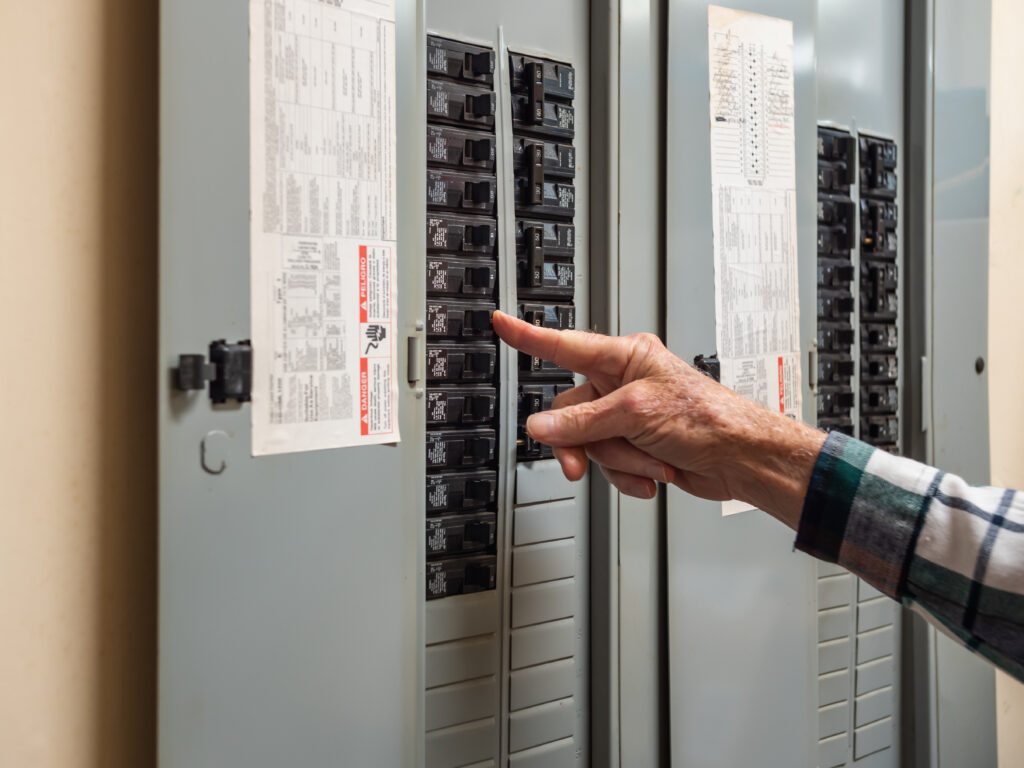
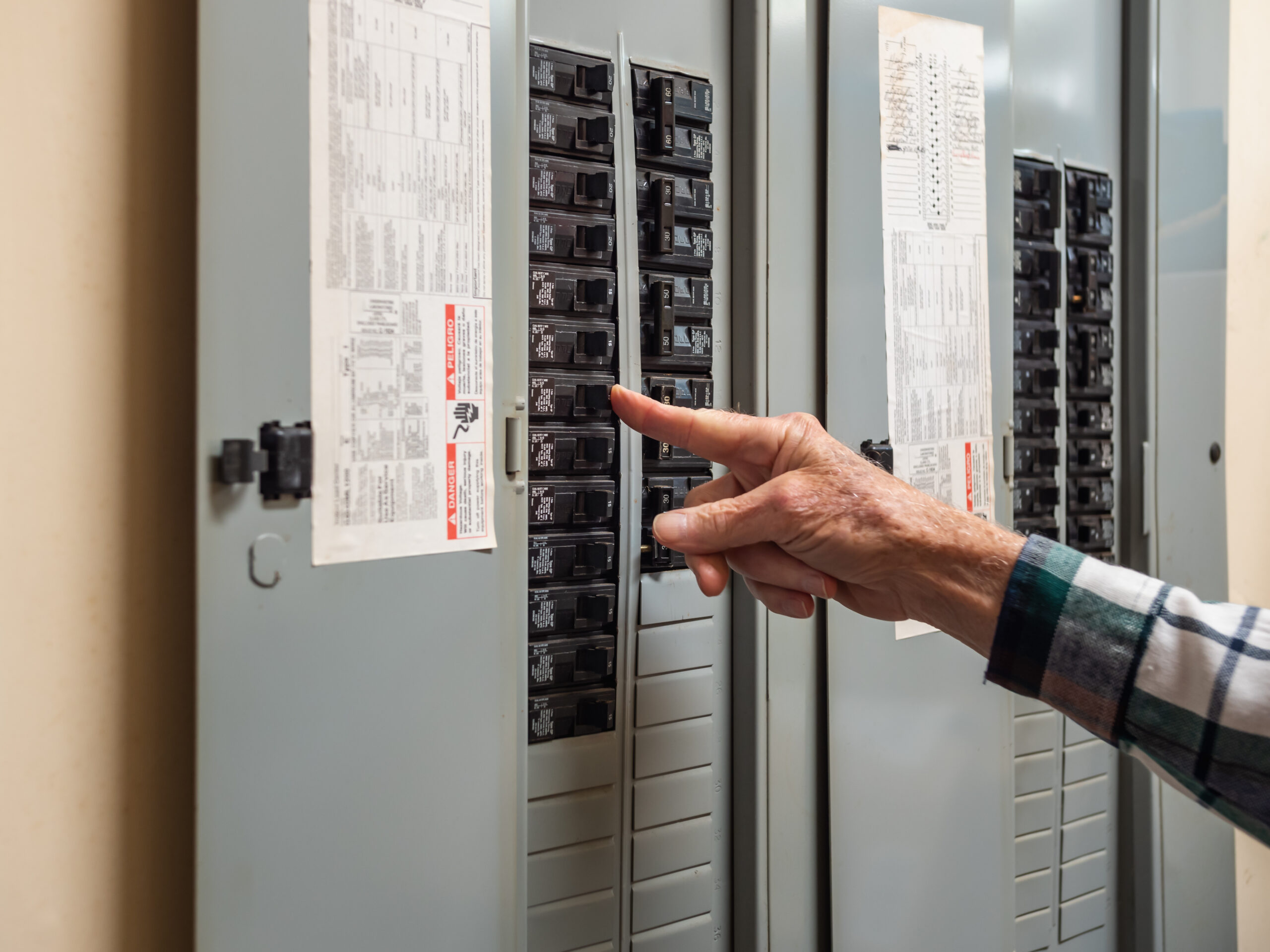
Think of a circuit breaker as a vigilant safety guard inside your electrical panel. Its primary job is to stop electricity from flowing through a circuit when it detects too much current, which could otherwise overheat wires, spark fires, or damage appliances. The number associated with it—such as 20 amps—represents the maximum amount of current it’s rated to carry at any one time. Your 20 amp breaker powers mid-range appliances or groups of outlets and lights. When more than 20 amps of electrical load is being drawn through that circuit, the breaker trips to disconnect it. By design, this prevents overheating, fire hazards, and damage to connected equipment. In short: a breaker that trips might be irritating, but it’s actively preventing disaster.
What Causes a 20 Amp Circuit Breaker to Trip?
There’s no single reason, but several common suspects are worth investigating. Overloaded circuits are the most frequent culprit. When you plug too many high-draw devices—like microwaves, space heaters, and hair dryers—into outlets on the same circuit, the breaker reaches its 20 amp limit and trips. The breaker can also trip due to a short circuit. This occurs when the hot wire touches the neutral or ground wire and creates a low-resistance path, immediately pulling dangerous levels of current and triggering the breaker. Finally, ground faults, or loose electrical connections resulting in stray electricity flowing to the ground, are both a safety risk and a potential cause.
How to Diagnose a Tripping Breaker
Start by eliminating overload as a potential cause. Unplug or turn off appliances on the circuit and reset the breaker. If it holds, you’ve likely overloaded the system. Next, inspect for signs of damage. Discoloration around outlets, a burning smell, or the sound of buzzing are red flags that point to short circuits or electrical faults. If your circuit continues to trip even with everything unplugged, or if resetting the breaker doesn’t restore power at all, the problem may lie within the wiring itself or the breaker component. At this point, calling a licensed electrician—or triggering your home warranty—may not just be wise, it’s the safest option available.
Is This a DIY Fix or a Job for a Pro?
Depending on the source of the problem, there may be some preliminary steps you can safely take as a homeowner. Load management is a great first move—avoid running multiple energy-intensive devices on the same circuit. You can also label your breakers if they aren’t already, to better track what appliances draw on which branch. But electrical work becomes dangerous fast. Do not attempt to open outlet boxes, replace breakers, or rewire any fixtures unless you are specifically trained to do so. And keep in mind that many licensed repairs or system inspections may qualify under your home warranty coverage. If your plan includes electrical system protection, it’s worth checking before spending out-of-pocket or risking personal safety.
The Role of Your Home Warranty in Electrical Repairs
Home warranties vary, but many of today’s best plans include protection for your home’s electrical system. This can range from troubleshooting a faulty breaker to replacing damaged wiring. If you’re covered under a comprehensive home warranty, start by submitting a claim—especially before hiring a contractor. A warranty provider manages the logistics, dispatches verified professionals, and covers many or all repair costs associated with damage caused by normal wear and tear. Partnering with the right warranty company can turn an overwhelming electrical glitch into a straightforward service appointment, often with minimal or no extra cost to you.
Preventing Future Electrical Overloads and Tripping
Once the issue is resolved, preventing future trips to the breaker panel is key. Spread out high-demand appliances across different outlets, and avoid extension cords or power strips on circuits already under strain. Consider upgrading older panels or circuits to modern electrical standards—especially if your home’s wiring hasn’t been updated in decades. A new 20 amp breaker or reconfigured wiring can make a noticeable difference in stability and reliability. Routine inspections are another effective strategy. Even if things seem to be working fine, having a qualified electrician check your panel, outlets, and loads every few years can uncover vulnerabilities before they become problems.
Protect Your Electrical System with Armadillo
Frequent breaker trips aren’t just a hassle—they’re a clue that something deeper might be wrong. Fortunately, you don’t have to navigate it alone. With Armadillo, trusted home warranty coverage serves as your first line of defense against costly electrical repairs. If you’re a homeowner balancing peace of mind with smart investment decisions, it’s time to think beyond DIY fixes and start protecting what powers your home. Armadillo’s straightforward plans cover essential systems, including your electrical panel and circuit wiring, helping you skip the stress and get expert help fast. Already wondering if you’re eligible? Build your custom plan in minutes at our quick plan builder and stay protected from the moment flips turn to trips.