Why Your Breaker Keeps Tripping (and How a Home Warranty Can Help)
When a circuit breaker trips, it may feel like a minor inconvenience—until it keeps happening. If you’ve flipped the same breaker more than once this week, it’s more than a nuisance. It’s a symptom. Understanding why your circuit breaker keeps tripping can not only help you resolve the issue quickly but prevent more serious (and costly) problems down the road. In this article, we’ll break down how your breaker panel works, what causes it to trip repeatedly, what grounding has to do with it, and how a home warranty can play an important role in your peace of mind.
What a Circuit Breaker Actually Does
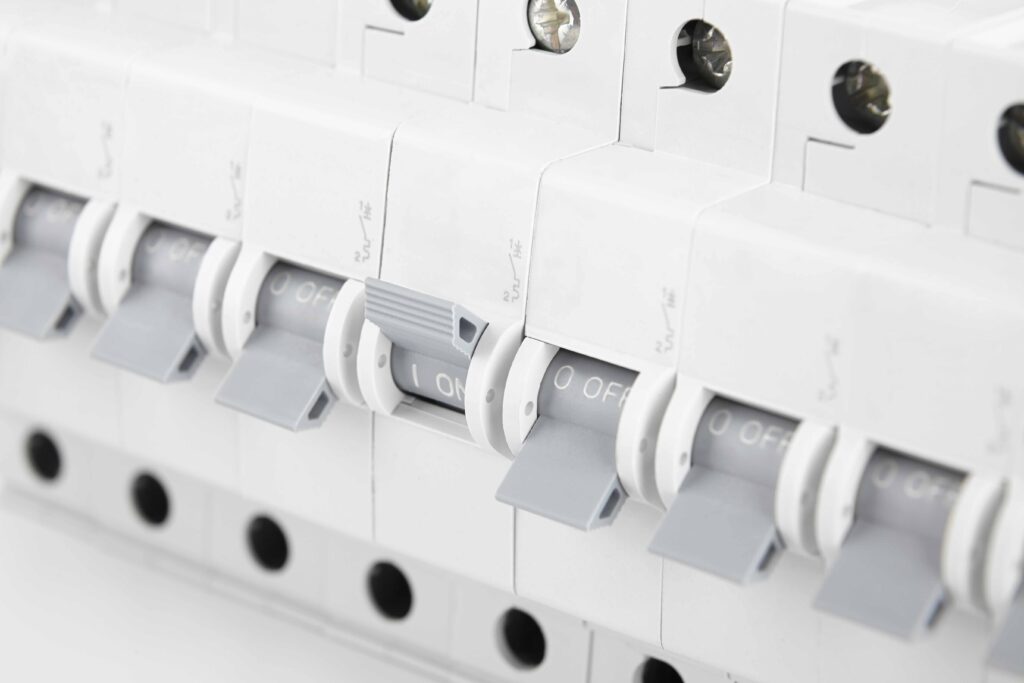
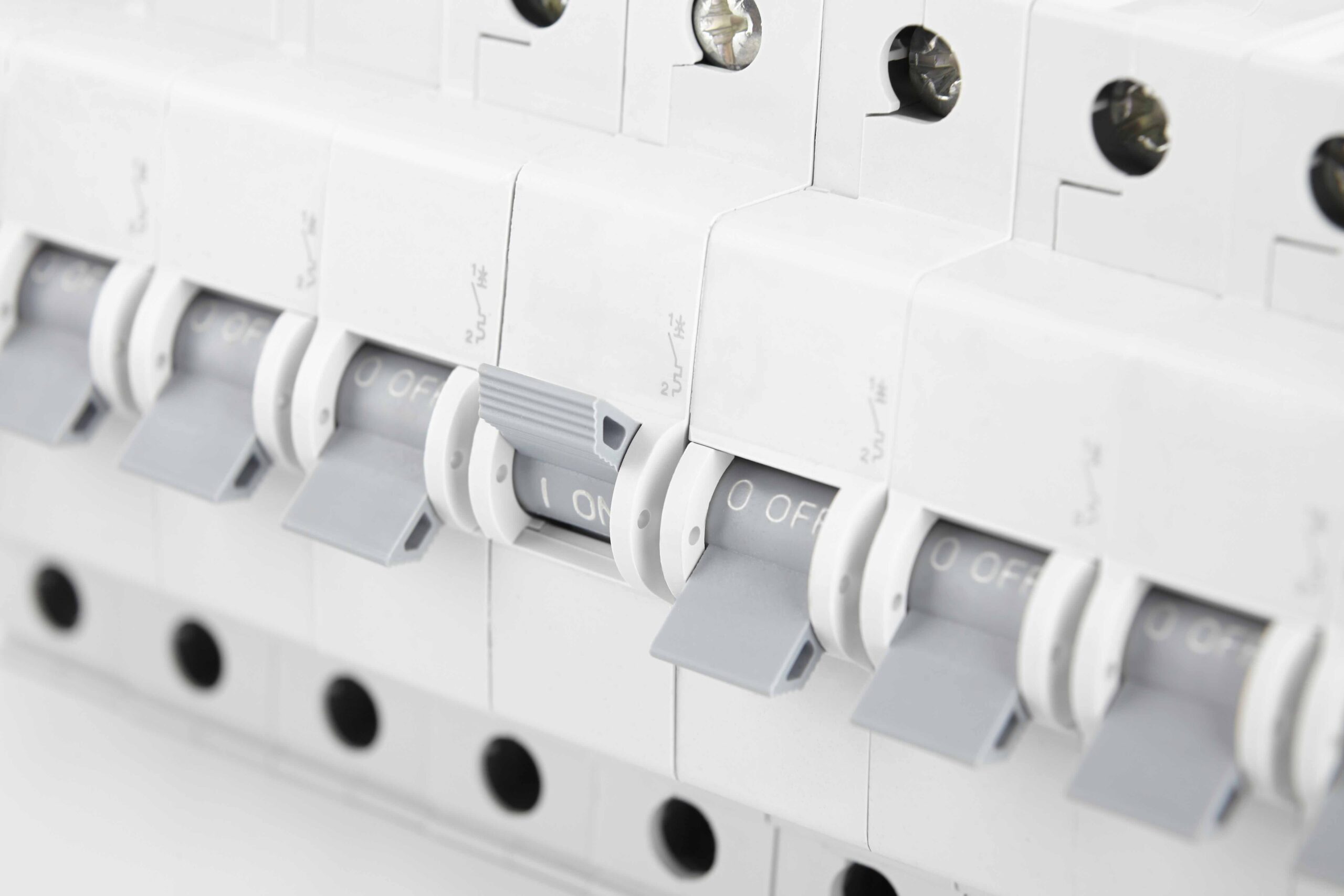
Despite being tucked away in your garage or basement, circuit breakers are the unsung heroes of your home’s electrical system. They protect your home by monitoring the amount of electricity flowing through your circuits. When a breaker senses more current than it’s designed to handle, it shuts off or “trips” to prevent overheating, fire risk, or other damage. Breakers come in different sizes depending on the electrical demands of each area in your home. Your kitchen, for instance, might have a heavier-duty breaker than your living room, because appliances like your refrigerator, oven, and microwave all draw significantly more current.
Common Reasons Your Breaker Keeps Tripping
If one of your circuit breakers seems to be constantly tripping, it’s not random—it’s often a red flag. Overloaded circuits are the most common reason. This occurs when too many devices or appliances are plugged into outlets on the same circuit. Another frequent cause is a short circuit, which happens when a hot wire comes into contact with a neutral or ground wire, potentially producing sparks or even smoke. Ground faults, which are similar to short circuits, involve unintended contact between a hot wire and a grounded surface. All of these conditions trigger a breaker to reduce risk. Repeated tripping may be your electrical system’s way of demanding attention. Keep flipping it back without understanding what’s wrong, and you’re ignoring the warning signs.
The Role of Grounding in Your Home’s Electrical System
Grounding provides a safe path for excess electrical current to exit your home wiring system during a power surge or malfunction. It’s a built-in safety feature, and in modern homes, it’s required by code. However, if grounding is faulty or incomplete—a not-uncommon issue in older homes—it can cause breakers to trip under conditions they weren’t designed to tolerate. For example, even light electrical contact with water or certain materials could generate a dangerous imbalance. In such cases, the circuit doesn’t know where to send the excess current, so it defaults to shutting off. Homes with ungrounded outlets or deteriorating ground wires are especially vulnerable to this. If your breakers trip in an unpredictable or location-specific pattern, grounding should be high on your list of suspects.
Signs It’s More Than a One-Off Issue
If your breaker only trips occasionally and you can trace it back to plugging in one too many hair styling tools in the bathroom or turning on a space heater during a cold snap, you may be dealing with a simple overload. But if this becomes a regular issue or occurs with no clear cause, your electrical system may be signaling improper wiring, corrosion, faulty ground connections, or aging parts. Flickering lights, outlets that spark, or appliances that overheat without warning are additional clues. These are not just annoyances—left unaddressed, they represent potential safety risks. If you’re seeing patterns or multiple zones in your home affected, you’ll need more than a DIY fix. Professional assessment and repair are essential, and this is where extended home protection becomes worth a serious look.
The Cost of Addressing Electrical Issues Without Coverage
Electrical repairs are not cheap. Diagnosing and correcting ongoing breaker trips often requires an electrician’s expertise, and those service calls range from $150 just to assess the situation to well over $1,000 if major components need replacing. Add in issues like rewiring or grounding reassessment, and costs escalate quickly. Keep in mind, homeowners insurance rarely covers wear-and-tear problems or aging systems. This is where many homeowners find themselves caught in an unprotected middle ground: critical systems that are failing—not because of a sudden disaster but because of time and usage. And unfortunately, nobody wants to start comparing price tables after the breaker trips and the stovetop won’t heat up anymore.
How a Home Warranty Bridges the Gap
Home warranties are designed to cover the gap where homeowners insurance leaves off—particularly when it comes to systems like your electrical wiring. If your breaker panel or supporting components are the root of the problem, a home warranty plan can cover repair or replacement costs, depending on plan details. You’ll still need to pay a service fee when a technician is dispatched, but that fee is typically well below what you’d pay out-of-pocket. With protection in place, you won’t need to debate whether it’s worth going another week with that bedroom lamp switched off. Reliable coverage allows you to act early, even before a problem tips from inconvenience to outage.
What to Look for in a Home Warranty Plan
Not all home warranty plans are created equal. When considering coverage for electrical systems, examine the fine print. Make sure the plan explicitly lists your home’s electrical panel, wiring, outlets, and breakers as covered components. Pay attention to any dollar caps on repair work or exclusions for pre-existing issues. If your home is older or has been partially renovated, an adjustable and transparent home warranty is likely your best fit. And if you’ve already called an electrician more than once this year—or hesitated to—then solid electrical coverage isn’t a luxury, it’s a strategic safeguard. Also, consider how easy the claims process is. Spending half a day on the phone is the last thing you need when your kitchen outlets are dead and you’re trying to make breakfast.
Protect Your Home with Armadillo
Breaker problems and grounding issues are more than passing annoyances—they’re warning signs. Instead of putting off repairs or taking unnecessary risks, consider protection that’s designed to step in at just the right moment. Armadillo offers straightforward, dependable home warranty coverage that includes core systems like electrical panels and circuit breakers. If your home shows signs of repeated electrical failure, now is the time to act proactively. Visit Armadillo’s homepage to learn more about how our modern home warranty solutions can fit your needs. Ready to protect your home from the unexpected? Start building your ideal plan here and put endless breaker trips behind you—for good.